Electrolytes are natural compounds
necessary for the physiological functioning of the body. Calcium,
magnesium, potassium, and sodium are all examples of electrolytes.
Electrolytes are present in all bodily fluids, including blood and
urine. We receive them by ingesting certain foods, drinks, and even
plain water.
Different electrolytes perform varying functions in the body, for
example:
Magnesium is important for healthy muscles, bones, teeth, and
nerves.
Sodium is responsible for optimizing fluid levels, as well as nerve
and muscle function.
Potassium helps the heart, muscles, and nerves, and supports your
metabolism.
Calcium is essential for healthy blood pressure and the nervous
system. It’s also important for the production of hormones, and enzymes.
Chloride, like calcium, aids in maintaining cardiovascular health,
as well as bodily fluids.
When the levels of electrolytes are either too high or too low, an
electrolyte imbalance occurs. Severe imbalances of this kind can result
in emergency hospitalization due to seizures, cardiac arrest, and coma.
Causes of electrolyte imbalances

Anyone can develop an electrolyte
imbalance. Electrolytes are excreted by the body through bodily fluids,
including sweat and urine. Hence, conditions or states where someone
loses a lot of bodily fluids can lead to an electrolyte imbalance. The
classic example is a food-borne illness causing an electrolyte imbalance
due to a loss of fluids as a result of vomiting and diarrhea.
Severe burns, broken bones, overhydration, dehydration, and some
medications can be responsible for an electrolyte disorder.
Certain
underlying conditions make some people more likely to get an electrolyte
disorder, namely:
Kidney disease
Liver cirrhosis
Congestive heart failure
Problems with the thyroid and adrenal gland
Excessive alcohol use
Eating disorders (e.g., anorexia and bulimia).
Last but not least, kids and older adults
are more susceptible to electrolyte imbalances than other adults. In
older people, specifically, dehydration can lead to electrolyte
disorders.
Symptoms of electrolyte imbalance
Depending on the electrolytes that are most affected, the body can
respond to an electrolyte disorder in different ways - some more severe
than others. For example, an excess of sodium in the blood leads to a
condition called hypernatremia which makes you experience insomnia,
restlessness, and shallow breathing. Listed below are the 6 most common
symptoms of electrolyte imbalances:
1. Nausea
Feeling sick on your stomach and vomiting
can indicate a variety of electrolyte disorders or result in one. If
you’re feeling nauseous after a sweaty workout, during a hike, or after a
prolonged period of time without drinking, an electrolyte imbalance may
be to blame.
2. Dizziness or confusion
Experiencing brain fog, dizziness, or confusion after a period of
activity can certainly point to an electrolyte issue, especially when
it’s combined with other symptoms listed here. In fact, it’s important
to pay attention to any sudden changes in mood, as irritability,
fatigue, or a feeling of disorientation can all indicate that something
bad is going on in the body. Extreme changes may even indicate that the
brain is affected - says the Cleveland Clinic.
3. Headache
A headache is one of the first symptoms of
many electrolyte imbalances, including a sodium deficiency (called
hyponatremia). This is often caused by dehydration, which is why
drinking a glass of mineral water or even plain old filtered water can
often help you get rid of a headache.
4. Swelling in the ankles, face, and
abdomen
If you wear rings or a wristwatch, you may have noticed that it feels
tighter when you walk around without drinking water for a while. We
recognize this symptom as “water retention” or “fluid buildup,” and it’s
one of the tell-tale signs of an electrolyte deficiency. The same
happens when you have a bowl of salty popcorn in the evening and wake up
with puffy eyes the next morning. You’re experiencing these symptoms
because excess sodium makes your body retain water.
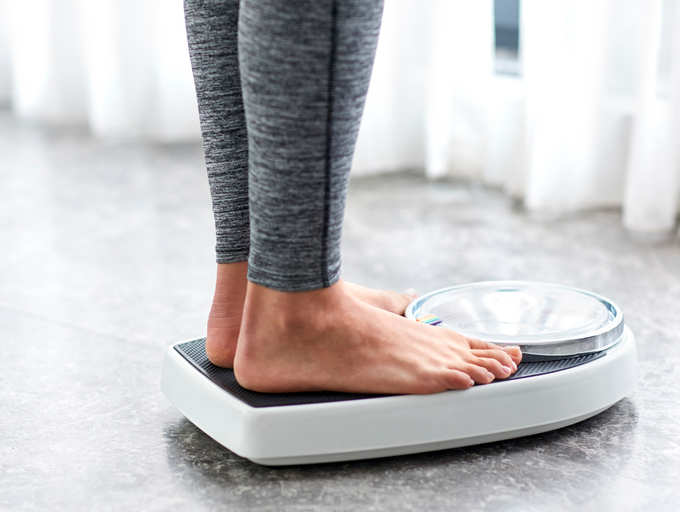
5. Weight gain after a workout
If anything, workouts should make you lose a
little weight; not the other way around. So, if you step on the scale
before and after a workout, you should notice a slight decline in weight
due to sweating. Athletes sometimes do this to test if they’re drinking
enough water during a workout; a decline in weight is an indication
that you should drink more during training.
However, people with low sodium levels can actually end up gaining
weight during exercise. This indicates fluid buildup and means that you
should drink less during a workout. If that doesn’t help, it could also
be that you’re eating too much salty food.
6. Cramps and seizures
Muscle cramps, seizures, and coma are all
possible symptoms of a severe, life-threatening, electrolyte imbalance.
The faster these symptoms tend to develop, the more dangerous they are
according to the Mayo Clinic.
Such severe electrolyte disorders can permanently damage the inner
organs, including the brain. Other signs of an electrolyte imbalance
that requires emergency treatment are:
Alkalosis - excessive blood alkalinity
Metabolic acidosis - the buildup of acid in the body
Dark and cloudy urine due to myoglobinuria (blood myoglobin in the
urine) or rhabdomyolysis (muscles leak proteins and electrolytes into
the blood)
Delirium - a mental state in which you are so disoriented that
you’re unable to think clearly.
How can you manage and treat an electrolyte imbalance?
The course of treatment depends on the
severity of the disruption, as well as the specific electrolyte
imbalance and its cause. For example, if you’re experiencing a headache
due to minor dehydration, slowly drinking a few glasses of water,
another beverage, or an electrolyte drink will make you feel better
right away. More serious dehydration, such as that caused by vomiting
and diarrhea, may require that you drink oral rehydration salt (ORS)
solution, which is available at every drugstore.
Lastly, severe electrolyte imbalances require medical treatment like:
IV fluids and medicine to rehydrate and restore a healthy
electrolyte balance in the body.
Oral medications that replace missing electrolytes.
Hemodialysis - used to correct electrolyte disorders brought on by
kidney damage or kidney failure.
This is only for your information, kindly take the advice of your doctor for medicines, exercises and so on.
https://gscrochetdesigns.blogspot.com. one can see my crochet creations
https://gseasyrecipes.blogspot.com. feel free to view for easy, simple and healthy recipes
https://kneereplacement-stickclub.blogspot.com. for info on knee replacement
https://cancersupportindia.blogspot.com for infor on cancer and health related topics
https://GSiyers
home remedies.blogspot.com is the latest addition to my blogs. I'm
going to add posts there, do give me your valuable feed back on my
blogs. Thanks a lot, take care, be healthy and be happy.