Wednesday, April 01, 2026

Shift to Plant-Based Proteins, Low-Fat Dairy To Boost Heart Health: American Heart Association

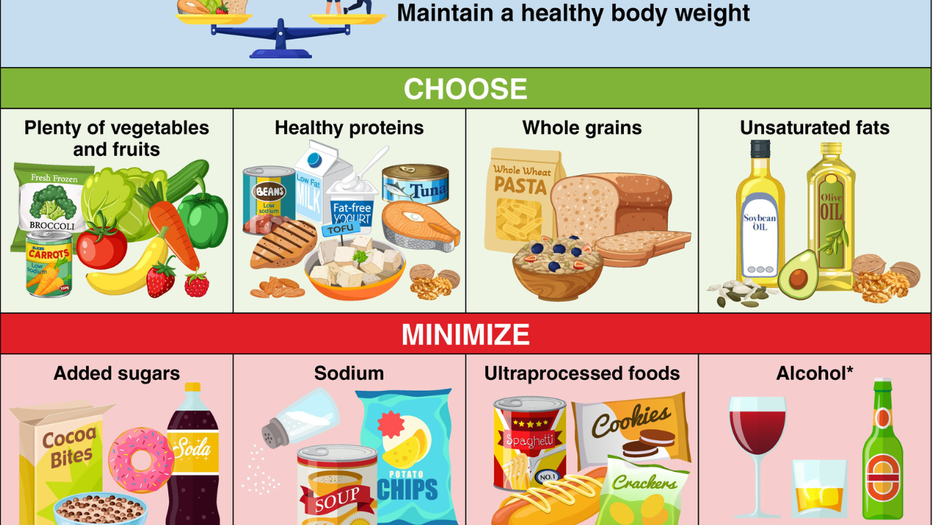
The American Heart Association (AHA), in its latest update on nutrition guidance, has urged the need to eat a diet rich in vegetables and fruits, while also making a key shift to plant-based protein from meat-based protein earlier to improve heart health.

It has also emphasized the need to reduce the intake of sugar, salt and ultra-processed foods, as well as to switch to low-fat dairy.

The scientific statement, which is issued about every five years, comes amid increasing cases of high blood pressure and obesity in the US, which can potentially lead to poor health outcomes, including deaths from cardiovascular disease and other chronic conditions.

“For healthy eating to be more attainable and sustainable, we recommend people focus on their overall eating pattern rather than specific nutrients or foods. This approach is actionable, something that can be modified as people pass through different life stages, while still adhering to the nine key features,” said Alice H. Lichtenstein, volunteer chair of the scientific statement writing committee and senior scientist.

“The guidance applies to wherever you eat: at home, school, work, restaurants, or in your community. You want to strive for progress rather than perfection. Every time you choose to make a swap for a healthier alternative, you’re making a step toward a healthier life,” added Lichtenstein, who is also senior scientist at the Jean Mayer USDA Human Nutrition Research Center on Aging at Tufts University in Boston.

The 9 Guidelines for a heart-healthy dietary pattern include:

  • Maintaining a healthy body weight by balancing food intake and physical activity
  • Eating plenty of vegetables and fruits
  • Choose whole grains such as whole‑wheat bread, brown rice, and oatmeal over refined grains such as white bread or white rice
  • Shifting from meat to plant-based sources such as legumes, including beans, peas, and lentils, along with nuts and seeds, and fish and seafood. Select low-fat or fat-free dairy products.
  • Replace saturated fats with healthy unsaturated fats, including those from nuts, seeds, avocados, and non-tropical plant oils.
  • Choose minimally processed foods instead of ultra-processed foods
  • Limit beverages and foods with added sugars
  • Choose foods low in sodium and prepare foods with minimal or no salt
  • Limit intake of alcohol

Shift to Plant-Based Proteins, Low-Fat Dairy To Boost Heart Health: American Heart Association

Healthy Eating Patterns From Childhood

The 2026 guidance for children recommends a heart‑healthy dietary pattern starting at 1 year of age. It urges families to play a significant role and become role models.

“Cardiovascular disease begins early in life; even prenatal factors can contribute to increased risk in children as they grow. So, it’s important that healthy eating patterns are adopted in childhood and continue throughout the entire lifespan,” Lichtenstein said.

“The best way to do that is for adults to role model heart-healthy eating patterns inside and outside the home,” she added.

While the updated guidance is specifically designed to improve cardiovascular health, it may also help improve other conditions like type 2 diabetes, kidney disease, some cancers, and brain health.


This is only for your information, kindly take the advice of your doctor for medicines, exercises and so on.   


Labels: , , , , , , , , ,

Saturday, December 27, 2025

Feeling tired all day? Gaining weight faster than ever? You may need the Vidya Balan diet, check 5 daily habits to avoid

Chronic inflammation can lead to various health issues, often associated with poor sleep, a slow metabolism and unhealthy habits. An anti-inflammatory diet is recommended to combat inflammation and support well-being, as demonstrated by Vidya Balan's weight loss journey.

Many people complain that they feel unwell yet cannot find a clear medical cause. They feel tired throughout the day or dizzy at random moments. Some struggle with digestion or wake up exhausted despite long sleep.

Others notice rising irritability or poor focus. This strange state is often not a disease, yet it still affects daily life.

Doctors call this condition “sub-health”. The person is not fully sick, but the body is still sending warning signs.

Science now links many of these subtle problems to chronic inflammation inside the body. It builds slowly and harms vital systems.

Acute inflammation behaves like a loud alarm while chronic inflammation acts like a quiet fire. It burns slowly without clear signs, yet it damages tissues over time.

People may gain weight more quickly or experience difficulty remembering things easily. They may also drift toward early metabolic imbalance.

After battling body-image issues for decades, Vidya Balan stunned fans with her remarkable body transformation in Bhool Bhulaiya 3. She credited her anti-inflammatory diet plan for the weight loss.

At the Galatta India’s Fans Festival, she said, “I did this thing called Elimination of Inflammation, and I lost weight since early 2024.”

According to a 2015 NCBI study, an anti-inflammatory diet focuses on natural, minimally processed foods, such as fruits, whole grains, leafy vegetables, and healthy fats from seeds. It avoids packaged and processed foods, such as those containing trans fats.

This eating pattern is often recommended for conditions like autoimmune diseases, thyroid issues and heart problems. It also supports healthy weight loss.

The Vidya Balan diet: What to eat and what to avoid

In an anti-inflammatory diet, foods to avoid include refined carbohydrates, such as white bread and pastries, as well as sugary drinks and desserts. You should also avoid processed meats, such as bacon and sausages, and trans fats found in margarine and packaged baked goods. People with sensitivities may also need to avoid dairy or gluten.

The diet encourages the consumption of colourful fruits and vegetables, healthy fats like olive oil and avocados, and omega-3-rich fish such as salmon and sardines.

Whole grains, beans and lentils provide fibre. Spices like turmeric, ginger and garlic help reduce inflammation.

At the same time, fermented foods and drinks support gut health. Such foods include Idli-dosa, curd and dhokla. Such drinks include buttermilk and kanji.

5 daily habits to avoid

Here are 6 daily habits that flare up chronic inflammation in the body. Avoid these to get better:

Late nights

A lack of proper sleep disrupts the body’s repair system. Inflammatory substances, such as IL-6 and TNF-α, begin to accumulate, causing the body to become tired and stressed.

Sedentary lifestyle

A slow metabolism is associated with increased oxidative stress. When the body is unable to clear waste properly, inflammation occurs.

Smoking or drinking

Both smoking and drinking damage cells and blood vessels. They accelerate inflammatory reactions within the body.

Weakening gut bacteria

Low-fibre diets and poor eating habits weaken the gut barrier. Inflammatory signals then spread from the gut to the rest of the body.

Suffering from stress

Long-term stress upsets cortisol balance. This keeps the body on high alert and disrupts normal immune function.


This is only for your information, kindly take the advice of your doctor for medicines, exercises and so on.   


Labels: , , , , , , , , , , , ,