Wednesday, April 01, 2026

Shift to Plant-Based Proteins, Low-Fat Dairy To Boost Heart Health: American Heart Association

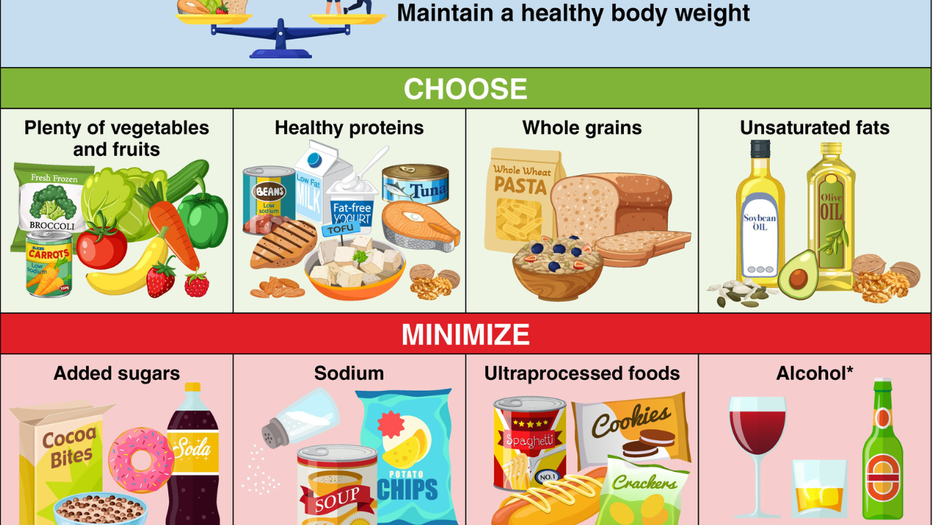
The American Heart Association (AHA), in its latest update on nutrition guidance, has urged the need to eat a diet rich in vegetables and fruits, while also making a key shift to plant-based protein from meat-based protein earlier to improve heart health.

It has also emphasized the need to reduce the intake of sugar, salt and ultra-processed foods, as well as to switch to low-fat dairy.

The scientific statement, which is issued about every five years, comes amid increasing cases of high blood pressure and obesity in the US, which can potentially lead to poor health outcomes, including deaths from cardiovascular disease and other chronic conditions.

“For healthy eating to be more attainable and sustainable, we recommend people focus on their overall eating pattern rather than specific nutrients or foods. This approach is actionable, something that can be modified as people pass through different life stages, while still adhering to the nine key features,” said Alice H. Lichtenstein, volunteer chair of the scientific statement writing committee and senior scientist.

“The guidance applies to wherever you eat: at home, school, work, restaurants, or in your community. You want to strive for progress rather than perfection. Every time you choose to make a swap for a healthier alternative, you’re making a step toward a healthier life,” added Lichtenstein, who is also senior scientist at the Jean Mayer USDA Human Nutrition Research Center on Aging at Tufts University in Boston.

The 9 Guidelines for a heart-healthy dietary pattern include:

  • Maintaining a healthy body weight by balancing food intake and physical activity
  • Eating plenty of vegetables and fruits
  • Choose whole grains such as whole‑wheat bread, brown rice, and oatmeal over refined grains such as white bread or white rice
  • Shifting from meat to plant-based sources such as legumes, including beans, peas, and lentils, along with nuts and seeds, and fish and seafood. Select low-fat or fat-free dairy products.
  • Replace saturated fats with healthy unsaturated fats, including those from nuts, seeds, avocados, and non-tropical plant oils.
  • Choose minimally processed foods instead of ultra-processed foods
  • Limit beverages and foods with added sugars
  • Choose foods low in sodium and prepare foods with minimal or no salt
  • Limit intake of alcohol

Shift to Plant-Based Proteins, Low-Fat Dairy To Boost Heart Health: American Heart Association

Healthy Eating Patterns From Childhood

The 2026 guidance for children recommends a heart‑healthy dietary pattern starting at 1 year of age. It urges families to play a significant role and become role models.

“Cardiovascular disease begins early in life; even prenatal factors can contribute to increased risk in children as they grow. So, it’s important that healthy eating patterns are adopted in childhood and continue throughout the entire lifespan,” Lichtenstein said.

“The best way to do that is for adults to role model heart-healthy eating patterns inside and outside the home,” she added.

While the updated guidance is specifically designed to improve cardiovascular health, it may also help improve other conditions like type 2 diabetes, kidney disease, some cancers, and brain health.


This is only for your information, kindly take the advice of your doctor for medicines, exercises and so on.   


Labels: , , , , , , , , ,

Monday, January 05, 2026

Chia Seeds vs Flax Seeds: Which Superfood Is Better for You?

Chia and flax seeds are powerful superfoods rich in fibre, protein, omega-3 fatty acids, and antioxidants. Chia seeds offer more fibre and calcium, supporting digestion and bone health, while flaxseeds provide higher omega-3s and lignans with cancer-fighting properties. Choosing between them depends on nutritional needs, though including both delivers broader health benefits. 

Chia Seeds vs or Seeds, Which Superfood Is Better for You

Seeds are among the best foods that do wonders for your overall health and well-being. According to experts, eating a balanced and nutrient-rich diet includes the addition of super seeds like chia and flaxseeds—both of which are not just delicious but easy to add to your daily meals. However, which one is a better choice than the other? Read on to know.

Comparing chia seeds with flax seeds

Chia seeds are very small and black in colour, while flaxseeds are brownish-gold seeds that are slightly larger in size. Chia seeds have a bland taste, whereas flax seeds have a slightly nuttier flavour. Both chia and flaxseed are a powerhouse of beneficial nutrients like fibre, protein, healthy fats, and antioxidants. 

Both chia and flax seeds are loaded with a wide variety of nutrients, which include carbs, fibre, protein, fats, magnesium, phosphorus, copper, iron, zinc, and calcium. While both contain a good amount of protein and omega-3 fatty acids, flax seeds have slightly more. 

 Flax seeds also have significantly more copper and thiamine. 

Chia seeds have slightly fewer calories and more fibre. They also have nearly 2.5 times more of the bone-strengthening mineral calcium, as well as slightly more iron and phosphorus.

Cancer-healing properties

Both chia and flax seeds protect you against cancer in several ways, since they are rich in fibre, which is linked to a lower risk of certain types of cancer. Studies say a diet high in dietary fibre reduces the risk of the following cancers:

  • Esophageal
  • Gastric
  • Colon
  • Rectal
  • Breast
  • Endometrial
  • Ovarian
  • Renal cell
  • Prostate 
  • Pancreatic
While both are also loaded with antioxidants, which reduce the levels of free radicals in your body, flaxseeds have the upper hand since they are a better source of lignans, a specific type of cancer-fighting antioxidant. According to experts, eating flax seeds regularly has anticancer effects against certain cancers, including breast cancer and acute myeloid leukemia (AML). Both chia and flax seeds provide multiple antioxidants with cancer-fighting properties.

Improve digestion

For great digestion, it is important to eat both chia and flaxseeds, as they are high in fibre content and can relieve constipation and diarrhoea. While soluble fibre may slow digestion, insoluble fibre adds bulk to your stool and may speed up the passage of food through your gut. Insoluble fibre in both flax and chia seeds can act as a mild laxative, which may help reduce constipation.

How to choose between chia and flax seeds?

According to experts, choosing the seeds of your choice – chia or flaxseed – ultimately depends on your nutritional needs and dietary preferences:
  • If you want a complete plant-based protein, chia seeds are better
  • To boost your intake of antioxidants, flaxseeds have the edge.
  • Even though both have enough fibre for your needs, chia seeds offer a slight advantage in this area
  • If you have a gluten sensitivity or celiac disease, both chia seeds and flaxseed are naturally gluten-free.


This is only for your information, kindly take the advice of your doctor for medicines, exercises and so on.   


Labels: , , , , ,