Monday, March 25, 2024

When Memory Loss isn’t Normal – 5 Vital Signs

 Memory loss isn't a one-size-fits-all condition; it encompasses a wide range of forgetfulness, impacting both short- and long-term memory, as well as skills like name recall and routine routines like teeth brushing. Occasional forgetfulness is a common part of the aging process, with around 40% of people aged 65 and above facing age-related memory challenges. But how do you distinguish between normal lapses and potentially serious cognitive concerns? 

 It is important to recognize, however, that certain types of memory loss are abnormal and may be indicative of larger problems. Identifying these red flags can help you take proactive measures to address any potential issues and maintain your cognitive function. 


1. Struggling to learn new things

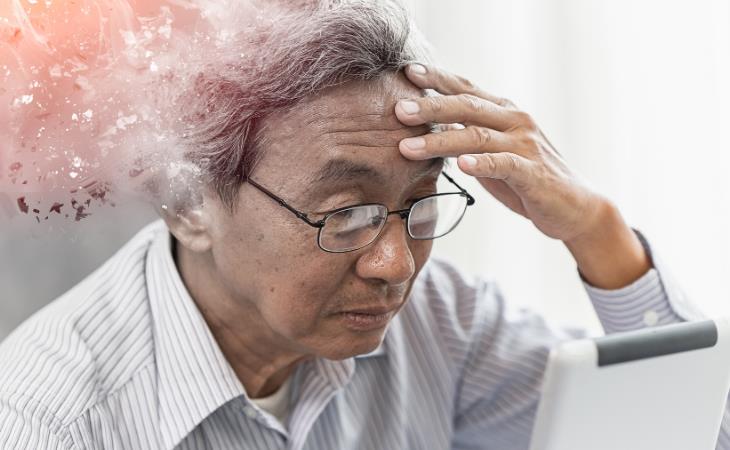
memory loss

As technology continues to evolve at a rapid pace, it is imperative that we learn and adapt constantly. Take, for example, the evolution of devices like cell phones, computers, and cars, which now feature backup cameras, GPS, and electric power. If you discover that acquiring new knowledge is a struggle, experts recommend taking it seriously. 
 
Neurologists say that it's normal in contemporary society to receive a new device and be unable to figure it out. It's natural to need some time to adjust to a new phone or laptop, but if it's becoming an impossible chore, you should consult your doctor. 
 
 
2. Difficulty with once-familiar tasks
forgetful

When tasks that were once a breeze become a struggle, it might become a cause of concern. For example, forgetting recipes that once seemed second nature can be an indication of abnormal forgetfulness, as neurologists suggest. Another notable area of concern is financial matters, where issues like double-paying bills, a lack of comprehension of financial concepts, or even forgetting how to make accurate changes at stores can surface. 
 
If someone is truly struggling and finding everyday tasks increasingly difficult, this should be a sign that something is wrong. While memory lapses may not be the sole factor, many daily activities, including personal hygiene, keeping appointments, and running errands, may also be impacted. Regularly missing medical appointments and unintentionally burning food due to forgetfulness are additional distressing signs to watch for.

 
3. Quickly forgetting conversations
forgetful
It's perfectly normal to forget some conversations occasionally. But when should you be genuinely concerned? If you immediately forget discussions, say neurologists. When you engage in a discussion, it's natural to think that you'll remember some of it. However, if an hour has passed and you can't recollect the chat, you should be concerned. Also, a warning sign is when they fail to remember it by the day's end.


4. Repeating the same stories  
 
Occasionally sharing stories or facts more than once is normal, but if this becomes a habit, it may indicate an abnormality. Neurologists warn that repeated questions or stories within the same day, or sometimes within mere minutes, could be a sign of unusual memory loss. 
 
 
5. Finding yourself disoriented in places you know well
lost
It's absolutely normal to experience momentary confusion when navigating a long-forgotten location or exploring an unfamiliar area. However, losing your way in familiar places frequently may occasionally indicate unusual memory decline. 
 
Several neuroscientists believe that disorientation in your hometown may be a red flag, such as having difficulty finding your way to the supermarket or returning from an appointment. If you or someone you care about experiences this, it should raise concerns. 
 
 
What can cause memory loss?
memory loss

Stay calm. Memory loss doesn't always point to conditions like Alzheimer's or dementia. It's important to determine the root cause of your forgetfulness, as it might be reversible with the right treatment. 
 
When memory problems are reported, neurologists often focus on examining a patient's medications first. Memory loss can be linked to specific medications, infections such as UTIs, stress, fatigue, and depression, but addressing the root cause often restores memory function. Keep in mind that certain prescription drugs may also impact memory. 
 
Memory loss can also be progressive in nature, meaning it will gradually affect you more, including the types of memories it affects. Timely diagnosis is essential, as it allows for the potential effectiveness of early treatment with medications.


Apart from medications, hearing impairment can significantly influence your ability to navigate your surroundings effectively and gather adequate information to participate in conversations. This can lead to a perceived memory decline, both subjectively and in the perception of others. Therefore, it's crucial to obtain hearing aids as soon as possible to address hearing loss. Delaying this solution will make it more difficult to utilize them effectively in the future. 
 
Healthcare experts also stress that prioritizing your overall health will help reduce the likelihood of problematic memory issues. Managing existing medical conditions, especially conditions like diabetes and high blood pressure, has a direct impact on brain health. Furthermore, they stress the significance of integrating regular physical activity and a balanced diet into your routine. Prioritizing your physical and mental wellness will help you maintain memory function and avoid future issues.
 

This is only for your information, kindly take the advice of your doctor for medicines, exercises and so on.   

https://gscrochetdesigns.blogspot.com. one can see my crochet creations  
https://gseasyrecipes.blogspot.com. feel free to view for easy, simple and healthy recipes    
https://kneereplacement-stickclub.blogspot.com. for info on knee replacement
https://cancersupportindia.blogspot.com  for infor on cancer and health related topics
https://GSiyers home remedies.blogspot.com   is the latest addition to my blogs. I'm going to add posts there, do give me your valuable feed back on my blogs. Thanks a lot, take care, be healthy and be happy.
 

Labels: , , , , , , , , , ,

Sunday, November 01, 2015

Distinguish Between Heart Attacks, Cardiac Arrest and Strokes

THIS IS ONLY FOR INFORMATION, ALWAYS CONSULT YOU PHYSICIAN BEFORE HAVING ANY PARTICULAR FOOD/ MEDICATION/EXERCISE/OTHER REMEDIES.

FOR INFO ABOUT KNEE REPLACEMENT, YOU CAN VIEW MY BLOG
HTTP://KNEE REPLACEMENT-STICK CLUB.BLOGSPOT.COM/

FOR CROCHET DESIGNS- http://My Crochet Creations.blogspot.com/


 Heart attacks, cardiac arrest and strokes are all serious conditions related to the heart, but too often people use the terms interchangeably without understanding the differences among the three. Although the disorders are all (usually) related to the heart, they have different causes and symptoms, and it's important to know the characteristics of each so you can better identify and address the problems should they occur to your loved ones, or even yourself.

Heart Attack
A heart-attack is a blood circulation problem caused when arteries become blocked and prevent oxygen-rich blood from reaching the chambers of the heart. An attack occurs when the coronary arteries responsible for carrying the blood to the heart become narrower due to the accumulation of fatty matter, calcium and proteins within them.
Over time, these deposits form plaque, which hardens on the outside. As they harden, the plaque deposits can rupture, causing blood clots to form around them. When these blood clots block the coronary arteries altogether, blood cannot reach the heart, which in turn becomes starved of oxygen. When this happens, the muscle cells of the heart begin to die and can become permanently damaged, which is what constitutes a heart attack.

Cardiac Arrest
Cardiac arrest (often known as 'sudden cardiac arrest') occurs due to an 'electrical fault' that causes the heart to malfunction. When it's working properly, the heart creates electrical impulses that cause it to contract and relax, creating the 'beat' that pumps blood throughout the body.
When these impulses are interfered with or stop altogether, a sudden cardiac arrest can occur because the ventricles of the heart 'flutter' rather than 'pump'. If this reduces the blood flow to the brain significantly, a person can fall unconscious and collapse and will therefore be in need of immediate, emergency treatment.

Stroke
A stroke, also known as a cerebrovascular accident (CVA) is actually a brain disorder that is often (but not always) caused by a heart problem. It occurs when the blood flow to the brain is reduced to the point where cells in the brain begin to die. There are two main types of stroke: 
  • Ischemic - Caused by a blockage in an artery that results in a lack of blood flow to the brain, and the death of brain cells. This type of stroke is related to the heart and circulatory system, which is why it is often confused with a heart attack or cardiac arrest.
  • Hemorrhagic  - Caused by bleeding, usually triggered by a ruptured artery in the brain itself. They can sometimes be associated with traumatic injuries to the head, although a stroke can occur a long time after the original incident.
  •  
What Are the Symptoms of Each Condition?
Although the conditions can all develop suddenly, there are often a number of indicators that people can use to identify a developing issue. Some of the symptoms can be shared between two of the conditions, but there are also some differences that can help you distinguish between them:
Symptoms of a Heart Attack
The symptoms that indicate a heart attack may well come and go, but can also worsen over time. They are also likely to be more acute during times of physical exertion.
  • Chest Pain - Also known as angina, sufferers often describe a feeling of 'weight' or tightness in the chest. It will often come and go, and can be easily confused with indigestion.
  • Pain and Numbness in Other Areas of the Body - Feelings of pain or discomfort in the arms, neck, jaw and back are frequent indicators of heart disease. The left side of the body is more likely to be affected than the right side.
  • Unexplained shortness of breath, wheezing and extreme weakness.
  • A rapid or irregular pulse or heart beat.
  • Dizziness, nausea and vomiting.
  • Increased and often unexplained feelings of anxiety.

Symptoms of a Cardiac Arrest
In over half the cases, cardiac arrest occurs without symptoms as a 'sudden event'. However, some sufferers do experience a number of symptoms in the run up to a problem, which can be considered indicators of an imminent arrest. These include:
  • A racing heartbeat/extreme palpitations.
  • Feelings of dizziness and disorientation.
  • Loss of breath and chest pain.
Although these indicators can foretell the coming of a cardiac arrest, most people will be alerted to the event by extreme symptoms such as sudden collapse or loss of consciousness. It is much harder to predict, in most cases, than a heart attack or stroke, particularly far in advance.
Symptoms of a Stroke
Most of the indicators of an upcoming stroke are neurological and can begin to become apparent in the weeks and months leading up to the attack. Symptoms to look out for include:

  • Severe headaches that can be accompanied by feelings of dizziness.
  • Confusion, forgetfulness and loss of memory. The inability to follow conversations or recall names, facts and past events easily.
  • Blurred vision in one or both eyes and slurred speech.
  • Coordination problems leading to issues walking or picking up objects.
  • Nausea, sickness and excessive sweating.
  • Partial or complete loss of feeling or function in the arms, legs and mouth. This will typically affect one side of your body, so if one arm keeps falling down when you raise both, or your mouth/face begins to droop on one side, you could be experiencing symptoms.
  •  It should also be noted that during a heart attack, the heart continues to beat, while in cardiac arrest, it stops beating altogether (or the power of the beats is significantly reduced) due to the electrical malfunction. Someone who has previously suffered a heart attack is at greater risk of sudden cardiac arrest.
    A heart attack is also more likely to occur as a result of a gradual development and worsening of symptoms over time (although sometimes, people can have a heart attack despite displaying no symptoms at all - a condition known as a 'silent' myocardial infarcation).
    The symptoms of a stroke, meanwhile, are distinct and most commonly effect the head or a sufferer's motor skills. Because the causes of a stroke can be attributed to the heart's failure to pump enough blood to the brain, one can actually occur as a result of sudden cardiac arrest (which is actually one of the chief causes of a stroke). 
     
    What Should You Do?
    There is no need to live in fear of any of the disorders, but you should always seek medical attention if you have any concerns that you are displaying symptoms. Heart attacks and strokes in particular do often give notice of an upcoming event, and medical treatment could prevent the event becoming catastrophic. Learn CPR to put yourself in a position to help someone who suffers from sudden cardiac arrest and you may just save a life.
    The best ways to ensure you don't develop problems are to live a healthy lifestyle, avoid bad habits, eat well and exercise regularly. Also, visit your Doctor for regular check ups, particularly if you are displaying any symptoms that could be related to these conditions.

Labels: , , , , , , , , , , , ,

Wednesday, May 28, 2014

Steroids Given in ICU Increase Risk of Delirium

Critically ill patients who receive steroids in intensive care units (ICUs) of hospitals have more chances of developing delirium, a study by John Hopkins Medicine shows.

Delirium leads to poor memory and thinking, sometimes with disorientation, hallucinations and agitation. For the study, researchers analyzed the medical records of 330 acute lung injury patients with a collective 2,286 days in an ICU at four Baltimore hospitals between October 2004 and October 2007. They found that patients had 52 percent more chances of developing delirium if they were treated with steroids on the previous day.

Moreover, the chances of delirium increased with age, the researchers found.

Researchers said that delirium generally goes away after a few days but studies show delirium in the ICU has a long-term impact. Overall, up to 80 percent of ventilated patients develop delirium in the ICU, and researchers have been looking for risk factors.

This study found that in more than one-third of the ICU days evaluated, mechanically ventilated patients with acute lung injury were given systemic corticosteroids at a range of doses during their ICU stay.

"We need to be cautious in our use of steroids in critically ill patients and weigh the risks and benefits of using them," said lead author Dale M. Needham, an associate professor of medicine and of physical medicine and rehabilitation at the Johns Hopkins University School of Medicine. "Sometimes they are necessary, but we need to be thoughtful about minimizing the dose and duration of steroid use when possible," he said in a press release.

He explained that there are plenty of reasons why an ICU patient is given steroids. They may be ordered to respond to inflammation in the lung or elsewhere in the body. Steroids were also often used often to treat septic shock in the ICU, but more recent studies have shown fewer benefits from steroids in this condition.


THIS IS ONLY FOR INFORMATION, ALWAYS CONSULT YOU PHYSICIAN BEFORE HAVING ANY PARTICULAR FOOD/ MEDICATION/EXERCISE/OTHER REMEDIES.


PS- THOSE INTERESTED IN RECIPES ARE FREE TO VIEW MY BLOG-
HTTP:GSEASYRECIPES.BLOGSPOT.COM/
FOR INFO ABOUT KNEE REPLACEMENT, YOU CAN VIEW MY BLOG-
HTTP://KNEE REPLACEMENT-STICK CLUB.BLOGSPOT.COM/

FOR CROCHET DESIGNS


HTTP://MY CROCHET CREATIONS.BLOGSPOT.COM

Labels: , , , , , , , ,

Saturday, June 29, 2013

SEIZURES- DO'S AND DON'TS

Seizures or fits are sudden jerky movements or stiffening of the body caused due to abnormal electrical activity in the brain. Seizures can also present as sudden brief staring episodes or sudden loss of consciousness. Seizures are not communicable, i.e. they cannot spread from person to person.
When a person suffers from recurrent episodes of seizures, it is called epilepsy. These may occur at different intervals. With proper medical advice and medication, the frequency can be reduced. A person suffering from epilepsy should avoid operating heavy machinery, going near water bodies, driving, handling fire.

Causes
Head injury
Low blood sugar
Lack of oxygen  (Hypoxia)
Stroke in elderly
High grade fever (in children from six months to six years)
Brain tumour or infection)
In children less than four years high-grade fever can lead to
febrile seizures.

Symptoms
Shaking of the body due to the repeated contraction and relaxation of muscles.
The body may become rigid.
Sudden falling.
Clenching of jaw.
Drooling or frothing at the mouth.
Eyeballs roll upwards 
Loss of bowel and bladder control.

Warning signs
Fear or anxiety.
Nausea
Vertigo
Visual symptoms (flashing or bright lights, spots or wavy lines before the eyes.)

Do’s
Stay with the person until the seizure stops naturally.
If the person is falling, try to break the fall.
Clear the area around and remove potentially dangerous items.
Place soft padding under his/her head.
Loosen clothing around the neck to help him/her breathe
more easily.
When the seizures end, turn the patient gently into the
recovery position to keep the airway clear.
Reassure the patient as consciousness returns as he/she
may be disoriented.
In case of a child with febrile seizures try to reduce
temperature by tepid sponging and seek immediate medical
attention.

Don’ts:
Do not restrain the patient. You cannot stop the seizures.
Do not place anything in the patient’s mouth.
Do not move the patient unless he/she is in danger or near
something hazardous.
Do not give the patient anything to eat and drink until
the seizures stop and the patient is fully awake and alert.
Do not force the patient to smell a shoe, socks or onion!
These are myths and do not help at all.
Do not rely on quacks to cure the seizures with miracle
mantras.


ps- this is only for information, always consult you physician before having any particular food/ medication/exercise/other remedies.


ps- those interested in recipes are free to view my blog-

http://gseasyrecipes.blogspot.com/

for info about knee replacement, you can view my blog-

http://Knee replacement-stick club.blogspot.com/

for crochet designs

http://My Crochet Creations.blogspot.com/

I've not given details about designs, but those interested are free to mail me for the same.

Labels: , , , , , , , , , , , , , , , , , , ,