Six herbs to control hypertension and diabetes
Herbs that can keep diabetes and hypertension in check
Diabetes
and high blood pressure are among the most common lifestyle diseases.
Both the conditions, if not addressed right away can lead to other
major health issues including stroke, impaired vision, heart attack,
kidney damage, congestive heart failure, vascular dementia and
peripheral blood vessel disease among others.
Thus, it’s extremely important to keep a check on your blood pressure and blood sugar levels. People diagnosed with any of these two diseases are suggested to take regular medication. Though taking medicines is important, some herbs promise to keep these conditions in check. Here’s the list of five herbs that can help control diabetes and hypertension:
Thus, it’s extremely important to keep a check on your blood pressure and blood sugar levels. People diagnosed with any of these two diseases are suggested to take regular medication. Though taking medicines is important, some herbs promise to keep these conditions in check. Here’s the list of five herbs that can help control diabetes and hypertension:
Tulsi (basil)
Tulsi
or basil works wonders in lowering your blood pressure. The chemical
eugenol present in Tulsi fights the substances that tighten the blood
vessels and thereby help decrease the blood pressure. The easiest way to
consume Tulsi is by adding it to your regular tea or making tulsi tea
by adding tulsi leaves to boiling water.
Garlic
With
the onset of winter, the consumption of garlic automatically increases.
The herb doesn’t just give your food flavour but also has many health
benefits. It has the ability to lower blood pressure by increasing the
nitric oxide in your body. The substance causes your blood vessels to
relax and dilate, which reduces the blood pressure and allows the blood
to flow freely.
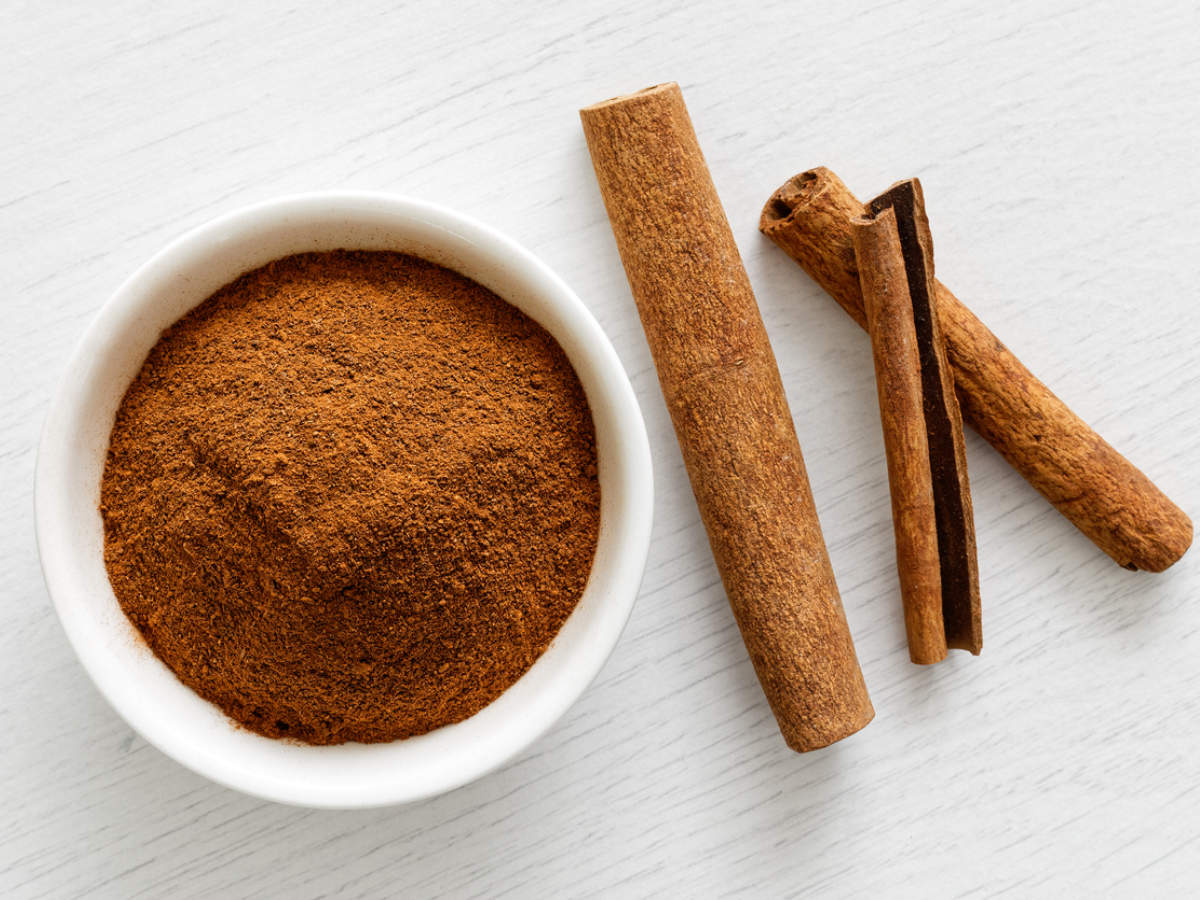
Dal chini (Cinnamon)
From
baking cakes to making curries, cinnamon is a commonly used spice in
Indian households. The spice is extremely helpful in lowering blood
pressure. A study conducted on rodents found that cinnamon extract
lowered both sudden onset and prolonged high blood pressure. Though the
extract was given intravenously.
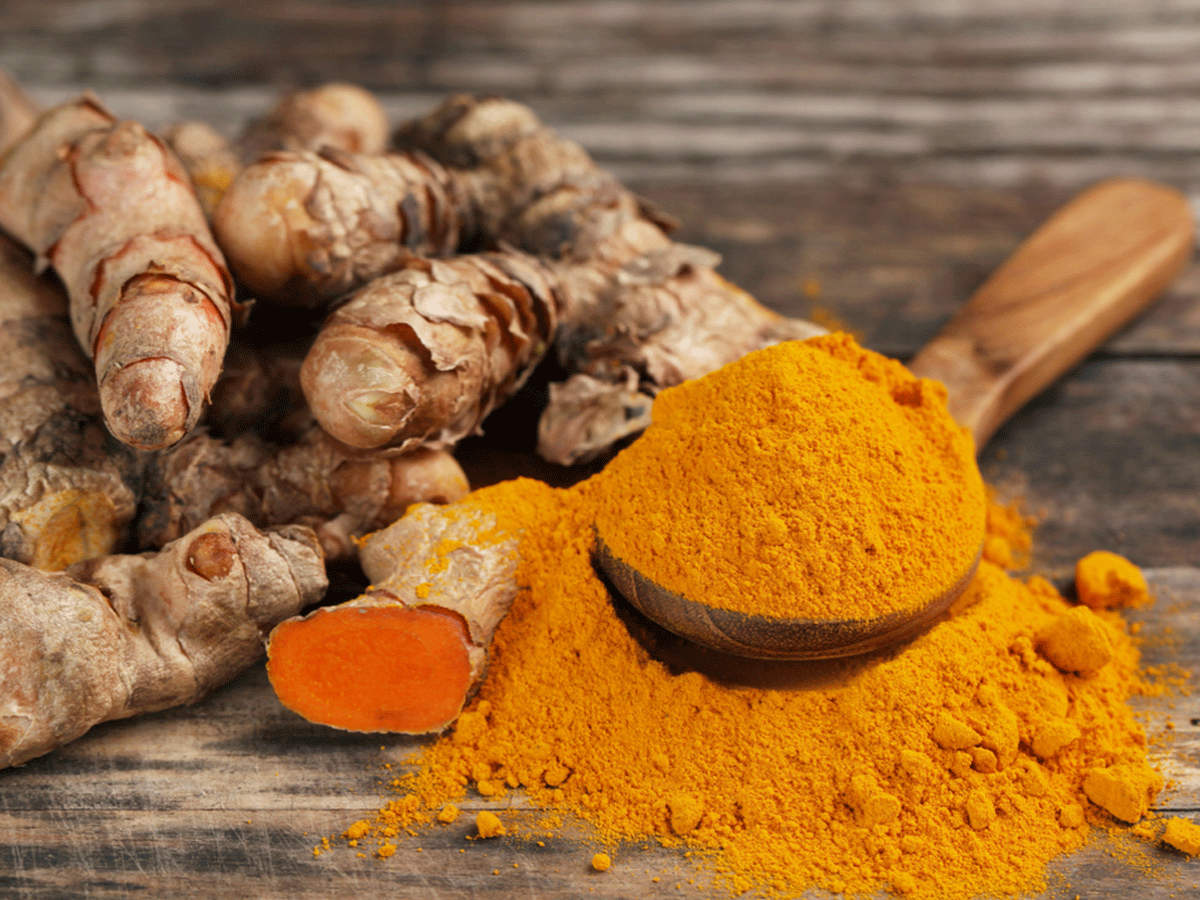
Turmeric
Turmeric
has a compound known as curcumin in it, which has shown to control
blood sugar levels as well as prevent the onset of diabetes. In a
nine-month-long study, 240 participants who had pre-diabetes were made
to have curcumin capsules every day. These people did not develop
diabetes by the end of nine months.
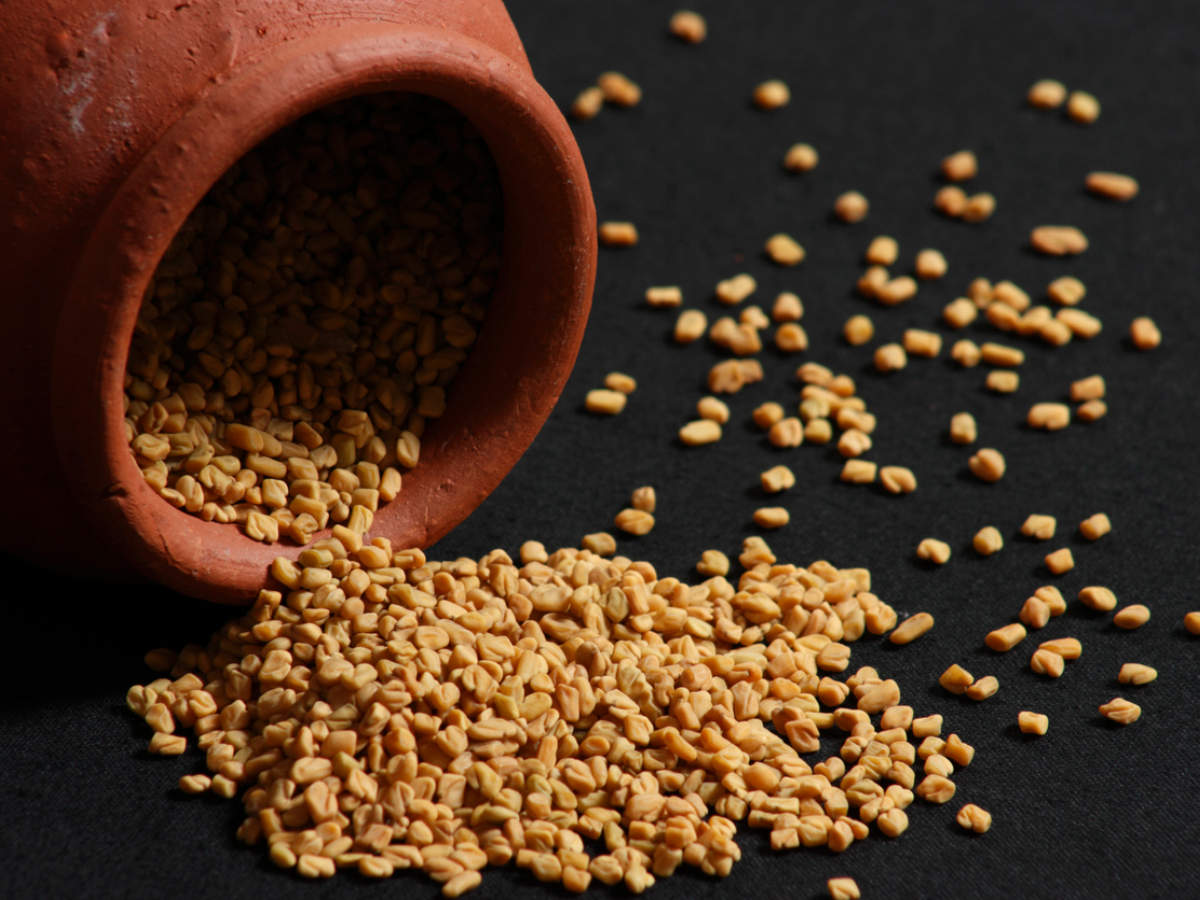
Fenugreek (Methi)
Fenugreek
is beneficial for diabetes and this has been proven by both animal and
human studies. In the study of 25 people who had type 2 diabetes,
fenugreek seeds were found to be a wonderful effect in controlling the
blood sugar levels.
Another study conducted in 2015, published in the International Journal for Vitamin and Nutrition Research, found that consuming 10 grams of fenugreek seeds soaked in water can help control Type-2-diabetes.
Another study conducted in 2015, published in the International Journal for Vitamin and Nutrition Research, found that consuming 10 grams of fenugreek seeds soaked in water can help control Type-2-diabetes.
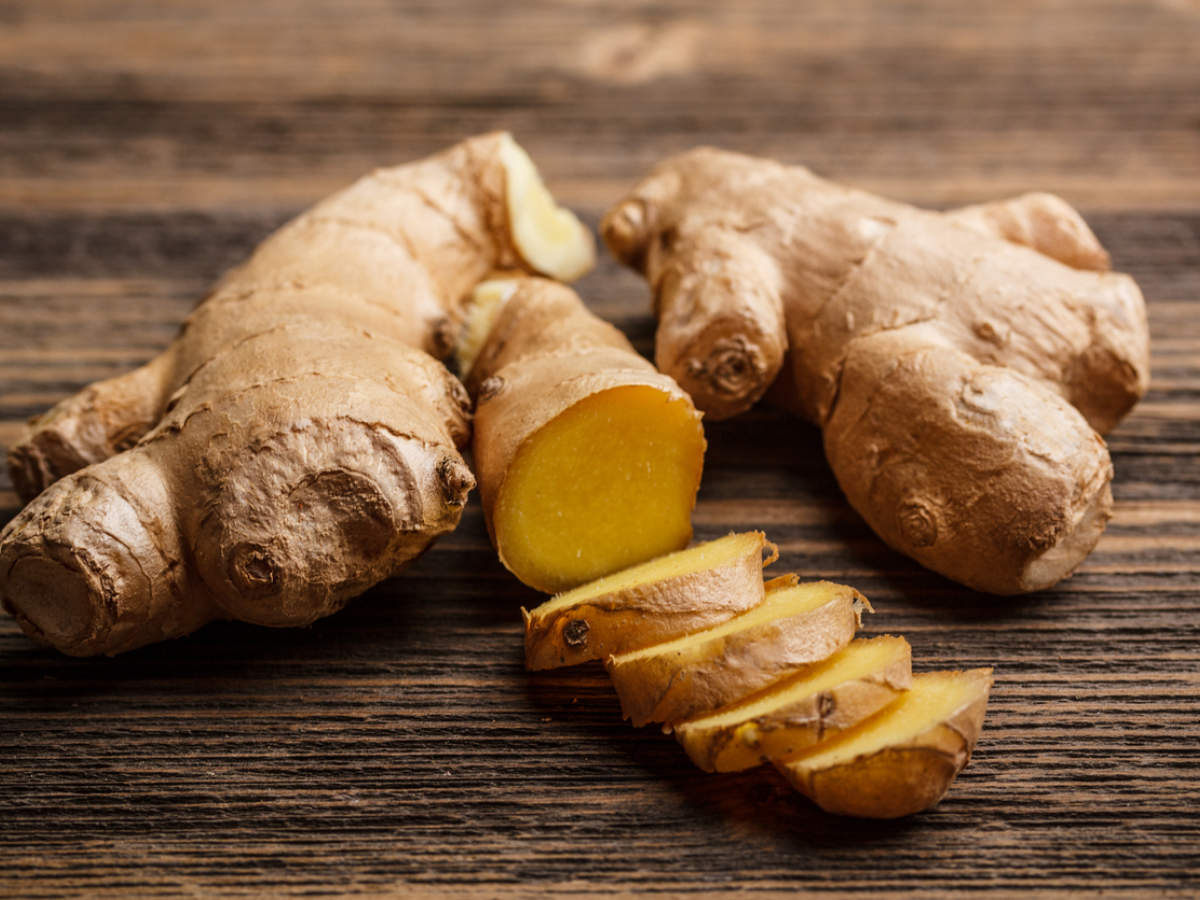
Ginger
A
must in chai and our daily curries, ginger is being used by everyone
since ages for the medicinal benefits it provides. Ginger helps by
improving digestion and lowering the blood sugar levels. Ginger extract
has a great anti-hyperglycaemic effect. It can help decrease the serum
total cholesterol, triglycerides and increase the HDL (good cholesterol)
levels. Diabetes often causes acid reflux, ginger helps by soothing the
entire digestive tract.