DEEP VEIN THROMBOSIS ( DVT)
At times a blood clot forms deep within our veins, usually in the legs. Some time, the clot can break and move up along with the blood flow and the clot can reach our lungs.It could get stuck and prevent blood flow, which can cause even lung damage or death.
Pulmonary embolism is when the blood clot moves to the lungs , blocks the blood supply, can cause breathing problems, low blood pressure, fainting, faster heart rate. If you find any of these symptoms, rush at once to the nearest hospital.
Causes of DVT- surgery, damage to the blood vessel, poor immune system, if blood flow is thick and slow, there are more chances of one getting DVT. Those with genetic disorders, more estrogen are also likely to get DVT. Those who sit for long- especially in long flights, train / car/ bus journey where the legs are cramped without much moving space and pregnant women are also likely to get DVT.
Symptoms and diagnosis
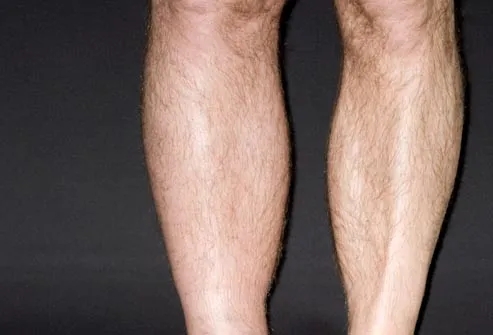
Normally there is swelling in the leg in which there is clot, at times reddish, painful too. Of course, some people don't have any symptoms. The doctor can check for signs of DVT- will ask for your medical history, and by chance if there was any of the causes mentioned above, the patient was at risk for. The doctor will conform after an ultrasound test or one may also need other tests, such as a blood test called a d-dimer.
Treatment with blood thinner and its side-effects
Drugs called anticoagulants are the most common way to treat DVT. Although they're known as blood thinners, they don't really thin your blood. They make it less "sticky" to prevent new blood clots from forming. They can't break up a clot you already have, but they will give your body time to dissolve one on its own. You take these medications in a pill or by needle.
People who take these may get bruises often or bleed more easily. When you take certain ones, you'll need to watch what you eat. And you'll need to go to a lab regularly to get your blood checked to make sure you've got the right amount of the drug in your body. You don't have to do that for newer medications, but they make it harder to stop bleeding if you have an accident.
Let your doctor know if you bleed a lot from minor injuries.
Internal Bleeding
Blood thinners can also make it easier to bleed inside your body, where you can't see it. Bleeding in your belly can cause pain, vomit that's red or looks like coffee grounds, and bright red or black stools. Bleeding in your brain can cause severe headaches, vision changes, unnatural movements, and confusion. Call 911 and go to the emergency room if you notice any of these symptom.
Other options
Vena Cava Filter
If blood thinners aren't working, your doctor may recommend putting a filter into your biggest vein, called the vena cava. This filter catches breakaway clots and stops them from getting into your lungs and heart. It won't stop new clots from forming or cure DVT, but it can help prevent a dangerous pulmonary embolism.
Clot Busters
Medications that dissolve blood clots are called thrombolytics. They can cause sudden, severe bleeding, so doctors use them only in emergencies -- to dissolve a life-threatening blood clot in your lung, for example. You get thrombolytics by IV in a hospital.
Compression Stockings
These special socks put gentle pressure on your legs to keep your blood moving. They can help prevent clots from forming as well as reduce swelling and relieve discomfort in a leg where a clot has already formed. You can get compression stockings over the counter, but your doctor will need to write a prescription for ones with more pressure. Wear them even at home.
Keep Your Feet Up
When you can, sit with your feet resting off the floor to raise your legs. You'll make it easier for the blood in your veins to flow up toward your heart. This can lessen the swelling and discomfort in the leg with DVT.
Long-Term Effects
Once a blood clot is gone, DVT sometimes leaves behind an unpleasant reminder. You may see long-term swelling or changes in skin color where the clot was. Or it could hurt. These symptoms, known as post-thrombotic syndrome, sometimes show up as much as a year after the clot.
Exercise
Use your muscles to promote blood flow. Work your lower leg muscles especially. Even when you've a desk job, get up every few minutes and walk around, whenever possible keep your legs raised. While lying down, keep moving your toes, bend and stretch your legs, slowly a couple of times, raise and lower you legs while lying down.
Don't wear tight fitting clothes while traveling. Get up and walk after every 30 minutes, stretch your legs, move your ankles, whenever possible keep your legs in a raised position. Wear tight fitting stockings to reduce swelling and help in blood flow.
this is only for your information, kindly take the advice of your doctor for medicines, exercises and so on.
https://gscrochetdesigns.
https://kneereplacement-
Pulmonary embolism is when the blood clot moves to the lungs , blocks the blood supply, can cause breathing problems, low blood pressure, fainting, faster heart rate. If you find any of these symptoms, rush at once to the nearest hospital.
Causes of DVT- surgery, damage to the blood vessel, poor immune system, if blood flow is thick and slow, there are more chances of one getting DVT. Those with genetic disorders, more estrogen are also likely to get DVT. Those who sit for long- especially in long flights, train / car/ bus journey where the legs are cramped without much moving space and pregnant women are also likely to get DVT.
Symptoms and diagnosis
Normally there is swelling in the leg in which there is clot, at times reddish, painful too. Of course, some people don't have any symptoms. The doctor can check for signs of DVT- will ask for your medical history, and by chance if there was any of the causes mentioned above, the patient was at risk for. The doctor will conform after an ultrasound test or one may also need other tests, such as a blood test called a d-dimer.
Treatment with blood thinner and its side-effects
Drugs called anticoagulants are the most common way to treat DVT. Although they're known as blood thinners, they don't really thin your blood. They make it less "sticky" to prevent new blood clots from forming. They can't break up a clot you already have, but they will give your body time to dissolve one on its own. You take these medications in a pill or by needle.
People who take these may get bruises often or bleed more easily. When you take certain ones, you'll need to watch what you eat. And you'll need to go to a lab regularly to get your blood checked to make sure you've got the right amount of the drug in your body. You don't have to do that for newer medications, but they make it harder to stop bleeding if you have an accident.
Let your doctor know if you bleed a lot from minor injuries.
Internal Bleeding
Blood thinners can also make it easier to bleed inside your body, where you can't see it. Bleeding in your belly can cause pain, vomit that's red or looks like coffee grounds, and bright red or black stools. Bleeding in your brain can cause severe headaches, vision changes, unnatural movements, and confusion. Call 911 and go to the emergency room if you notice any of these symptom.
Other options
Vena Cava Filter
If blood thinners aren't working, your doctor may recommend putting a filter into your biggest vein, called the vena cava. This filter catches breakaway clots and stops them from getting into your lungs and heart. It won't stop new clots from forming or cure DVT, but it can help prevent a dangerous pulmonary embolism.
Clot Busters
Medications that dissolve blood clots are called thrombolytics. They can cause sudden, severe bleeding, so doctors use them only in emergencies -- to dissolve a life-threatening blood clot in your lung, for example. You get thrombolytics by IV in a hospital.
Compression Stockings
These special socks put gentle pressure on your legs to keep your blood moving. They can help prevent clots from forming as well as reduce swelling and relieve discomfort in a leg where a clot has already formed. You can get compression stockings over the counter, but your doctor will need to write a prescription for ones with more pressure. Wear them even at home.
Keep Your Feet Up
When you can, sit with your feet resting off the floor to raise your legs. You'll make it easier for the blood in your veins to flow up toward your heart. This can lessen the swelling and discomfort in the leg with DVT.
Long-Term Effects
Once a blood clot is gone, DVT sometimes leaves behind an unpleasant reminder. You may see long-term swelling or changes in skin color where the clot was. Or it could hurt. These symptoms, known as post-thrombotic syndrome, sometimes show up as much as a year after the clot.
Exercise
Use your muscles to promote blood flow. Work your lower leg muscles especially. Even when you've a desk job, get up every few minutes and walk around, whenever possible keep your legs raised. While lying down, keep moving your toes, bend and stretch your legs, slowly a couple of times, raise and lower you legs while lying down.
Don't wear tight fitting clothes while traveling. Get up and walk after every 30 minutes, stretch your legs, move your ankles, whenever possible keep your legs in a raised position. Wear tight fitting stockings to reduce swelling and help in blood flow.
this is only for your information, kindly take the advice of your doctor for medicines, exercises and so on.
https://gscrochetdesigns.
https://gseasyrecipes.
https://kneereplacement-
Labels: blood thinner, clot busters, compression stockings, DVT(deep vein thrombosis), Exercise, pregnancy, pulmonary embolism (PE), vena cava filter
posted by G S Iyer at 1:35 AM
0 comments