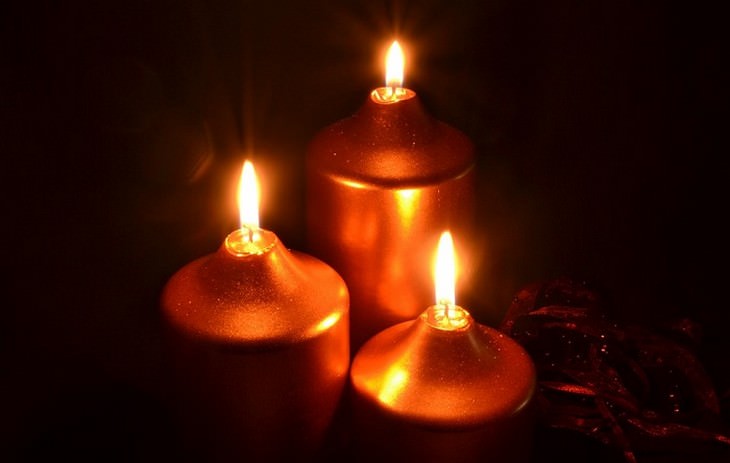
11 Carcinogenic Materials Found in Most of Our Homes
We all want to do as much as possible to
make sure our family has a happy and healthy life. To do this, we try to
refrain from using items and materials that might harm them, whether
it's a dangerous toy or a table with sharp corners, but while we choose
healthy foods and safe activities, we unwittingly fill our home with
products that may increase the risk of cancer and other health problems.
This is why it is important that you familiarize yourself with the
following 11 carcinogenic items that are present in most homes.
1. Air fresheners
According to a report released by the US Natural Resources Defense
Council, many of the air fresheners used in our homes on a regular basis
contain compounds that can cause us harm and even cancer. The vast
majority of air fresheners, even those labeled "natural", contain a
group of chemicals called phthalates, the most common being DEHP, DIDP
and DINP. As part of the National Toxicology Program in the United
States, it was reported that DEHP is a substance that may be
carcinogenic to humans and that these chemicals may adversely affect
brain development and sexual development.
It's important to note that the most at risk are infants, pregnant
women, and chronic patients. Since household air fresheners are very
simple to prepare, there is no reason why you should continue to use
products that contain hazardous substances that may harm your health.
Use this wonderful guide to make natural home air fresheners, and enjoy
your favorite comforting and pleasant smells without harming yourself.
2. Shower curtains and similar plastic
products
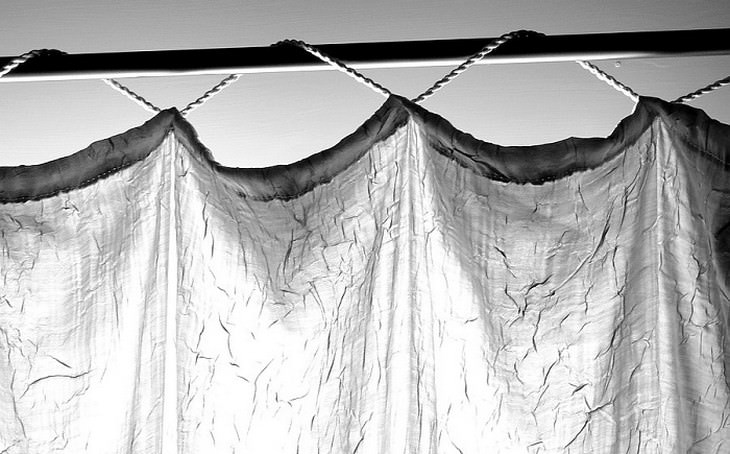
You’ve probably already heard about polyvinyl chloride polymer, also
known as PVC because it's the third most common type of plastic.
Although this type of plastic may be fine for some uses, such as in
sewage pipes, it can be dangerous if we are exposed to it around the
house. Shower curtains contain PVC and other toxic compounds that may be
released while you shower.
These toxins can affect the reproductive and respiratory system and can
cause cancer. This is why it’s important to check what your bathroom
curtain is made of, and if it contains this dangerous plastic, you
should choose healthy alternatives such as natural cotton or curtains
that contain EVA. Also, don’t hesitate to check your children's plastic
toys and plastic containers in your home to make sure they don’t contain
PVC.
Microwaving plastic
First of all, it's important that you familiarize yourself with the
symbols that adorn various plastic containers, toys and other products
made of plastic. Once you know the different types of plastics, it
should be noted that none of them are recommended for microwave heating.
In fact, plastic containers labeled "microwave safe" just mean that
they won’t melt while being heated. Keep in mind that heating plastic
increases the potential for the penetration of chemicals into the food
you eat!
3. Materials for cleaning fabrics and
carpet shampoo
If you use detergents to clean clothes stains or your carpets it's
important to make sure that they don't contain Trichloroethane or
Naphthalene. If you do find them on the ingredients list, you should
stop using the product as both contribute to an increased risk of lung
or throat cancer. If you encounter a stubborn stain on your favorite
carpet, you can easily remove it with baking soda. All you have to do is
sprinkle a little baking soda on the carpet, allow the stain to be
absorbed and finally clean with a vacuum cleaner.
4. Items returned from dry cleaning
According to the American Cancer Society, a dangerous substance that’s
hidden in your closet is trichloroethylene, a chemical that may stick to
clothes and items that have been dry cleaned. Inhalation of this
transparent liquid vapor can damage the central nervous system, with
symptoms similar to those of alcohol poisoning including headaches,
dizziness, and confusion to the point of loss of consciousness and
death.
In addition to this, the substance is suspected to be carcinogenic.
Therefore, the next time you give your clothes to the dry cleaners,
don’t forget to make sure that they don’t use detergents containing
trichloroethylene or other chemicals that could unknowingly endanger
your health.
5. Pest Repellent and pesticides
Many pests enjoy setting up camp on our four-legged friends, which is
why most of us buy different products to kill those unwanted visitors.
But we need to pay attention and be very alert when choosing tick a flea
repellents because, as in the case of our detergents, there are various
carcinogenic chemicals that may be present in them, as well as in
products that treat children's head lice.
Products containing chemical substances such as permethrin or
organophosphates are probably carcinogenic and dangerous for humans.
Therefore, you have to be very stringent when choosing these products.
Additionally, you can take care of head lice naturally, repel bugs, and
take care of your dog and cats flea problem without chemicals.
6. Talcum powder
There are quite a few people who use talcum powder in their sneakers or
socks to prevent unpleasant sweating or odors, and quite a few mothers
put it in baby diapers to prevent rashes. This is why it is important
that you know what substances you should be wary of on its label. You
should avoid buying talc that contains asbestos fibers, found to be
unsafe by the US Food and Drug Administration, as it increases the risk
of ovarian cancer and lung diseases
7. House paint
From time to time we want to liven up the walls of our house and give
them a fresh and clean look, and a good way to do this is by painting
them. But the most common problem with paint is the volatile compounds
it contains. As paint begins to dry, the chemicals "escape" into the air
and this may continue for several years after painting.
People who work or live in an area that has just been painted can
breathe in these chemicals, which can cause a variety of health problems
such as headaches, dizziness and other severe symptoms. Because of
these problems, paints that contain less volatile compounds have become
more desirable, and you should look for these paint options.
8. Teflon cookware
Several years ago, the US Environmental Protection Agency found a carcinogenic substance called PFOA inside Teflon cookware. Agency officials added that Teflon secretes toxic substances and gases at high temperatures, which can lead to various diseases and even cancer. However, it's important to note that if you keep your Teflon cookware in good condition and undamaged, you can continue to use it, but at the same time, avoid long or high-temperature cooking.
9. Anti-bacterial products
We generally tend to put our trust in antibacterial products that are
supposedly designed to make our environment as safe as possible.
However, in many cosmetics and hygiene products, including soaps and
toothpastes, a substance called Triclosan, registered with the US
Environmental Protection Agency as an insecticide, has been found, and
it may be carcinogenic. Although initial experiments on the subject have
only been done on mice so far, they have raised enough concerns to ban
the use of products containing this substance in EU countries.
10. Antiperspirant deodorants
Most of us are careful to apply deodorant every day to reduce armpit
sweat and keep our bodies smelling nice, and there are countless
different types which offer different smells and textures. Despite the
rich selection and tempting offers that make us choose a certain type of
deodorant, it's important to know that antiperspirant products, which
contain aluminum salts, may promote the growth of cancer cells in the
body and may cause breast cancer.
It should be noted that this information is not conclusive and that
other studies contradict this claim, but in any case, if you decide to
reduce the use of antiperspirant deodorant, you can replace it with
coconut oil.
11. Candles
Another dangerous and poisonous product that may be in your home comes
disguised as scented candles. Although the US Consumer Council banned
the sale of lead wicks, you should carefully examine the candles in your
home to rule out the possibility that they contain this dangerous
substance.
A simple way to check if your candle contains lead requires only a piece
of paper. Hold the candle in such a way that you can rub the wick on
the piece of paper, and if it doesn’t leave a mark on the page, it
probably doesn’t contain lead. If you find that the candles in your home
are not safe, you can easily make an orange candle, and enjoy its
wonderful taste, its pleasant smell, and its bright light.
The list of products above is only a
fraction of the products that you think are safe, but might actually be
causing harm to you and your family. The article is not intended to
instill fear or apprehension, but to raise awareness and help you make
the smartest choices while purchasing or preparing items to be used in
your home.
This is only for your information, kindly take the advice of your doctor for medicines, exercises and so on.
https://gscrochetdesigns.blogspot.com. one can see my crochet creations
https://gseasyrecipes.blogspot.com. feel free to view for easy, simple and healthy recipes
https://kneereplacement-stickclub.blogspot.com. for info on knee replacement
https://cancersupportindia.blogspot.com for infor on cancer and health related topics
https://GSiyers home remedies.blogspot.com is the latest addition to my blogs. I'm going to add posts there, do give me your valuable feed back on my blogs. Thanks a lot, take care, be healthy and be happy.
https://gscrochetdesigns.blogspot.com. one can see my crochet creations
https://gseasyrecipes.blogspot.com. feel free to view for easy, simple and healthy recipes
https://kneereplacement-stickclub.blogspot.com. for info on knee replacement
https://cancersupportindia.blogspot.com for infor on cancer and health related topics
https://GSiyers home remedies.blogspot.com is the latest addition to my blogs. I'm going to add posts there, do give me your valuable feed back on my blogs. Thanks a lot, take care, be healthy and be happy.
Labels: air freshener, antibacterial products, candles, carcinogens at home- deodorants, cleaning products, clothes from dry cleaner, pest repellent n pesticides, Talcum powder, teflon cookware house paint
posted by G S Iyer at 5:45 AM
0 comments