These Foods Can Help Fight the Effects of Arthritis
Recent studies have shown that inflammation
plays a role in osteoarthritis. And although there is no dietary cure
for this disease, researchers are confident that what we eat may have an
impact on joint health. Certain foods have been shown to fight
inflammation, strengthen bones and boost the immune system.
Here's a list of 12 foods you should include in your diet to reduce the
effects of arthritis.
1. Fish
Great for: Rheumatoid arthritis
Here's some fin-tastic news! According to research conducted at
Stockholm's Karolinska Institute and Hospital, eating fatty fish just
once a week can halve your risk of developing rheumatoid arthritis.
Certain types of fish, particularly salmon, tuna, mackerel, and herring,
are packed with inflammation-fighting omega-3 fatty acids. To reap the
benefits, experts recommend at least 3 to 4 ounces of fish, twice a
week.
2. Soy

Great for: Rheumatoid arthritis
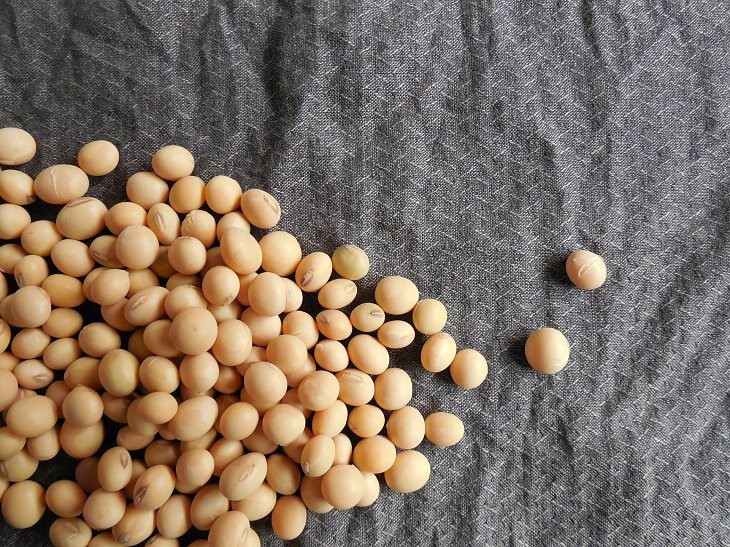
Besides being low in fat, high in protein and a good source of fiber,
soybeans are packed with inflammation-busting omega-3 fatty acids. Opt
for tofu or edamame beans to stock up on the health benefits of
soybeans.
3. Olive Oil
Great for: Rheumatoid arthritis and
Osteoarthritis
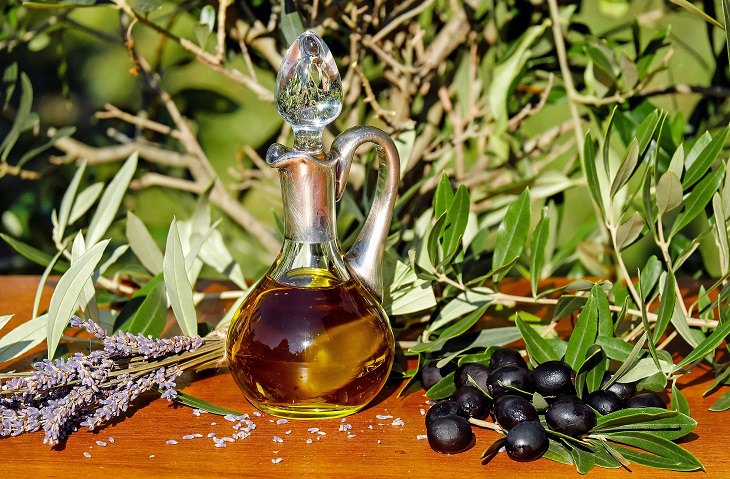
There are countless ways olive oil can boost our health. One of its
benefits lies in the compound oleocanthal, which has properties similar
to non-steroidal, anti-inflammatory drugs. While stocking up on olive
oil will certainly do you a lot of good, it's not the only vegetable oil
with health benefits. Try avocado oil, which has been shown to lower
cholesterol. Another great option is walnut oil, which has 10 times the
omega-3 that olive oil has.
4. Cherries
Great for: Gout
A number of studies conducted on cherries have shown that they may help
reduce the frequency of gout attacks. The compound found in cherries -
anthocyanins - have an anti-inflammatory effect. Besides cherries, you
can also stock up on other red and purple fruits like strawberries,
raspberries, blueberries, and blackberries.
5. Dairy
Great for: Osteoporosis and Osteoarthritis
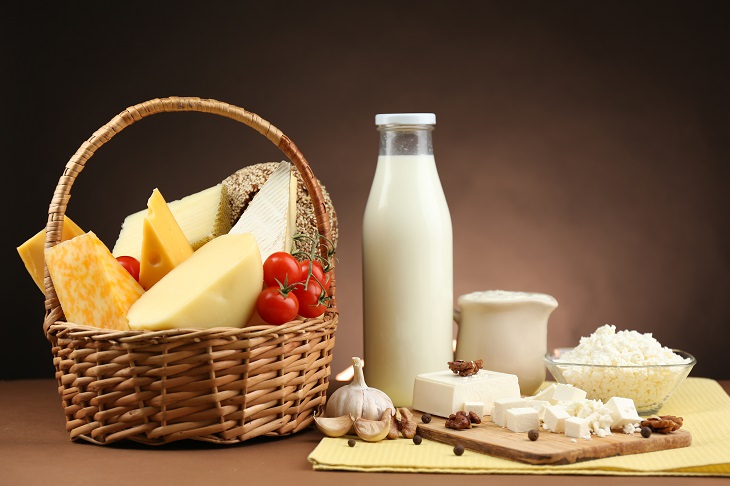
Milk, yogurt and cheese are a good source of calcium and vitamin D -
vital nutrients that are known to increase bone strength. Vitamin D has
also been shown to boost the immune system. Furthermore, this
nutrient is essential for calcium absorption. Leafy green vegetables are
another alternative to dairy products - and are rich in both calcium
and vitamin D.
6. Broccoli
Great for: Osteoarthritis
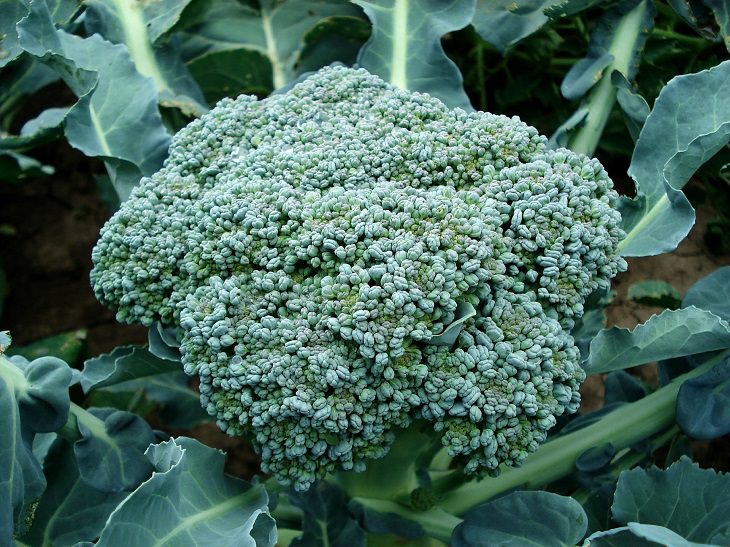
Broccoli is a fantastic source of vitamin K and C. It also contains a
compound called sulforaphane, which has been found to prevent or slow
down the progression of osteoarthritis. Broccoli is also a good source
of calcium, known for its bone-building benefits.
7. Green Tea
Great for: Rheumatoid arthritis and
Osteoarthritis
Packed with polyphenols (micronutrients) and antioxidants, green tea is
believed to reduce inflammation and slow cartilage destruction. Another
antioxidant in green tea, called epigallocatechin-3-gallate (EGCH),
blocks the production of molecules, causing joint damage in people with
rheumatoid arthritis.
8. Citrus
Great for: Rheumatoid arthritis and
Osteoarthritis
Research shows that getting the right amount of vitamins may prevent
inflammatory arthritis and maintain healthy joints with osteoarthritis.
So, stock up on oranges, grapefruit, and limes - all great sources of
vitamin C.
9. Grain
Great for: Rheumatoid arthritis
Opt for whole grains as part of your daily diet as they have been found
to lower levels of C-Reactive Protein (CRP) in the blood. CRP is a
marker of inflammation, which has been associated with heart disease,
diabetes, and rheumatoid arthritis. Opt for foods such as oatmeal, brown
rice, and whole-grain cereals.
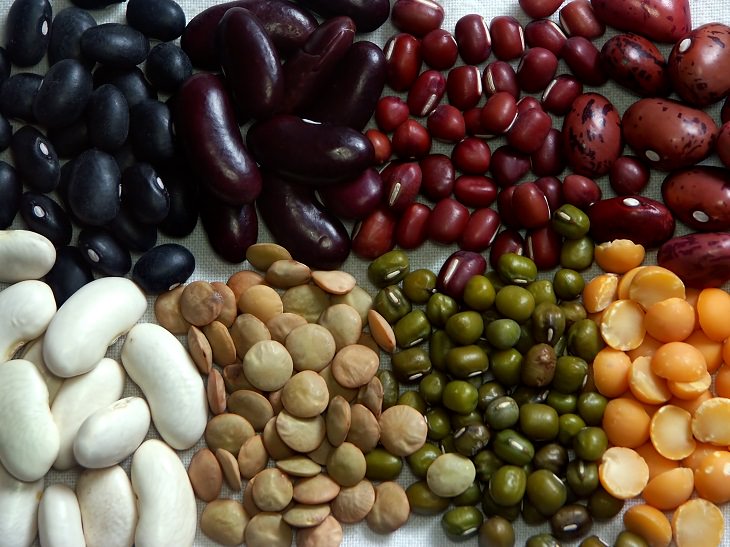
10. Beans
Great for: Rheumatoid arthritis
Packed with fiber, this essential nutrient found in beans helps lower
CPR. Furthermore, beans are an excellent source of protein - important
for muscle health. With such a variety of beans available, some are also
rich in folic acid, magnesium, iron, zinc, and potassium - all of which
are essential for their heart and immune system benefits. Stock up on
red beans, kidney beans and pinto beans in particular.
11. Garlic
Great for: Osteoarthritis
According to a number of studies, consuming foods from the allium family
- such as garlic, onions, and leeks - may reduce effects of early
osteoarthritis. Furthermore, researchers believe that the compound
diallyl disulfide found in garlic may limit cartilage-damaging enzymes
in human cells.
12. Nuts
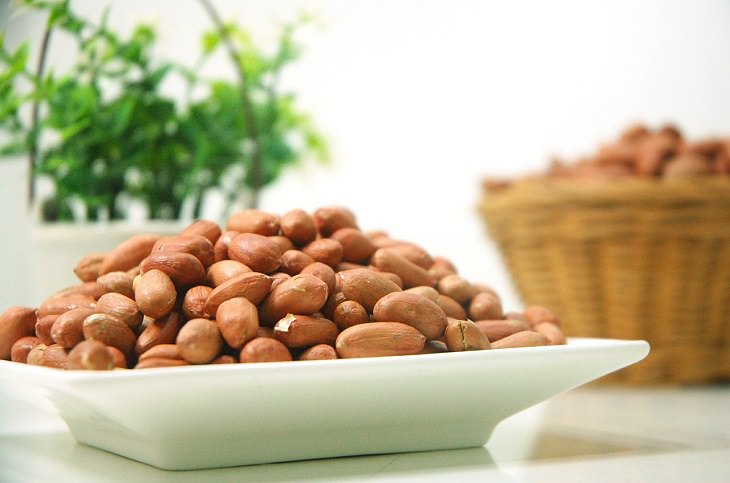
Great for: Osteoarthritis and Rheumatoid
arthritis
Nuts are a great source of protein, calcium, magnesium, zinc, vitamin E
and immune-boosting alpha-linolenic acid (ALA). They are also rich in
protein and fiber and have heart-healthy benefits. To reap the benefits
of vitamin-packed nuts, opt for walnuts, pine nuts, pistachios, and
almonds.