Friday, January 08, 2021

4 Signs That Let You Detect a Fever Without a Thermometer

While using a thermometer is the most definitive way to tell if you have a fever, it’s by far not the only way to know whether or your body temperature has reached alarmingly high levels. In fact, if you don’t have a thermometer on hand, you can still detect a fever by its other symptoms.
Normal Temperature is Relative As a matter of fact, doctors now know that what is considered “normal” body temperature is relative - not only does the body temperature fluctuate throughout the day, but it also changes with age, throughout the menstrual cycle in women, and just from one individual to another
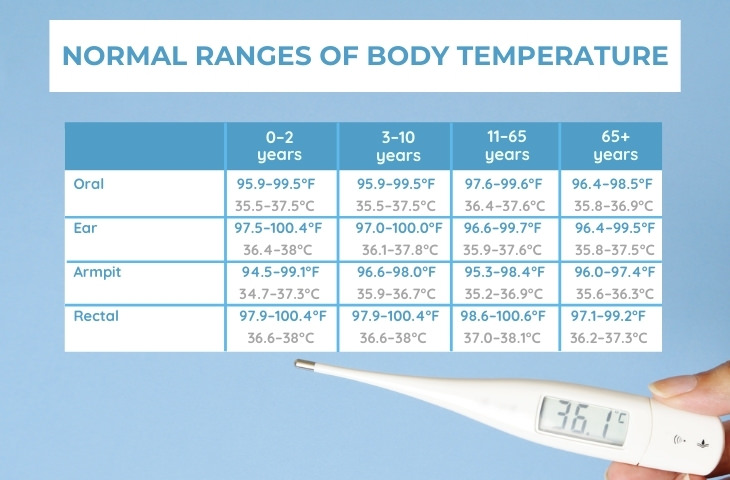
Detect a Fever Without a Thermometer Normal Ranges of Body Temperature
The table above shows the range of what is considered a normal body temperature based on age and how it is measured. If you want to know what the normal body temperature is for you, try creating a body temperature journal by measuring and writing down your body temperature in the morning and evening every day for a few weeks to a month. 
 
What does this relativity of body temperature mean for you? Practically speaking, this means that your normal body temperature may be lower or higher than the “gold standard” temperature of 98.6°F (36.6°C). It also means that it may be difficult for you to detect if you have a low-grade fever based on your body temperature alone. 
 
Being able to detect a persistent low-grade fever, in turn, is quite useful, especially if other symptoms are also present, as it could point to several underdiagnosed health conditions in their early stages, including thyroid issues, autoimmune diseases, tuberculosis, and even cancer. This is exactly why understanding the symptoms of fever and being able to detect it on time is so very important.

What are the symptoms of a fever?  
When you’re not able to take your temperature or suspect that you might have a fever, watch out for any of the following symptoms that often accompany a fever: 
 
Dehydration. Although many people are not aware of this, a fever can be dehydrating for the body, which is, in part, why your doctor will always stress for you to drink plenty of water when you have the flu that’s accompanied by a high fever. So, a dry mouth and thirst may point to a fever.
 
Sometimes, when the dehydration is quite extreme, people may even experience confusion and brain fog when they have a fever. This symptom is closely linked with the next symptom we discuss. 
 
Sweating. You’re likely aware of the phenomenon of night sweats, which people with respiratory infections often experience. Although sweating at night is a hallmark of the flu, bronchitis, and pneumonia, a high fever of any cause may make you sweat excessively. 
 
This is because sweating is the way our body naturally tries to cool down when we’re running a fever, but if you don’t drink enough, it could lead to dehydration. As Dr. Jordana Haber pointed out to the Insider, "With high fevers, we can lose a significant amount of fluid through sweating."
 
Chills. One of the most common symptoms of fever is shivering and chills throughout the body. In fact, for many people, chills are the surest way to determine that they have a fever. Chills are especially common at the onset of a disease when the body is trying to raise its temperature to kill germs.
 
Red cheeks. The flushing of the face and the body, especially the chest area is another common symptom of fever. This process occurs when the blood vessels are dilated in order to increase the blood flow to the various body parts and allow infection-fighting immune cells arrive and kill pathogens more quickly. You might even feel like your cheeks and forehead are burning. 
 
Muscle aches and weakness. Muscle aches that are not caused by physical activity can point to a great many different health conditions, but infections are probably the most common one. Apart from aching muscles and joints, you may also experience weakness and a headache. These pains and soreness are a side effect of the active immune response to a pathogen. 
 
When our body detects a virus, be it the flu or any bacterium, virus, or another pathogen, it starts releasing compounds called cytokines to alert the immune system of the intruders. These inflammatory proteins, though beneficial, also have the side effect of breaking down muscle tissues, which results in muscle aches and fatigue.
 
When to Be Concerned ​
If you’re experiencing any of these symptoms, but cannot measure your temperature accurately using a thermometer, you can still be sure that what you feel is, in fact, a fever. Of course, you can also feel your forehead and see if it’s hot to the touch or ask someone else to do it for you. While it can help further confirm your suspicion, a hot forehead on its own is not a definitive symptom of fever. 
 
Over time, if you pay attention to all of these symptoms, you’ll learn to establish whether or not you have a fever even without a thermometer, it just takes a bit of practice and mindfulness. Though a fever that continues for a day or two, or a fever due to the flu or the cold is no reason for concern, you should be alarmed and seek medical attention if your fever continues for over a week or if it’s higher than 104°F (40°C).

This is only for your information, kindly take the advice of your doctor for medicines, exercises and so on.     

https://gscrochetdesigns.blogspot.com. one can see my crochet creations  
https://gseasyrecipes.blogspot.com. feel free to view for easy, simple and healthy recipes    
https://kneereplacement-stickclub.blogspot.com. for info on knee replacement


Labels: , , , ,

Tuesday, March 31, 2020

Cleanliness Is So Important Right Now—Here's How to Wash Fruits and Vegetables Properly

As the world battles the COVID-19 global pandemic, practicing proper food safety and handling protocol is vital. Though the FDA says that there is no evidence of food or its packaging being associated with transmission of COVID-19, approximately 48 million (one in six) people are sickened by contaminated food each year. Although it's common knowledge that one must thoroughly wash hands and surfaces after handling poultry or meat, most don’t realize that washing produce is equally important to avoid cross-contamination and foodborne illnesses.

Learn how to keep your family safe with these simple steps to ensure your fruits and vegetables are as clean as possible before you consume them during this time of extra caution and cleanliness.


1. Practice the Four Key Steps of Food Safety: Clean, Separate, Cook, and Chill.

You should always practice these four easy food safety steps to ensure your food is as safe for consumption as possible.

    When preparing food, it is extremely important to always wash your hands for 20 seconds with warm water and soap before AND after handling fresh produce.
    Make sure to sanitize your workstation, knives, tools, and cutting board before you begin cooking. Additionally, separate produce, poultry, meat, seafood, and eggs while you cook to avoid cross-contamination.
    In order to kill viruses and bacteria, cook food to the appropriate internal temperature and make sure to keep food out of the temperature danger zone (40° - 140°F) for long periods of time.
    Refrigerate and freeze food properly within two hours to prevent potentially harmful pathogen growth.

2. Inspect Your Produce for Damage.

Inspect your fruits and veggies at the store and purchase items that are not visibly bruised or damaged. If you notice physical dents and dings once home, simply cut away any bruised or torn areas. Additionally, it is important to remove and discard the outermost leaves of a head of lettuce or cabbage to reduce contamination risk. Lastly, make sure to throw away and never consume any produce that looks rotten.


3. Rinse Produce Before You Start Chopping.
Make sure to wash your produce thoroughly under cool running water BEFORE eating or preparing. It is important to rinse before (even if you don’t plan on eating the skin) to avoid transferring dirt or bacteria onto your knife, the flesh of the produce or your work surface. The FDA does not recommend washing your fruits and vegetables with soap, detergent nor commercial produce wash, as it may leave additional residue. However, you may want to use a clean produce brush to scrub firm crops like melons and cucumbers.

4. Follow Marion Nestle's Expert Advice.


Marion Nestle, PhD, MPH, a professor of nutrition, food studies, and public health, emerita, at New York University and author of Food Politics, suggests that to be “100 percent safe while eating fresh produce” during the COVID-19 epidemic, “follow the P rules and only eat foods that are: piping hot, peeled, purified, and packaged.”

This means that you should consume food that is heated at sufficiently hot temperatures to help destroy microorganisms and other viruses, opt for peelable fruits and vegetables (as long as you wash your hands before and after), ensure that your cooked food is not recontaminated and remains purified before consumption, and purchase packaged foods (packed, frozen, or dried) whenever possible to avoid contamination.

“If you have fresh produce, wash it," Nestle warns. "When in doubt, cook it to be on the safe side.” She believes that “washing well in water” is key but urges to err on the side of extreme caution.

5 .Dry Your Produce With Clean Towels.

After washing, avoid recontaminating your food and dry with a clean cloth towel or disposable paper towel to further reduce the risk of bacterial or viral transmission from a dirty surface onto your ready-to-eat fruit or veggie. 


6. Store Your Clean Produce in a Safe Place.

Now that you’ve successfully cleaned your produce, make sure to store or refrigerate pre-cut items at 40°F or below if you’re not going to eat them right away, and same goes for fruits and veggies that require refrigeration (find them here). Lastly, make sure your clean produce is not at risk for recontamination and wash again if you suspect it has been re-exposed to harmful pathogens before eating.


This is only for your information, kindly take the advice of your doctor for medicines, exercises and so on.     

https://gscrochetdesigns.blogspot.com. one can see my crochet creations  
https://gseasyrecipes.blogspot.com. feel free to view for easy, simple and healthy recipes    
https://kneereplacement-stickclub.blogspot.com. for info on knee replacement

Labels: , , , , , , , , , , , , ,