Does Eating Curd During Monsoon Cause Cold? Here's The Truth
For generations, Indian families have ended meals with a bowl of curd or a glass of buttermilk. According to gastroenterologists, this age-old habit isn't just tradition—it supports gut health and overall well-being.
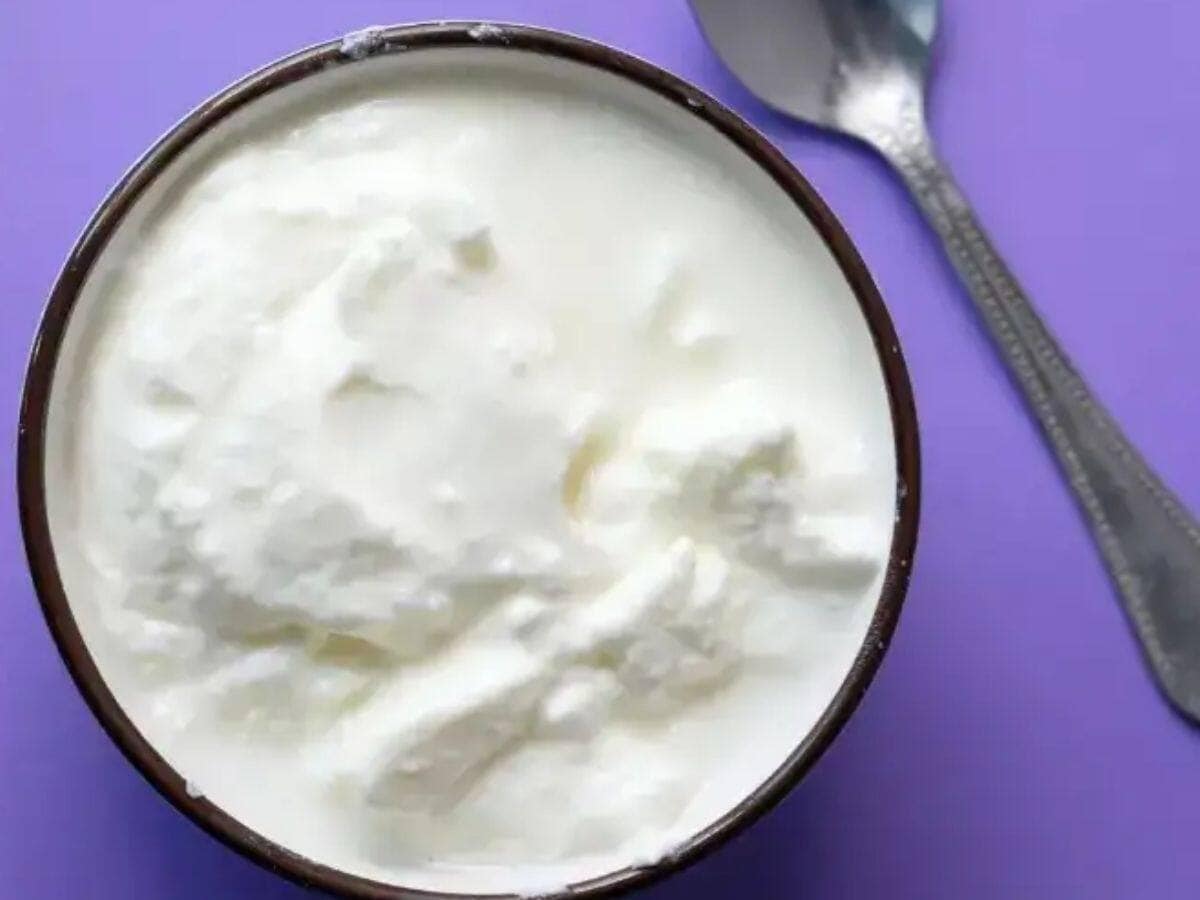
Curd and buttermilk are natural sources of probiotics—beneficial bacteria that help maintain a healthy gut microbiome. A balanced gut supports digestion and helps keep harmful bacteria in check.
A healthy gut doesn't just digest food efficiently—it also helps your body absorb nutrients better. Regular consumption of fresh curd or buttermilk may help ease common digestive issues such as bloating, gas, acidity, and constipation.
Your Gut Plays A Big Role In Immunity: Experts say a significant portion of the body's immune system is linked to gut health. Supporting your gut with probiotic-rich foods like curd may help strengthen your body's natural defence against seasonal infections.
Does Curd Cause A Cold? Many people avoid curd during the monsoon or when they have a sore throat, believing it causes colds. According to gastroenterologists, there is no evidence that fresh curd causes a common cold. The cold is caused by viruses—not by eating curd.
When Can Curd Cause Discomfort? Some people may experience throat irritation after eating very cold or stale curd, especially if they are already sensitive. Fresh curd served at a moderate temperature is generally well tolerated by most healthy individuals.
A Simple Daily Habit For Better Health: Include one bowl of fresh curd or a glass of thin buttermilk with lunch. You can flavour buttermilk with coriander leaves and a pinch of black pepper for extra taste while keeping it light and refreshing.
Fresh curd and buttermilk provide protein, calcium, and probiotics that support digestive and overall health. Unless advised otherwise by your doctor or you have a dairy intolerance, there's no need to skip fresh curd because of the myth that it causes a cold.