Monday, August 15, 2022

The Hidden Physical & Mental Health Benefits of Silence

Silence is golden, they say, and for good reason. Noise pollution impacts millions of people every day. Exposure to loud noise can also cause stress, anxiety, depression, high blood pressure, heart disease, and many other health problems, says the CDC. Therefore, in an ever-noisy world full of distractions and background noise, saying nothing and spending some quiet time with oneself can be a welcome relief.

silence
But silence has many more health benefits than you perhaps realize. Science says that time spent in silence can bring various mental and physical health benefits. Our lives are so busy that we don’t often get to find moments of silence, but when you discover its great benefits, you will start looking for reasons to get quiet.

1. Stimulates brain growth  
Research suggests that quieting the mind can help stimulate brain growth. A 2013 animal study in mice found that 2 hours of silence each day helped develop new cells in the hippocampus, the region of the brain associated with memory, emotions, and the ability to learn. This is intriguing and requires further research to understand if humans will experience the same effects. 
 
2. Relieves stress

stress
We all feel stressed from time to time, but sometimes, stress can be so acute that we are left overwhelmed with racing thoughts. Practicing silence might help. A 2006 study found that 2 minutes of silence can be more calming than listening to relaxing music. The authors say that changes in blood pressure and blood circulation to the brain are the reasons for this. 
 
Some psychologists note that, when we allow ourselves to be in silence, our brains are given the time to hit the reset button and refresh. This eventually reduces stress and anxiety symptoms. 
 
Another recent study found that participants who performed their task with noise in the background had higher levels of the stress hormone cortisol. Excess release of cortisol can lead to weight gain, sleeping difficulties, and a feeling of being overwhelmed.
 
3. Can improve concentration
concentration
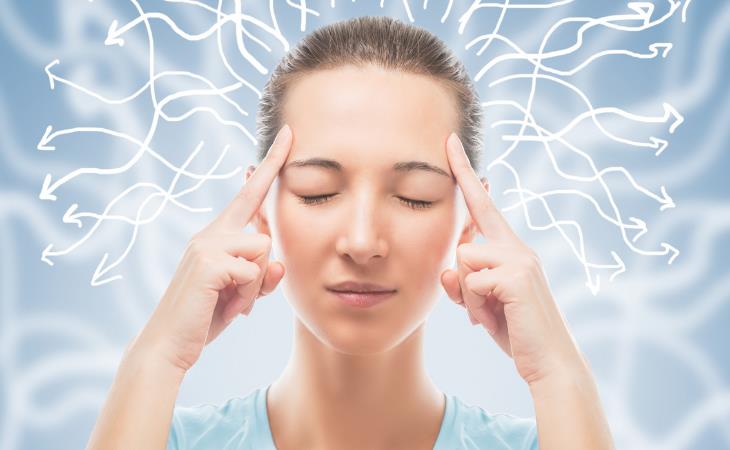
Doing any task that requires concentration isn’t possible with loud blaring noise in the background. Research says that silence, on the other hand, helps us focus and improves our concentration. When our brain is free from noises, it can concentrate better on the task at hand. 
 
A recent study in 2021 observed 59 participants performing tasks that required concentration with silence, speech, or other noise in the background. The results showed that the participants who worked in silence experienced the lowest stress levels and minimum cognitive load (the amount of information that working memory can hold at a time). 
 
Psychologists explain that fully focusing on one thing at a time can help promote calmness amidst activity.  
 
4. Boosts creativity

creativity
“Creativity is an enormous benefit of silence and stillness,” says author Maggie Dent in her book, Saving Our Children From Our Chaotic World: Teaching Children the Magic of Silence and Stillness. Science agrees. 
 
Clearing the head from unwanted thoughts and focusing on silence can help boost creativity. While research on this subject is limited, many experts have claimed that mental downtime can lead to better creativity. Studies show that taking breaks can improve your mood and boost your performance. Experts feel that this is because learning to digest our thoughts and quiet the mind can make room for inspired action and spark creativity.  
 
5. Can help lower blood pressure
High blood pressure is often referred to as a “silent killer” because it may show no symptoms. The World Health Organization says that hypertension is a major cause of premature death worldwide and that the number of adults with hypertension increased from 594 million in 1975 to 1.13 billion in 2015. 
 
While there are many lifestyle changes you can make to keep your blood pressure in check, experts say that silence could also help reduce blood pressure. The same study that showed the effects of silence on stress also found that 2 minutes of silence after listening to music significantly lowered participants’ heart rate and blood pressure. The study further states that silence resulted in a greater decrease in heart rate and blood pressure than even slow, relaxing music. 
 
Further, a 2003 study discovered that a chronically noisy environment increases heart rate and blood pressure. 
 
While more research is needed to determine how silence helps lower blood pressure, these findings are encouraging.

Ways to get more silence in your life solitude

While it’s impossible to escape the sounds and background noises that constantly surround us, we can find ways to get more silence in our lives. 
 
1. Walk solo in nature a few times every week. 
 
2. Meditate for at least 10 minutes daily. This will allow you to simply sit with your thoughts for a few moments. 
 
3. Take mini-breaks from your task every day. Just close your eyes for those few minutes and let go of your worries. 
 
 4. Start your day before the rest of the family members in the house. Sit in silence and savor it. Drink a cup of coffee or read a book. Those extra few minutes of silence as you wake up in the morning will help you embrace the benefits of silence. 
 
5. Try to go digital-free on the weekends and your days off and spend time with yourself. It might be a little difficult at first, but over time, you will savor those moments free of distractions.

This is only for your information, kindly take the advice of your doctor for medicines, exercises and so on.   

https://gscrochetdesigns.blogspot.com. one can see my crochet creations  
https://gseasyrecipes.blogspot.com. feel free to view for easy, simple and healthy recipes    
https://kneereplacement-stickclub.blogspot.com. for info on knee replacement

Labels: , , , , , , , , , ,

Thursday, June 10, 2021

Why You Should Take More Time Off from Work

Americans generally believe that they need to “deserve” their vacations—that they should work hard, even push themselves, before they actually take a break. 

Consider these statistics:  

·         There may be cultural reasons for this phenomenon. Countries most influenced by the Protestant work ethic, like the United States, place a lot of value on industriousness and proving oneself—as opposed to countries influenced by Catholicism, which is a salvation-based religion. In Catholic-influenced France, for example, 90 percent of people take all of their vacation days (despite having more than twice as many—30!—as most Americans).

·         Ironically, while Americans may pride themselves on their hard work and dedication, research suggests that we will actually work harder, perform better, and have greater health, stamina, and enthusiasm for our work if we take time off. 

·         Three ways vacation is good for you

·         Research suggests that leisure is an important predictor of our well-being and satisfaction with life, including our health, work engagement, creativity, and even marital satisfaction.

·         1. Vacation is relaxing. We often take vacations in order to relax, but do they actually work? Scientists out of the University of California, San Francisco, examined this question with a rigorous study: They looked at the impact of a resort vacation and a meditation retreat on biological measures of stress and immune function. The data showed that a resort vacation not only makes us feel more energetic and less stressed than we were before we took the vacation, it also leads to a strong and immediate impact on molecular networks associated with stress and immune function. Participants who attended the meditation retreat also showed a boost in antiviral activity.

·         So pick your favorite leisure activity: surfing in the sun and hanging under the cabana, or sitting on a zafu and taking yoga. 

·         2. Breaks make you more productive. Another personal and professional advantage of taking vacations is the ability to detach from work.

·         Sabine Sonnentag, professor of organizational psychology at the University of Mannheim in Germany, finds that the inability to detach from work comes with symptoms of burnout, which of course impact well-being and productivity. However, disengaging from work when you are not at work, she finds, makes us more resilient in the face of stress and more productive and engaged at work. Even a short weekend getaway can provide significant work-stress recovery, while longer trips away provide even more relief.

·         After a vacation, 64 percent of people say that they are ”refreshed and excited to get back to my job.” It’s a win-win both for employees and organizations alike, especially given the fact that unused vacation costs U.S. business $224 billion per year.  

·         3. A change of pace boosts creativity. Another professional advantage from taking time off is a boost in creativity. Across countries and industries, CEOs rate creativity as the #1 most important trait for all incoming employees. Yet researcher Kyung Hee Kim, author of The Creativity Challenge, has shown that we are facing a dramatic “creativity crisis,” with creativity scores dropping significantly in younger generations. Here again, more vacations and leisure may help. 

·         Many workers tend to specialize in their own field, and fail to explore new areas or diversify their interests. Yet research shows that being exposed to new and different experiences actually boosts your creativity. For example, one study showed that hiking in nature disconnected from all devices for four days—a very unusual experience in our day and age—led to a 50 percent spike in creativity. 

·         Brain imaging studies show that doing nothing, being idle, daydreaming, and relaxing create alpha waves in the brain that are key to creative insights and innovative breakthroughs. And research by Dr. Barbara Fredrickson has shown that positive emotions—the kind we feel on a relaxing, playful vacation—make us more inventive and able to think outside the box.

·         How to make the most of your vacation

·         When planning your time off, keep in mind that all leisure activities are not created equal. A German study comparing different leisure activities showed that while spending time with friends, doing sports, and vacationing boost your well-being substantially, other leisure activities including Internet browsing and TV watching do not; in fact, they lead to lower satisfaction with life. That means that your couch isn’t necessarily the best vacation destination.

·         Depending on your age and gender, research by Iva Sverko and colleagues has shown, different leisure activities may lead to greater well-being—but for people of all ages, leisure activities like visiting friends and family and going to church are positively linked to well-being. Later in life, for example, social activities seem to be particularly important. This finding makes sense since a large and growing body of research shows that the degree to which we are socially connected across our lifespan significantly improves our physical and psychological health, and even our longevity.

·         When should you schedule your time away from work? Some of us are so good at delayed gratification that we’re constantly putting off our vacations, thinking we’ll enjoy our “well-deserved” leisure more later—after we write that report, finish that big project, or get a promotion. But this is not necessarily true: A new study shows that fun times are fun times no matter what, and we enjoy them just as much whether they come before or after hard work. Also, the professional and personal benefits that we get from leisure time may help us succeed at our work goals. 

·         So plan your vacation now. Better yet, don’t get caught up in too much planning. Another recent study suggests that spontaneous leisure activities are more rewarding than planned ones. So let your hair down, play hooky, and let loose once in a while. There’s still some summer left, so enjoy!

This is only for your information, kindly take the advice of your doctor for medicines, exercises and so on.   

https://gscrochetdesigns.blogspot.com. one can see my crochet creations  
https://gseasyrecipes.blogspot.com. feel free to view for easy, simple and healthy recipes    
https://kneereplacement-stickclub.blogspot.com. for info on knee replacement


Labels: , , , , , ,