Tuesday, September 30, 2025

Are Almonds Always Good For You? What You Must Know Before Eating Them Daily!
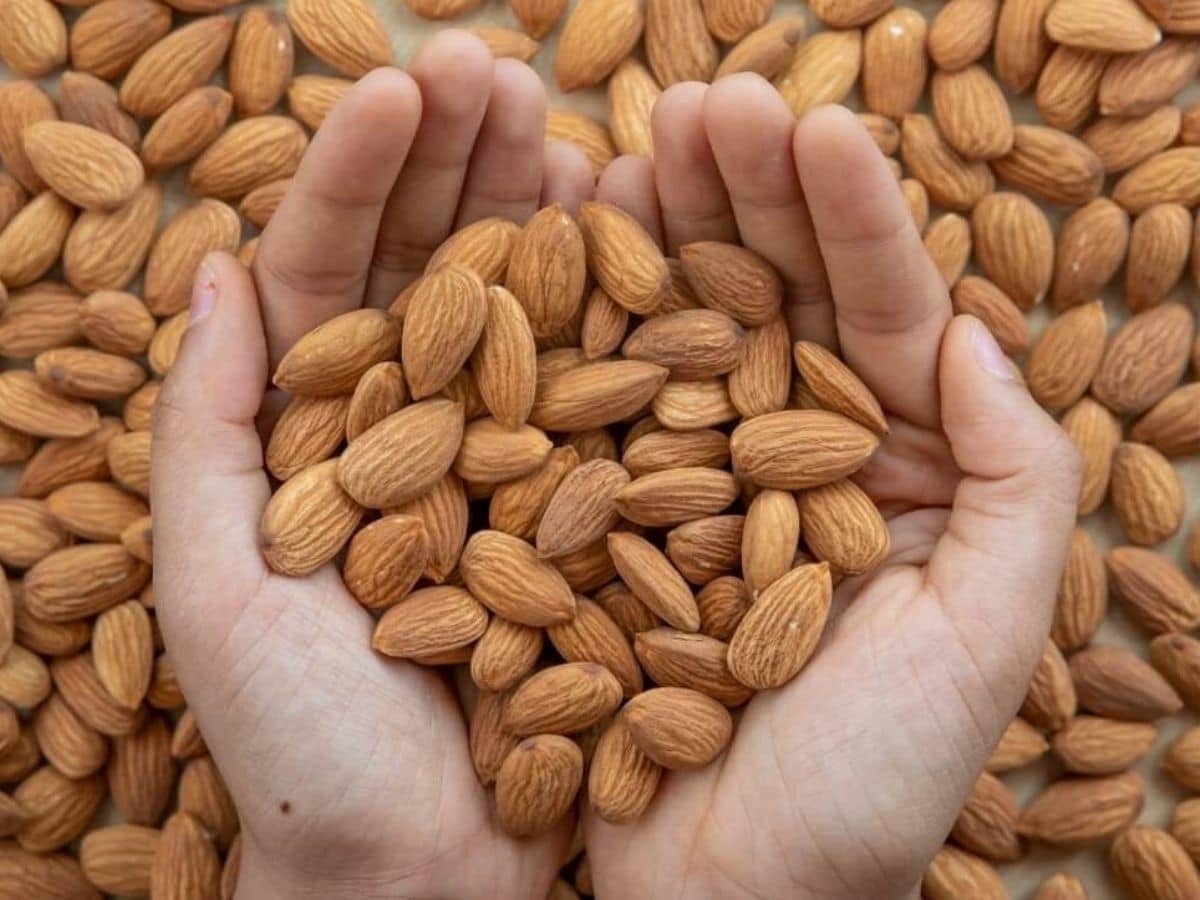
  

Almonds are packed with essential nutrients and are an excellent choice for maintaining a healthy lifestyle. Rich in beneficial elements, almonds offer a wide range of health benefits when incorporated into your daily diet.

Per 100 grams, almonds provide a wealth of essential nutrients, including approximately 258 mg of magnesium, 503 mg of phosphorus, 57 mcg of biotin, 254 mg of calcium, 21.4 g of protein, 600 calories, 10.8 g of fibre, 51.1 g of fat, and 0.91 mg of copper. Including a small handful of almonds in your daily diet can significantly support your overall health, offering numerous benefits without any adverse effects. 

Skin Health: Almonds are a natural skin booster, thanks to their healthy fats and high vitamin E content. Vitamin E helps reduce wrinkles and pigmentation while acting as an antioxidant that promotes smooth, glowing skin. The additional nutrients in almonds also support skin elasticity and repair.
 
Heart Health: Almonds are often referred to as a 'heart-healthy' snack. Research suggests that regular consumption may increase good cholesterol (HDL), reduce abdominal fat, and help lower overall waist circumference, factors that are beneficial for heart health. 
 
A handful of almonds a day, as part of a balanced diet, can go a long way in maintaining cardiovascular wellness.
 
Blood Sugar Control: With the growing number of diabetes cases, particularly type 2 diabetes, almonds can be a smart dietary addition. Rich in protein and fibre, they help regulate blood sugar levels and reduce the glycaemic impact of carbohydrate-rich foods. 
 
Studies indicate that daily almond consumption not only supports better glucose management but may also prevent complications associated with diabetes.
 
Weight Management: If you’re trying to lose weight, almonds make for an ideal snack. They help curb hunger, keep you full for longer, and regulate appetite due to their high protein, fibre, and healthy fat content. The fibre slows digestion, while protein and fat contribute to satiety and balanced hunger hormones, helping prevent overeating. 
 
Blood Pressure Regulation: Almonds are a good source of magnesium, a mineral that plays a crucial role in controlling blood pressure. Magnesium deficiency is linked to elevated blood pressure levels, so including almonds in your diet may help support healthy circulation. 
The plant-based protein and fibre content in almonds also promote heart-healthy blood pressure levels. 


This is only for your information, kindly take the advice of your doctor for medicines, exercises and so on.   


This is only for your information, kindly take the advice of your doctor for medicines, exercises and so on.   

Blood Pressure Regulation: Almonds are a good source of magnesium, a mineral that plays a crucial role in controlling blood pressure. Magnesium deficiency is linked to elevated blood pressure levels, so including almonds in your diet may help support healthy circulation.Heart Health: Almonds are often referred to as a 'heart-healthy' snack. Research suggests that regular consumption may increase good cholesterol (HDL), reduce abdominal fat, and help lower overall waist circumference, factors that are beneficial for heart health.Heart Health: Almonds are often referred to as a 'heart-healthy' snack. Research suggests that regular consumption may increase good cholesterol (HDL), reduce abdominal fat, and help lower overall waist circumference, factors that are beneficial for heart health.

This is only for your information, kindly take the advice of your doctor for medicines, exercises and so on.   

Labels: , , , , , , , , , ,

Tuesday, March 18, 2025

Foods to nourish weak nails and hair

Our bodies need various nutrients, vitamins and minerals to function properly. Biotin, which is a B vitamin, plays a vital role in cellular respiration, and the body can actually suffer damage if it doesn't get enough of it. Biotin is essential for maintaining healthy hair and nails, and it's important that adults get their recommended daily intake of 30 mcg per day to keep them looking their best. The following foods are rich in biotin:
1. Almonds 
A quarter-cup of almonds has 15 mcg of biotin, which is half the recommended daily amount, so adding them to your breakfast or eating them as an afternoon healthy snack will mean that you're halfway there!
 
2. Sweet potatoes  
This wonderful vegetable can serve as a base for various soups and dishes. It's also increasingly being used as a low-fat replacement for traditional potato fries. In addition, one cup of sweet potato contains about 8 mcg of biotin, which is about one-third of the recommended daily intake of this vitamin. Sweet potatoes also contain significant amounts of vitamin C, copper and fiber, which enhance the strength of hair and nails.
 
3. Oats 
Oatmeal can be consumed in a range of different ways, such soaked or cooked fresh in the morning, or preparing homemade energy bars. In addition to tasting wonderful, oatmeal also contains quite a bit of biotin. A quarter of an ounce contains some 8 grams of it - about 25% of the recommended daily intake. If you don't eat oatmeal regularly, then you should definitely consider adding it to your diet.


4. Eggs 
Eggs are a favorite ingredient for breakfast and lunch around the world, and are an excellent source of biotin. Just ensure that you cook egg whites through properly, as this helps biotin absorption in the body.This One cooked egg will supply you with 25 mcg of biotin, which will definitely give you strong, long and healthy nails.

5. Onions 
One cup of freshly-chopped onions contains 8 mcg of biotin, so you could easily contribute to your recommended daily biotin intake just by adding onions to your evening meal. 


6. Tomatoes 
 biotin
 There is nothing like the taste of fresh tomatoes in a salad, or the aroma they add to sauces and a wide variety of different and loved dishes. In addition to their unique look and wonderful taste, tomatoes can provide you with a good amount of biotin, with one cup containing 24% of the recommended daily intake, regardless of whether you consume them raw or cooked.


7. Peanuts  
biotin 
If you enjoy snacking on peanuts, you'll be pleased to know that a quarter-cup of them contains 6.4 mcg of biotin. 
 
Peanuts can be added to a variety of foods from salads to desserts. It can also be spread on bread. Try using a natural peanut butter spread if you want to eat peanuts in this manner because it will be free from additives and sugar. It will also provide you with a more concentrated form of biotin.


8. Carrots 
 Carrots, beyond being healthy for our skin, also have an amazing effect on our hair and nails. The beta-carotene in the carrots is responsible for improving and restoring the skin and hair. One cup of the popular orange vegetable contains 6 mcg of biotin - some 20% of the recommended daily intake - so try and incorporate a few carrots into your diet where you can.

9. Spinach 
 Spinach has become one of the most popular leafy vegetables in recent years, especially after people have discovered its many health benefits. One serving (about 30 grams) of frozen spinach leaves contains 7 mcg of biotin. Add spinach to your daily diet by making pies, salads and healthy shakes. Go on - your hair and nails will thank you.


10. Halibut 
White halibut, which can be purchased frozen or fresh, is one of the best sources of biotin, regardless of how you cook it. A serving of 30-50 grams of halibut (depending on the quality of the fish) contains an impressive 10.2 mcg of biotin, which means that a 100g serving of halibut will provide you with the recommended daily intake of biotin, as well as a hefty amount of Omega-3 fatty acids and magnesium. These ingredients further serve to strengthen your hair and nails, ensuring that they remain healthy regardless of your age.


11. Avocado 
The avocado fruit, which many refer to as a vegetable, is often enjoyed in sandwiches and salads. In addition to tasting great, a medium-sized avocado contains up to 6 mcg of biotin. Thanks to the biotin content of avocado, you can strengthen your hair and nails naturally and enjoy a variety of health benefits, such as improved skin appearance and better digestion.


This is only for your information, kindly take the advice of your doctor for medicines, exercises and so on.   


Labels: , , , , , , , , , , ,

Saturday, January 02, 2021

Find out How Eating Peanuts is Beneficial for Your Health

Peanuts (Arachis hypogaea) are a deliciously crunchy and nutty snack that you can have at any time of the year. This legume, which originated in South America, is known by a variety of names such as groundnuts, earthnuts, and goobers. Not many realize that peanuts have great nutritional benefits. They have an abundance of protein, healthy fats, and are low in carbohydrates. Furthermore, peanuts are rich in energy (567 calories per 100 g) and have plenty of nutrients, minerals, antioxidants, and vitamins. Studies have also shown that peanuts may even be beneficial for weight loss and are associated with a reduced risk of heart disease. This makes them an important part of any healthy diet.
Today, we will learn about some of the lesser-known but significant health benefits of peanuts. You will get to know how making them a part of your regular diet is essential for optimal health.
 
1. Peanuts are a great source of biotin (vitamin H)
Health Benefits of Peanuts, biotin
Peanuts are one of the richest dietary sources of biotin, also called vitamin H, vitamin B7, or vitamin B8. Biotin is water-soluble, just like the other B vitamins, and dissolves easily upon entering the body. Biotin is involved with plenty of enzymatic reactions in the body and is especially important during pregnancy as even mild biotin deficiency can increase the risk of congenital birth defects.

Research also suggests that biotin can be useful for the treatment of multiple sclerosis, diabetes, and some brain conditions. Health experts recommend that adults should get at least 30 micrograms of biotin per day. Having a quarter-cup serving of peanuts will give you more than 26 micrograms of biotin per day. 
 
2. Peanut consumption may cut the risk of gallstones
Gallstones, also called cholelithiasis, are hardened deposits of digestive fluid that can form in your gallbladder. They generally don’t require treatment but can cause a lot of pain in the upper right portion of your abdomen if they increase in number. Overweight individuals, people over the age of 40, and those with a diet high in calories and refined carbohydrates are at higher risk of gallstones. Studies have shown that peanut consumption may cut the risk of gallstones in both men and women. 
 
Peanuts have a cholesterol-lowering effect and since most gallstones are largely composed of cholesterol, having peanuts regularly can help lower the risk of getting them. Another study found that eating peanuts lowered the risk of gallstones by 25%. While it isn’t clear exactly what nutrients in peanuts help protect your gallbladder, it is suggested that eating one serving of peanuts per day is linked with reduced risk of gallstone formation.
 
3. Peanuts can improve heart health
Studies have indicated that eating peanuts, along with other types of nuts can help improve your heart’s health. Peanuts contain several heart-healthy nutrients such as magnesium, niacin, copper, oleic acid, and multiple antioxidants, such as resveratrol. All these nutrients are good for the heart. Resveratrol, in fact, has been found to have a protective function against heart disease. 
 
Another study, led by Marta Guasch-Ferré, Ph.D., a research fellow in the Department of Nutrition at Harvard T.H. Chan School of Public Health in Boston, MA, found that eating peanuts at least twice each week was associated with a 13 percent lower risk of cardiovascular disease. Peanut consumption was also linked with a 15 percent reduction in coronary heart disease risk. 
 
“In three large prospective cohort studies,” the study authors conclude, “higher consumption of total and specific types of nuts was inversely associated with total cardiovascular disease and coronary heart disease.” 
 
Yet another large observational study, conducted by researchers at Vanderbilt University in Nashville, Tennessee, the Shanghai Cancer Institute in China, and the Harvard School of Public Health, found that consumption of peanuts "may be considered a cost-effective measure to improve cardiovascular health". The study, which was carried out over five years and included more than 200,000 participants, observed that these nuts are incredibly heart-healthy and can allow people to live longer and more productive lives.

4. Peanuts contain monounsaturated fats, the good kind of fats
Peanuts often get a raw deal and are considered unhealthy because of their high-fat content. However, do you know that peanuts also have high monounsaturated fat content? This is a good kind of fat that helps lower bad cholesterol and increases good cholesterol. Also, the high content of protein and monounsaturated fat in peanuts may increase calorie burning. 
 
Monounsaturated fats have also been associated with lower cardiovascular risk. Once you start getting regular lots of monounsaturated fats in your diet, your arteries are likely to get clearer and your blood will flow well which will eventually lower your risk of heart attack or stroke. Research has also shown that replacing saturated fats with unsaturated fats in the diet reduces the risk of developing heart disease. The monounsaturated fats found in peanuts, in fact, can be a good and important part of a healthy diet particularly when they replace saturated fat.

5. They are diabetic friendly
Health Benefits of Peanuts, diabetes
Peanuts aren’t just useful for their nutritional content. They can also be a good snack for people with diabetes as they have a low impact on blood sugar levels. Furthermore, according to a study from the Journal of the American Medical Association, eating peanuts or peanut butter may lower the risk of developing type 2 diabetes. This is because these nuts are high in unsaturated fat and other nutrients that help your body manage insulin. 
 
Also, peanuts contain manganese, a mineral that plays a crucial part in metabolizing fat and carbohydrate, calcium absorption, and blood sugar regulation. They are known to have a low glycemic index which makes it the perfect snack for diabetics.

This is only for your information, kindly take the advice of your doctor for medicines, exercises and so on.     

https://gscrochetdesigns.blogspot.com. one can see my crochet creations  
https://gseasyrecipes.blogspot.com. feel free to view for easy, simple and healthy recipes    
https://kneereplacement-stickclub.blogspot.com. for info on knee replacement

Labels: , , , , , , , , , , , , ,