Stretches That Help Maintain Your Hips
As we get older, many of us experience pain
and stiffness in our hips. This is not surprising, given that the hips
are two of the hardest-working joints in the body and many common, daily
activities take their toll on them. Sitting in the same position for
prolonged periods, twisting, turning and walking all have an impact over
the years, and if your hips begin to suffer, it can also cause a pain
'chain reaction' which can affect your knees, back and thigh muscles.
Luckily, there are a number of simple, everyday stretches that can help
you maintain supple, pain-free hips.
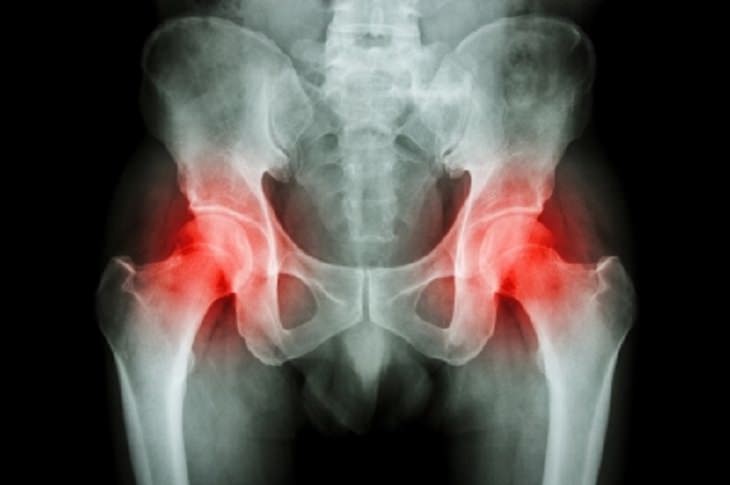
Why Do Hip Stretches?
The hip is a ball and socket joint designed to naturally facilitate a
large range of motion. It is home to some of the largest muscles in the
body, as well as some of the smallest, with each muscle having a
specific function designed to allow the hip to flex, rotate and extend
as required.
Around 15 degrees of extension are required
in order to allow us to walk normally. However, modern life often
requires us to sit in the same position for prolonged periods of time -
be it at work, home, or even in the car. Over time, this can cause the
flexor and rotator muscles to tighten, and weaken the gluteal muscles
responsible for extension. This degeneration will impair the mobility of
the hips and negatively impact posture, while the back will frequently
need to compensate for the lost movement, which can lead to back pain as
well.
The Significance of Tight Hips as We Get Older
Gait analysis studies have shown that our
stride becomes shorter as we get older. Shortened step length can be
both a cause and symptom of impaired hip rotation. Tight hip flexors
will cause us to walk with a reduced stride, while over time, the
tendency to walk with shorter steps will lead to tightness in the
muscles and impaired balance. Hip stretches can be a great preventative
strategy to help maintain posture and prevent falls as we grow older.
As you age, other factors might lead you to become less mobile as well.
The only activities that fully extend the hips are walking and running.
It is important that we try to keep ourselves active for as long as
possible, but if other issues have caused you to walk less than you once
did, then hip stretches can compensate for the reduced extension of the
pelvic muscles, and maintain the nimbleness of your hips.
Hip Stretches You Can Perform At Home
The following stretches are all designed to be performed at home, by
people of any age. However, if you have chronic hip pain, long term back
pain or arthritis, please consult your Doctor or Physical Therapist
before committing yourself to any exercise plan.
1. Hip Extensor Stretches
The hip extensors are comprised of the hamstrings (the long muscles at
the back of the upper leg) and gluteus maximus (otherwise known as your
backside!), and together they facilitate mobility when you walk or run.
We don't need to stretch the gluteus maximus too often as it naturally
exists in an extended state when we are seated. However, the hamstrings
contract when we sit down and can often become tight. Here are two easy
hamstring stretches you can do at home:
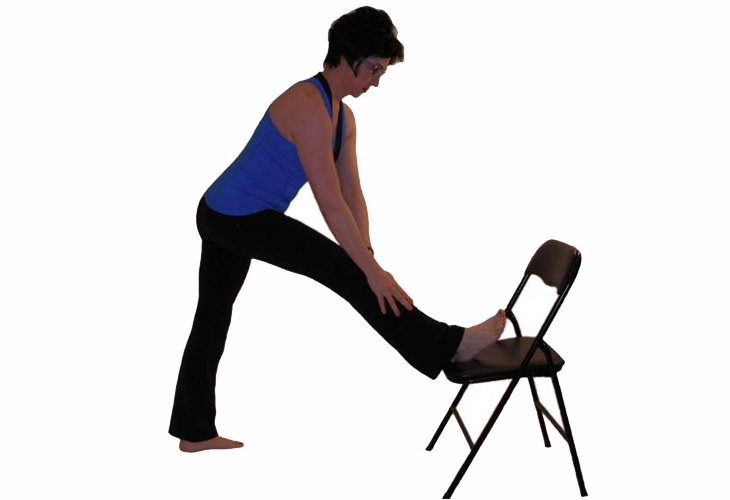
The Standing Hamstring Stretch
This stretch is proven to help hamstring
flexibility, but is most effective if you are able to maintain a
straight back while performing it:
1. Place a low chair or table in front of you and gently raise your leg
on to it, while keeping your chest and back straight.
2. Bend forward at your hips (not your back) until you feel the muscle
at the back of your thigh stretch.
3. Try and hold the position for as long as it is comfortable, 30
seconds is a reasonable guideline.
The Hamstring Stretch In a Doorway
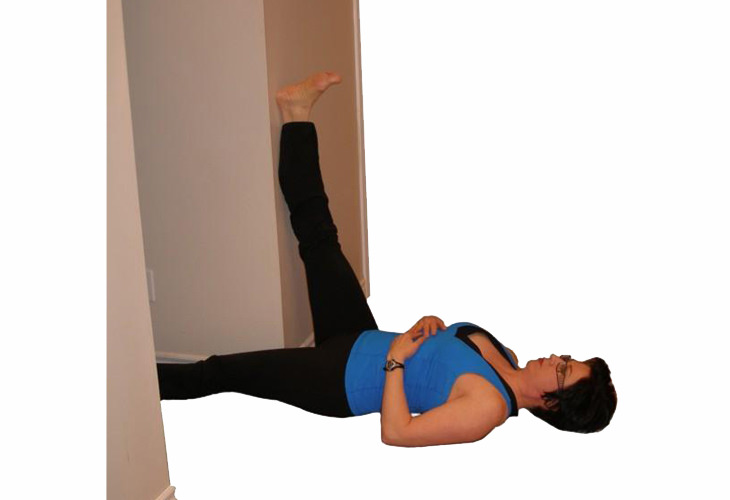
1. Lie on the floor near an open doorway.
Raise one leg so it rests against an adjacent wall, while lying the
other flat against the floor and through the open doorway.
2. Gently pull yourself closer to the wall so that you feel a stretch at
the back of your extended thigh.
3. Try and hold the position for as long as you comfortably can - again,
30 seconds is a reasonable guideline.
2. Hip Flexor Stretch
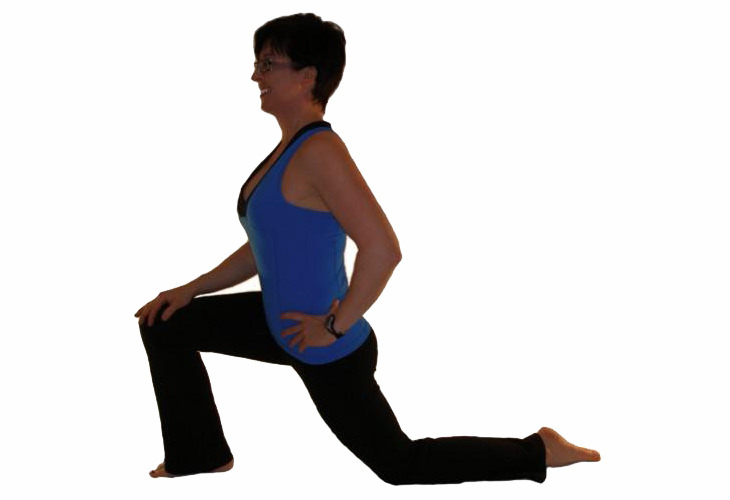
The hip flexors connect the hip, pelvis and
abdomen and are responsible for flexing, as the name suggests. They are
among the most powerful muscles in the body. Here's how you can help
keep them supple:
1. To stretch the left hip's flexor muscles, kneel on your left knee and
extend your right foot out in front of you so that it creates a
90-degree angle. You can put a cushion or something similar under the
knee if you find it uncomfortable.
2. Rest your left hand on your left hip and push the left hip forward so
that it moves ahead of your left knee, while leaving your right knee
where it is.
3. Keep your chest extended and ensure that your hips remain straight -
do not bend forward.
4. Swap knees and repeat the exercise for your right side flexors.
3. Hip Rotator Stretches
The internal and external hip rotator muscles are responsible for the
twisting, turning and spinning motions of your lower body. We use these
muscles countless times everyday, for a wide range of activities. These
exercises can help keep them in good working order:
Internal Rotator Stretches
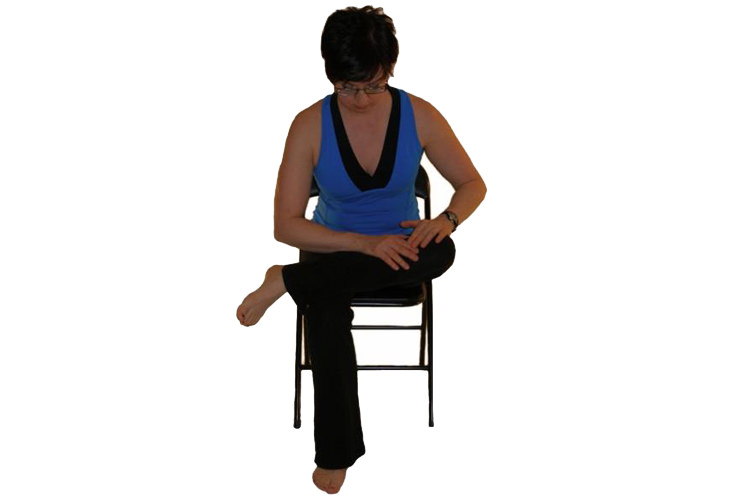
1. Stretch your left side by sitting
crossed-legged on a supportive chair with your left leg placed across
your right leg. Your left ankle should sit on your right thigh.
2. Use your left hand to apply gentle pressure to your left thigh until
you feel resistance.
3. Breathe out while tilting gently forward at the hips, keeping your
back and chest straightened. It is important that you don't adopt a
'hunched' position.
4. Hold the position for 30 seconds, or however long is feasible for
you. Switch legs and repeat the exercise.
External Rotator Stretches
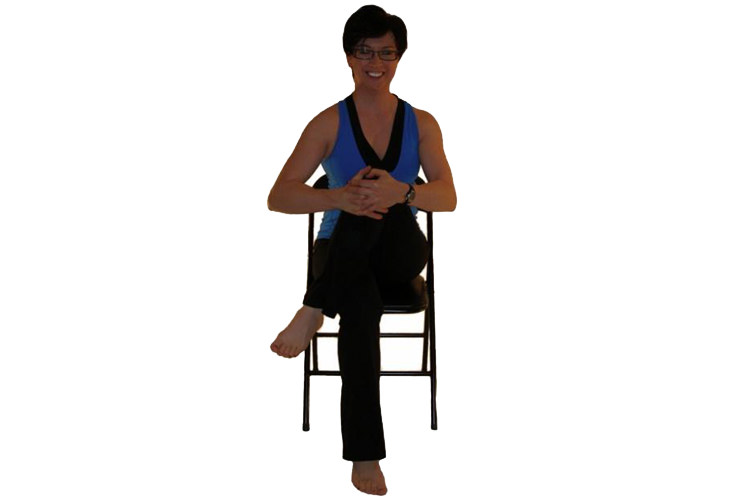
1. Work your left external rotators by
again sitting on the chair, and crossing your left leg across your right
thigh so your left ankle is resting upon it.
2. Take hold of your left knee with both hands and slowly press it up
towards your left shoulder.
3. Press until you feel resistance; don't go beyond this position as you
may feel pain.
4. Hold the position for 30 seconds, or however long is comfortable for
you. Switch legs and repeat the exercise.
4. Hip Abductor Stretches
The hip abductor muscles sit on the inside of your thighs. The long
abductors cross both the hip and knee joint, while the short abductors
cross only the hip joint. Here are some stretches that can help keep
both types of abductor muscle supple:
Short Abductor Stretches
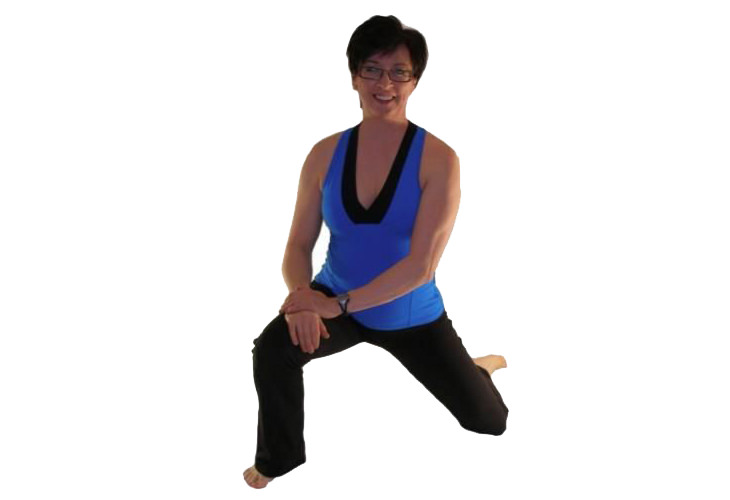
1. Kneel onto your left knee and extend your right knee out in front of you at a 90 degree angle.
2. Breathe in deeply, then slide your right knee out to the side and back.
3. Exhale and raise your chest.
4. Swap legs and repeat the exercise for the other hip.
Long Abductor Sitting Stretches
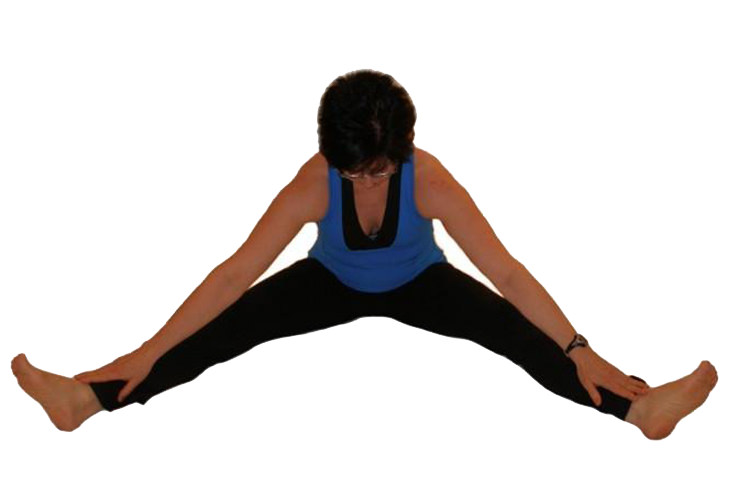
1. You can stretch both of your long
abductors at the same time by sitting with your legs placed together but
stretched out in front of you and your back straight.
2. Gradually try and work your legs apart as far as they will
comfortably go. Relax and hold the pose for a few seconds.
3. Breathe in deeply while using your hips to bend forward until you
feel resistance.
4. Be certain to keep your chest raised and maintain a normal curvature
of the back; the bend should be at the hips.
5. Hold the pose for as long as comfortable - 30 seconds if you can.
5. Iliotibial Band Stretches
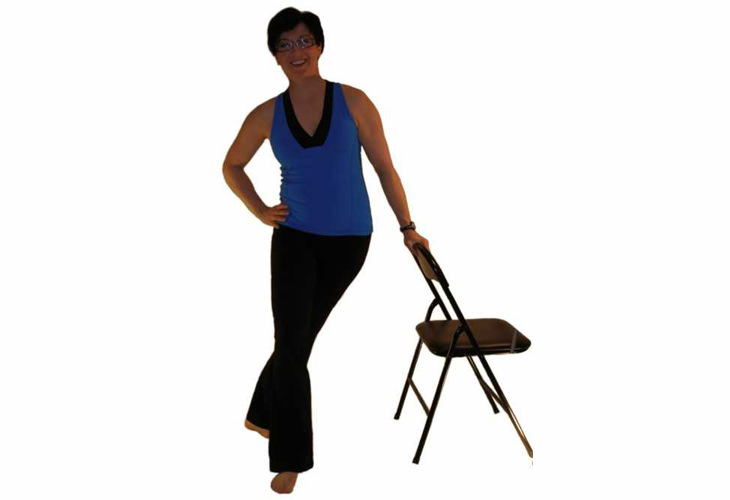
The Iliotibial band is an area of thickened
muscle fibers that runs along the outside of the thigh and connects
your hip to your lower leg. If yours is tight, it can cause you knee
pain. This simple, preventative exercise will help stretch your left
iliotibial band:
1. Lean against a chair with your left hand, and place your left foot
behind your right foot. Point the toes of your left foot at a 45-degree
angle or thereabouts.
2. Put your right hand on your right hip. Then push your left hip
towards the chair while keeping your right leg straight.
3. Do not bend forward at the hips, or rotate the entire body. Make sure
you remain upright, keeping your upper body in line with a wall.
4. Swap legs and repeat.