Tuesday, March 01, 2022

Weight loss: Ways intermittent fasting can prove harmful for you

Intermittent fasting is very popular these days
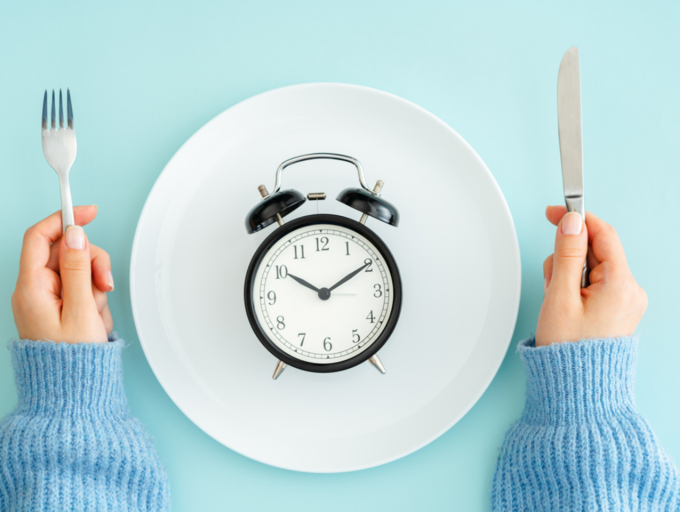
Not everything popular is always good. Things that are good for many, may not be good for you. So whenever you are deciding to get into any food trend, make sure you have properly researched it beforehand. It is because, if it doesn't work you will end up having nothing but losing time and effort.

The same goes for intermittent fasting. In intermittent fasting, the body uses up the stored fats instead of glucose.

Weight loss is the most promised, worked upon resolution. However only a few attain the final result. Why? It is because either the rules and trends followed don't suit the individual or else the individual can't keep up to the level of commitment required.

Intermittent fasting is no doubt not-an-easy weight loss technique. While following it, people only focus on what good it can do ignoring the downsides of it.

Why is intermittent fasting so popular?

From celebrities to fitness trainers everyone is recommending intermittent fasting. Why is it so popular?

It limits the eating window of an individual during which it completely cuts off the scope of having extra calories which is otherwise not possible in other forms of weight loss. The overall idea of weight loss is to minimise the entry of calories into the body and intermittent fasting is seen as the most promising way to do it.

"Proponents claim that extended fasting periods (beyond the normal time between meals) promote cellular repair, improve insulin sensitivity, increase levels of human growth hormone, and alter gene expression in a way that promotes longevity and disease protection," says a Harvard Health report.

What are the different types of intermittent fasting?

​What are the different types of intermittent fasting?

There are different forms of intermittent fasting along with the commonly known "reduced eating window" technique:

Periodic fasting: This is when the body is put through regular fasting once or twice a week where the body is only allowed 500-600 calories in a day.

Alternate day fasting: In this case, every alternate day the body is only allowed 25% of the usual intake of food.

Alternate day fasting: In alternate day fasting, the body is put under rigorous fasting every alternate day.

Time-restricted eating: This is the commonly followed intermittent fasting technique. In this case, the body is put through a fasting period of long hours with only a few hours of eating.

​How is intermittent fasting bad?

​How is intermittent fasting bad?

Intermittent fasting is quite difficult. The body is put through lots of fasting so that extra fat is burned up. This strict form of fasting has its way of dealing with the body. While many bodies adapt to this fasting form, many find it difficult to cope up.

​It may force you to overeat

​It may force you to overeat

Human mind always prepares itself for a crisis. Biological push to eat more before the fasting period has been observed in many cases. Just because they have to fast for a long duration, people often end up eating more than required.

This disturbs the overall objective of following intermittent fasting. The body does not get to use the excess fat of the body.

​It may affect your mood

​It may affect your mood

A long spell of fasting does no good to the moods. One may experience irritability, headache, lethargy, fatigue during intermittent fasting. Due to low mood, the individual’s personal and professional ecosystem may also get disturbed in the process.

​It may affect older people

​It may affect older people

Older people who are planning to lose weight should avoid intermittent fasting. In old age people lose lean muscle mass. Experts have said, those who are marginally overweight may lose more weight in the process.

"If you're already marginal as far as body weight goes, I'd be concerned that you'd lose too much weight, which can affect your bones, overall immune system, and energy level," registered dietitian Kathy McManus, director of the Department of Nutrition at Harvard-affiliated Brigham and Women's Hospital has said.

During old age, people develop a number of health complications which requires them to be on medications and on frequent meals. 

​It may affect those who are on medication

​It may affect those who are on medication

Health experts have warned against intermittent fasting for those on medications. "People who need to take their medications with food — to avoid nausea or stomach irritation — may not do well with fasting. Also, people who take heart or blood pressure medications may be more likely to suffer dangerous imbalances in potassium and sodium when they're fasting," says Dr. Suzanne Salamon, associate chief of gerontology at Harvard-affiliated Beth Israel Deaconess Medical Center.

Those people with diabetes should refrain from practicing intermittent fasting as their body needs food and medications at regular intervals.


Labels: , , , , , ,

Friday, July 16, 2021

6 Popular Intermittent Fasting Schedules For Weight Loss, Explained By Experts

Incorporating an intermittent fasting schedule into your routine is officially one of the diet trends of the moment. Celebs like Jenna Jameson, Vanessa Hudgens, and Halle Berry all swear by intermittent fasting. And with tons of people pairing it with keto eating plans, it’s likely you know someone who’s doing it.

In case you’re unfamiliar, intermittent fasting (IF) is a type of eating plan that calls for periods of eating and fasting (in which you can only consume water, coffee, and tea). During the time periods you can eat, you can generally eat what you like, which is why the plan works for a lot of people. It’s simple, and you can tweak the schedule to fit your needs.

That being said, IF is definitely NOT for everyone. As previously reported, intermittent fasting can be a tough diet to follow if you’re the type who likes to snack and feels like you’re starving when you can't. It's also not a good idea for anyone with a history of disordered eating.

Still, it can be worth trying for people who want to lose weight and are able to make the fasting work with their lifestyles. IF has also been shown to improve insulin sensitivity, lower cholesterol, reduce inflammation, delay markers of aging, support your immune system, and improve your skin, sleep, and concentration. (seriously !)

It can also be an excellent way to practice mindful eating habits, which is when you really consider if you’re hungry before eating out of habit or because you’re bored. There are tons of different fasting schedules you can follow, so you can experiment with which schedule is the best fit for you, says Amanda Baker Lemein, registered dietitian and WH advisor.

Of course, this begs the question: Is there one intermittent fasting schedule that's best for weight loss? Here are six of the most popular IF approaches you'll come across online and on social media that people tend to follow for weight loss purposes—and exactly what the current research says (if any exists!) about the potential benefits for each one. Really though, the most successful diet is one you can stick to, so the IF schedule that seems the easiest to follow is probably your best bet.

1. The 16:8 diet

The 16:8 method of intermittent fasting involves fasting every day for 16 hours and restricting your daily eating window to eight hours. For most people, this schedule means not eating anything after dinner and skipping breakfast. You might eat between, say, noon and 8 p.m.

As far as how the 16:8 method fares for weight loss? It could work, the (very limited) research shows. In a recent (albeit small) study published, 23 obese men and women followed the 16:8 diet for 12 weeks. Compared to a group that had eaten normally and not within a set time-frame, those on the 16:8 diet took in 350 fewer calories per day, lost a modest amount of weight (about 3 percent of their body weight on average), and lowered their blood pressure. Still, it's important to note that this was a small study, and few others have examined the 16:8 diet specifically, so it’s tough to say that following the 16:8 diet is a surefire way to shed excess weight.

Interestingly, following this kind of eating plan may help with appetite control (counterintuitive, no?). A study showed that people who ate only during a six-hour window, compared to following a normal eating schedule, felt less hungry than the control group, even though both groups ate the same amount of calories.

2. The 5:2 method

To follow the 5:2 diet, you eat normally five days a week and cut back to 20 percent of your normal daily calorie intake for the other two. Women are supposed to have about 500 calories on “fasting” days, while men have about 600.

This IF method resulted in more weight and fat loss compared to day-to-day calorie restriction in a 2017 study. Again, research on humans is limited, so it’s tough to draw major conclusions from one promising study.

3. Alternate-day fasting

As the name implies, this diet involves fasting every other day. There are several different versions of this plan, with some of them allowing about 500 calories on the fasting days, and some encouraging that you eat even fewer or close to zero calories on fasting days.

Many of the existing studies on the health benefits of intermittent fasting used some version of this particular diet, though much of the weight loss-focused research hasn't been conclusive.

4. Eat-stop-eat diet

This method of intermittent fasting involves a full fast for 24 hours once or twice a week. For example, you may eat dinner at 6 p.m. and then fast until 6 p.m. the next day, and you would do this one or two times per week—but not in a row.

There's no research currently on this specific method of IF, but because of calorie reduction, it's likely to result in weight loss if it's a fasting schedule that works for you. (Of course, keep in mind that not eating for a full 24 hours can be pretty tough.)

5. The 14:10 diet

This one is similar to the 16:8 method, but involves fasting for a 14-hour window and eating for 10. It's a little easier to stick to than 16:8 because you have a longer eating window, but it's possibly less effective when it comes to weight loss.

Given that the fasting period is short and pretty much follows the way people already eat, it may be hard for some people to achieve a caloric deficit with this diet. Still, it could be a good way to ease into IF if you're new to it and just want to see how you do when you have a specific time-frame for eating and can't just snack whenever the mood strikes.

6. The Warrior Diet

This diet is way different from the rest, with the majority of eating happening at night. The Warrior Diet was coined by fitness author Ori Hofmekler. It involves eating only small portions of raw fruits and vegetables during the day, then feasting on one huge meal at night within a 4-hour eating window.

There’s no specific research on the Warrior Diet, but since the “fasting” periods still allow for some food, it may be more practical for some people. Still, the period when you can have heavier foods is very small, and the diet also involves focusing on paleo foods, so it’s stricter than other forms of IF. If you can achieve a caloric deficit on this diet, it may lead to weight loss like other IF methods.

So which intermittent fasting schedule is best for weight loss? Whichever one you'll actually stick to, TBH.

In short, the one that's easiest for you to follow. “It is all about sustainability for the individual,” says Lemein. “If one of these diets work well for you and your lifestyle and preferences, then you will likely see some success. If not, then you'll likely not see the results you're are looking for, as the sustainability piece will not be there.” That means picking a diet that work best with all the lifestyle factors you need to consider, like your work schedule, family dynamic, living situation, commute time, and travel commitments, notes Lemein.

It’s worth pointing out, though, that the 16:8 diet seems to be the most doable for a lot of people who are into IF. The 16:8 method also scores points for preventing overeating at night, which can often be a big obstacle for weight loss. And sticking to an eight-hour eating window during daylight hours allows your metabolism to run as it’s supposed to—you fuel up for energy during the day (when you’re most active), and stop eating for rest and recovery at night, per a 2017 article in the journal.

Of course, any weight loss that you experience from IF is most likely due to the basic fact that you're consuming less calories, not necessarily the timing of your eating, says Lemein. And you can totally eat less, and lose weight, without taking on fasting. Case in point: A meta-analysis published in 2018 found that intermittent fasting had similar weight loss results to a traditional calorie-restricted diet. So, unless fasting makes dieting easier for you, there's really no reason to chose IF over other diets.

The bottom line: All intermittent fasting schedules may lead to weight loss if you can follow them sustainably, and the 16:8 method may be the easiest way to follow an IF diet. 


This is only for your information, kindly take the advice of your doctor for medicines, exercises and so on.   

https://gscrochetdesigns.blogspot.com. one can see my crochet creations  
https://gseasyrecipes.blogspot.com. feel free to view for easy, simple and healthy recipes    
https://kneereplacement-stickclub.blogspot.com. for info on knee replacement


Labels: , , , , , , ,