Tuesday, October 12, 2021

Lifestyle habits to keep your heart healthy

What you should do to keep your heart healthy
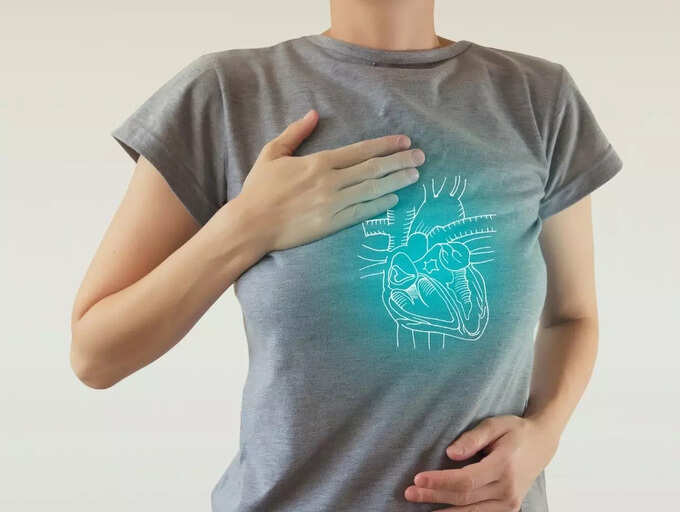
Cardiovascular diseases are one of the most common ailments among people and is the leading cause of death in and around the world, as per the World Health Organization (WHO). While older people are more prone to heart conditions, in recent times, there has been a surge in heart attack, cardiac arrest cases among youngsters.

Many experts and several studies have held unhealthy lifestyle habits responsible for this sudden rise in the number of young patients. That said, making the right choices, following a proper diet and resorting to healthy behaviours is what will keep your heart healthy in the long run. Therefore, here are some lifestyle changes you must adopt if you want to keep cardiovascular disease at bay.

Keep a check on your blood pressure and cholesterol levels
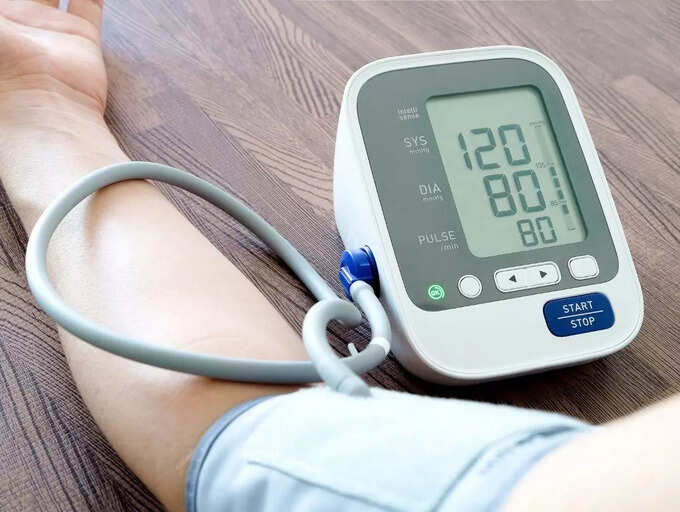
It is extremely crucial that you manage your blood pressure and cholesterol levels for the healthy functioning of the heart. Hypertension and high cholesterol levels can increase your risk of heart ailments, including a stroke, heart attack and more.

While both high blood pressure and high cholesterol do not have any particular tell-tale signs, leaving it untreated can cause many complications in the long run. This is why early diagnosis can help prevent further complications. Blood pressure can be tested at a clinic or at home with the help of blood pressure monitors, whereas you can get your cholesterol checked through a blood test.

Avoid leading a sedentary lifestyle and exercise regularly

Being physically inactive ad lazing around can increase your risk of heart diseases. As per a study published in the Annals of Internal Medicine, it was found that sitting for long periods of time was linked to chronic health conditions including heart disease, Type 2 diabetes and cancer. Therefore, it is time to alter the ways and start exercising regularly. You can always start slow. Do not go all in, rather gradually increase your hours of exercise, focusing more on consistency.

Follow a heart-healthy diet

One must avoid eating foods that are high in trans-fat. Trans fat increases the risk of developing heart disease including a stroke. It blocks your arteries by raising your bad cholesterol levels (LDL) and lowering your good cholesterol levels (HDL). This affects your heart in many ways. A heart-healthy diet consists of fruits, vegetables, whole grain and fibre-rich foods that also benefit overall health.

Maintain a healthy weight

When we talk about weight loss, it should not always be about looking good, matter of fact, it shouldn't at all be about enhancing your appearance. Rather, one should focus on preventing obesity, which increases your chances of developing cardiovascular diseases. That said, one must calculate their body mass index (BMI) and know where they stand. If you're overweight, regular exercise and watching what you eat can work wonders.

Avoid alcohol consumption, smoking, manage stress levels

Additionally, smoking and alcohol drinking can affect your heart negatively. These increase your blood pressure and levels of triglycerides in the blood, which makes you more prone to a stroke and congestive heart failure. Apart from that, taking a lot of stress puts a lot of pressure on your heart. Therefore, try yoga or meditative practices to reduce and manage stress levels. Not only will it promote better heart health, but also keep you in good shape and mind frame.

This is only for your information, kindly take the advice of your doctor for medicines, exercises and so on.   

https://gscrochetdesigns.blogspot.com. one can see my crochet creations  
https://gseasyrecipes.blogspot.com. feel free to view for easy, simple and healthy recipes    
https://kneereplacement-stickclub.blogspot.com. for info on knee replacement


Labels: , , , , , , , ,

Sunday, August 01, 2021

These at-home exercises can help older people boost their immune system and overall health in the age of COVID-19

Older adults, especially those over 65, have five times the risk of hospitalization and 90 times the risk of death from COVID-19 compared with younger adults.

According to the U.S. Centers for Disease Control and Prevention, 78% of the more than 114,000 COVID-19 related deaths between May and August 2020 were people age 65 and older. Many of those individuals had compromised immune systems due, in part, to a variety of other health conditions including obesity, cardiovascular disease, diabetes, respiratory disease and hypertension. The CDC suggests these additional health problems could lead to increased severity of COVID-19.

The good news, however, is that regular exercise and cardiorespiratory fitness can significantly reduce the risk COVID-19 poses to older adults by improving overall health and boosting the immune system.

Now is not the time to stop moving

Staying active can be challenging, as many older adults are remaining at home most, if not all, of the time to avoid the novel coronavirus. As a result, the very changes in lifestyle that keep people safe from exposure can also result in their adopting sedentary habits – which leave people vulnerable to serious health consequences should they get COVID-19. 

Exercise, especially aerobic exercise, which gets the heart pumping hard and improves cardiorespiratory fitness, has multiple health benefits, including reduced risk for stroke, heart attack, depression and age-related cognitive decline and Alzheimer’s disease.

The U.S. Department of Health and Human Services recommends that older adults get at least 150 minutes a week of moderate- to vigorous-intensity exercise. That means three 50-minute sessions each week, or a little over 20 minutes per day.

Firing up the immune system

Not only can exercise enhance overall health, it can also specifically improve immune system response, which is critical to surviving COVID-19.

As humans age, the immune system becomes progressively less effective at responding to new viruses because of an age-related weakening of the immune system, also known as “immunosenescence.”

The good news is that exercise improves the efficiency of the immune system in people of all ages. Every session of exercise mobilizes billions of immune cells throughout the body. The more immune cells circulate, the better they are at spotting and attacking potential pathogens.

Although there is no data yet on how exercise and cardiorespiratory fitness can reduce risk of hospitalization or death from COVID-19, previous studies show that regular exercise improves the immune response to other viral infections. Regular exercise has also been shown to lower the risk of death from viral and respiratory illnesses. Furthermore, increased physical activity is known to improve and prolong the immune response from the flu shot.

Working out at home

How can older adults safely exercise and keep aerobically fit while stuck mostly at home without access to a gym? At the Aging & Brain Health Alliance at Rutgers University-Newark, we have been offering virtual exercise classes, by video conference or phone, for seniors using materials they can easily find around the home.

Here are a few suggested exercises from our fitness classes you can do on your own safely at home.

One of the best exercises to get you started on your fitness journey is to walk the floors of your home. Whether in a house or an apartment, take time every hour to get up and just walk. Set aside five to 10 minutes with the goal of increasing your daily step count and improving your overall cardiorespiratory health. Challenge a family member to join you and make it fun.

A woman, with her back against a wall, adopts a seated position.
Use your walls to boost your immune system. 

You should also take advantage of your walls. Wall sits are an easy way to engage your muscles and work your body. Simply stand with your back against a wall; step your feet two feet away from the wall and open your legs hip-distance apart. While keeping your shoulders against the wall, slowly and carefully lower your body until you are sitting in an imaginary chair.

Remember to keep breathing, inhaling through your nose and exhaling from your mouth, and you will begin to feel the burn in your leg muscles. Try coming up and down five times if you feel safe and comfortable doing so. (For extra security, keep a chair or something else near by to hold on to if you lose your balance.)

A woman sits in a folding chair, lifting one knee up.
How to work out your core while seated. 

Finally, use a chair. Sit at the edge of a solid chair focusing on maintaining good posture. Plant your feet hip-distance apart; take a big inhale and, on the exhale, slowly lift one knee toward your chest. This is a seated crunch and it will engage your deep core muscles. Complete five of these knee lifts on each side, making sure to do each knee lift on the exhalation.

Exercise habits developed during this period of COVID-19 – and maintained after the threat has passed – will support your immune health for years to come.

This is only for your information, kindly take the advice of your doctor for medicines, exercises and so on.   

https://gscrochetdesigns.blogspot.com. one can see my crochet creations  
https://gseasyrecipes.blogspot.com. feel free to view for easy, simple and healthy recipes    
https://kneereplacement-stickclub.blogspot.com. for info on knee replacement


Labels: , , , , , , , , , ,