Saturday, January 18, 2025

The Dangers of Aluminum Exposure and 9 Ways To Prevent It

Aluminum is all around us, but it’s when it builds up in excess in the human body, it can become a health threat. Unfortunately, scientific evidence shows that most people are still exposed to too much aluminum, despite the efforts of international regulations to lower global human aluminum exposure. But how does aluminum get into our bodies anyway? Scientists say that the culprit lies in our foods and self-care items, and in this article, we explain how to avoid it. 
 
How Can Aluminum Affect the Health?
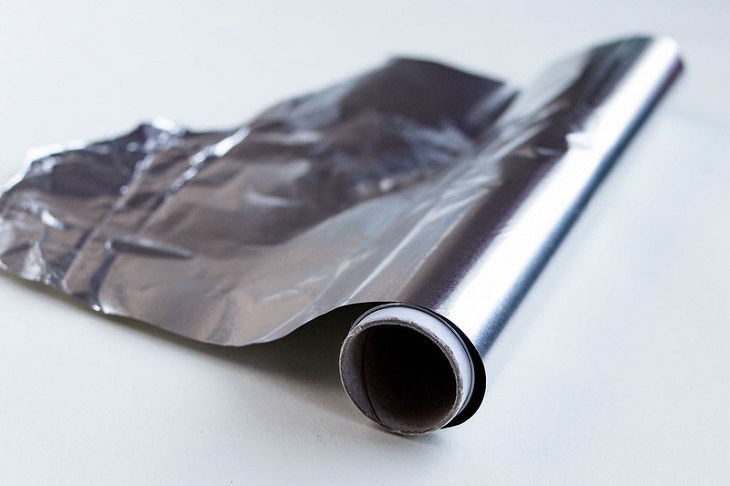
tips on how to lower aluminum exposure Complete avoidance of aluminum is impossible, as this metal is one of the most widespread ones on the planet and it can be found in the soil, water, the food we eat, and even in the air we breathe. Usually, our body is good at washing out excess aluminum through urine, but when exposure to the metal rises, some of the excess aluminum ends up accumulating in the body, which is when it can become dangerous to human health. 
 
This is why many international regulatory bodies, such as the World Health Organization and European Food Safety Authority determined a tolerable weekly aluminum intake of 1 milligram per kilogram (2.2 lbs) of body weight per week. So, for example, if you weight 65 kg (143 lbs), your intake of aluminum should not exceed 65 mg a week. 
 
Although there is too little evidence regarding the effects of excessive aluminum intake on human health, studies have linked it to the following conditions: 
 
Neurotoxicity, adverse effects on the nervous system. 
 
Alzheimer's disease, with unusually high levels of aluminum found in Alzheimer's patients' brains.
 
 IBD, but only in animal models and in vitro studies.  
 
Breast cancer.
 
 ​In a recent large scale study conducted in Germany, researchers found that people typically consume twice the amount of aluminum they should be from food and cosmetics alone, so we thought it might be useful to learn about the ways you can lower your aluminum intake and prevent the development of any potential adverse reactions. 
 
Here are 9 ways that will help you significantly lower your weekly aluminum intake: 
 
1. Cosmetic and Self Care Products

tips on how to lower aluminum exposure woman applying toothpaste to toothbrush in bathroom
Look at the ingredients in your cosmetic products, especially toothpaste and antiperspirants, as these two categories of products often contain aluminum. In antiperspirants, aluminum is used as an agent that can prevent you from sweating by blocking your pores, but it may be absorbed into your body as well.

The same German study we mentioned earlier even suggested that antiperspirants containing aluminum alone may exceed the recommended weekly exposure to the metal. 
 
On a slightly different note, certain medications, such as antacids, for example, can contain high levels of aluminum, but usually, the benefits of these medications outweigh their risks, so we wouldn't recommend avoiding them, especially if they were prescribed to you by a doctor. 
 
2. Cooking Utensils

tips on how to lower aluminum exposure a set of pots and pans stacked one atop of the other
Avoid cooking and storing food in uncoated aluminum pots or aluminum foil, as aluminum particles can seep into your food, and then travel into your body. This is particularly true when it comes to highly acidic foods, such as tomato sauces, soups, etc., as well as salty foods, as both salt and plant-derived acids will eat through the foil and utensils faster and aluminum particles will travel into the food.

 
3. Drinking-Water
As previously mentioned, water can be another source of aluminum exposure, with some areas containing higher levels of aluminum in the soil and water than others. If you know that the water in your area contains high quantities of aluminum, you'll be better off investing in some type of water purification system, i.e. water filters, to protect yourself from the dangers of excessive exposure.


4. Takeaway boxes
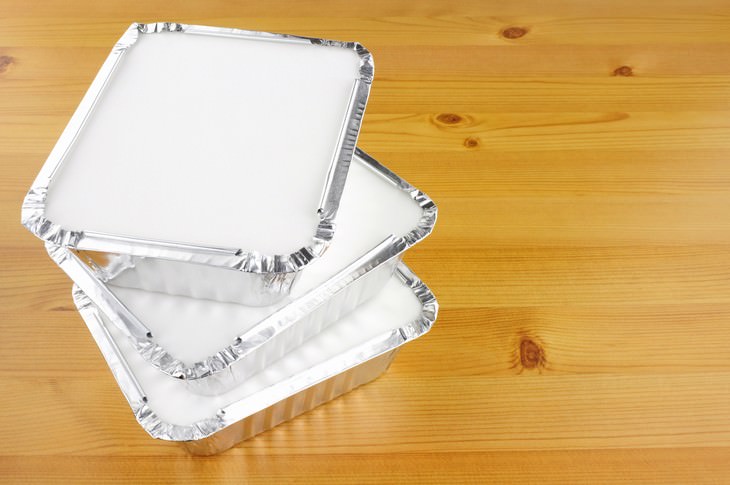
 tips on how to lower aluminum exposure aluminum takeaway boxes stacked
 
Metal takeaway boxes are so popular, but the thing is that all of them are made of aluminum, so they're not the best way to store food, being pretty much equal to using aluminum foil to wrap up your foods. Try to avoid these boxes and opt for paper takeaway boxes. These are not only biodegradable and kinder to the planet, but they're also better for your health than aluminum or plastic ones. 
 
 
5. Store-Bought Foods
 
Buying food in supermarkets is tricky, as you will never know how the food was prepared, what kind of water was used to make the product, and how it was stored. To minimize your aluminum exposure from store-bought products, your best bet is NOT to stick to one brand. Even if some of the foods you buy will contain aluminum, by switching them up with those that potentially don't contain it will help you lower your overall exposure to the metal. 
 
 
6. Fruit and Vegetables
Most fruit and vegetables will have some aluminum in them naturally, but farmers also add pesticides containing aluminum when they grow plant produce, so make sure to wash all the fruit and veggies you buy thoroughly before adding them to dishes or eating. Apart from that, certain foods, such as spinach, tea leaves, mushrooms, and radishes tend to absorb more aluminum than others, so it's best to either purchase these organic or consume them in moderation.


7. Aluminum Foil and Single-Use Aluminum Baking Pans
Heat is another factor that will cause aluminum particles to seep into your foods, so using aluminum foil or those single-use aluminum tins that are so often used in baking is not the greatest idea if you're planning on minimizing your aluminum intake. 
 
This doesn't mean that you have to forget about grilling meat or vegetables in aluminum foil forever, but do be mindful of the tools you use when you're cooking and don't abuse aluminum cooking equipment. 
 
 
8. Processed Foods
Another reason why you should stay away from store-bought snacks and processed, packaged foods is because of the chemicals they use to make food last longer and look better. Aluminum is routinely used in food coloring, thickeners and anti-caking ingredients in commercially produced foods. For this reason, get in the habit of preparing homemade snacks and desserts, such as cookies, as commercial products have been suggested in studies to contain more aluminum than homemade foods due to these additives.
 
 
9. No Need to Be Afraid of Canned Foods and Drinks
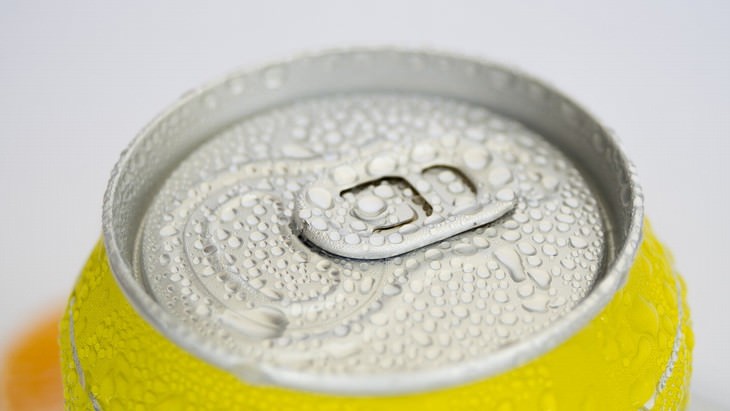
 tips on how to lower aluminum exposure soda can
 
There are plenty of reasons to avoid canned soft drinks, but aluminum exposure is not one of them. There was a study conducted on the quantity of aluminum in canned drinks, and it found that even after 12 months of storage, the concentration of aluminum in the drink was negligible compared to the exposure we get from foods. 
 
Needless to say, we're not urging you to start consuming canned sugary drinks. Instead, we'd just like to say that consuming foods and drinks that come in aluminum cans is safe for your health in terms of their risks of aluminum exposure.


This is only for your information, kindly take the advice of your doctor for medicines, exercises and so on.   

https://gscrochetdesigns.blogspot.com. one can see my crochet creations  
https://gseasyrecipes.blogspot.com. feel free to view for easy, simple and healthy recipes    
https://kneereplacement-stickclub.blogspot.com. for info on knee replacement
https://GSiyers home remedies.blogspot.com   is the latest addition to my blogs. I'm going to add posts there, do give me your valuable feed back on my blogs. Thanks a lot, take care, be healthy and be happy.

Labels: , , , , , , , ,

Tuesday, May 05, 2020

Great Uses for Lemon Peels

Lemons have a lot to offer: they’re delicious, refreshing and have an aroma that can upgrade many dishes. Adding a bit of fresh lemon juice to a cup of water in the morning can do wonders for our level of alertness throughout the rest of the day. But what about those lemon peels?

If you like to add lemon to your diet on a regular basis, you probably throw the peels in the trash. Did you know, however, that the peels are incredibly rich in vitamins, minerals, and fibers that can increase your food’s nutritional value, aid in house cleaning, and even be used to maintain your skin’s health? The following recipes will show you how you can add lemon peel to your day-to-day life with ease.


Uses of lemon peels
1. Homemade Lemon and Herbs Butter
Would you believe that you can enjoy this delicious butter without going to a fancy restaurant? Simply turn the plain butter you’ve got at home into a gorgeous and delicious lemon and herbs butter you can enjoy at every meal.

Ingredients:
• ¼ cup chopped mixed herbs (such as chives or parsley)
• ½ cup butter (softened)
• 1 teaspoon of lemon zest
• Pinch of salt


Preparation:
1. In a bowl, mix the butter, zest, and herbs. Stir and season to taste.
2. Transfer the content to a baking sheet, roll it into a cylinder and fold the edges.
3. Wrap the baking sheet with aluminum foil.
4. Refrigerate until the mixture solidifies. The butter can be kept in the fridge for up to 2 weeks or can be frozen for 3 months.


2. Candied Lemon Skins
This is an unusual treat, and if you want to keep the peel's sour flavor, just use less sugar than called for in the recipe.

Ingredients:
• 4 large lemons
• 2 cups of sugar
• 8 cups of water

Preparation:
1. Peel the lemons and cut the peel into thin strips.
2. Place the peel on a cutting board and remove as much of the fruit as you can using a sharp knife.
3. Boil 2 cups of water in a medium-sized pot. Add the peel strips to the boiling water and cook for 2 minutes. This will remove most of the bitterness in the peel. Remove the peel strips from the water.
4. Repeat the process 2 more times, using fresh water each time.
5. Empty the pot, add 2 new cups of water and 2 cups of sugar. Let it simmer to produce a sugary syrup.
6. Lower the heat and add the lemon peel. Cook the strips in the syrup for an hour – they should become soft and translucent. Use a fork or tongs to remove the strips from the syrup and leave them on a drying rack to dry out – this should take a few hours.


7. After removing the strips from the water, you can sprinkle sugar on them. (optional)
8. Move the dry peel pieces to a sealed container. The dried peel pieces will stay fresh for several days at room temperature, or for several weeks in the fridge.

3. Add Some Zest to Your Olive Oil
Transform your plain olive oil into a delicious and nutritious lemon-oil. This upgrade will have your guests begging for the recipe.

Ingredients:
• 1 cup of olive oil
• 2-3 tablespoons of lemon zest.


Preparation:
Combine the zest and oil in a sealable jar and leave it for 2 weeks. Give the jar a good shake every few days. Finally, use a sieve to remove the zest from the oil and store in the fridge.

4. Jazz Up Your Drinks with a Lemony Ice-Cube
Add some extra flavor to any drink you serve this summer by adding a couple of fancy lemon ice-cubes. Cut the lemon peels into spirals and remove as much of the fruit as you can from them (this will make it less bitter). Cut the spirals to fit in an ice tray, fill the tray to the half-way point and put one spiral in each segment, making sure a small bit stays out of the water. After freezing, you’ll be left with fancy-looking ice cubes.

5. Make a Lemon-Pepper Seasoning Mix
This seasoning mix can work for almost any kind of dish whether it’s a salad, fish, or chicken. Preparation is very simple, and the ingredients are 100% natural.

uses for lemon peels
Ingredients:
• Zest from 5 lemons
• ⅓ cup black pepper (whole)
• ¼ cup salt (optional)

Preparation:
1. In a bowl, mix the zest and black pepper.
2. Line an oven tray with a baking sheet and spread the mix on top of it.

uses for lemon peels
3. Bake the mixture for about an hour at 150°C (300°F), until the zest is completely dry. To make certain that the whole tray bakes evenly, remove it from the oven after 30 minutes and give it a shake, and then place it back in the oven.
4. Grind the pepper-zest mix in a food processor or a coffee grinder.

uses for lemon peels

5. Once the mixture is ready, you can add salt if you wish.

6. All-Natural Ant and Pest Repellent
Place small pieces of lemon peels along your windowsills, doors, and any other cracks and holes that ants use to sneak into your house. Ants hate the scent of lemon, so they’ll be reluctant to return to that area again. The peels are also particularly effective against fleas, making them an ideal solution for pet owners that want to protect their 4-legged companions from those nasty parasites.
 

7. Freshen Up Your Home
The scent of fresh lemon can freshen up your home and get rid of unpleasant smells quickly and easily.
Freshen up the fridge: Place a few small pieces of lemon peel in the fridge. The skin will absorb any unpleasant odors while setting off its own citrus scent.
Freshen up the trash bin: Put a few pieces of lemon peels at the bottom of the bin to absorb the bad odors.
Freshen up closets: Sun-dry lemon peels and put them in small potpourri bags. Add spices such as cinnamon, cloves, nutmeg, and put it in your closets to keep them smelling fresh.

8. Effectively Clean Surfaces and Utensils
The lemon’s natural acidity is antibacterial and can help you clean many things in the kitchen.
Clean plaque residue in kettles: Fill the kettle up with water, add a few thin slices of lemon peel, and boil the water. Allow the boiled water to sit for an hour, and then empty and wash the kettle.
Remove the smell of coffee: If your coffee maker’s pitcher is starting to smell like old coffee, empty it, put some lemon peels, a few pinches of salt and some ice-cubes. Shake well and wash the pitcher.
Freshen up the dishwasher: If your dishes come out of the dishwasher smelling somewhat funky, add some lemon peel to the next load. This cleans both the machine and removes any foul-smelling residue.
Clean and deodorize cutting boards: After washing your cutting board with water and dish soap, rub the surface with the outside of a lemon peel. Let it sit for 30 minutes and then rinse.
uses for lemon peels
Clean your microwave: Fill a bowl halfway with water and add a few pieces of lemon peels. Pop it in the microwave and run it on high for 5 minutes. The heat will boil the water, and the lemon-infused steam will clean the sides and top of the microwave. Once it’s done, remove the bowl (Careful! It’s hot!) and wipe down the surfaces.
Save your utensils: If you have old knives, pots, or any other metallic utensils that have lost their shine or have grime that simply won’t go away, there’s an effective solution you can use - sprinkle some sea salt on the utensils, then rub them with a lemon peel. Rinse and watch how all the dirt, grime, and stains wash away.
uses for lemon peels

9. Foot Spa
If you want to soften any hard skin on your soles, boil water with lemon peels and let it cool down. Add ¼ cup of milk (bovine or almond), 2 tablespoons of olive oil, and a few drops of essential oil of your choice. Pour the mixture into a tub and soak your feet in it for 20 minutes, then dab your feet dry.

10. Polish and Brighten Your Skin with a Homemade Scrub
This homemade scrub will help to soften your skin, in addition to brightening any sun damage it may have experienced. Similar to other exfoliating agents, avoid using this scrub on wounds or sensitive and irritated skin, as well as skin riddled with acne. To make this scrub, you’ll need to extract the lemon’s natural oils.
uses for lemon peels
Ingredients for lemon oil:
• Lemon peels
• Coconut oil

Preparation:
1. Wash and dry the lemon peels.
2. Cut the peels into long, thin strips.
3. Put them in a large pot and pour the coconut oil on top.
4. Let the oil lightly boil for 5 minutes, and then put the mixture on the side to let it absorb all the aroma and flavor.
5. Sift out the peels and pour the liquid into a jar. (Store in a cool, dry place).

Ingredients for the scrub:
• Unrefined sea salt
• ⅓ cup lemon oil
• A few drops of essential oil of your choice (optional)

Preparation:
1. If you use crude sea salt, grind it down to prevent damage to the skin.
2. Mix the ingredients and transfer the mixture to a jar. Store in a cool, dry place.

Use:
Before turning on the water in the shower, put some of the scrub on a washcloth, exfoliating glove, or your bare hands. Rub your skin with the scrub in circular motions, and then proceed to shower regularly.

11. Morning Face-Wash
Many kinds of face washes contain alcohol and are thus not recommended for daily use, as the alcohol dries out and irritates your skin. You can rub the outside of a lemon peel onto your face before rinsing it. Avoid contact with the eyes.

12. Pamper Your Hands
Lemon peels can help you with most hand and arm-related issues, and can even help your fingernails shine.
Fingernail bleach – Clean stains from your fingernails by gently rubbing them with a lemon peel.
Soften elbow skin – Sprinkle some baking soda on the outside of a lemon peel and place it against your elbow. Twist the peel as if you’re juicing it for a few minutes, then rinse your elbow.
Lighten age spots – If you have age spots on your hands and arm, you can use lemon peels to lighten them by rubbing a small piece against the stain and leaving the juice on for an hour. Avoid sunlight until you wash yourself to prevent damage to your skin.


This is only for your information, kindly take the advice of your doctor for medicines, exercises and so on.     

https://gscrochetdesigns.blogspot.com. one can see my crochet creations  
https://gseasyrecipes.blogspot.com. feel free to view for easy, simple and healthy recipes    
https://kneereplacement-stickclub.blogspot.com. for info on knee replacement

Labels: , , , , , , , , , , ,