The 11 Warning Signs of a Food Intolerance
I have never really been aware of the
distinction between allergies and food intolerance. In fact, up until
recently, I didn't even know there was any difference. But thanks to
this handy guide I understand that I may be food intolerant, even though
I am allergy free. As much as 10% of us suffer from food intolerance,
however, we usually don't realize and therefore, do nothing about it.
Read on and see whether you have experienced any of these 11 signs of
food intolerance.
Note: If you experience any of these symptoms it is advisable that you speak to your GP as soon as you can.
With food allergies, our bodies' immune
systems reject certain foods. With food intolerance, a negative reaction
happens because our threshold for a particular food, and perhaps
certain chemicals, is exceeded. Tracking down the guilty perpetrator may
be difficult because symptoms may not display until many hours or days
have passed since the food was consumed. That means assessing whether
you have experienced any symptoms is the most important first step. Take
a careful look at the 11 most common signs of food intolerance.
1. Are you going to the bathroom too much?
This could be a sign of Irritable Bowel
Syndrome (IBS), which includes symptoms like diarrhea, gas, a bloated
feeling, and abdominal pain. Badly absorbed carbohydrates, which are
called FODMAPs, are now considered the primary cause of IBS. The only
reliable treatment for IBS is a diet change, called the Low FODMAP Diet,
which aims to eliminate the fermentable carbohydrates that cause IBS
from one's dinner table.
2. Do you have chronic muscle or joint pains that are spreading?
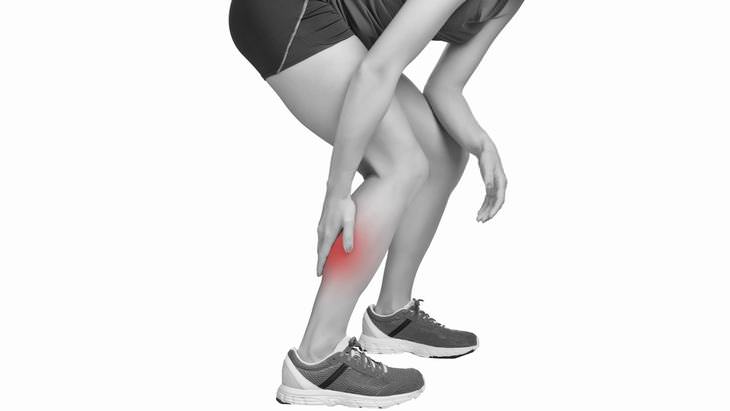
This worrying phenomenon, called fibromyalgia, is said to affect 6% of
us, particularly middle-aged women. If you experience such a long-term
widespread pain which is not confined to any particular part of your
body you may be suffering from fibromyalgia. This is said to be
triggered in the majority of patients after they eat certain variable
foods.
3. Does caffeine over-stimulate you?
Some of us, particularly in the west where tea or coffee drinking had
not been a part of our ancestors' diet, are slow at metabolizing
caffeine. Therefore, consumption of something rich in caffeine, such as
strong coffee, could be leading to your digestive stress, raised blood
pressure, sweating, and an increased risk of heart disease. If you find
caffeine is giving you such a reaction, cut down on coffee, tea, and
chocolate, switching to decaffeinated alternatives instead.
4. Do certain meals give you headaches or migraines?

This is one of the most common symptoms and signs of food intolerance,
which is generally considered to have one principal food cause:
monosodium glutamate (MSG). Symptoms might not be experienced for quite a
few hours after consumption. But it is always a good idea to stay alert
for products and cooking that contains MSG.
5. After a good sleep, do you still feel sleepy?
Food Intolerance
Diet is one of the principal causes of chronic fatigue syndrome, a
disorder that describes long-term tiredness and exhaustion. Anywhere
between one and four million ordinary Americans suffer from chronic
fatigue syndrome, yet it is estimated that hardly even 20% of that
number have been properly diagnosed. So if you are feeling tired even
though you think you have had sufficient rest, perhaps this is the
problem and you should consult a medical professional.
6. Do you have no tolerance for wheat, even though you test negative for
celiac disease?

Up to 13% of people who do not suffer from celiac disease still have
trouble digesting the wheat protein, gluten. This condition is called
Non-Celiac Gluten Sensitivity, or simply and more commonly Gluten
Intolerance. So if you have had trouble eating wheat, perhaps you should
also consider a low FODMAPS diet (see above).
7. Is your thyroid underactive?
Food Intolerance
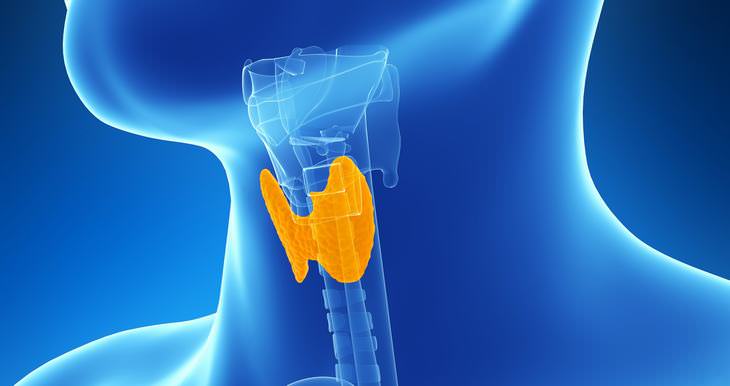
Known as hypothyroidism, an underactive thyroid gland does not produce
enough thyroid hormones. Most cases of hypothyroidism are caused by an
autoimmune disease, called Hashimoto's, which is linked with those who
suffer a gluten intolerance. A gluten-free diet is a good way to reduce
hypothyroidism, and therefore conversely an underactive thyroid is a
likely sign of a food intolerance.
8. Are milk & yogurt giving you tummy trouble?
Lactose intolerance is extremely common, particularly in East Asia. To
deal with and digest the natural sugar milk contains, lactose, we make
use of the enzyme lactase. Any deficiency in lactase within you will
cause you great difficulty digesting dairy products. If you suffer from
this problem but continue consuming dairy you may suffer serious
gastrointestinal problems. Instead, see a doctor immediately for a
diagnosis, and stay off dairy.
9. Is your arthritis getting worse?

Osteoarthritis is usually the result of aging, however, rheumatoid
arthritis is much more difficult to determine the cause of, and lacks a
cure. It may be that this form of arthritis is a sign of a food
intolerance though. Some researchers believe that certain food
sensitivities lead to an inflammatory immune response that worsens the
existing joint inflammation - increasing your pain and swelling.
10. Do particular foods give you skin conditions?

Tomatoes and peppers contain quite a large amount of salicylate, which
is known to cause skin problems in around 2.5% of those of European
origin. Although, it can be hard to determine whether these two
vegetables have caused your skin ailments since skin reactions can be
delayed for a long time. However, to be on the safe side you should
moderate your intake of these vegetables if you have such skin
conditions.
11. Do onions and garlic in meals give you belly problems?
A FODMAP diet specifically tries to cut out
these foods. But since garlic and onions are so frequently used in
cooking, many people find them hard to avoid. However, apart from them
being high in FODMAPs that can damage your insides, they also contain
fructans that can trigger those who are over-sensitive. Thus, onions and
garlic are commonly intolerable. So, if eating meals heavily flavored
with these foods causes you belly trouble, you probably have a food
intolerance.