Thursday, May 29, 2025

These Drinks Give Your Brain a Massive Health Boost! https://www.ba-bamail.com/health-articles/these-drinks-give-your-brain-a-massive-health-boost/

 Your brain is an organ that relies on your daily nutrition a lot more than many other parts of the human body. Think about it: the brain makes up only around two percent of our body mass, but it consumes around 20% of the calories we eat. That’s a lot of fuel! And the kind of fuel you put into your body really matters too.

A healthy diet makes a huge impact on your brain health, memory, concentration, and alertness. And that includes not only the foods you eat but also the drinks you consume throughout the day. If you rely on soda and fruit juices, your brain will not be happy. But what should you drink then apart from water, then? 
 
We prepared a list of 10 excellent beverage suggestions that will both hydrate you and boost your brainpower. 
 
1. Beetroot juice
Beverages For Brain Health Beetroot juice
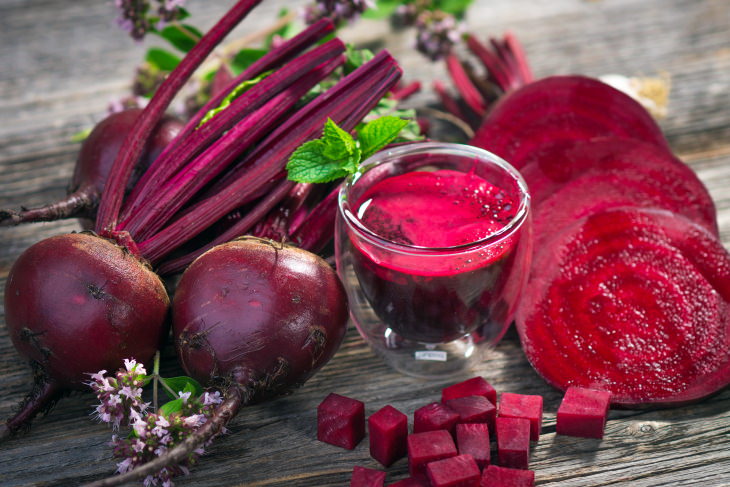
Beets are one of the most overlooked vegetables in existence. Some of you will know that these deep red root veggies are beneficial for eye health, digestion, and blood pressure, but few are aware that their vasodilative effect is also tied to improved brain function and a lower risk of vascular dementia. 
 
Research from the UK suggests that beetroot contains an abundance of nitrates, which our oral bacteria turn into nitric oxide, a beneficial compound that the body uses to promote blood flow, including to the brain. Other research confirmed that nitric oxide is important for such cognitive functions as decision-making, learning, and language, and diversifying your beverages with beetroot juice may improve these functions. 
 
“Beets are rich in nitrates, which help with the dilation of blood vessels and subsequently increase blood flow to the brain, which may improve mental and cognitive function,” explained nutritionist and dietitian Rebecca Ditkoff to Rally Health. "This means increased cognitive function in the present, and potentially reduced risk of dementia in the future." It is also known that older adults have lower levels of nitric oxide than younger folks, so they may benefit from beetroot juice even more. 

 
2. Lemon balm tea
 Beverages For Brain Health Lemon balm
 
 
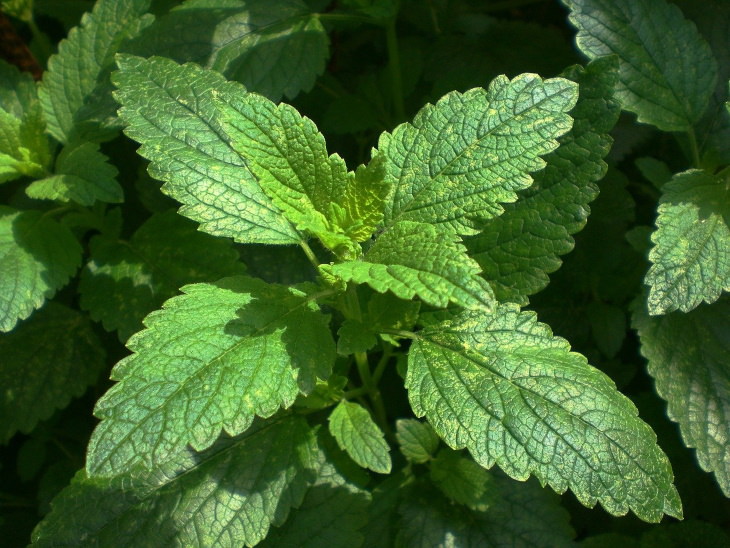
Lemon balm (Melissa officinalis) can be easily mistaken for mint, as it belongs to the mint family, but it is slightly different, as it has a gentle lemony scent and flavor. You can brew both fresh and dried lemon balm into an herbal tea: 1 teaspoon should be enough to prepare 1 cup of tea. 
 
The relaxing and calming properties of lemon balm tea are well-known, and it’s commonly recommended as an evening drink for people who suffer from insomnia and anxiety. Researchers suggest that this pleasant herbal tea may also be beneficial for improving concentration, relieving headaches, and improving cognitive function in the long term. A study from 2003 even suggested that lemon balm extract, a concentrated form of the herb, helped patients with mild to moderate Alzheimer's disease experience an improvement in cognitive functioning compared to a control group who took a placebo. 

3. Coffee

If you’re a coffee drinker and would like to boost your brain health, carry on enjoying your morning brew (in moderation, of course). Since most of you likely already know what coffee can do for your cognition, focus, and alertness first hand, we won’t sing praises to coffee for long here. But we’ll say this: lifelong coffee drinkers have a reduced risk of cognitive decline, Parkinson’s disease, and Alzheimer's disease. That fact alone says a lot.

Interestingly, researchers have also found that coffee increases the brain’s ability to process information by boosting a process called entropy, or the brain’s complex and variable brain activity. Lastly, note that we can thank not just caffeine but also other antioxidants, such as phenols and chlorogenic acid, for all these beneficial effects. So taking caffeine through supplements probably won’t give you the same effects as an actual cup of coffee. 
 
4. Turmeric tea
Beverages For Brain Health Turmeric tea

Turmeric teas or turmeric lattes are often recommended as coffee replacements for those who have insomnia. And for many of you, turmeric is a familiar face. This bright yellow spice is regarded as a powerful remedy in Ayurveda and Chinese medicine, and researchers have established that the active compound in this herb called curcumin has anti-inflammatory properties. 
 
Scientists are currently looking into the possibility that this herb may also benefit the brain by improving memory and reducing the risk of Alzheimer's disease. Research from 2019 states that consuming turmeric urges the body to produce a protein called brain-derived neurotrophic factor (BDNF). This protein plays a huge role in learning and memory, and low levels of it are linked to memory problems, neurological issues, and even mental health disorders. Recipe in the next post
 
5. Berry smoothies
Beverages For Brain Health Berry smoothie

Herbs and spices are not the only ingredients capable of giving your brain a boost. Apart from being delicious, all berry smoothies and juices are just as good for your cognition and brain health! However you choose to consume blueberries, raspberries, acai berries, or strawberries, all of them make excellent brain food. The natural compounds that make berry juices and smoothies so beneficial are called anthocyanins. 
 
They give berries their bright colors while also acting as powerful antioxidants that guard your brain cells against damage. Research suggests that consuming blueberries, in particular, has a beneficial effect on short-term memory and long-term memory. Just remember that store-bought juices are less beneficial because they tend to be overloaded with sugar, so it’s better to make your own berry juice or smoothie at home.


6. Tea
 Did you know that tea is the most popular drink in the world after water? The reason why tea is so popular is clear. Like coffee, tea contains caffeine that gives your brain an energy boost, but the effects of tea are much milder, so even those who are usually not allowed to drink coffee, such as kids, can freely enjoy tea. Apart from caffeine, tea contains L-theanine and epigallocatechin gallate (EGCG), both of which contribute to its brain-boosting effects. 
 
EGCG is a well-known antioxidant capable of guarding brain cells against damage. Research has established that this compound can cross the blood-brain barrier, so it could theoretically help neurodegenerative diseases. 
 
As for L-theanine, it is known to reduce anxiety and raise dopamine levels, which is why drinking tea can lift your mood and increase your motivation and attention. A 2021 study from Japan tested how L-theanine influences attention and found that the stuff alleviates brain fog while also promoting working memory and attention. Also, note that low dopamine levels are associated with neurological disorders like Parkinson’s Disease, so consuming tea could potentially help protect your brain. 
 
 
7. Ginseng Tea
Beverages For Brain Health Ginseng
Ginseng root is one of the most recognized herbs in traditional Chinese medicine. It’s available either fresh, dried whole, or in powdered form. Practitioners have been using this herb for various purposes, including improved concentration and memory, for centuries. 
 
The root contains anti-inflammatory compounds called ginsenosides that were found in preliminary studies to clear beta-amyloid plaques found in the brains of people with Alzheimer's disease. Researchers are continuing to explore ginseng’s potential in aiding memory and preventing neurodegenerative diseases. If you want to start drinking ginseng tea daily and have any underlying health conditions, ask your doctor before you begin. Ginseng can have a blood-thinning effect and can lower blood sugar, so it could potentially interact with your medication and cause side effects. 

 8. Rhodiola tea
Beverages For Brain Health Rhodiola tea

Also known as arctic root or golden root, Rhodiola is an herb native to the mountainous regions of Europe and Asia. Prepared from the dried roots of the Rhodiola rosea plant, Rhodiola teas and tinctures are a traditional remedy for anxiety, depression, and fatigue in Russia and Scandinavia.

The root has over 140 active compounds, the most prominent ones of them being rosavin and salidroside, both of which are strong antioxidants. Research suggests that taking Rhodiola can alleviate fatigue in humans, and a range of animal studies also point to the fact that Rhodiola can boost memory, increase cognition, learning, and reduce symptoms of depression. 
 
 
9. Lion’s mane mushroom
 
Beverages For Brain Health Lion’s mane mushroom

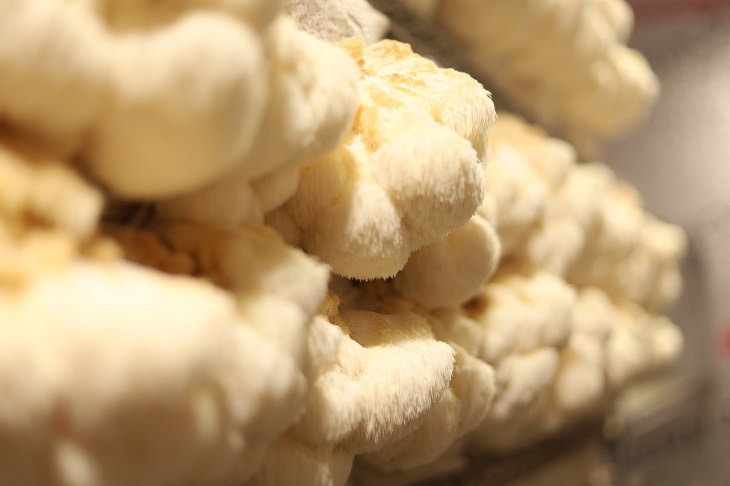
Mushrooms for brain health? We were just as surprised as you are, but it turns out this shaggy mushroom is widely used in Asian cooking and medicine. Hericium erinaceus is large species of edible fungi that have a white and fluffy body reminiscent of a lion's mane. These mushrooms contain the compounds hericenones and erinacines that stimulate brain cell growth and may even improve the symptoms of mild cognitive impairment, a condition that precedes dementia according to an animal study from 2011.
 
Fresh lion's mane mushrooms can be harder to find in the US, but they’re sold in powdered form that you can add to hot water and brew into tea or mix into a smoothie. 
 
 
10. Green smoothies
  Beverages For Brain Health Green smoothies
 
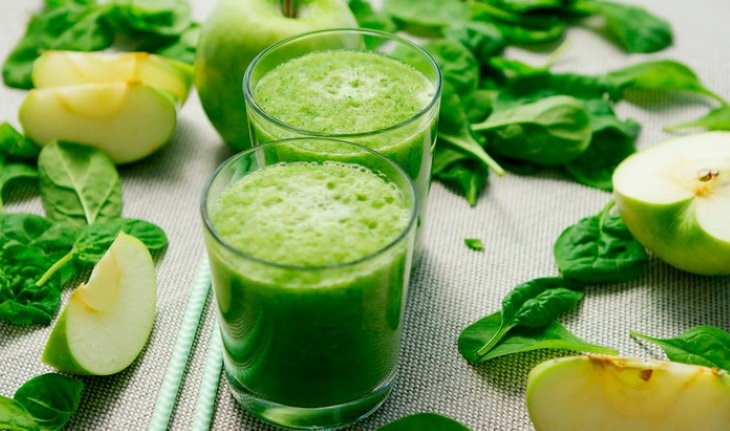
Speaking of smoothies, the last beverage on this list is a smoothie you can easily combine with many of the other ingredients we listed earlier. One of the best drinks you can make to boost your brainpower and slow down mental decline is a green smoothie. That’s because just 1 serving of spinach, kale, or any other greens can enrich your body with folate, vitamin C, vitamin A, and lutein. All of these nutrients promote long-term brain health, but they can also improve your energy levels and focus throughout the day. The specific benefits will, of course, depend on the ingredients you choose to use in your smoothie. 
 
Here are just a few recommendations: 
Spinach 
Celery 
Green apples 
Cucumbers 
 Kale 
Banana 
Avocado. 
 
To increase mental clarity even further, you can whizz in some of the other ingredients we mentioned earlier, such as beetroot juice, berries, powdered green tea, walnuts, or lion’s mane mushroom powder.


Ingredients 
- A handful of raw spinach 
- 1 ripe avocado or banana 
- 1 green apple
 - ½ cup (120 ml) milk 
- 1 cup (245 g) of plain yogurt. 
 
1. Wash the spinach and apple. 
 
2. Cut the fruit into big slices. 
 
3. Combine all ingredients in a blender and process until smooth. If the smoothie is too thick, you can add more milk until you reach your desired consistency. 
 
Hope you enjoyed this educational article and learned a thing or two about brain health. One last note: while these drinks are certainly beneficial for your brain and overall health, they are not medicine and cannot replace a treatment you require. If you experience any cognitive decline symptoms, such as lapses in memory, difficulty concentrating, or trouble learning new information, we highly recommend seeking professional help.


This is only for your information, kindly take the advice of your doctor for medicines, exercises and so on.   


Labels: , , , , , , , , ,

Sunday, May 18, 2025

These Drinks Give Your Brain a Massive Health Boost!

Your brain is an organ that relies on your daily nutrition a lot more than many other parts of the human body. Think about it: the brain makes up only around two percent of our body mass, but it consumes around 20% of the calories we eat. That’s a lot of fuel! And the kind of fuel you put into your body really matters too.

A healthy diet makes a huge impact on your brain health, memory, concentration, and alertness. And that includes not only the foods you eat but also the drinks you consume throughout the day. If you rely on soda and fruit juices, your brain will not be happy. But what should you drink then apart from water, then? 
 
We prepared a list of 10 excellent beverage suggestions that will both hydrate you and boost your brainpower. 
 
1. Beetroot juice
Beverages For Brain Health Beetroot juice

Beets are one of the most overlooked vegetables in existence. Some of you will know that these deep red root veggies are beneficial for eye health, digestion, and blood pressure, but few are aware that their vasodilative effect is also tied to improved brain function and a lower risk of vascular dementia. 
 
Research from the UK suggests that beetroot contains an abundance of nitrates, which our oral bacteria turn into nitric oxide, a beneficial compound that the body uses to promote blood flow, including to the brain. Other research confirmed that nitric oxide is important for such cognitive functions as decision-making, learning, and language, and diversifying your beverages with beetroot juice may improve these functions.  
 
“Beets are rich in nitrates, which help with the dilation of blood vessels and subsequently increase blood flow to the brain, which may improve mental and cognitive function,” explained nutritionist and dietitian Rebecca Ditkoff to Rally Health. "This means increased cognitive function in the present, and potentially reduced risk of dementia in the future." It is also known that older adults have lower levels of nitric oxide than younger folks, so they may benefit from beetroot juice even more.

 
2. Lemon balm tea
Beverages For Brain Health Lemon balm
Lemon balm (Melissa officinalis) can be easily mistaken for mint, as it belongs to the mint family, but it is slightly different, as it has a gentle lemony scent and flavor. You can brew both fresh and dried lemon balm into an herbal tea: 1 teaspoon should be enough to prepare 1 cup of tea. 
 
The relaxing and calming properties of lemon balm tea are well-known, and it’s commonly recommended as an evening drink for people who suffer from insomnia and anxiety. Researchers suggest that this pleasant herbal tea may also be beneficial for improving concentration, relieving headaches, and improving cognitive function in the long term. A study from 2003 even suggested that lemon balm extract, a concentrated form of the herb, helped patients with mild to moderate Alzheimer's disease experience an improvement in cognitive functioning compared to a control group who took a placebo. 
 
3. Coffee
If you’re a coffee drinker and would like to boost your brain health, carry on enjoying your morning brew (in moderation, of course). Since most of you likely already know what coffee can do for your cognition, focus, and alertness first hand, we won’t sing praises to coffee for long here. But we’ll say this: lifelong coffee drinkers have a reduced risk of cognitive decline, Parkinson’s disease, and Alzheimer's disease. That fact alone says a lot. 
 
Interestingly, researchers have also found that coffee increases the brain’s ability to process information by boosting a process called entropy, or the brain’s complex and variable brain activity. Lastly, note that we can thank not just caffeine but also other antioxidants, such as phenols and chlorogenic acid, for all these beneficial effects. So taking caffeine through supplements probably won’t give you the same effects as an actual cup of coffee. 
 
4. Turmeric tea
Beverages For Brain Health Turmeric tea

Turmeric teas or turmeric lattes are often recommended as coffee replacements for those who have insomnia. And for many of you, turmeric is a familiar face. This bright yellow spice is regarded as a powerful remedy in Ayurveda and Chinese medicine, and researchers have established that the active compound in this herb called curcumin has anti-inflammatory properties. 
 
Scientists are currently looking into the possibility that this herb may also benefit the brain by improving memory and reducing the risk of Alzheimer's disease. Research from 2019 states that consuming turmeric urges the body to produce a protein called brain-derived neurotrophic factor (BDNF). This protein plays a huge role in learning and memory, and low levels of it are linked to memory problems, neurological issues, and even mental health disorders. 
 
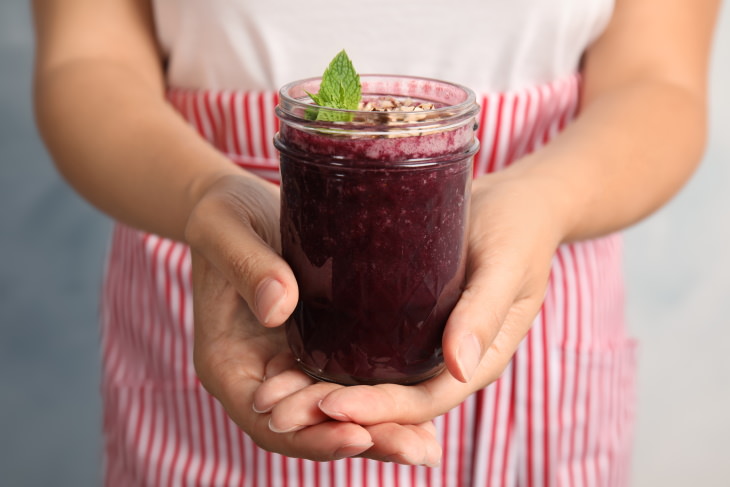
5. Berry smoothies
Beverages For Brain Health Berry smoothie
Herbs and spices are not the only ingredients capable of giving your brain a boost. Apart from being delicious, all berry smoothies and juices are just as good for your cognition and brain health! However you choose to consume blueberries, raspberries, acai berries, or strawberries, all of them make excellent brain food. The natural compounds that make berry juices and smoothies so beneficial are called anthocyanins.

They give berries their bright colors while also acting as powerful antioxidants that guard your brain cells against damage. Research suggests that consuming blueberries, in particular, has a beneficial effect on short-term memory and long-term memory. Just remember that store-bought juices are less beneficial because they tend to be overloaded with sugar, so it’s better to make your own berry juice or smoothie at home.

6. Tea
 Beverages For Brain Health Tea
 
Did you know that tea is the most popular drink in the world after water? The reason why tea is so popular is clear. Like coffee, tea contains caffeine that gives your brain an energy boost, but the effects of tea are much milder, so even those who are usually not allowed to drink coffee, such as kids, can freely enjoy tea. Apart from caffeine, tea contains L-theanine and epigallocatechin gallate (EGCG), both of which contribute to its brain-boosting effects. 
 
EGCG is a well-known antioxidant capable of guarding brain cells against damage. Research has established that this compound can cross the blood-brain barrier, so it could theoretically help neurodegenerative diseases. 
 
As for L-theanine, it is known to reduce anxiety and raise dopamine levels, which is why drinking tea can lift your mood and increase your motivation and attention. A 2021 study from Japan tested how L-theanine influences attention and found that the stuff alleviates brain fog while also promoting working memory and attention. Also, note that low dopamine levels are associated with neurological disorders like Parkinson’s Disease, so consuming tea could potentially help protect your brain. 
 
 
7. Ginseng Tea
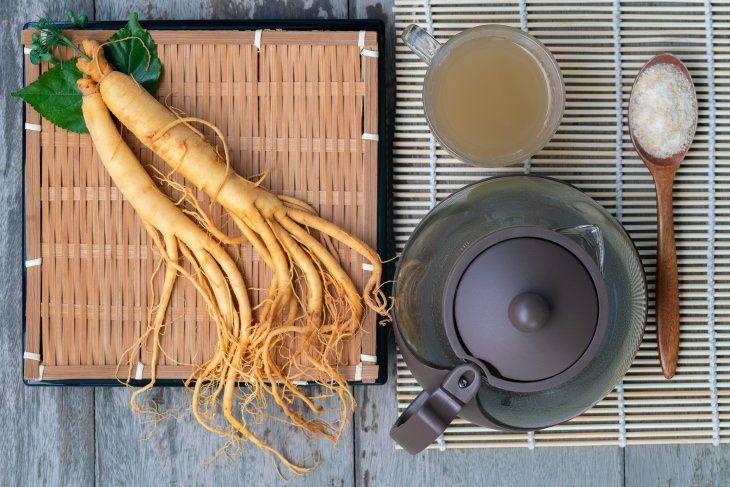
Beverages For Brain Health Ginseng
Ginseng root is one of the most recognized herbs in traditional Chinese medicine. It’s available either fresh, dried whole, or in powdered form. Practitioners have been using this herb for various purposes, including improved concentration and memory, for centuries. 
 
The root contains anti-inflammatory compounds called ginsenosides that were found in preliminary studies to clear beta-amyloid plaques found in the brains of people with Alzheimer's disease. Researchers are continuing to explore ginseng’s potential in aiding memory and preventing neurodegenerative diseases. If you want to start drinking ginseng tea daily and have any underlying health conditions, ask your doctor before you begin. Ginseng can have a blood-thinning effect and can lower blood sugar, so it could potentially interact with your medication and cause side effects. 
 
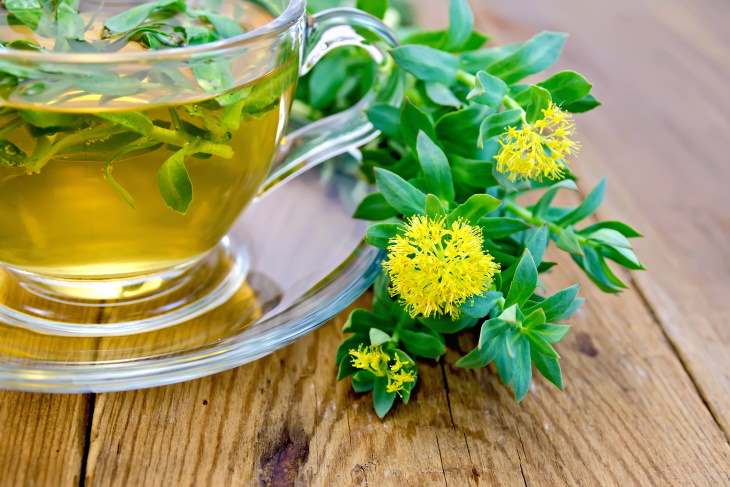
8. Rhodiola tea
Beverages For Brain Health Rhodiola tea

Also known as arctic root or golden root, Rhodiola is an herb native to the mountainous regions of Europe and Asia. Prepared from the dried roots of the Rhodiola rosea plant, Rhodiola teas and tinctures are a traditional remedy for anxiety, depression, and fatigue in Russia and Scandinavia. 
 
The root has over 140 active compounds, the most prominent ones of them being rosavin and salidroside, both of which are strong antioxidants. Research suggests that taking Rhodiola can alleviate fatigue in humans, and a range of animal studies also point to the fact that Rhodiola can boost memory, increase cognition, learning, and reduce symptoms of depression. 
 
9. Lion’s mane mushroom
 
Beverages For Brain Health Lion’s mane mushroom
Mushrooms for brain health? We were just as surprised as you are, but it turns out this shaggy mushroom is widely used in Asian cooking and medicine. Hericium erinaceus is large species of edible fungi that have a white and fluffy body reminiscent of a lion's mane. These mushrooms contain the compounds hericenones and erinacines that stimulate brain cell growth and may even improve the symptoms of mild cognitive impairment, a condition that precedes dementia according to an animal study from 2011. 
 
Fresh lion's mane mushrooms can be harder to find in the US, but they’re sold in powdered form that you can add to hot water and brew into tea or mix into a smoothie. 
 
10. Green smoothies
 
Beverages For Brain Health Green smoothies

Speaking of smoothies, the last beverage on this list is a smoothie you can easily combine with many of the other ingredients we listed earlier. One of the best drinks you can make to boost your brainpower and slow down mental decline is a green smoothie. That’s because just 1 serving of spinach, kale, or any other greens can enrich your body with folate, vitamin C, vitamin A, and lutein. All of these nutrients promote long-term brain health, but they can also improve your energy levels and focus throughout the day.

The specific benefits will, of course, depend on the ingredients you choose to use in your smoothie. Here are just a few recommendations: 
Spinach 
Celery 
Green apples 
Cucumbers 
Kale 
Banana 
Avocado. 
 
To increase mental clarity even further, you can whizz in some of the other ingredients we mentioned earlier, such as beetroot juice, berries, powdered green tea, walnuts, or lion’s mane mushroom powder. 
 
Here’s a basic smoothie recipe suggestion you can try: Green Smoothie Recipe

Ingredients
A handful of raw spinach 
- 1 ripe avocado or banana 
- 1 green apple 
- ½ cup (120 ml) milk 
- 1 cup (245 g) of plain yogurt. 
 
Preparations
1. Wash the spinach and apple. 
 
2. Cut the fruit into big slices. 
 
3. Combine all ingredients in a blender and process until smooth. If the smoothie is too thick, you can add more milk until you reach your desired consistency.  
 
Hope you enjoyed this educational article and learned a thing or two about brain health. One last note: while these drinks are certainly beneficial for your brain and overall health, they are not medicine and cannot replace a treatment you require. If you experience any cognitive decline symptoms, such as lapses in memory, difficulty concentrating, or trouble learning new information, we highly recommend seeking professional help.


This is only for your information, kindly take the advice of your doctor for medicines, exercises and so on.   


Labels: , , , , , , , , , , , , , ,

Saturday, March 25, 2023

All You Need to Know About Pneumonia

Pneumonia is a prevalent infectious illness that can affect people of any age group. Its symptoms include breathing difficulties, high fever, and severe cough, which can lead to hospitalization and even dependence on a ventilator. This disease is particularly rampant during the winter months and poses a threat to many individuals. To help you safeguard yourself during this cold season, we have compiled all the necessary information about pneumonia, including its symptoms, causes, natural remedies, and preventative measures.
What are the symptoms of pneumonia? 
Symptoms of the disease may appear quickly, but in some cases - similar to other respiratory diseases (such as the novel coronavirus) - they take longer to develop and manifest. The speed at which they appear depends to a large extent on the scope and severity of the inflammation, its causes, and the general health of the sick person. Among the common symptoms are: 
 
A general feeling of tiredness 
 
Fever 
 
Difficulty breathing 
 
A cough 
 
Fast respiration 
 
Chills
 
Chest pain.

In cases of severe illness, all the symptoms mentioned could occur simultaneously. However, in the case of mild inflammation, the primary symptoms will be coughing and high fever. These symptoms are a consequence of the immune system's hard work in battling inflammation. This takes a toll on the body's energy levels and restricts airflow to the tissues, resulting in breathing difficulties and fatigue. It's important to note that these symptoms are not to be taken lightly!

As inflammation worsens, the body's ability to absorb oxygen becomes greatly reduced, which can result in serious complications like pulmonary embolism, pleural effusion, hypoxemia (low oxygen levels in your blood), and hypoxia (low oxygen levels in the tissues). To effectively treat these conditions, medical attention is necessary for proper assessment and the use of antibiotics to eradicate bacterial infections. 
 
The causes of pneumonia according to age groups  
Pneumonia can be caused by more than 100 different pathogens in humans, and the most common ones often vary depending on factors such as age. Babies, children, and adults may be infected with different pathogens, and unborn babies can also contract pneumonia from contaminated amniotic fluid or infections in the uterus. As individuals grow older and encounter new microorganisms, the pathogens they are susceptible to change. By the age of 5, the pathogens that children are susceptible to become more similar to those of adults.

Pneumonia can be caused by a variety of factors in adults, with bacteria being the most common pathogen. Other pathogens, such as viruses like Covid-19 and SARS, account for about 20% of pneumonia cases. Those with underlying health conditions or risk factors, such as chronic lung diseases or weakened immune systems, are more likely to contract the infection. They may experience more severe symptoms. Diagnosis, treatment, and recovery from pneumonia are also significant considerations. 
 pneumonia
Diagnosis and treatment 
The diagnosis of inflammation involves multiple steps such as a doctor's questioning about symptoms, physical examination, chest x-rays, and blood tests to confirm the presence of inflammation. If the patient is diagnosed with pneumonia, antibiotics are usually given for a short period, orally or by injection, to eliminate the causative pathogen and prevent complications. In some cases, the patient may need to stay in the hospital for observation, and in severe cases, they may require ventilator support for breathing difficulties. It is imperative to note that the ventilator only provides oxygen to the lungs and is not a treatment for the disease. 
 
The recovery time from pneumonia varies according to the extent of the disease and its severity - mild patients who did not need hospitalization and experienced only a few symptoms are expected to recover in most cases after 5 days, but those who suffer from severe inflammation and are required to be hospitalized and connected to a ventilator are expected to experience a longer recovery period that may even reach several weeks.


What are the natural ways to relieve symptoms of pneumonia? 
Cough relief 
In a study conducted in 2011, it was found that plants such as spearmint and eucalyptus can relieve the throat of people suffering from upper respiratory infections. These plants, which can be consumed in hot tea, help to efficiently break down mucus congestion in the lungs and relieve the inflammation caused by the disease. Also, in a review from 2018, it was discovered that the seeds of Greek fenugreek (fenugreek) are also able to effectively break down mucus, and the preparation of herbal tea based on ground fenugreek is able to reduce coughing. 
 
Relief from FEVER 
When we experience a high fever, it is very necessary to drink plenty of fluids to prevent dehydration since our body tends to release a lot of fluids. It is also recommended to take a lukewarm bath or shower instead of a cold one, as it may worsen the chills and make us feel uncomfortable. Taking a lukewarm shower will help the body gradually and healthily lower its temperature, making it easier to manage sickness. pneumonia

Two ways to ease breathing 
1. A study conducted at the University of Cambridge found that using a fan or electric hand fan directly on the face or legs can decrease the sensation of breathing difficulties among the participants. 
 
2. According to research, a small amount of caffeine can have positive effects on the respiratory tract by functioning similarly to theophylline (a medication used to treat airway blockages and asthma). The benefits of caffeine can last for up to four hours and alleviate symptoms of pulmonary diseases. 
 
Relieving chest pain  
Turmeric tea has also been found to have anti-inflammatory properties that can reduce pain, potentially including chest pain. Additionally, turmeric contains antioxidants and antimicrobial properties that are especially useful in preventing pneumonia, which is often caused by exposure to bacteria.
 
Can pneumonia be prevented? 
The bacteria that cause pneumonia are highly likely to occur in the environment, which makes it difficult to avoid. However, it has been found that following a healthy lifestyle may offer some protection and lower the risk of developing a severe illness. 
 
1. A healthy lifestyle includes avoiding smoking as it is one of the main contributors to pneumonia. Not only does it harm the smoker, but it also puts those around them at risk of respiratory infections. Therefore, quitting smoking is crucial for improving one's health and protecting others. 
 
2. Regular physical activity is a crucial aspect of a healthy lifestyle, recommended for individuals of all ages. Engaging in aerobic or cardio exercises like running, walking, cycling, or swimming can enhance oxygen consumption and elevate the heart rate. This leads to enhanced lung, heart, and immune system function.

3. A wholesome and diverse diet that includes plant-based foods, complex carbohydrates, and dietary fiber while limiting sodium and sugar intake can assist in building a stronger body and fighting off illnesses. 
 
4. When it comes to preventing the spread of bacteria from contaminated areas, personal hygiene plays a crucial role. To avoid spreading bacteria, it's important to sneeze into a handkerchief instead of the air and regularly wash your hands, especially after coming into contact with contaminated areas.


This is only for your information, kindly take the advice of your doctor for medicines, exercises and so on.  

https://gscrochetdesigns.blogspot.com. one can see my crochet creations  
https://gseasyrecipes.blogspot.com. feel free to view for easy, simple and healthy recipes    
https://kneereplacement-stickclub.blogspot.com. for info on knee replacement
https://GSiyers home remedies.blogspot.com     is my latest addition to my blogs. I'm going to add posts there, do give me your valuable feed back on my blogs. Thanks a lot, take care, be healthy and be happy
.  
 

Labels: , , , , , , , , , ,

Monday, January 24, 2022

Golden Milk: Health Benefits and Recipe

There is gold buried in the ground of the Indian Subcontinent, but this one doesn’t come in the form of rocky nuggets, but a knobby, unassuming root: turmeric. The gold powder the root yields has been in use for thousands of years in South Asia as a dye, spice and also in traditional medicine.
Golden milk: with cinnamon
Besides adding a wonderful aroma, color, and flavor to curry stews, turmeric offers a host of health benefits that make it a veritable superfood. But stews and rice dishes aren’t the only way to ingest turmeric, and turmeric-based drinks are becoming more and more popular among health-conscious people, and the hottest thing right now is golden milk, a warm turmeric-based beverage that is both delicious and good for you. But why exactly is ingesting turmeric so beneficial, and in what ways? 
 
Keep reading for a list of benefits of drinking turmeric milk, as well as a recipe for homemade golden milk.

1. It contains a powerful antioxidant
Golden milk: curcumin
A major component of turmeric that gives it its distinctive golden color is the pigment curcumin, which is a powerful antioxidant. Antioxidants help fight cell damage due to oxidative stress which results in aging, DNA mutations, and formation of tumors. 
 
2. It reduces inflammation
Golden milk: inflammation
Curcumin is also a potent anti-inflammatory agent, as is ginger which is another of our golden milk ingredients. Chronic inflammation is believed to play a big part in several chronic diseases, including arthritis, Alzheimer’s, inflammatory bowel syndrome, cancer, and heart disease. Ingestion of golden milk could thus reduce joint pain caused by osteoarthritis and rheumatoid arthritis.

3. It’s good for digestion
Turmeric stimulates bile production, which aids in digestion, waste removal and the effective digestion and absorption of fats. Beyond that, the anti-inflammatory properties of curcumin may prevent the formation of ulcers in people suffering from ulcerative colitis, one of the major types of inflammatory bowel disease. 
 
4. It’s also good for the noggin
Golden milk: brain
Curcumin ingestion has been shown to increase levels of a certain protein in our brain called brain-derived neurotrophic factor (or BDNF for short) which fills an important protective role in brain function. Conversely, reduced BDNF levels have been associated with impaired cognitive function, memory loss, depression, and schizophrenia. 
 
5. It may have an active role in battling cancer
Golden milk: cancer
Take it with a grain of turmeric, as it were, but curcumin may also have some anti-cancer properties. Beyond battling oxidative stress and preempting tumor formation, curcumin has been found to have a more active effect on existing cancer. Test-tube studies have shown that the active ingredient in turmeric can actually kill cancer cells. That being said, the evidence is as yet inconclusive about whether the effect can be replicated in vivo. 
 
How to prepare golden milk:
Golden milk: recipe
Ingredients for two servings:  
• 1 cup milk (for a vegan option, use ½ cup coconut milk and ½ cup almond milk, instead) 
 
• 1 tsp turmeric 
 
• A pinch of ginger powder 
 
• A pinch of black pepper 
 
• ¼ tsp cinnamon powder (or a single cinnamon stick) 
 
• 1 tsp honey or maple syrup 
 
• For the vegan option, add ½ tbsp coconut oil 
 
Instructions: Add all of the ingredients in a saucepan, whisk and simmer for roughly 15 minutes, occasionally stirring, taking care not to bring to a boil. It’s as easy as that.


This is only for your information, kindly take the advice of your doctor for medicines, exercises and so on.   

https://gscrochetdesigns.blogspot.com. one can see my crochet creations  
https://gseasyrecipes.blogspot.com. feel free to view for easy, simple and healthy recipes    
https://kneereplacement-stickclub.blogspot.com. for info on knee replacement

Labels: , , , , , , , , , , , , ,