All You Need to Know About Pneumonia
Pneumonia is a prevalent infectious illness
that can affect people of any age group. Its symptoms include breathing
difficulties, high fever, and severe cough, which can lead to
hospitalization and even dependence on a ventilator. This disease is
particularly rampant during the winter months and poses a threat to many
individuals. To help you safeguard yourself during this cold season, we
have compiled all the necessary information about pneumonia, including
its symptoms, causes, natural remedies, and preventative measures.
What are the symptoms of pneumonia?
Symptoms of the disease may appear quickly, but in some cases - similar
to other respiratory diseases (such as the novel coronavirus) - they
take longer to develop and manifest. The speed at which they appear
depends to a large extent on the scope and severity of the inflammation,
its causes, and the general health of the sick person. Among the common
symptoms are:
A general feeling of tiredness
Fever
Difficulty breathing
A cough
Fast respiration
Chills
Chest pain.
In cases of severe illness, all the
symptoms mentioned could occur simultaneously. However, in the case of
mild inflammation, the primary symptoms will be coughing and high fever.
These symptoms are a consequence of the immune system's hard work in
battling inflammation. This takes a toll on the body's energy levels and
restricts airflow to the tissues, resulting in breathing difficulties
and fatigue. It's important to note that these symptoms are not to be
taken lightly!
As inflammation worsens, the body's ability
to absorb oxygen becomes greatly reduced, which can result in serious
complications like pulmonary embolism, pleural effusion, hypoxemia (low
oxygen levels in your blood), and hypoxia (low oxygen levels in the
tissues). To effectively treat these conditions, medical attention is
necessary for proper assessment and the use of antibiotics to eradicate
bacterial infections.
The causes of pneumonia according to age groups
Pneumonia can be caused by more than 100 different pathogens in humans,
and the most common ones often vary depending on factors such as age.
Babies, children, and adults may be infected with different pathogens,
and unborn babies can also contract pneumonia from contaminated amniotic
fluid or infections in the uterus. As individuals grow older and
encounter new microorganisms, the pathogens they are susceptible to
change. By the age of 5, the pathogens that children are susceptible to
become more similar to those of adults.
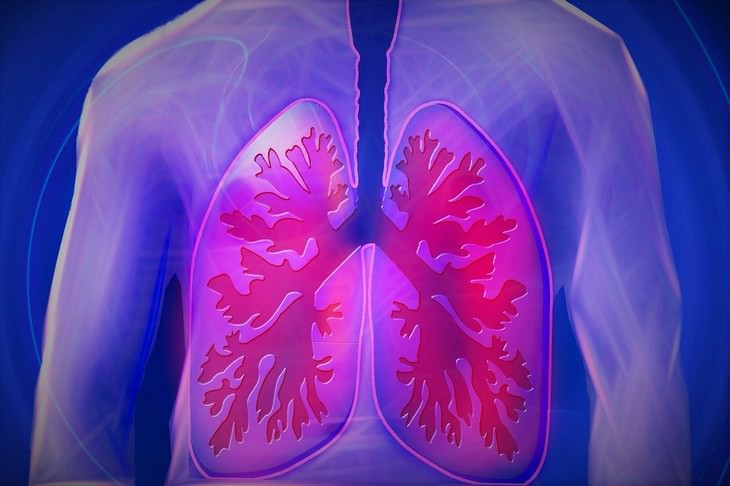
Pneumonia can be caused by a variety of
factors in adults, with bacteria being the most common pathogen. Other
pathogens, such as viruses like Covid-19 and SARS, account for about 20%
of pneumonia cases. Those with underlying health conditions or risk
factors, such as chronic lung diseases or weakened immune systems, are
more likely to contract the infection. They may experience more severe
symptoms. Diagnosis, treatment, and recovery from pneumonia are also
significant considerations.
Diagnosis and treatment
The diagnosis of inflammation involves multiple steps such as a doctor's
questioning about symptoms, physical examination, chest x-rays, and
blood tests to confirm the presence of inflammation. If the patient is
diagnosed with pneumonia, antibiotics are usually given for a short
period, orally or by injection, to eliminate the causative pathogen and
prevent complications. In some cases, the patient may need to stay in
the hospital for observation, and in severe cases, they may require
ventilator support for breathing difficulties. It is imperative to note
that the ventilator only provides oxygen to the lungs and is not a
treatment for the disease.
The recovery time from pneumonia varies according to the extent of the
disease and its severity - mild patients who did not need
hospitalization and experienced only a few symptoms are expected to
recover in most cases after 5 days, but those who suffer from severe
inflammation and are required to be hospitalized and connected to a
ventilator are expected to experience a longer recovery period that may
even reach several weeks.
What are the natural ways to relieve
symptoms of pneumonia?
Cough relief
In a study conducted in 2011, it was found that plants such as spearmint
and eucalyptus can relieve the throat of people suffering from upper
respiratory infections. These plants, which can be consumed in hot tea,
help to efficiently break down mucus congestion in the lungs and relieve
the inflammation caused by the disease. Also, in a review from 2018, it
was discovered that the seeds of Greek fenugreek (fenugreek) are also
able to effectively break down mucus, and the preparation of herbal tea
based on ground fenugreek is able to reduce coughing.
Relief from FEVER
When we experience a high fever, it is very necessary to drink plenty of
fluids to prevent dehydration since our body tends to release a lot of
fluids. It is also recommended to take a lukewarm bath or shower instead
of a cold one, as it may worsen the chills and make us feel
uncomfortable. Taking a lukewarm shower will help the body gradually and
healthily lower its temperature, making it easier to manage sickness.
pneumonia
Two ways to ease breathing
1. A study conducted at the University of Cambridge found that using a
fan or electric hand fan directly on the face or legs can decrease the
sensation of breathing difficulties among the participants.
2. According to research, a small amount of caffeine can have positive
effects on the respiratory tract by functioning similarly to
theophylline (a medication used to treat airway blockages and asthma).
The benefits of caffeine can last for up to four hours and alleviate
symptoms of pulmonary diseases.
Relieving chest pain
Turmeric tea has also been found to have anti-inflammatory properties
that can reduce pain, potentially including chest pain. Additionally,
turmeric contains antioxidants and antimicrobial properties that are
especially useful in preventing pneumonia, which is often caused by
exposure to bacteria.
Can pneumonia be prevented?
The bacteria that cause pneumonia are highly likely to occur in the
environment, which makes it difficult to avoid. However, it has been
found that following a healthy lifestyle may offer some protection and
lower the risk of developing a severe illness.
1. A healthy lifestyle includes avoiding smoking as it is one of the
main contributors to pneumonia. Not only does it harm the smoker, but it
also puts those around them at risk of respiratory infections.
Therefore, quitting smoking is crucial for improving one's health and
protecting others.
2. Regular physical activity is a crucial aspect of a healthy lifestyle,
recommended for individuals of all ages. Engaging in aerobic or cardio
exercises like running, walking, cycling, or swimming can enhance oxygen
consumption and elevate the heart rate. This leads to enhanced lung,
heart, and immune system function.
3. A wholesome and diverse diet that
includes plant-based foods, complex carbohydrates, and dietary fiber
while limiting sodium and sugar intake can assist in building a stronger
body and fighting off illnesses.
4. When it comes to preventing the spread of bacteria from contaminated
areas, personal hygiene plays a crucial role. To avoid spreading
bacteria, it's important to sneeze into a handkerchief instead of the
air and regularly wash your hands, especially after coming into contact
with contaminated areas.
This is only for your information, kindly take the advice of your doctor for medicines, exercises and so on.
https://gscrochetdesigns.blogspot.com. one can see my crochet creations
https://gseasyrecipes.blogspot.com. feel free to view for easy, simple and healthy recipes
https://kneereplacement-stickclub.blogspot.com. for info on knee replacement
https://GSiyers home remedies.blogspot.com is my latest addition to my blogs. I'm going to add posts there, do give me your valuable feed back on my blogs. Thanks a lot, take care, be healthy and be happy.
https://gscrochetdesigns.blogspot.com. one can see my crochet creations
https://gseasyrecipes.blogspot.com. feel free to view for easy, simple and healthy recipes
https://kneereplacement-stickclub.blogspot.com. for info on knee replacement
https://GSiyers home remedies.blogspot.com is my latest addition to my blogs. I'm going to add posts there, do give me your valuable feed back on my blogs. Thanks a lot, take care, be healthy and be happy.
Labels: chest pain, chills, cough n relief from fever, difficulty breathing, Fatigue, personal hygiene, pneumonia, quit smoking, regular physical activities, turmeric tea, wholesome + diverse diet
posted by G S Iyer at 4:22 AM
0 comments
