Wednesday, October 13, 2021

The right way to treat a wound at home

How to treat a wound
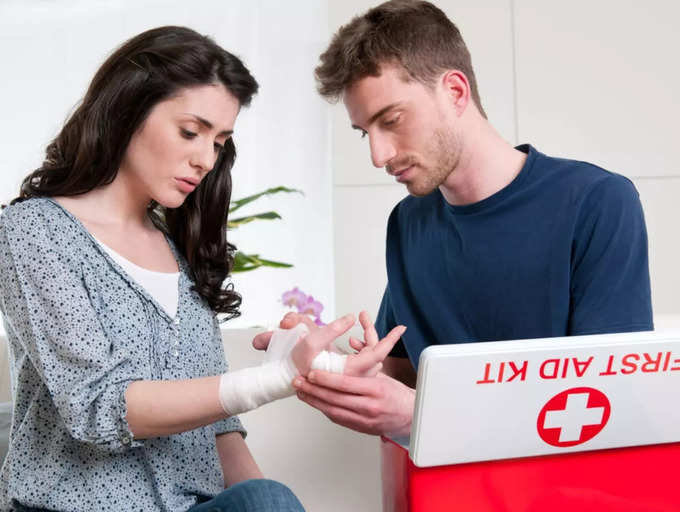
You can be super careful while doing all your activities, yet you cannot rule out the likelihood of getting cuts, scrapes and minor burns while doing household chores. Even with kids, there is always a possibility of getting an injury while playing in the park or cycling.

Be it a major or a minor injury, both need to be dealt with the equal care and precaution. The initial steps to handle injury matter a lot to minimise the risk of complications and speedy recovery.


​Why is prompt action needed after an injury?
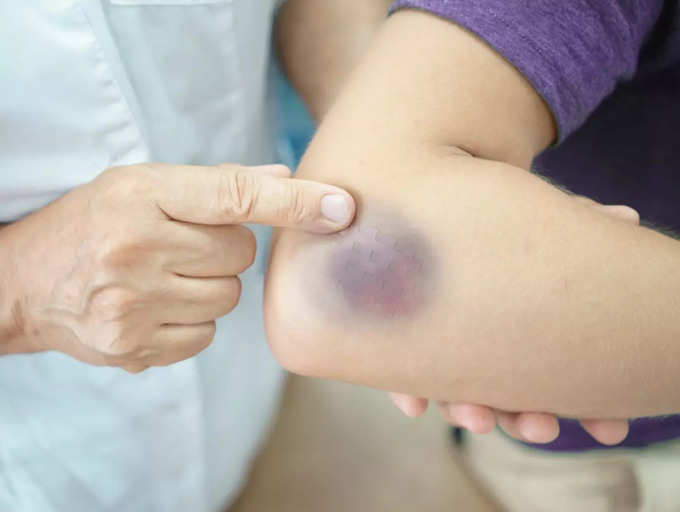
An open wound or injury leaves the internal, delicate tissue of the skin exposed to the external environment. It can increase the risk of infection if initial treatment is not provided on time. Treating the wound properly will help to clear the infection and also increase the speed of recovery. Minor injuries like cuts, scrapes and minor burns can be easily treated at home, by following some easy steps. For major injuries like falls, second and third-degree burns, and fractures, it is advised to seek medical help as soon as possible.


​Steps to treat an open wound

Treating a minor open wound is pretty simple, you just need to have a first aid kit at home with all the basic things like disinfectant, cotton, antiseptic and a bandage. Here are the steps you need to follow:

Wash your hands: Wash your hands with soap and water to remove dirt and debris. If you are wearing any piece of jewellery, remove it as well.

Apply pressure: Apply gentle pressure on the wound if it is bleeding and elevate it to reduce swelling.

Wash the wound: Rinse the wound with water and a saline solution once the bleeding has stopped. Keep them under running water to reduce the risk of infection. If applying soap, wash the skin around the wound.  

Other things to do

Examine for any debris: Look for any debris and dirt trapped in the wound. Remove it carefully by placing it under running water or using tweezers cleaned with saline solution.

Apply antibiotic: Apply a thin layer of an antibiotic or petroleum jelly to keep the surface of the wound moist.

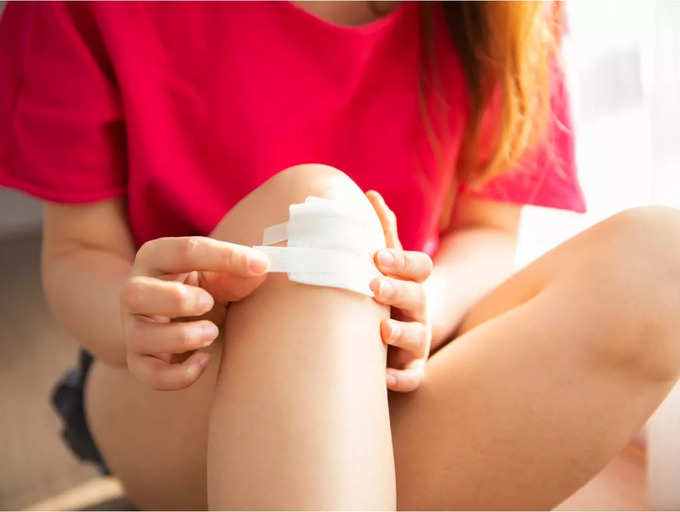
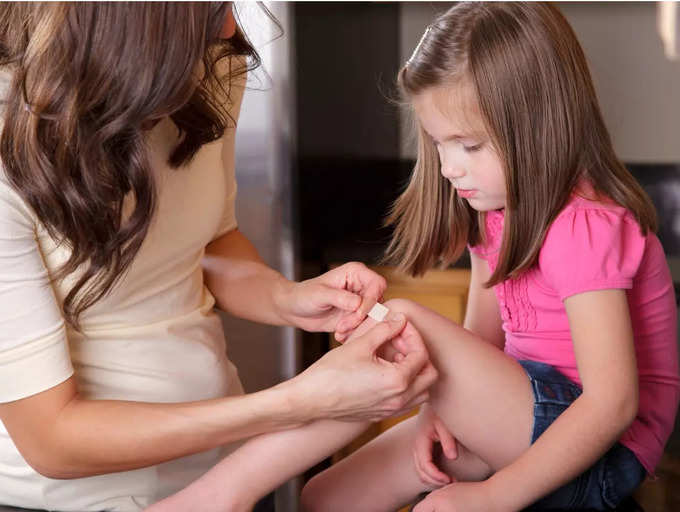
Cover the wound: Apply an adhesive bandage or band-aid to cover the wound.


​Taking care of the wound

The minor injury gets better on its own with time, you do not have to do much. The initial treatment is required to expedite the process of healing. If you have covered your wound with a bandage, you need to examine it from time to time to track the recovery process and consult doctors at the right time when matters get worse.

Change the dressing: Change the dressing at least once a day. You should also change the bandage when it becomes wet or dirty. Clean the area with water, pat it dry with a clean cloth, apply antibiotics and then put a bandage again.

Get a tetanus shot: Get a tetanus shot if you haven't had one in the past six months or the wound is deep.

Watch for signs of infection: If there is any sign of infection on the skin or near the wound consult your doctor.


How to treat burn
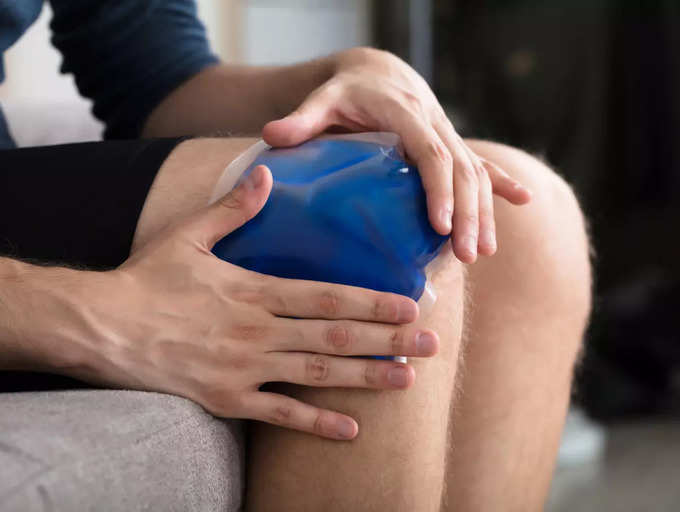
The process of treating a first-degree burn is different from that of treating cuts and scrapes. In the case of burn you cannot apply pressure nor can you put a bandage. These can make your burn worse.

First of all, run cool water over your burn area for about 20 minutes, then wash it with soap and water. After that place a cool compress or clean wet cloth over the burn for relief from pain and swelling. You can apply aloe vera or burn cream over the affected area. Avoid exposing your burn to direct sunlight.

​When to contact your doctor?

If your wound does not appear better after a few days or you witness any of the given symptoms you must consult your doctor immediately.

Redness or swelling

Intense pain

Unusual or increased drainage

Fever or chills


This is only for your information, kindly take the advice of your doctor for medicines, exercises and so on.   

https://gscrochetdesigns.blogspot.com. one can see my crochet creations  
https://gseasyrecipes.blogspot.com. feel free to view for easy, simple and healthy recipes    
https://kneereplacement-stickclub.blogspot.com. for info on knee replacement


Labels: , , , , , , , , , , , , , ,

Tuesday, August 24, 2021

Doctors Explain Exactly What to Do When a Cut Won’t Stop Bleeding

We’ve all been there—maybe you sliced the tip of your finger instead of the bagel, nicked yourself shaving, or got swiped at by a feisty cat. Even the smallest of cuts can bleed excessively, and you should never ignore a bleeding cut, no matter its size.

How to Stop a Minor Cut from Bleeding

❗️The following tips apply to relatively mild injuries. If blood spurts out of your cut, you have an abdominal or chest wound, or bleeding is so severe that it pools on the ground or soaks through your clothes, then call 9-1-1.

First, wash your hands

If the cut is small, first head to the nearest sink and wash your hands to prevent spreading infection to the open wound, according to the doctors. However, if your wound is very large, you’ll want to start applying pressure immediately.

Then, apply pressure

This is the most important step when you have a cut that won’t stop bleeding. “Apply constant pressure for several minutes to allow natural clotting to occur,” explains Joshua Zeichner, MD, director of cosmetic and clinical research in dermatology at Mount Sinai Hospital in New York City.

Use a clean cloth or bandage and gently press on the wound. “Unless someone has a bleeding disorder, applying pressure for 10 to 15 minutes, at most, should be effective. If that doesn’t work, they should be seen by a provider,” says David Brill, DO, a family medicine physician at Cleveland Clinic.

Think twice before you try any home remedies

You may have heard about alternative remedies for helping a wound stop bleeding—usually, these involve placing ingredients like paprika, bentonite clay, or coffee grounds on the cut to help the blood clot. “Paprika has high concentrations of iron, which likely explains its use as a natural treatment to stop bleeding,” says Dr. Zeichner. Bentonite clay and coffee grounds also contain properties that may constrict blood vessels and skin tissues to promote clotting. That being said, it’s impossible to know whether these methods are truly sterile. If you do use one of these ingredients, it’s crucial that you still clean and disinfect the wound afterward.

What to do when the bleeding stops

After the bleeding has stopped, you’ll want to take a closer look at the wound, analyze the damage—is there any dirt lodged inside?—and then clean it. “It is important that the area is thoroughly cleaned,” says Dr. Zeichner.

Clean your cut thoroughly with soap and water—and tweezers, if necessary

Run the wound under some water and gently wash the area around it with gentle soap—but try not to get soap directly in the wound, according to the Mayo Clinic. Make sure you’ve removed any dirt and debris that might’ve gotten into the wound, using tweezers if you have to. If there’s anything you can’t remove yourself, you’ll want to see a doctor for assistance.

Apply antibiotic ointment

When the wound is clean and no longer bleeding, it’s time to start the healing. “It’s important that you are applying antibiotic ointment to the wound after it stops bleeding to prevent an infection,” says Dr. Zeichner. This helps keeps the cut moist and protected.

Dress the wound

Smaller cuts and scrapes can stay uncovered after you've applied ointment, but if your wound is larger or you feel like you need extra protection, you'll want to place a bandage or gauze held with tape over the cut. Be sure to change the dressing at least once a day until the cut is completely closed up and healed.

Get a tetanus shot

If the wound is deep or dirty, consider getting a tetanus shot if you haven't had one in the past five years, according to the Mayo Clinic. This will help prevent infection and serious illness. The doctor recommends getting a Td booster shot every 10 years so you're covered in situations like this.

Finally, keep an eye on your cut as it heals

If you follow all these steps, chances are your wound will heal up normally over the next week or two. However, you should stay alert for any signs of infection, like redness, warmth, tenderness, drainage, or swelling around the cut. If you think the cut could be infected, see your health provider ASAP.

This is only for your information, kindly take the advice of your doctor for medicines, exercises and so on.   

https://gscrochetdesigns.blogspot.com. one can see my crochet creations  
https://gseasyrecipes.blogspot.com. feel free to view for easy, simple and healthy recipes    
https://kneereplacement-stickclub.blogspot.com. for info on knee replacement


Labels: , , , , , , , , , ,