Tuesday, October 19, 2021

The Reasons Why You Have a Stomachache After You Eat

The medical term for stomach pain after eating is postprandial pain, with the term postprandial being translated from Latin as “occurring after a meal.” This type of pain can be occasional or persistent, mild or severe, and it may point to a wide variety of digestive health conditions ranging from indigestion to stomach ulcers and pancreatic issues. We outline the most common causes of postprandial pain in this guide. 
 
1. Dyspepsia

Causes of Postprandial Pain man with stomachache
Pain in the upper abdomen may be due to dyspepsia (indigestion). This pain may also be accompanied by a burning sensation, bloating, and nausea. Certain medications, stomach infections, and even thyroid disease can cause dyspepsia. When no specific cause is found, the diagnosis given to the patient is functional dyspepsia. 
 
 There are three main types of functional dyspepsia: 
 
Postprandial distress syndrome - comes with early satiation and a feeling of fullness in the stomach. 
 
Epigastric pain syndrome - a condition with prominent pain and burning in the upper abdomen. 
 
Gastroesophageal Reflux Disease (GERD) - accompanied by heartburn in the esophagus, a taste of acid in the mouth and throat, and pain when swallowing. 
 
Although many people have gastroesophageal reflux occasionally, people with GERD have symptoms regularly and the acid present can damage the esophagus, so it's good to talk with your healthcare provider if you experience GERD on an ongoing basis.
 
2. Food allergy or sensitivity 

Causes of Postprandial Pain Lactose intolerance
If you’re sensitive to certain foods, they can irritate the stomach and lead to pain. Both food allergies and food sensitivities can bring about stomach pain. Here’s how to distinguish between the two. 
 
A food allergy happens when your immune system mistakes a certain food for a pathogen and releases antibodies to combat the foreign “invader.” This can lead to a mild to severe or even life-threatening allergic reaction. The most common triggers of food allergies are dairy, nuts, fish and shellfish, soy, wheat, and eggs. ​ 
 
A food sensitivity (also called food intolerance) occurs when you can’t digest a certain food or it irritates your digestive system. Unlike an allergy, it doesn’t trigger an immune system response. Lactose intolerance is an example of food sensitivity. It occurs when a person doesn’t have enough of the lactase ferment that digests dairy products, so drinking milk causes an upset stomach and pain. Gluten sensitivities (e.g. Celiac disease) and wheat intolerances are also common, but you can be sensitive to any food. 
 
If you suspect that you’re sensitive to a specific food, but you can’t figure out what it is - keeping a food diary is super helpful. Record what you ate every time you have an adverse reaction (drinks and snacks included). Over time, it will help narrow don’t the culprit and you’ll be able to cut the food that’s causing the pain out of your diet. 
 
3. Stomach Ulcers 
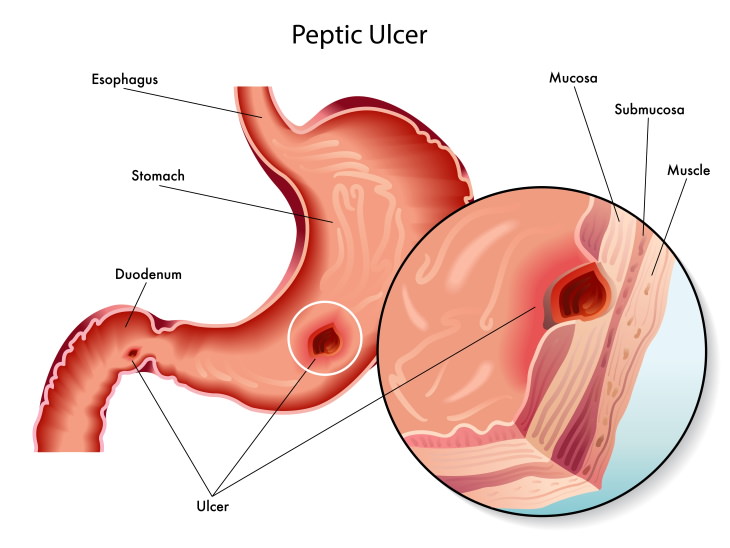
Causes of Postprandial Pain Stomach Ulcers
Stomach ulcers (also known as peptic ulcers and gastric ulcers) are sores that occur in the inner lining of the stomach. Peptic ulcers can also occur in the upper part of the small intestine called the duodenum. 
 
Stomach ulcers can trigger pain anywhere between the upper abdomen and the belly button after eating. Peptic ulcers can be caused by bacteria (most commonly by Helicobacter pylori) or taking medications like NSAIDs (e.g. aspirin, ibuprofen, naproxen) for a long time. Peptic ulcers usually produce burning pain that gets worse after eating spicy foods.
 
4. Food Poisoning
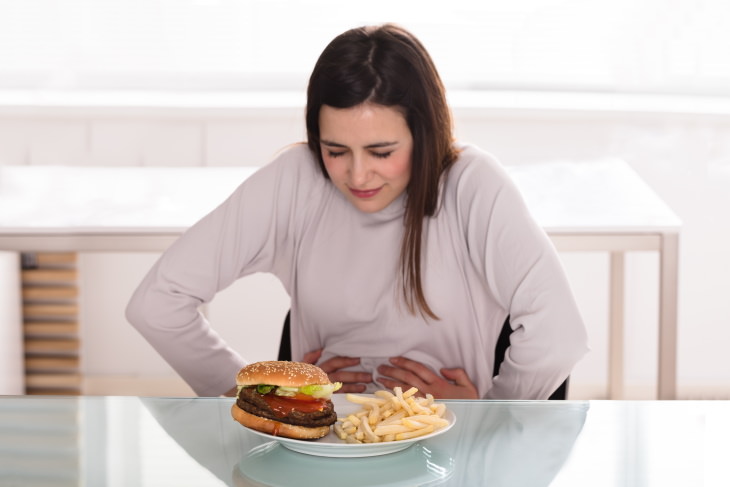
Causes of Postprandial Pain Food Poisoning
Stomach pain that occurs immediately or not long after consuming contaminated foods is the most common symptom of food poisoning. In most cases of food poisoning, the food is contaminated by bacteria or viruses, such as salmonella, norovirus, or E. coli.  
 
Some other symptoms of food poisoning to look out for are: 
 
Fever 
 
Vomiting 
 
Diarrhea 
 
Bloating and gas 
 
Fatigue. 
 
Abdominal cramps caused by food poisoning can persist for hours or days, but most cases of food poisoning will go away on their own if you’re well-hydrated and rest for a few days. If the symptoms persist or are getting worse (e.g. you have a high fever or bloody diarrhea), or you’re experiencing signs of dehydration (e.g. dry mouth, dizziness, extreme thirst), seek urgent medical help.
5. Pancreatitis and gallstones
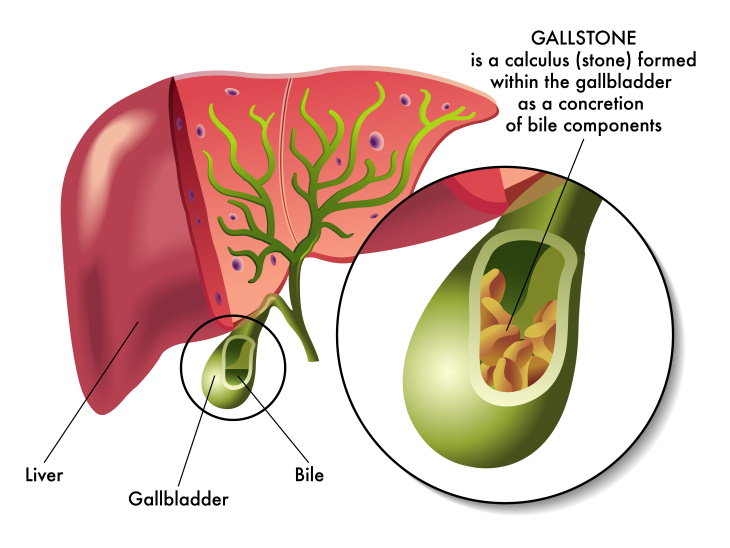
Causes of Postprandial Pain Gallsone
An inflamed pancreas often triggers pain after eating. The pain starts in the upper abdomen and may spread to the back. Pancreatic pain can be caused by gallstones or due to a genetic health condition, and it may get worse when you’re drinking alcohol and smoking. When pancreatitis is caused by gallstones, they may experience more pain after a large meal or a meal high in fat. 
 
Pain can be accompanied by vomiting or nausea as well. Likewise, people suffering from pancreatitis may notice that their skin or the whites of the eyes turn yellowish. This is a symptom called jaundice.  
 
6. Irritable Bowel Syndrome (IBS)
Irritable bowel syndrome is a condition that leads to chronic abdominal pain. Even though pain related to bowel movements is more common for IBS, eating may cause strong intestinal contractions in IBS sufferers as well, which can result in pain in the upper, middle, and lower parts of the belly. 
 
Sometimes, the pain can also spread to the torso. Although there is no cure for IBS, good eating habits can often help diminish the symptoms dramatically. Here are a few useful tips for IBS sufferers who experience postprandial pain: 
 
1. Eat slowly. 
 
2. Have a meal schedule and stick to it. 
 
3. Exclude extremely fatty and processed foods, as well as alcohol and sugary drinks from your diet. 
 
4. Get plenty of exercise to normalize intestinal contractions.
 
Uncommon Causes of Postprandial Pain
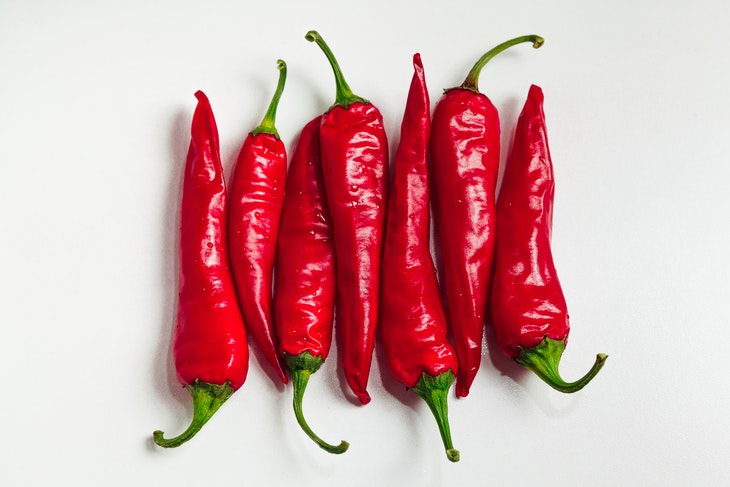
Causes of Postprandial Pain chilli
Eating spicy foods that contain chili peppers can irritate the lining of your digestive tract and stomach, and may result in a burning sensation. 
 
Swallowing air when eating called aerophagy can lead to burping and even sharp pain. It can occur when you chew gum, eat foods like cabbage, onions, beans, and broccoli, or it may be a recurrent issue caused by the anatomy of your digestive tract or stomach. 
 
Intestinal angina (mesenteric ischemia): A problem with blood supply. Overactive thyroid can sometimes cause stomach pain and diarrhea, but it’s rarely the first symptom to appear. 
 
Certain cancers, such as the cancer of the esophagus or stomach.  
 
When to See Your Doctor 
If you’re experiencing any unusual or lingering pain for several days, make sure to schedule an appointment with your physician. Any pain that is severe and debilitating requires urgent medical care, especially if it’s accompanied by a fever, chills, rapid heart rate, jaundice, dehydration, or severe vomiting.

This is only for your information, kindly take the advice of your doctor for medicines, exercises and so on.   

https://gscrochetdesigns.blogspot.com. one can see my crochet creations  
https://gseasyrecipes.blogspot.com. feel free to view for easy, simple and healthy recipes    
https://kneereplacement-stickclub.blogspot.com. for info on knee replacement

Labels: , , , , , , , , , , ,

Saturday, June 26, 2021

Why You May Be Feeling Bloated and What To Do About It

You know that feeling when your tummy is so swollen that you feel like you have to unbutton your jeans, and nothing feels comfortable except for sweatpants? The answer is most probably yes. That feeling is bloating, and it is very common. It is usually caused by excess abdominal gas. While it may feel very uncomfortable, the causes of bloating are usually relatively harmless. If you tend to feel bloated often, it may indicate that a change is needed in your diet or lifestyle and for that, it’s important to get to the root of the problem. These are five common causes of bloating and how to treat and prevent it.

1. Lactose intolerance
Why You Feel Bloated and How to Treat It milk bottles
One of the most common causes of bloating is an intolerance to certain foods, and the most popular culprit is probably lactose. According to the US National Library of Medicine, about 65% of people worldwide are not able to fully digest lactose, which is a type of sugar found primarily in milk and dairy products. 
 
Lactose consists of two sugars, made up of one molecule each of the simple sugars glucose and galactose. People who suffer from lactose intolerance lack the enzyme called lactase, which helps break down and digest lactose. Without sufficient lactase, the lactose moves through your gut undigested and causes various symptoms, such as abdominal cramps, and you guessed it, bloating. 
 
How to treat it  
If you don’t want to abstain from dairy, there are various over-the-counter products that contain the necessary enzyme for breaking down lactose. However, this isn’t a foolproof solution for everyone who’s lactose intolerant, according to Mayo Clinic. 
 
Moreover, if you are not diagnosed with lactose intolerance and are suspecting the issue may be a different type of food, you should consult your physician about an elimination diet or another solution. Before your scheduled visit, keep a food diary for at least a few days and pay attention to which foods are triggering your symptoms.

2. Eating too much fiber
Why You Feel Bloated and How to Treat It fiber rich foods
Although fiber boasts of having many health benefits like reducing cholesterol levels and blood pressure and has a generally positive effect on bowel movement, eating too much of it can cause bloating. That is true especially if you have just recently added or increased your fiber intake. Fiber is not digestible by the human intestine, therefore fiber-rich foods move through the digestive system slowly, and any undigested parts are a feast for gut bacteria, which produce gas as a byproduct. And if there is excess fiber, there can be excess gas. Foods that are known to be very high in fiber include beans, lentils, broccoli, apples, and whole wheat products. 
 
How to treat it  
If you believe that you are experiencing bloating due to extra fiber in your diet, you might need to limit the amount you’re consuming. The Academy of Nutrition and Dietetics recommends the following amounts of daily dietary fiber intake:
 
 25 g per day for adult women. 
 
 38 g per day for adult men. 
 
Less fiber after age 50 (21 g for women, 30 g for men). 
 
More fiber when pregnant or lactating (at least 28 g per day). 
 
If your doctor has recommended adding more fiber into your diet, make sure you start slow and gradually build up how much you consume. This will help your gut and gut bacteria get used to the new fiber and may prevent bloating. 
 
3. Swallowing air
Swallowing air happens naturally when eating and drinking. But in some instances, we can swallow excess air, which leads to gas and bloating. The technical name for it is aerophagia. One of the causes of aerophagia is eating too quickly. It can take 20 minutes for the brain to receive the message from your stomach saying that you’re full. 
 
In that time, a fast eater can make themselves bloated and uncomfortable by overeating before the brain gets the message. Other causes of swallowing extra air include smoking, chewing gum, and hyperventilating, which can happen during an anxiety or panic attack. 
 
How to Treat It 
The first step is trying to identify the source of your aerophagia. You may try to cut back on smoking and chewing gum if any of those are a habit. Eating more slowly is key to gulping down less air, and has other health benefits as well, so trying to make that a habit is worthwhile. It may take a while until it comes naturally; mindful eating can be a great way to start. 
 
If you suspect anxiety could be the reason for your aerophagia, it is best to talk about the issue with a healthcare provider. Steady, slow, deep breaths through the nose and out through the mouth can not only prevent aerophagia but also help resolve the attack.

4. FODMAPs
FODMAPs are certain carbohydrates found in specific foods. These short-chain carbs are resistant to digestion. Instead of being absorbed into your bloodstream, they reach the far end of your intestine where most of your gut bacteria reside. The bacteria then feed on them, and for some people, this can cause fluid buildup, gas, and bloating. 
 
FODMAPs can be found in some fruits, vegetables, whole grains, and dairy - asparagus, garlic, pears, mangoes, peaches, wheat pasta, and rye bread are examples. Another common FODMAP culprit known to cause bloating are artificial sweeteners. Popular sweeteners like sucralose, aspartame, and saccharin can often be found in diet products such as diet soda or gum. 
 
How to Treat It  
You can try a low FODMAP diet. This type of diet has mostly been studies in patients who suffer from irritable bowel syndrome (IBS). According to studies, about 75% of people with IBS experience major reductions in symptoms and impressive improvements in quality of life thanks to a low FODMAP diet. In this case too, it would be a good idea to keep a food diary to track down the food that affects you and ask a dietitian or doctor if FODMAPs might be to blame. When it comes to diet soda or other diet products, check the label. It's likely they contain some kind of artificial sweetener.

5. Too much salt
Sodium, the primary mineral salt is composed of, is one that the body needs in order to regulate blood fluids and prevent low blood pressure, among other health functions. However, most of us consume too much of it. Excess salt causes the body to retain water, predominantly around your abdomen, which causes a heavy bloated feeling. 
 
How to Treat It 
It’s not just the saltshaker you should avoid: it is likely most of the salt you consume comes from prepackaged and fast foods. Check food labels for the sodium levels they contain. it's estimated that your body only needs 186 mg of sodium per day to function properly. 
 
However, it would be near impossible to consume such a small amount and still meet your energy needs and get the recommended intake of other important nutrients. Therefore, the Institute of Medicine (IOM) recommends that healthy adults consume 1,500 mg (1.5 grams) of sodium per day. 
 
If you are feeling bloated already as a result of too much salt, an easy fix is to drink water. That may sound counterintuitive, as you're already feeling overloaded with fluid, but the water will help you to flush out the extra sodium, which is the cause for water retention in the first place.

This is only for your information, kindly take the advice of your doctor for medicines, exercises and so on.   

https://gscrochetdesigns.blogspot.com. one can see my crochet creations  
https://gseasyrecipes.blogspot.com. feel free to view for easy, simple and healthy recipes    
https://kneereplacement-stickclub.blogspot.com. for info on knee replacement


Labels: , , , , ,