Wednesday, March 15, 2023

Why Sleep Paralysis Makes You See Ghosts

Imagine waking up in pitch darkness paralyzed from head to toe. You try to scream but can’t. Suddenly you realize there is a ghost with bloody fangs hovering over you. Before you know, the creature violently attacks you.

While this sounds like something out of a horror movie, experiences like this called sleep paralysis are quite common as shown in our research in more than six countries.

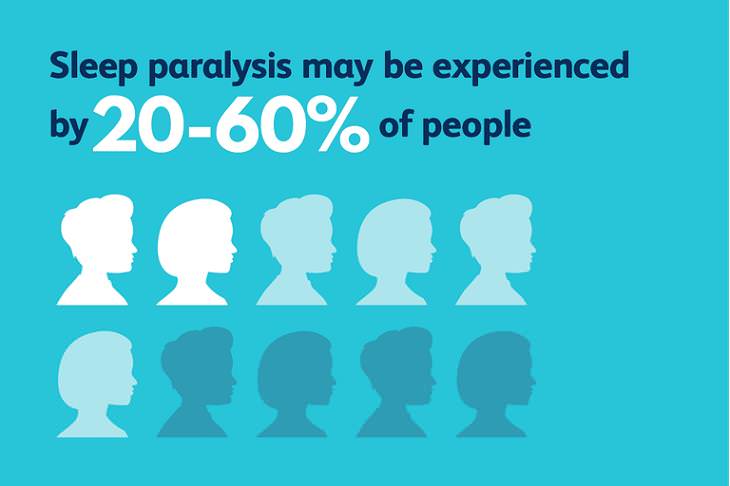
Sleep paralysis—paralysis upon falling asleep or awakening—affects about 1 in 5 people. If being paralyzed when waking up isn’t chilling enough, some people worldwide encounter terrorizing bedroom intruders, ranging from magical witches and demons to blood-sucking vampires. These surreal sights can best be described as a nightmare coming alive before your eyes.

But why does sleep paralysis occur and, crucially, why does it come with these uncanny visions? Although the science behind the bodily paralysis is now understood, it has remained a mystery why you might see a ghost.

Sleep paralysis occurs at the transition between wakefulness and rapid-eye-movement (REM) sleep. During this stage of sleep, you have crisp life-like dreams. To prevent you from acting out these dreams and hurting yourself, your brain temporarily paralyzes your entire body. This transition is tightly controlled by chemicals that tilt you between sleep and wakefulness. But sometimes, you wake up while you’re still under the “spell” of REM paralysis, leaving you stuck. In a sense, wakefulness and the dream world collide.

Based on over a decade of research, we’ve developed a theory to explain how your brain conjures up these compelling images. Instead of epic encounters with otherworldly entities, these visions reflect natural disruptions to your brain’s ability to generate a unified sense of self; the feeling we all have of being anchored here and now in our bodies. I feel firmly grounded in my own flesh and bone and not someone else’s body (I feel my arm belongs to me and not you, say). This sense of embodiment arises in the brain. Phenomena like this provide penetrating insights into how your sense of self comes about and how fragile this can be.

Sleep paralysis can cause spooky sensations of floating outside your body or gazing down upon yourself from the bedroom ceiling. Many cultures like in Egypt and some parts of Italy, believe sleep paralysis to be supernatural in nature. Out-of-body experiences are often described as a type of “astral travel” where the self leaves the physical body journeying into a parallel dimension. But out-of-body experiences can reliably be reproduced in the laboratory. We simply disrupt a brain region called the “temporoparietal junction” in the parietal lobes (top-middle part). This area helps build your “body image” and is important for your ability to distinguish between “self” and “other.” Normally it is turned off during REM sleep, which is why your sense of self is loosened up during dreams. You can see yourself from a third-person perspective (like a Netflix movie), yet other times you’re catapulted into another person’s body.

But more horrifying than becoming a “ghost” is encountering one! According to our research around 40% of all sleep paralysis experiencers report hallucinating during the episode. These often include seeing terrifying ghosts. The shadow-like “creatures” typically lurk in the corner of the bedroom, slowly approaching in on the sleeper, before violently choking and suffocating him and crushing his chest. Sleepers even report being sexually molested by this demonic figure.

My colleague, VS Ramachandran, and I argue that these vivid visions actually result from straight forward brain mechanisms.

During sleep paralysis disturbances to your sense of self (or “body image”) can occur. This idea was partially sparked by the observation that people who are born with a missing arm can experience phantom limbs, that is, feel a powerful presence of their missing arm. Research on phantom limbs suggests we all have a “hard-wired” body map in our brain. Put simply, when a person born with no arm experiences a phantom arm, they feel the presence of the arm that is part of their internal body template (“homunculus”). This map may be wired-up with emotional and visual centers in your brain, dictating your innate attraction to the human shape (and not, say, to the form of a cat or horse, at least for most of us!).

First, we’ve proposed that circuits critical for understanding the intentions of others may be involved. Ordinarily, when you “see” the world from another person’s perspective, you don’t literally feel like you’re leaving your body—you don’t have an out-of-body experience. This is because the activity of these circuits is kept in check by sensory feedback from your body and front brain areas.

But during REM sleep there is no feedback from your body and front brain regions are sluggish. In effect, neurons that help you distinguish between yourself and others become too active, causing the barrier between self and other to dissolve—just like during dreams. Accordingly, merely imagining a “virtual body” (a bedroom intruder) may manifest as a literal (hallucinated) body with agency and intentions.

Second, your brain is a statistical machine and master storyteller. It is prone to linking events around you. Paralysis, crushing chest pressure and chocking sensations, unfortunate remnants of REM sleep, can be conveniently spun into a coherent story. Your brain goes “what is the chance of these events to co-occur by random chance? Probably zero! Therefore, a bedroom intruder is to blame.” At this point your brain will pull from memory regions to complete the narrative, “I’m pinned down and strangled by a ghost sitting on my chest!”

Seeing is not a passive activity of your brain receiving signals from the outside world but also happening from the inside out—your brain’s best guess of what is out there.

Third, neurochemical fluctuations in your brain may create just the right environment for these ghostly visions. Serotonin, famous for improving depression, is used by the brain to wake up a sleeping person. But during sleep paralysis, massive invasion of wakefulness into REM sleep, could instead flood your brain with this chemical substance. This may titillate the so-called “serotonin 2a receptor,” a doorway through which serotonin “talks” with the brain. This receptor is also excited by psychedelic drugs like LSD and psilocybin, causing “mystical experiences”. Intensely tickling this receptor is known to make you prone to ascribe meaning to otherwise “meaningless” things and triggers irresistible fear. It creates the right chemical cocktail for ghosts to flourish—turning a physiological experience like sleep paralysis into a chilling supernatural encounter.

Finally, it has remained a grand mystery why people tend to see faceless shadow creatures (silhouettes) during sleep paralysis. This surely adds to the mystery of the experience. It is difficult to defend yourself against an elusive shape-shifting demon—as the saying goes, “men fear most that which they cannot see.” It leaves room for imagination to run amok.


Labels: , , , ,

Tuesday, December 29, 2020

9 Questions for the Sleep Deprived

Everyone deserves a good night's sleep, but sometimes, for one reason or another, we cannot get the sleep that we require. If you are having difficulty getting to sleep each night, and want to get to the bottom of what could be causing it, you should ask yourself these 9 important questions. Then speak to your doctor about your options.

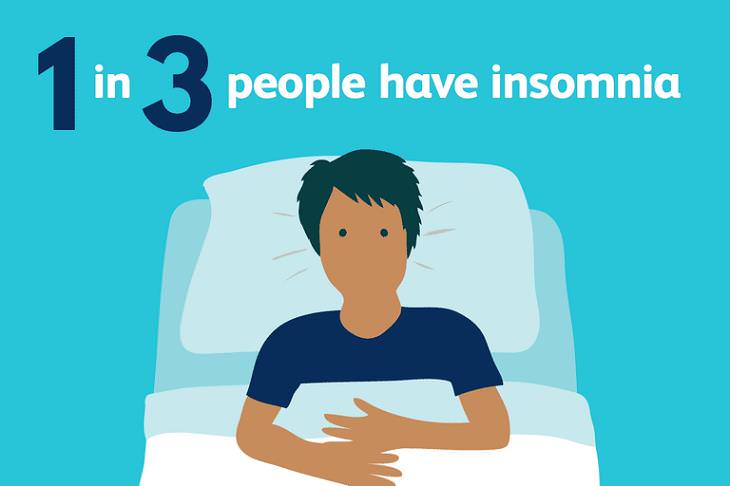
1. Am I Tossing and Turning?
Insomnia is the most common sleep disorder and becomes more frequent as we get older. Women are more likely to suffer from insomnia, especially within the setting of sleep apnea that occurs after menopause. For some reason, insomnia also seems to be more prevalent among those who are unemployed, single, or of low socioeconomic status.

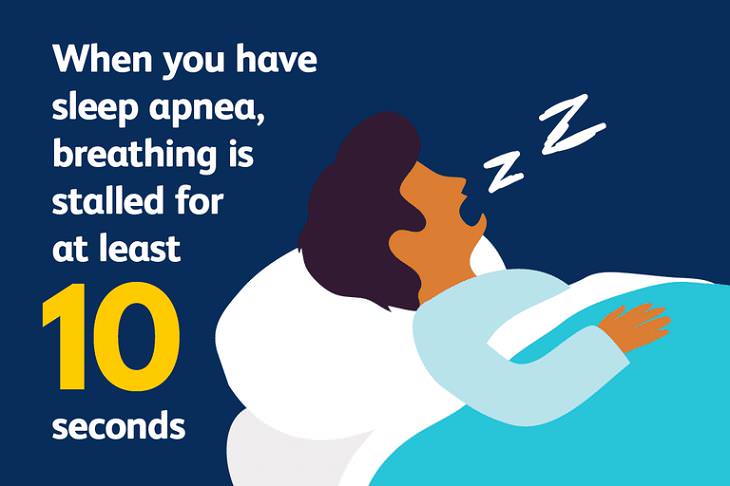
2. Am I Having Trouble Breathing?  
Someone who has sleep apnea may experience loud snoring, brief pauses in breathing, and intermittent gasping. During apnea attacks, the oxygen levels in the blood drops, the heart rate increases, and sleeps becomes disrupted, as the affected person wakes up in order to resume breathing. This can have serious consequences on sleep quality, daytime function, and overall health. 
 
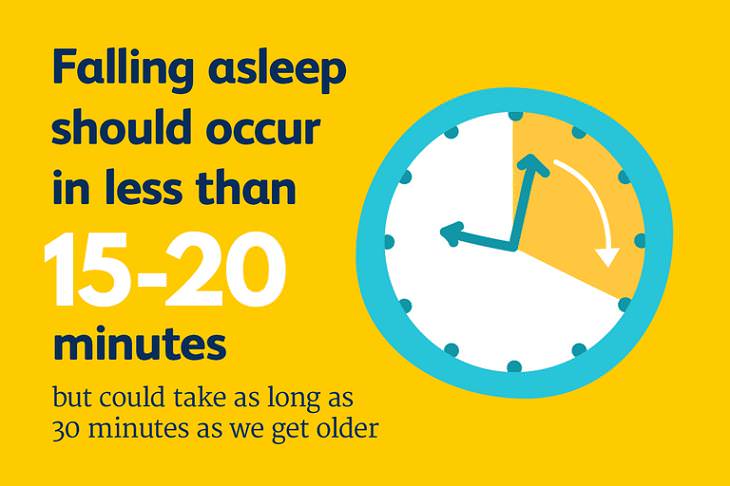
3. How Long Does it Take Me to Nod Off? 
Sometimes our expectations regarding our sleep might be slightly misguided. The belief that we will fall asleep as soon as we retire to our beds is a bit misleading. Deadlines, responsibilities, anxiety, or even other health issues can all impact the rate at which we fall asleep. 
 
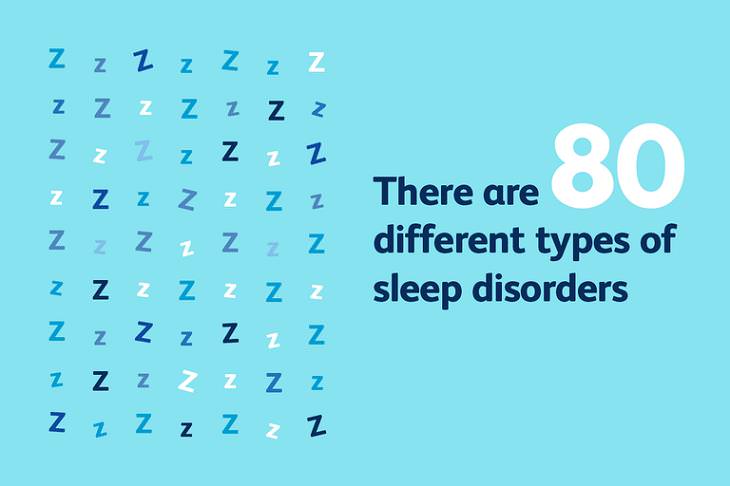
4. Could I Have a Serious Issue? 
Sometimes it can help, from a psychological as well as medical standpoint, to take a look at the long list of established sleep issues that could be hindering you. It may help if you can place a finger on the exact problem that is disturbing your sleep and preventing you from feeling refreshed. 
 
5. Is My Child Getting Enough Shut-Eye?  
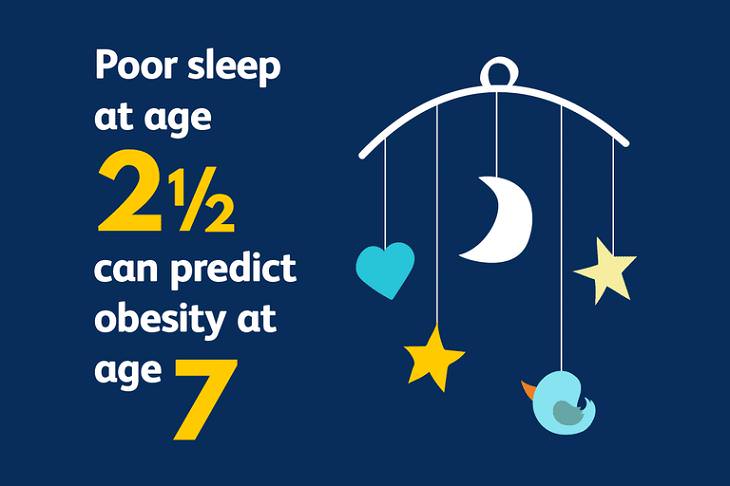
When children don't get enough sleep, they are at risk of undermining their overall health. Researchers have hypothesized that sleep disruption could cause permanent damage to the area of the brain known as the hypothalamus - the area responsible for regulating appetite and energy expenditure.
 
6. Do I Have Trouble Waking Up?  

Sleep paralysis is the inability to move or speak as one moves from sleep to wakefulness, without other findings that are characteristic of narcolepsy. No treatment is necessary, but avoiding sleep deprivation, stress, and other precipitants might be helpful. 
 
7. Am I Tired by Mid-Day? 
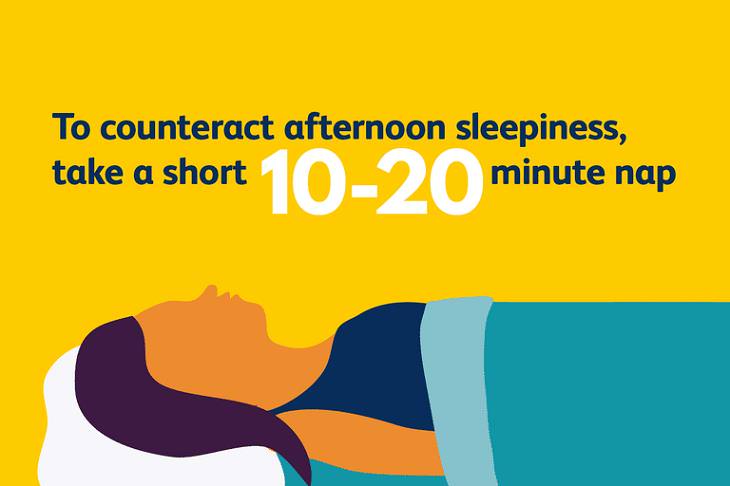
When it comes to reaping the benefits of taking a nap, it is all about experiencing the right stages of sleep. For example, if your nap takes you from stage one sleep (just drifting off) to stage two (the slowing down of brain activity), you will wake up feeling more alert and energized. However, if your nap takes you to stage three and four (deep sleep), you will wake up feeling groggy and tired. 
 
8. Do I Get a Solid Night's Sleep?  
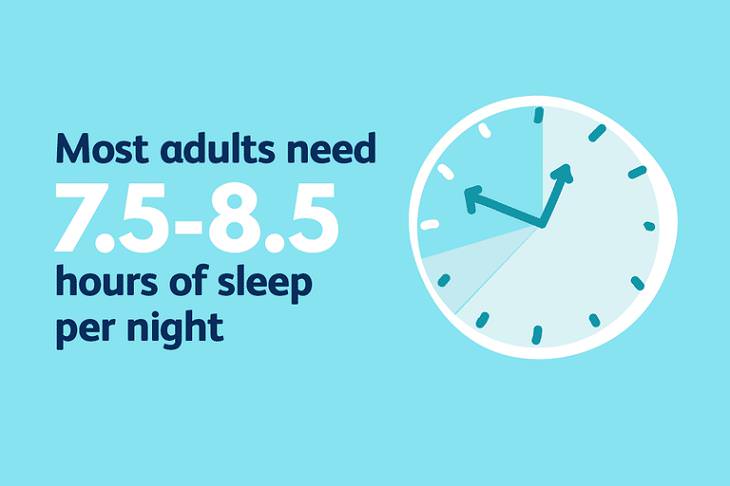
If you get less than 7.5-8.5 hours of sleep each night, you may be operating under a sleep deficit. As a result, you may be prone to cognitive impairment, motor skill impairment, emotional irritability, weakened immunity, and weight gain. 
 
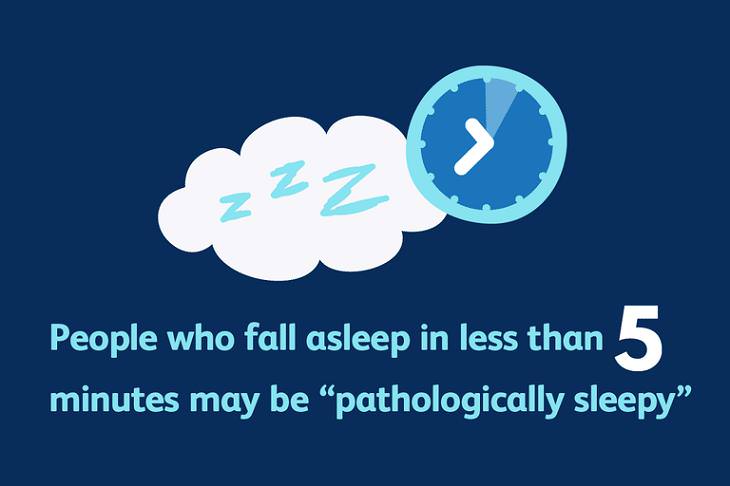
9. Am I Dozing Off Too Fast? 

You might think that you're a perfect sleeper if you nod off quickly or if you can fall asleep anywhere. 
However, being able to fall asleep fast could actually be a sign of an abnormality with your sleep.

This is only for your information, kindly take the advice of your doctor for medicines, exercises and so on.     

https://gscrochetdesigns.blogspot.com. one can see my crochet creations  
https://gseasyrecipes.blogspot.com. feel free to view for easy, simple and healthy recipes    
https://kneereplacement-stickclub.blogspot.com. for info on knee replacement


Labels: , , , , , , , ,

Sunday, November 05, 2017

Sleep Paralysis: Causes, Symptoms & Treatment

Sleep paralysis is a feeling of being conscious, but unable to move. It’s a condition that occurs when a person passes between stages of wakefulness and sleep. When is happens, you might not be able to move or speak for few seconds or few minutes. It is a quite weird sensation that  not being able to move when you’re aware of your surroundings.
 
Occurence of Sleep Paralysis
 Sleep paralysis either just when one falls asleep or before waking up. If it occurs while you’re falling asleep, it’s known as hypnagogic or predormital sleep paralysis. If it occurs as you’re waking up, it’s known as hypnopompic or postdormital sleep paralysis. Hypnagogic Sleep Paralysis
As you drift off to sleep, your body slowly relaxes. Usually, you become less aware, so you don’t notice the change. However, if you remain or become aware while falling asleep, you might notice that you can’t speak or move.
Hypnopompic Sleep Paralysis
When you’re asleep, your body alternates between REM (rapid eye movement) and NREM (non-rapid eye movement) sleep. One cycle of REM and NREM sleep lasts about 90 minutes. NREM sleep occurs first and takes up to 75% of your overall sleep time. During NREM sleep, your body relaxes and starts to restore itself. At the end of NREM, your sleep shifts to REM. Your eyes move quickly, and dreams occur, but the rest of your body remains relaxed. Your muscles are “switched off” during REM sleep. If you become aware of this before the REM cycle has finished, you may notice that cannot move or speak.
Symptoms of Sleep Paralysis 
The main symptom of sleep paralysis is being completely aware of your surroundings, but being unable to move or talk. However, during an episode, you might also:
• be able to move your eyes (some people can open their eyes while others cannot)
• find it difficult to take deep breaths, as if your chest is being crushed or restricted
• have a feeling that there is someone else in the room with you
• feel very frightened
Who Does This Happen to?
As many as four out of every 10 people may suffer from sleep paralysis. This condition is often first noticed in the teen years, but men and women of any age can have it. Individuals with mental disorders such as anxiety and depression are more prone to frequent episodes of sleep paralysis. Other factors that may be linked to sleep paralysis include:
• Lack of sleep
• Sleeping on your back
• Other sleep issues such as narcolepsy or night time leg cramps
• Sleep schedules that change
• Use of certain medications, such as those for ADHD
• Substance abuse 

Diagnosis
If you find that you’re unable to move or speak for a few seconds or minutes when waking up or falling asleep, then it’s likely that you have isolated recurrent sleep paralysis. There’s often no need to treat this condition.
However, if you have any of the following conditions, you should get them checked out by a doctor:
• You feel anxious about your symptoms
• Your symptoms leave you tired throughout the day
• Your symptoms keep you awake at night

Treatment
Most people need no treatment for sleep paralysis. Treating any underlying issues such as narcolepsy may help if you’re anxious or unable to sleep well. These treatments may include:
• Improving sleep habits – such as making sure you get 6-8 hours of sleep every night
• Taking antidepressants if they are prescribed to help regulate sleep cycles
• Treating any mental health problems that might contribute to sleep paralysis
• Treating any sleep disorders such as leg cramps or narcolepsy

As a rule of thumb, one episode of sleep paralysis does not warrant a trip to the doctor’s office. Healthcare professions recommend that those who suffer from rare episodes of sleep paralysis pay particular attention to their sleeping habits, as sleep deprivation increases the chances of an episode.
 
THIS IS ONLY FOR INFORMATION, ALWAYS CONSULT YOU PHYSICIAN BEFORE HAVING ANY PARTICULAR FOOD/ MEDICATION/EXERCISE/OTHER REMEDIES. PS- THOSE INTERESTED IN RECIPES ARE FREE TO VIEW MY BLOG-                      
HTTP:GSEASYRECIPES.BLOGSPOT.COM/
FOR INFO ABOUT KNEE REPLACEMENT, YOU CAN VIEW MY BLOG-                                                                       
HTTP://KNEE REPLACEMENT-STICK CLUB.BLOGSPOT.COM/
FOR CROCHET DESIGNS

HTTP://MY CROCHET CREATIONS.BLOGSPOT.COM
 

Labels: