Monday, June 08, 2026

Pediatrician with over 35 years of experience shares 3 parenting lessons Indian parents can learn from Swiss families

When it comes to raising children, every country has its own  unique way. However, one thing is certain that some parenting styles stand out better than others, and this provide valuable lessons for parents everywhere.

Recently, Dr. Ravi Malik, a senior pediatrician with over 35 years of experience shared a few observations from Switzerland. The doctor shared the simple yet meaningful ways parents can help children grow with confidence, independence and emotional security.

Swiss families encourage independence from an early age

One of the most noticeable things for Dr. Ravi was how Swiss families encourage independence from an early age in children. He observed that in many places children as young as 6 years old could be seen going home after school on their own.

 Swiss families encourage independence from an early age

This is a mere example that shows that children are gradually taught about their responsibilities and are made aware. They get to handle small tasks on their own. For Indian parents this is like a reminder that children need-age-appropriated independence.

Swiss parents never scold their children in public places

Dr. Ravi says that parents in Switzerland are very mindful about how they discipline their children, especially in public places. The pediatrician noticed that parents there avoid scolding,  shouting or publicly embarrassing children.

They also don’t name and shame them. Instead of all this, they focus on guiding children with respect and patience.
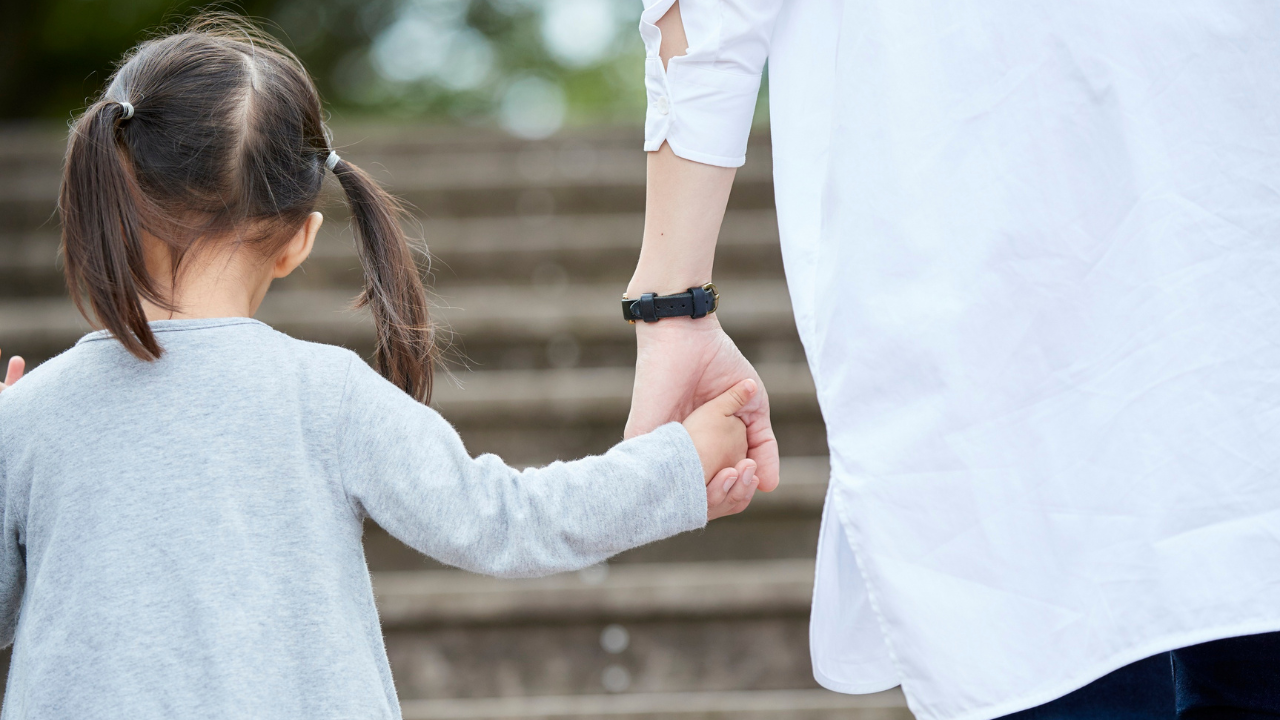
 Swiss parents never scold their children in public places

The way parents discipline can leave a big impact on children. When children feel criticized in public, they feel ashamed, and thus barely understand the mistake. On the other hand, respectful communication is what teaches them lessons.

Kids are encouraged to engage in outdoor play
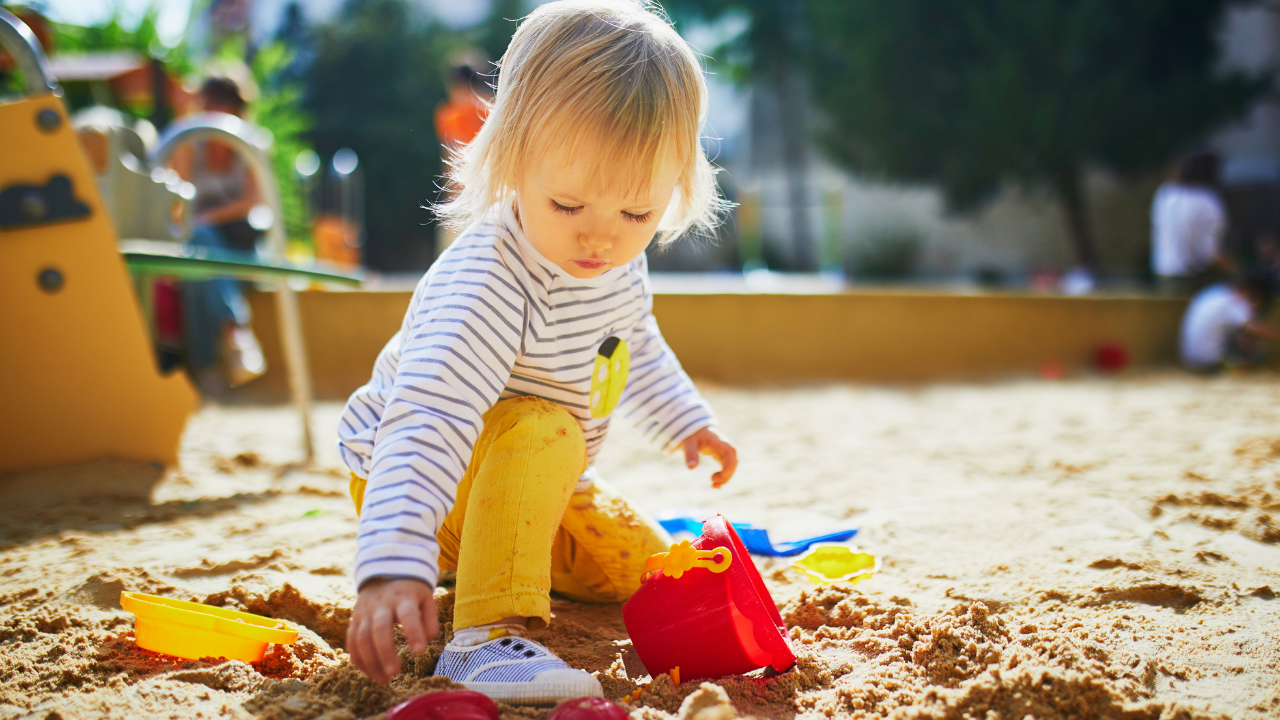
 Kids are encouraged to engage in outdoor play

In recent years, kids are indulging in screens so much that they rarely spend time outside. But in Switzerland, parents encourage kids to spend time outdoors for at leas 2 hours, says Dr. Ravi. Whether it’s snowy, sunny or cold outside, Swiss parents make sure physical activities are a part of their child’s daily routine.

Experiencing nature and exploring new things also helps children build confidence, and social skills from an early age.

The goal here is not to copy another country’s parenting style, but to understand the values behind it. The Dr.'s observations highlight some important parenting principles that can benefit families everywhere.

Of course, I do understand that due to security reasons, we make sure that children don't return home alone from school. In Switzerland, the crime rate is low, less population than in India. But still certain points are worth following like outdoor activities daily, never shouting or criticizing children in public, as it leaves a deep scar in them.


This is only for your information, kindly take the advice of your doctor for food, medicines, exercises and so on.   


Labels: , , , , , , ,

Friday, February 28, 2020

How Your Gut Affects Your Mood, According to a Doctor

What sparked your passion for the food-mood link?

When I thought about the advice I was giving as a physician, like “Don’t eat cholesterol” and “Stop eating fat,” I realized that doesn’t help people eat. I became intrigued with this notion of helping steer people toward a more joyful, more nutrient-dense relationship with food. Helping them think, “How do you, as an eater, want to exist?” Intentionality in eating has been lost for people. The No. 1 thing for me is about helping people prioritize their mental health, and food becomes this wonderful way for us to do that. We often are eating for something such as for heart health or to avoid cancer, but what if we can eat to avoid depression, if we can eat to avoid dementia? We’re not going to cure all of those illnesses just by food, but it’s something we can do in our everyday lives to tilt the scale in our favor. It empowers patients to know they can fight back with other tools beyond medication and psychotherapy.

Can food really make us happier?

Since we published The Happiness Diet in 2011, the data has exploded around what dietary patterns are most related to depression risks. It’s become very clear that following a more traditional dietary pattern like the Mediterranean diet drastically decreases your risk of depression and dementia. But there’s also a commonsense check: How much science do I actually need to prove to you that what you eat affects how you feel? It’s a fascinating and powerful disconnect. We all know what we eat affects how we feel, but somehow, we haven’t tied brain health and our mental health to what we eat. Mental health is a combination of what’s going on in your gut and what’s going on in your brain.

How do you foster a joyful relationship with food?

One of our goals with joyful eating is to look for a way to increase the nutrient density of the things that you love. If you love carbohydrates, awesome. How do you eat more nutrient-dense carbohydrates, meaning more nutrients per calorie, more nutrients per gram of sugar? I’m a big fan of purple sweet potatoes. People have been confused that carbs are bad, but when we prioritize eating for our mental health and brain health, you start to think, “Well, what does the gut love to eat?” And the microbiome, the bacteria in your gut, they love to eat resistant starches. And so, purple sweet potatoes, those are common in our house.

Which “trending” foods are you most excited about?

My No. 1 favorite food that’s poppin’ is bivalves: mussels and oysters. A dozen oysters a couple times a month will totally change the game—they’re just so nutrient-dense. If you want the nutrients and don’t want to deal with raw seafood, mussels are a really inexpensive way to get it all: long-chain omega-3 fats, protein, and B12.

How can someone make a positive change in their life?

Think beyond food; think of the context of your meal. Eating with people that we care about, sharing food, and preparing food together is one of the ways that food connects us. It’s one of the most important mental health aspects of food, and it has nothing to do with the nutrients. It’s that when we sit down at a table with people, something magical happens. A lot of our best memories and most wonderful conversations happen over a good meal.


This is only for your information, kindly take the advice of your doctor for medicines, exercises and so on.     

https://gscrochetdesigns.blogspot.com. one can see my crochet creations  
https://gseasyrecipes.blogspot.com. feel free to view for easy, simple and healthy recipes    
https://kneereplacement-stickclub.blogspot.com. for info on knee replacement
 

Labels: , , , , , , , , , , , ,