Sunday, April 14, 2024

LIFESAVING: What Should You Do if You’re Having a Stroke?

 Stroke is one of the leading causes of death in the US. Every year, 140,000 Americans die of stroke and many more are left with irreparable brain damage. Deaths from stroke are especially common in the American southeast, northern Texas and parts of Oklahoma (in what is sometimes called the “stroke belt”), particularly among low-income households. 

But what is stroke, how can you recognize a stroke as it’s happening to you and what should you do if you suspect you’re having a stroke? 

In case you think you’re having a stroke right now, stop everything and call 911
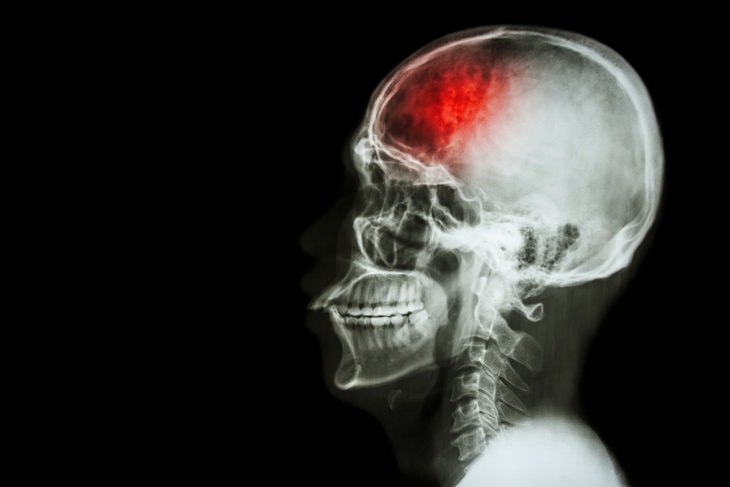
Stroke: stroke

A stroke is a disruption in the blood flow to the brain that causes rapid cell death, ending in death, coma, or physical and mental disability. Around 75% of stroke survivors are disabled to some degree, as the damage to the brain during the stroke hampered their ability to move or communicate.

The two types of stroke are ischemic and hemorrhagic. By far the most common type of stroke, an ischemic stroke is caused by loss of blood flow to the brain, typically due to a clot in the arteries. Hemorrhagic strokes are far less prevalent at only 15% of strokes, but they are far deadlier, accounting for around 40% of stroke deaths. They are caused by damage to a blood vessel in the skull, resulting in internal bleeding in the brain or the meninges, the coverings that envelop and protect the brain.

Are you at a higher risk of having a stroke?
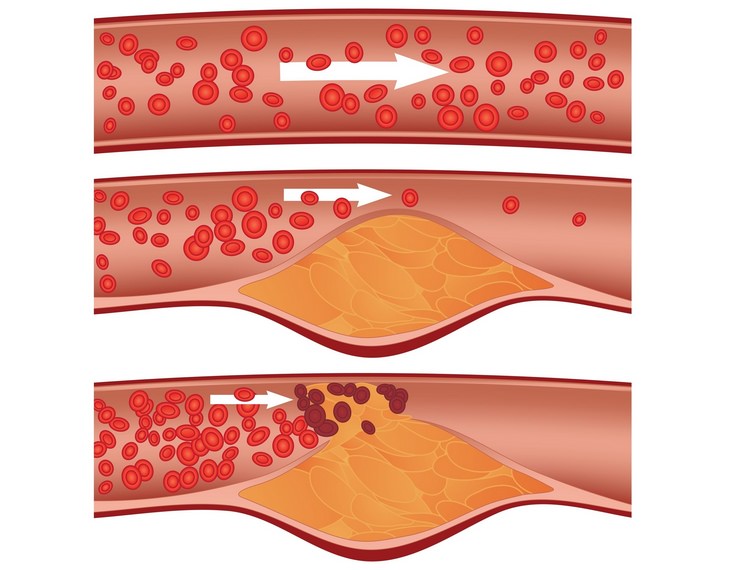
Stroke: blood clot 
The number one cause of any type of stroke is high blood pressure, as this condition can both weaken and rupture blood vessels as well as lead to the formation of blood clots and a layer of plaque within the arteries. High blood pressure (also called hypertension) is defined as a blood pressure measurement of 130/80 mmHg and above.

Seniors make up nearly 75% of stroke victims, as the odds of having a stroke more than double each decade after the age of 55. This is largely due to a weakening arterial integrity on top of other preexisting risk factors. Additionally, women are more susceptible to have a stroke than men, and die at a higher rate from stroke than men.

Common risk factors for stroke include smoking, diabetes, sickle-cell anemia, a sedentary lifestyle, obesity, and a diet rich in fat, oil and salt.

Here are several surprising risk factors for stroke and other cardiovascular diseases.

How to identify a stroke?
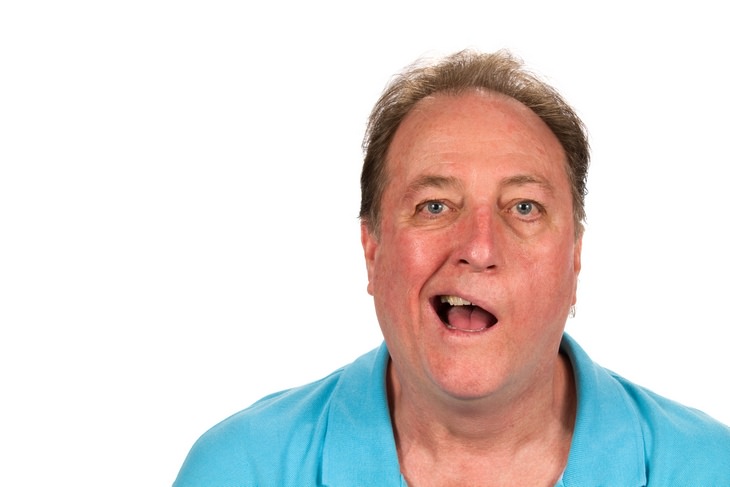
 Stroke: drooping face
The tell tale signs of a stroke 
 
1. One side of the face drooping downeven when the person is trying to smile.

2. One arm dropping to the side uselessly.

3. Slurred and nonsensical speech.

If someone displays either of those signs, call an ambulance, as time is of the essence.


What does a stroke look like?

The symptoms of a stroke vary, depending on several factors, such as the side of the brain that was affected and your gender. Common symptoms include: 
 
• Feeling numbness in the face or limbs, particularly on one side of the body 
 
• Sudden trouble seeing with one or both eyes 
 
• Problems associating language (either written or spoken) with meaning 
 
• Difficulty speaking or forming meaningful words 
 
• Losing balance and coordination 
 
• Dizziness 
 
• A severe, inexplicable headache

Additionally, these symptoms are specific to women: 
 
• Nausea and vomiting 
 
• Seizures 
 
• Hiccups 
 
• Labored breathing 
 
• General weakness and pain 
 
• Loss of consciousness 
 
All stroke symptoms tend to appear suddenly and in full force. In 1996, neuroscientist Jill Bolte Taylor had a massive stroke on the left side of her brain. 

What can you do if you have a stroke?
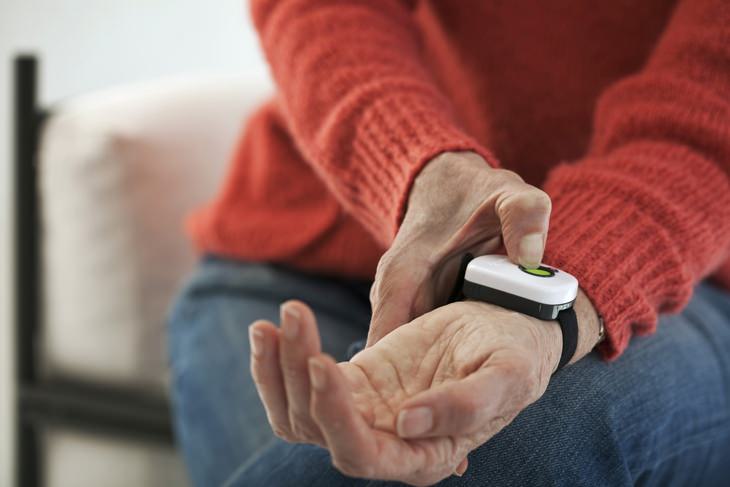
 Stroke: emergency bracelet
The first thing you should do if you think you’re having a stroke is call 911 immediately. Tell the operator that you suspect you’re having a stroke. 911 operators are often trained to suspect that a caller with slurred speech has a stroke, so even if they don’t understand you, they may be able to send help.

While there is little you can do when you’re having a stroke, there are ways to better prepare for it: 
 
If you’re in the risk group of having a stroke, you should consider getting a wearable medical alarm button. Seeing as how complex motor functions and communication might be impaired by a stroke, preventing you from effectively placing a call to 911, having a one-click solution that will send help your way can be invaluable in saving time- and your life. 
 
Several apps in your app store, such as SirenGPS (iOS, Android) can also serve as an emergency button, sending out your location information to family members who have the app installed, and informing them you made a call to 911. They will then be able to pass along your location to the first responders, who will be able to get to you more swiftly. 
 
Consider printing out these first aid instructions for a stroke emergency, which include step by step care, medical and contact information, which you can give to the nearest person in case you think you’re having a stroke. 
 
No one can anticipate a stroke, but being prepared for it in advance could mean the difference between life and death.
 
 
This is only for your information, kindly take the advice of your doctor for medicines, exercises and so on.   

https://gscrochetdesigns.blogspot.com. one can see my crochet creations  
https://gseasyrecipes.blogspot.com. feel free to view for easy, simple and healthy recipes    
https://kneereplacement-stickclub.blogspot.com. for info on knee replacement
https://cancersupportindia.blogspot.com  for infor on cancer and health related topics
https://GSiyers home remedies.blogspot.com   is the latest addition to my blogs. I'm going to add posts there, do give me your valuable feed back on my blogs. Thanks a lot, take care, be healthy and be happy.

Labels: , , , , , , , ,

Sunday, March 21, 2021

Researchers find supplements may protect those with low vitamin D levels from severe COVID-19

Patients with low vitamin D levels who are hospitalised for COVID-19 may have a lower risk of dying or requiring mechanical ventilation if they receive vitamin D supplementation of at least 1,000 units weekly, according to a study presented virtually at the Endocrine Society’s annual meeting.

The findings were published in the Endocrine Society’s Journal of Clinical Endocrinology and Metabolism.


“Given how common vitamin D deficiency is in the world and the United States, we believe that this research is highly relevant right now,” said co-author Sweta Chekuri, M.D., of Montefiore Health System and Albert Einstein College of Medicine in the Bronx, New York.


Research has shown that vitamin D supplementation can prevent inflammation in other respiratory diseases, but there have been limited studies examining the role of vitamin D supplementation in COVID-19.


The purpose of the study was to determine whether being supplemented with vitamin D before being admitted to the hospital with COVID-19 resulted in less severe COVID-19 disease in patients with a low vitamin D level.


The researchers studied 124 adult patients with low vitamin D that was measured up to 90 days before their admission for COVID-19. They compared the patients who were supplemented with at least 1,000 units of vitamin D weekly to those who had not received vitamin D supplements in terms of whether they were mechanically ventilated or died during admission.


They found that patients who were supplemented were less likely to be mechanically ventilated or to die the following admission, though the finding wasn’t statistically significant (37.5 percent of patients who were not supplemented vs. 33.3 percent of those who were) They also found that more than half of those who should have been supplemented were not.


“Though we weren’t able to show a definitive link to severe COVID-19, it is clear that patients with low vitamin D should receive supplementation not only for bone health, but also for stronger protection against severe COVID-19,” said co-author Corinne Levitus, D.O., of Montefiore Health System and Albert Einstein College of Medicine.


“We hope this research will encourage clinicians to discuss adding this supplement with their patients who have low vitamin D, as this may reduce the odds of people developing severe COVID-19.” 

This is only for your information, kindly take the advice of your doctor for medicines, exercises and so on.     

https://gscrochetdesigns.blogspot.com. one can see my crochet creations  
https://gseasyrecipes.blogspot.com. feel free to view for easy, simple and healthy recipes    
https://kneereplacement-stickclub.blogspot.com. for info on knee replacement


Labels: , , , ,

Tuesday, June 16, 2020

Emerging Evidence Suggests COVID-19 May Cause Diabetes in Healthy People


Recently collected evidence suggests that COVID-19 could cause diabetes in healthy individuals and may cause complications in people who already suffer from diabetes. 

A letter published on June 12 in the New England Journal of Medicine notes that there is a bidirectional relationship between diabetes and COVID-19. According to the letter, diabetes is linked to an “increased risk of severe COVID-19,” while doctors have noted “new-onset diabetes and severe metabolic complications of preexisting diabetes” in COVID-19 patients.

Diabetes is a disease in which the body’s blood glucose levels are too high, whether because the pancreas produces little or no insulin, known as type 1, or because the body has developed a resistance to insulin, known as type 2.
“These manifestations of diabetes pose challenges in clinical management and suggest a complex pathophysiology of COVID-19–related diabetes,” reads the letter, which was signed by an international group of leading diabetes experts who are part of the CoviDiab Registry project.

The CoviDiab Registry project is a research initiative spearheaded by an international group of expert diabetes researchers. According to data collected in the registry so far, between 20% and 30% of all people who die from COVID-19 also have diabetes.

Researchers are still uncertain about how SARS-CoV-2, the virus that causes COVID-19, is related to diabetes. Research so far suggests that ACE-2, the protein to which the virus binds so that it can enter human cells, is found in lung tissue cells, but also in the cells of organs involved in glucose metabolism, including the pancreas, the small intestine, the liver and the kidneys. Scientists believe that when the virus enters such tissues, it can cause dysfunction in glucose metabolism.
“Diabetes is one of the most prevalent chronic diseases, and we are now realizing the consequences of the inevitable clash between two pandemics. Given the short period of human contact with this new coronavirus, the exact mechanism by which the virus influences glucose metabolism is still unclear, and we don't know whether the acute manifestation of diabetes in these patients represent classic type 1, type 2 or possibly a new form of diabetes,” Francesco Rubino, co-lead investigator of the CoviDiab Registry project, said in a statement released by King's College London.

Paul Zimmet, another co-lead investigator in the CoviDiab Registry project, also explained in the statement that researchers are still unsure of the “magnitude of the new onset diabetes in COVID-19.”
“By establishing this Global Registry, we are calling on the international medical community to rapidly share relevant clinical observations that can help answer these questions,” he noted.
A study published late May in the journal Diabetologia found that 1 in 10 patients who have diabetes and also contract COVID-19 die within seven days of being admitted into the hospital. The study also found that 1 in 5 patients with both diabetes and COVID-19 end up being intubated and mechanically ventilated within a week of being hospitalized. The study was based on 1,317 patients who were admitted to 53 public and private French hospitals between March 10 and March 31. Two-thirds of the subjects were men.

This is only for your information, kindly take the advice of your doctor for medicines, exercises and so on.     

https://gscrochetdesigns.blogspot.com. one can see my crochet creations  
https://gseasyrecipes.blogspot.com. feel free to view for easy, simple and healthy recipes    
https://kneereplacement-stickclub.blogspot.com. for info on knee replacement


Labels: , , , , , , ,