The 10 Healthiest Beans and Other Legumes
As
every health and nutrition nut will know, beans and other legumes are a
must-have in everyone’s diet because they are extremely rich in fiber
and packed with plant proteins, essential micronutrients and vitamins.
And while that is certainly true of all legumes, it disregards the fact
that each variety, be it lentils, chickpeas, soya beans or kidney beans,
has its unique properties, benefits, and uses. Let’s take a closer look
at 10 of the healthiest and most widely accessible legumes (in no
particular order) and find out which ones are best suited for you.
Why Should You Eat Legumes?

Apart
from having an excellent nutrient profile, legumes are also known for
their ability to boost cardiovascular health, help stabilize blood sugar
levels.
Legumes are especially beneficial if you’re a vegetarian or vegan, or
if you’re simply trying to cut down on your consumption of meat, as they
will be able to supply you with the B vitamins and proteins that are
otherwise difficult to get from plant-based foods.
1. Chickpeas

Nutrients in 1 cup (164 grams) of Cooked Chickpeas:
For one, chickpeas have been proven to be beneficial for reducing blood sugar levels and reducing insulin resistance, and can also improve your digestion by reducing the number of harmful gut bacteria. Finally, garbanzo beans may have cholesterol normalizing properties, therefore reducing one's risk of cardiovascular issues.
- Calories: 269
- Fiber: 12.5 g
- Protein: 14.5 g
- Fats: 7.8 g
- Carbohydrates: 38 g
- Vitamin B9 (folate): 71% of the Reference Daily Intake (RDI)
- Copper: 29% of the RDI
- Iron: 26% of the RDI
For one, chickpeas have been proven to be beneficial for reducing blood sugar levels and reducing insulin resistance, and can also improve your digestion by reducing the number of harmful gut bacteria. Finally, garbanzo beans may have cholesterol normalizing properties, therefore reducing one's risk of cardiovascular issues.
2. Black Beans

Nutrients in 1 cup (172 grams) of Cooked Black Beans:
- Calories: 227
- Fiber: 15 g
- Protein: 15.2 g
- Fats: 0.9 g
- Carbohydrates: 40 g
- Vitamin B1 (thiamine): 28% of the RDI
- Vitamin B9: 64% of the RDI
- Manganese: 38% of the RDI
- Magnesium: 30% of the RDI
- Iron: 20% of the RDI
Black
beans and rice are a staple food in many countries, and it turns out
that eating rice with the beans actually makes you healthier. This is
because beans are high in protein and fiber, which means that they are
somewhat slower to digest. When eaten with rice, which is higher on the
glycemic index, and so is more likely to cause sugar spikes, the beans
slow down the absorption of the sugar from the rice into the blood,
yielding in an overall steadier blood sugar level. That's why black
beans are great at protecting you from metabolic syndrome, diabetes, and
even obesity.
3. Peas

Nutrients in 1 cup (160 grams) of Cooked Peas:
- Calories: 125
- Fiber: 8.8 g
- Protein: 8.2 g
- Fats: 3.2 g
- Carbohydrates: 11 g
- Vitamin B1: 30% of the RDI
- Vitamin B9: 24% of the RDI
- Vitamin K: 48% of the RDI
- Manganese: 22% of the RDI
Peas
come in different varieties, but they're all an excellent low-calorie
source of fiber and protein, which makes them pretty good for weight
loss. Apart from that, eating peas promotes the growth of beneficial gut bacteria, particularly Lactobacilli and Bifidobacteria, so they're pretty effective at boosting gut health.
Pea
flour may also be an excellent substitution for wheat flour for those at
risk of the development of metabolic syndrome and type 2 diabetes, as
suggested in recent research.
4. Lentils

Nutrients in 1 cup (198 grams) of Cooked Lentils:
- Calories: 230
- Fiber: 15.6 g
- Protein: 17.9 g
- Fats: 0.8 g
- Carbohydrates: 39.9 g
- Vitamin B1: 22% of the RDI
- Vitamin B6: 18% of the RDI
- Vitamin B9: 90% of the RDI
- Copper: 25% of the RDI
- Iron: 37% of the RDI
- Phosphorous: 36% of the RDI
- Potassium: 21% of the RDI
- Manganese: 49% of the RDI
It needs to be mentioned that there are several varieties of lentils, with each type having a slightly different, but similar nutrition profile. Red and black lentils are typically used in soups, whereas green or brown ones can be eaten as a side dish, combined with sauces and pasta for a quick evening pasta dish, or mixed with veggies and turned into a hearty stew.
Lentils are known for their various health benefits, particularly for their ability to improve digestion and bowel function. Studies also suggest that lentils help reduce blood sugar spikes by promoting a slower and more steady absorption of sugar in the blood, so they may be beneficial for diabetes prevention as well.
5. Kidney Beans
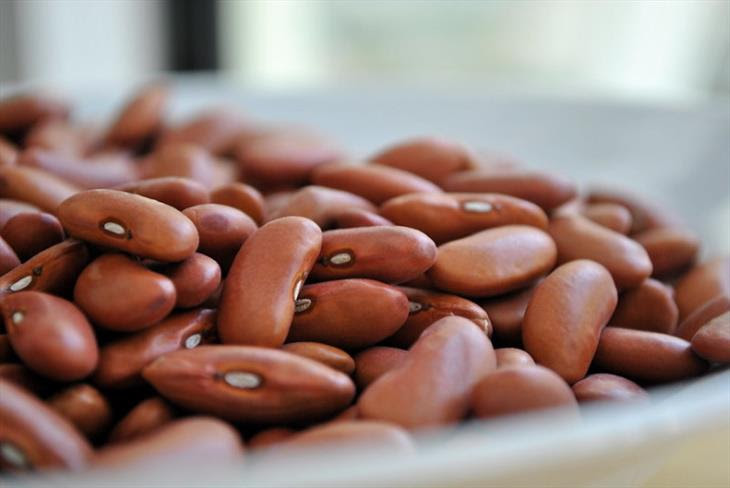
Nutrients in 1 cup (256 grams) of Cooked Kidney Beans:

- Calories: 215
- Fiber: 13.6 g
- Protein: 13.4 g
- Fats: 0.8 g
- Carbohydrates: 38.6 g
- Vitamin B1: 20% of the RDI
- Vitamin B9: 23% of the RDI
- Copper: 17% of the RDI
- Iron: 17% of the RDI
- Manganese: 22% of the RDI
Though
kidney beans don't have the most impressive vitamin and mineral
profile, they have been proven to be good for promoting weight loss and
preventing sugar spikes when you're eating high glycemic goods like rice or white bread. On a similar note, kidney beans may benefit weight loss in general. In one weight loss study, patients who took white kidney bean extract for 1 month lost 2.5 kg (5.5 lbs) more on average than the controls who took a placebo.
6. Navy Beans
Nutrients in 1 cup (182 grams) of Cooked Navy Beans:
- Calories: 255
- Fiber: 19 g
- Protein: 15 g
- Fats: 1.1 g
- Carbohydrates: 47 g
- Vitamin B1: 29% of the RDI
- Vitamin B9: 64% of the RDI
- Manganese: 48% of the RDI
- Magnesium: 24% of the RDI
- Iron: 24% of the RDI
7. Adzuki Beans

Nutrients in 1 cup (197 grams) of Cooked Adzuki Beans:
- Calories: 250
- Fiber: 15 g
- Protein: 15 g
- Fats: 1 g
- Carbohydrates: 48 g
- Vitamin B9: 30% of the RDI
- Manganese: 29% of the DV
- Phosphorus: 17% of the DV
- Potassium: 15% of the DV
8. Pinto Beans

Nutrients in 1 cup (171 grams) of Cooked Pinto Beans:
- Calories: 245
- Fiber: 15.4 g
- Protein: 15.4 g
- Fats: 1 g
- Carbohydrates: 45 g
- Vitamin B1: 22% of the RDI
- Vitamin B9: 74% of the RDI
- Copper: 29% of the RDI
- Manganese: 39% of the RDI
9. Mung Beans

Nutrients in 1 cup (202 grams) of Cooked Mung Beans:
- Calories: 212
- Fiber: 15.4 g
- Protein: 14.2 g
- Fats: 0.8 g
- Carbohydrates: 38.7 g
- Vitamin B1: 22% of the RDI
- Vitamin B9: 80% of the RDI
- Copper: 16% of the RDI
- Iron: 16% of the RDI
- Manganese: 30% of the RDI
- Magnesium: 24% of the RDI
10. Soya Beans
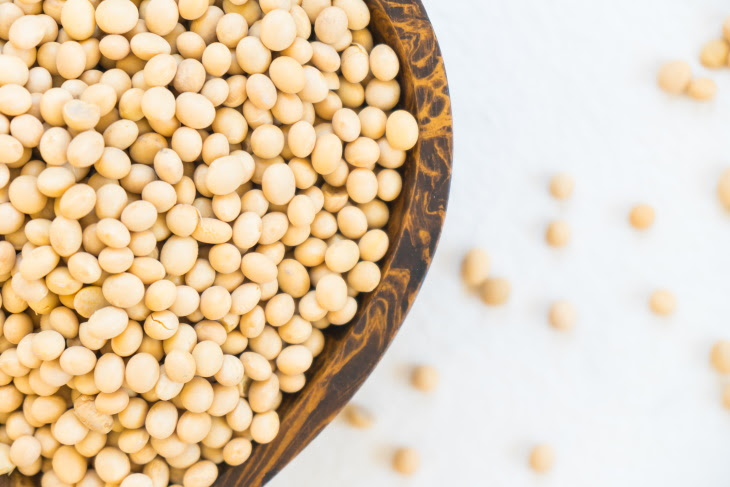
Nutrients in 1 cup (172 grams) of Cooked Soya Beans:
Didn't expect to see soy on this list? It's not surprising, as soya beans and products derived from them sometimes have a bad reputation, and undeservedly so, as these legumes are among the healthiest and most well-researched ones, apart from also being the cheapest as well. We discuss this stigma in the article we linked above.
You already know that soy products are very versatile, and most dairy replacements, such as nondairy milks, cheese, and tofu is made of processed soya beans, as is soy sauce. However, few people know that soya beans offer all the beneficial effects of other legumes with the added benefit of improving fertility in women, protecting from breast cancer and reducing menopause symptoms, making it an excellent choice for women of all ages.
- Calories: 298
- Fiber: 10.3 g
- Protein: 28.6 g
- Fats: 7.8 g
- Carbohydrates: 16 g
- Vitamin B2 (riboflavin): 29% of the RDI
- Vitamin B9: 23% of the RDI
- Vitamin K: 41% of the RDI
- Copper: 29% of the RDI
- Manganese: 71% of the RDI
- Iron: 49% of the RDI
- Phosphorus: 42% of the RDI
Didn't expect to see soy on this list? It's not surprising, as soya beans and products derived from them sometimes have a bad reputation, and undeservedly so, as these legumes are among the healthiest and most well-researched ones, apart from also being the cheapest as well. We discuss this stigma in the article we linked above.
You already know that soy products are very versatile, and most dairy replacements, such as nondairy milks, cheese, and tofu is made of processed soya beans, as is soy sauce. However, few people know that soya beans offer all the beneficial effects of other legumes with the added benefit of improving fertility in women, protecting from breast cancer and reducing menopause symptoms, making it an excellent choice for women of all ages.