10 Natural Remedies for Iron Deficiency
I was shocked to find out that some 2
billion people in the world suffer from iron deficiency, yet it also
rang true since I know so many people for which this is a problem. But
how are we supposed to keep such a prevalent problem at bay? Well, it
seems that, by using these 10 natural remedies you can actually make
sure your body is getting enough iron. By knowing where you can find
iron, and improve how your body absorbs it you will be doing your blood a
terrific service.
Note: Iron balance is a tricky thing.
Although being anemic is dangerous, people with too much blood-iron are
also at risk too. Consult your doctor if you believe your iron level is
not quite right (for 12 signs that you may have this problem see here),
or if you drastically alter the amount of iron in your diet.
Here are 10 natural remedies you can start using to improve your blood's
level of iron:
1. Add lean meats to your diet
Though you may expect to hear that
vegetables offer more iron goodness than meat like red meat, poultry and
fish, the story is much more complicated. Meaty iron is a type known as
'heme iron', which can be absorbed quite well by humans so that we get
enough iron in our diet. So, if you are a little low in your iron
levels, add some meats to your daily menu, because leafy greens do not
contain heme iron; the iron they contain is not very well absorbed by
humans and mostly goes to waste.
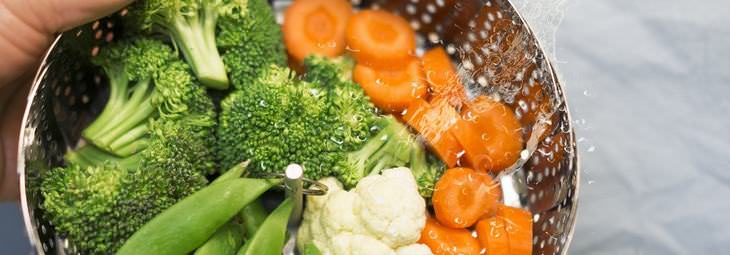
2. Steam vegetables more frequently
Steaming is much better than boiling or
roasting vegetables when it comes to increasing their iron's
bio-availability. Make this a new healthy habit. Steamed vegetables
beside a nice plate of fish or meat will be a great way to maximize your
iron intake.
3. Get plenty of Vitamin C 
Whether you take supplements or eat vitamin
C rich foods like red (or yellow) bell-peppers, you need a good amount
of vitamin C in your diet to allow your intestines to better absorb iron
from your meal. So, for example, when making your main meal of the day,
steam some chopped red peppers to go with your veggies. The ascorbic
properties of the peppers will make sure your intestines are ready for
the irony goodness.
Amla, Indian gooseberry,is the richest source of Vit. C, 1 amla gives you enough of this vitamin. Luckily there is not much vitamin loss even if you cook it to make pickles. All citrus fruits are good source of this vitamin.  Amla, Indian gooseberry
Vitamin C is important to absorb the iron from the other foods that we eat in that particular meal, like any dish with spinach or other leafy greens.
4. Make sure that you get enough B Vitamins
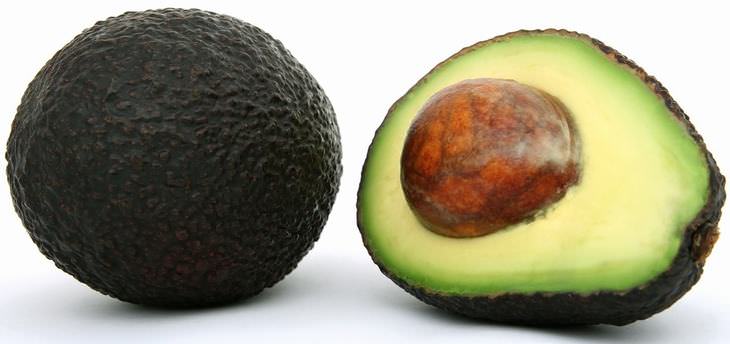
There are plenty of reasons to enjoy more
vitamin B in your diet, and in regards to blood iron here are a couple
more. B-9 and B-12 can prevent and even reverse iron deficiency. The
former you can find in food such as oranges, avocados, legumes and dark
leafy greens. The latter is available from already iron rich red meat,
poultry and fish.
5. Beware of inhibitors
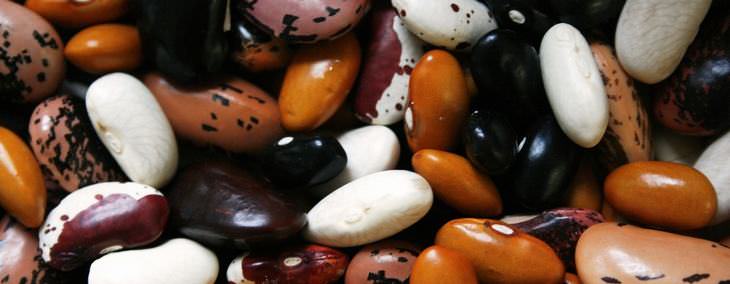
Here are some inhibitors you need to watch
out for, because instead of facilitating your body’s absorption of iron,
these actually prevent your digestive system from doing so, for one
reason or another. Other minerals compete with iron for absorption, such
as copper, zinc, magnesium and calcium. Also, phytic acid can bind
itself to iron, leading it to carry the iron from the system without
being digested. Phytic acid is often found in vegetables, legumes and
grains.
Foods that are high in fiber also have the same unfortunate effect of
causing iron to pass through the digestive system intact and wasted.
Finally you should be aware that tannic acid also operates as an
iron-inhibitor and this is frequently used in alcoholic drinks such as
beer and wine, and soft drinks like juices and fizzy sodas.
6. Keep away from antacids
For the above reason you should also steer
clear of antacids if you wish to remedy a lack of blood iron. Antacid
tablets contain a large amount of magnesium and calcium, which as we
have seen, act as inhibitors of iron.
7. Stay clear of cigarette smoke
Cigarettes are not recommended by anyone
anymore, so you'll not be very surprised to hear that cutting down on
active and passive smoking can provide a boost to your blood's iron
levels. Smoking depletes your nutrient levels and also effects your iron
ratio too. So, there's another good reason to stop smoking, and an
extra special reason for you to go out of your way to avoid smokers.
8. Improve your digestive tract's health
Iron is not easy for your digestive tract
to absorb, and usually you can only expect an absorption rate of 20%,
meaning 80% of your iron intake will go to waste. So to make sure you
receive as much of this 20% as you can, you will need to do your best to
maintain a healthy digestive system. Some things you can do include:
Take probiotics;
Eat your meals regularly;
Do plenty of exercise;
Stay away from exceedingly greasy foods;
Drink lots of filtered, pure water;
Get plenty of fiber in your diet (soluble and insoluble).
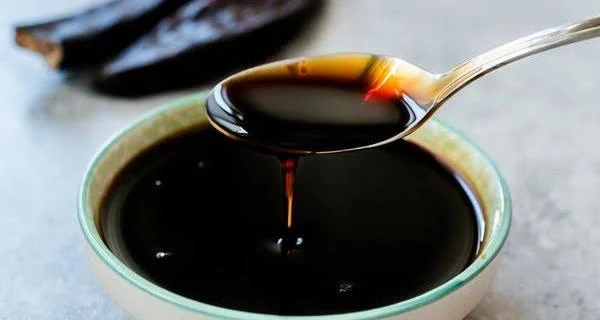
9. Give blackstrap molasses a try
This natural sweetener is well worth a try
if you are not already aware of its benefits. Molasses contains plenty
of iron, and is high in folic acid and vitamin B. These are some of the
best things for helping out with anemia and red blood cell production.
10. Make use of cast-iron cookware


This is a great tip if you didn't
previously realize what a difference the type of cookware you use can
make to the nutrient content of a meal. The benefit of using cast-iron
is very simple. The longer you cook something in such a pan, the more
iron will be absorbed by the food from the pan. This can be especially
useful when thinking about foods that are somewhat acidic in nature,
such as dairy products, cheese, olive oil and tomatoes.
When you cook in cast iron cookware, you do absorb iron, but certain vegetables, when you cook in cast iron kadai, you have to transfer the cooked vegetable to a serving bowl, or else it can change colour if you leave it in the kadai till your meal time.