Monday, June 02, 2025

Health Benefits of Quinoa

Quinoa has entered our lives more and more in recent years, and it seems that today there is no home that has not heard about this special food and its many health benefits. In addition, thanks to its delicate and unique taste, quinoa can be added to a variety of dishes, salads and even various healthy energy drinks. 

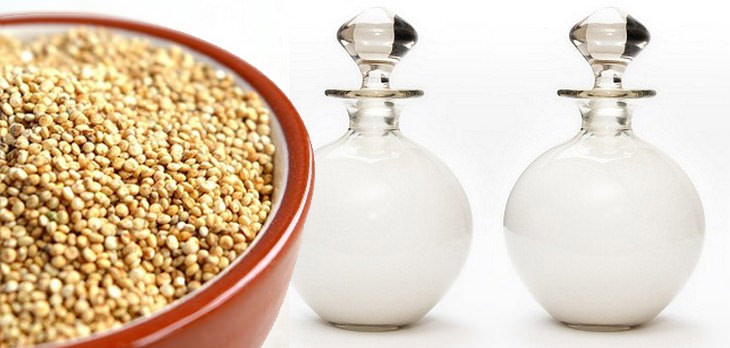
While we’re used to seeing it as a part of various dishes, not many know that it is possible to make healthy, nutritious milk from quinoa that will provide your body with a variety of nutrients, and will help you in ways that regular or plant-based milk can't. In order to learn more about quinoa, its advantages and how to turn it into delicious and nutritious milk, continue reading the article below.
quinoa
The Benefits of Quinoa: 
Quinoa is considered a super-food thanks to the essential nutrients it contains which nourish the body and contribute to its overall health. The unique grain has a number of characteristics that make it a real health bomb, and the milk produced from it will provide your body with a concentrated dose in one gulp! 
 
1. Gluten free 
 After years of gastrointestinal problems, many are discovering that they are sensitive to gluten, which requires them to maintain a unique diet without the component that harms them. Quinoa is naturally gluten-free, as opposed to other foods that do not contain it because of the chemical processes they undergo to make them so. This means that people who are sensitive to gluten can enjoy quinoa without fear of introducing harmful ingredient supplements, in addition to reaping the many other benefits of the unique grain. 
 
2. Improves metabolism at the cellular level 
We are used to thinking about metabolic rate at the general level, that is, in the context of processing the food we eat, producing energy from it and its effect on the body. But along with these processes, there are also internal processes at the cellular level in the digestive system, which allow it to work properly in terms of maintaining normal levels of sugar and fats in the blood. Quinoa helps to improve digestive activity at the cellular and physical levels, which contributes to overall health, prevents sedimentation of fats in the blood vessels, and helps maintain normal energy levels.

3. Strengthens muscles 
Protein is an essential commodity for the body in all its forms, especially for people who exercise regularly. Besides building the muscle itself, proteins are also needed for other processes such as absorption of various minerals and other components essential for the health of the body, especially iron. In a study published in 2001, researchers found that insufficient absorption of iron leads to a poor physical condition even after consuming the required amount, so it is recommended to incorporate iron-rich foods such as quinoa in your daily diet if you wish to develop and maintain muscle mass over time. 


4. Helps lower blood pressure 
Quinoa is rich in dietary fibers that contribute to digestion and removal of wastes from the body, as well as lowering blood pressure. Many people who have high blood pressure do not consume enough fiber in their diet, which perpetuates the situation. Fortunately though, quinoa can help. The natural and healthy fibers of quinoa grains help lower blood pressure and thus reduce the risk of various illnesses caused by this condition, especially if it is chronic.


5. A good source of B vitamins  
There are several types of vitamin B, eight to be specific, each with its own main role, such as preventing blood shortages, maintaining proper neural activity, strengthening memory, and more. Quinoa is an excellent source of vitamins from this group, and eating it or drinking milk made of it will help you maintain good overall health and improve your body's functioning in ways you won’t even be aware of. 
 
6. Prevents osteoporosis (bone depletion)
 quinoa
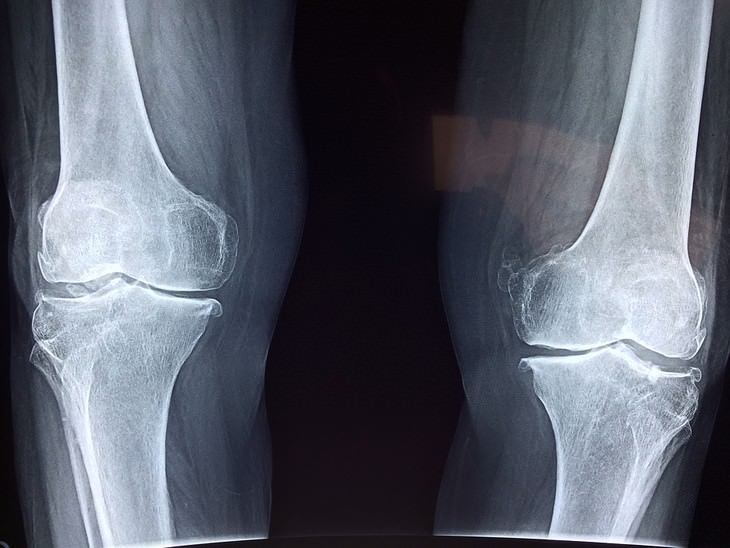
 As time goes by, the bones in our body lose their density due to osteoporosis and other factors that sometimes lead to the development of osteoporosis. In this condition, the bones become very delicate and fragile, which can turn any fall or bump into a risk of fracture in the body. In order to prevent this condition, it is important to consume foods that are rich not only in calcium but also in magnesium, such as quinoa. This essential mineral affects the metabolism of calcium and is therefore essential for its absorption, and happily, one cup of quinoa contains about a third of its recommended daily intake. In order to optimize the absorption of magnesium in your body, it is recommended to soak the quinoa in water before cooking and then eating it normally.


7. Rich in zinc 
Zinc is a mineral that is needed in the body in quite small amounts, but without it, life cannot exist. Lack of zinc interferes with insulin function, lowers sperm count in men and increases the risk of contracting infectious diseases such as colds and the flu. One cup of quinoa contains 13% of the recommended daily amount of zinc, therefore, it is considered one of the best sources of this essential mineral. In a study published in 2013, researchers found that zinc plays a vital role in maintaining the health of the skin and liver, so it is recommended to consume enough of it on a daily basis to reduce the chance of diseases that attack these and other areas.


ps- how to make quinoa milk, kindly see my recipe blog. Thanks

This is only for your information, kindly take the advice of your doctor for medicines, exercises and so on.   


Labels: , , , , , ,

Wednesday, December 25, 2024

8 Things You Should Do for Your Bones Every Day, According to Orthopedic Doctors

Orthopedic doctors have a bone to pick with all the people who forget they’re carrying a very important skeleton around every day. We might not be able to see our ribs or tailbone or humerus, but it’s still important to make bone health a priority—because it’s tied to every other aspect of well-being.

"Your bone health and joint health is really tied to your overall wellness and health," says Dr. David Shau, an orthopedic surgeon and assistant professor at the Burnett School of Medicine at Texas Christian University. Consider, for example, that about 54 million Americans have osteoporosis, low bone mass, or both, and 2 million osteoporotic fractures occur annually. That number will exceed 3 million per year by 2040, researchers predict. “When that happens, you have a period of time where you have to heal and recover,” Shau says. “You can’t be active with your family. You can’t travel. You can’t exercise, so your cardiovascular health goes down, and you start seeing metabolic issues and other health issues.” It’s a potentially devastating chain of events, he says, that can spell trouble far into the future.

It’s never too early to start thinking about preserving your bones. Your bone density is highest when you’re in your mid-20s, Shau says, after which it typically starts to decline. That can lead to osteopenia, or decreasing bone density that isn’t yet low enough to be considered full-blown osteoporosis but is still associated with an increased risk of fractures. Once someone develops osteoporosis, they’re prone to experiencing fractures from even minor incidents—but since it’s a silent disease, many people don’t realize they have it until their bones start breaking.

With that in mind, we asked four orthopedic doctors what we can all do every day to protect and preserve our bone health.

Keep moving

People tend to think of bones as a static part of the body—but they're actually dynamic, with old bone constantly breaking down and being absorbed into the bloodstream, and new bone forming. That process, called remodeling, is affected by lots of factors, including mechanical stress from weight-bearing exercise. For example: walking, climbing the stairs, playing sports like pickleball, doing push-ups, and jumping rope. “You’ll increase your bone density in the areas where the bone is seeing force,” says Dr. Jack Steele, an orthopedic surgeon at the University of Maryland St. Joseph Medical Center. “In areas where you’re not putting stress on the bone, your body will start to resorb that bone, and you'll lose bone density—and that can lead to osteopenia or osteoporosis.” While these conditions aren’t reversible, they are treatable with a range of medications, and progression can be slowed, minimizing damage.

Patients often ask Steele how much they need to exercise; some like walking for 30 minutes a day, while others squeeze in two hours of tennis on the weekend. Either approach works. The most important thing, he tells them, is to be consistent and move around as regularly as possible, rather than allowing days to pass by without any activity.

If you’re in menopause, prioritize strength-training

A growing body of research suggests that menopause takes a toll on bone health. It can lead to a decline in bone density—increasing the risk of osteoporosis—as well as muscle loss from decreasing estrogen. One way to counteract that damage: lift weights. “It’s very important for women to add strength training into their routine, because there's so much muscle and bone loss as you get into those perimenopausal and menopausal years,” says Dr. Pamela Mehta, an orthopedic surgeon and founder of Resilience Orthopedics in San Jose, Calif. If you’re new to weight lifting, consider doing some squats while holding free weights, or experiment with beginner-friendly moves like bicep curls and chest presses.

Focus on two essential nutrients

Lots of minerals and nutrients play a role in strengthening bones—but two deserve special attention. Calcium, which you can only get from food or supplements, is particularly important; if you don’t get enough, your body will start to pull it from your bones, making them weaker. Vitamin D, meanwhile, helps the body absorb calcium and plays a key role in preventing osteoporosis. “You really need to have a good quantity of both,” Shau says. Depending on age, most adults need 1,000 to 1,200 mg of calcium per day, and 15 to 20 mcg of vitamin D.

To boost your calcium intake, focus on dairy products like milk, cheese, and yogurt; almonds; dark leafy greens like kale; and soy products including tofu, he advises. Foods high in vitamin D, meanwhile, include egg yolks, tuna, sardines, salmon, and cheese.

Try to get sunlight every day

Basking in the sun is a great move for bone health. “When sunlight hits your skin, your body produces vitamin D,” Steele says. “You can get some vitamin D through your diet, but you get the majority through sunlight.” Of course, the sun can lead to plenty of negative effects, as well, so it’s important to proceed carefully: Aim to go outside when the UV Index is under 8, ideally in the early morning or evening hours, and always wear sunscreen. “It doesn’t need to be hours and hours," he adds. “Even 30 minutes walking outside and being in the sun will produce vitamin D.” Plus, a sunny walk doubles as weight-bearing exercise—a win-win for your bones.

Consider calcium and vitamin D supplements

If you’re not getting enough calcium or vitamin D, you might benefit from supplements. How do you know if that's you? Try keeping a food diary, suggests Dr. Christine Jablonski, who leads the bone health and osteoporosis program at Orlando Health. “You can look over it and see, on a typical day, what am I doing?” she says. If you’re getting at least 1,000 mg of calcium, you’re in good shape. If you’re consistently falling short, you can either make some dietary tweaks or talk to your doctor about starting a supplement.       

Vitamin D is a little trickier to track, Jablonski acknowledges, especially since much of it comes from sun exposure. “A lot of people are deficient without knowing it,” she says. If you already have osteoporosis, your doctor should be doing regular blood draws to monitor your levels. If you haven’t been tested lately, bring it up at your next check-in with your primary care physician, especially if you've noticed symptoms of a possible deficiency, like bone pain, fatigue, or mood changes.

Double-check your medications

Certain medications are associated with poor bone health. For example: proton pump inhibitors (which are used to treat heartburn), selective serotonin receptor inhibitors, anticonvulsants that control seizures, glucocorticoids (steroid hormones), and the blood thinner heparin. “If you need them, you need them,” Jablonski says. But it’s possible you could talk to your doctor about switching to a different medication, or only staying on for a short time. “Always ask questions and do your own research with reliable sources," she advises.

Go easy on the alcohol and caffeine—and quit smoking

Your caffeine or cocktail habit could be detrimental to your bone health. “Those things basically limit the ability of the body to heal,” Steele says. “The bone is always breaking down, and you’re always building new bone and then breaking it down.” Consuming too much alcohol or caffeine could disrupt that process, he adds, and cause you to lose bone mass over time.                  

The same goes for smoking: Research suggests that older adults who smoke are 30% to 40% more likely to break their hips than non-smokers. In addition to increasing the risk of osteoporosis, smoking slows the production of bone-forming cells and decreases the amount of calcium that’s absorbed. Some surgeons even refuse to operate on patients who smoke, Mehta points out, since smoking has a negative effect on post-op fracture healing; plus, smokers have more complications after surgery than nonsmokers. That’s why it’s always a good idea to try to quit, even if you’ve attempted before and failed.

Reduce your risk of falling

Taking steps to minimize your risk of falling is a terrific way to look out for your bones. “Especially as you get older, you want to be mindful of how your home is set up to reduce the risk of falling,” Shau says. That might mean removing hazards like boxes and electrical cords from walkways; employing nonslip mats in the shower; repairing loose floorboards; and placing night lights in hallways.

Shau hopes more people prioritize keeping their bones strong and healthy. “I want people to not blow off bone health,” he says. “It’s easy to think about things you can see, and to visualize things you can feel. But your skeleton is the foundation—the structural support of your whole body. We know the impact of bone health goes beyond the bones, and into the whole well-being of an individual.”   


This is only for your information, kindly take the advice of your doctor for medicines, exercises and so on.   

https://gscrochetdesigns.blogspot.com. one can see my crochet creations  
https://gseasyrecipes.blogspot.com. feel free to view for easy, simple and healthy recipes    
https://kneereplacement-stickclub.blogspot.com. for info on knee replacement
https://cancersupportindia.blogspot.com  for infor on cancer and health related topics
https://GSiyers home remedies.blogspot.com   is the latest addition to my blogs. I'm going to add posts there, do give me your valuable feed back on my blogs. Thanks a lot, take care, be healthy and be happy.


Labels: , , , , , , , , , ,