Tuesday, July 22, 2025

Cancer alert: If these 10 symptoms last more than a few weeks, it is advisable to get checked

Cancer can be sneaky, showing up with symptoms so subtle they’re easy to ignore


Finding cancer early makes it much more likely that treatment will work. There are early signs of cancer that are easy to spot if you know what to look for, even though cancer symptoms can be very different. If any of these last for more than a few weeks, don't wait, go see a doctor. Here, Dr. Tejinder Kataria, Chairperson of Radiation Oncology at Medanta – The Medicity, breaks down 10 early signs of cancer you shouldn't ignore. 

Unexplained weight loss

If you lose 10 pounds or more without trying, it could be a sign of cancers like stomach, esophagus, lung, or pancreas. Always check for other causes, but if you keep losing weight, you should see a doctor.

Persistent fatigue

Persistent fatigue 

Feeling very tired, even after getting some rest, can be a sign of many types of cancer, including blood cancers like leukemia or lymphoma. Get checked out if you are tired for no reason and it is affecting your daily life.

New or changing lumps

New or changing lumps
A new lump or swelling in the neck, armpit, or groin could be a sign of an infection or inflammation, but it could also be a sign of abnormal cell growth. It could be a sign of something more serious, like breast, testicular, or lymph-related cancers, if it feels hard, gets bigger over time, or doesn't go away. To figure out what's wrong, you need to keep an eye on its size, shape, and tenderness.

Changes in skin or moles

Changes in skin or moles
Keep an eye on your skin for new growths or moles that change shape, color, or size or start to bleed or itch. The ABCDE rule is very important for finding melanoma, asymmetry, border, color, diameter, and evolving.

Unusual bleeding or bruising

Unusual bleeding or bruising


Seeing blood in your urine, stool, vomit, or cough can be scary and could mean you have bladder, colon, stomach, or lung cancer. Frequent nosebleeds or unexplained bruises could also be signs of blood cancers.


Persistent cough or hoarseness


If you have a cough that lasts longer than a few weeks, especially if it's dry or brings up blood, it could be more than just an infection. It could be a sign of lung, throat, or thyroid cancer. Tumors can cause ongoing irritation and coughing when they affect the airways or the tissues around them.


Difficulty swallowing or indigestion
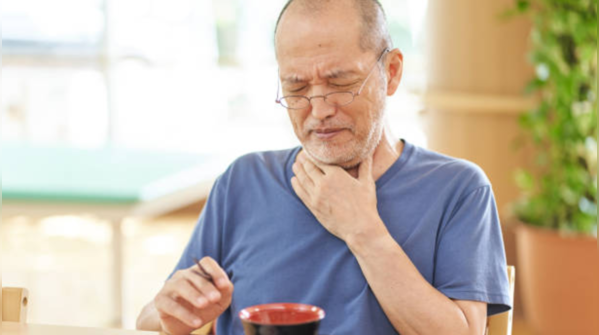
Difficulty swallowing or indigestion


If you have trouble swallowing or have heartburn or indigestion that won't go away, you may have cancer in your throat, esophagus, or stomach.

Changes in bathroom habits

Changes in bowel habits, like diarrhea that doesn't go away, constipation, or blood in the stool, or urinary problems, like pain or blood while urinating, can be early signs of cancer of the colon, bladder, or prostate. If these symptoms don't go away, they could mean that there is a problem with your digestive or urinary tract.


Persistent pain

Persistent pain
Sometimes, cancers in the bones, ovaries, pancreas, or other internal organs can cause pain that doesn't go away in the belly, back, or joints. This pain doesn't go away like other aches do. Instead, it may get worse over time, which could mean that tumors are growing or putting pressure on the body.


Night sweats, fevers, or frequent infections

Night sweats, fevers, or frequent infections


If you have low fevers, night sweats, or repeated infections that don't have any other explanation, it could be a sign of cancers like lymphoma or leukemia, which affect the immune system.

These signs don't mean you have cancer for sure, but they are important signs that something is wrong with your body. Detecting something early often gives you more treatment options, less aggressive therapy, and much better results.

Common forms of cancer

According to WHO report breast cancer is one of the most diagnosed cancer around the world, . Lung cancer is still the deadliest though, especially in places with a lot of smoking or pollution. Colon cancer’s also been showing up more, even in younger people. Prostate cancer hits older men the most, and stomach cancer, though less talked about, is still a problem in some Asian countries. What the WHO really pushes is early checkups, better food, and quitting tobacco. Those simple things, they say, can really lower your risk a lot.

Consult a doctor

If you notice these signs, it is important to talk to a doctor right away.


This is only for your information, kindly take the advice of your doctor for medicines, exercises and so on.   


Labels: , , , , , , , , , ,

Friday, August 26, 2016

Know How to Determine if You're Having a Heart Attack

If you wake up in the middle of the night with chest pain, your mind might automatically think you're having a heart attack.  And the number one symptom is the vague term “chest pain”, which can be misleading because it’s not always painful nor always in the chest.
 
In most cases, people imagine they will have severe chest pain and dismiss the actual symptoms of a heart attack, go back to sleep and suffer one. Below I will discuss the symptoms you will and won’t feel if you are having a heart attack and what you should do, and in which cases you should seek help immediately.
How chest pain from a heart attack feels
The typical pain described is a feeling of tightness, squeezing or heaviness in the chest. The Latin term angina pectoris, meaning sensation in the chest, is a more accurate description. This pain has been described as feeling like a band or weight is being tightened around your chest. The pain is often on the left side and above the bottom rib-cage, although it’s often difficult to determine its exact location.
Other typical symptoms include: •    Shortness of breath
•    Sweating, nausea, and anxiety
•    Pain in the left arm, jaw or neck

 other symptoms one might  feel
 While the typical symptoms are definitely a reason to visit your physician, sometimes people feel less typical pains, which could also indicate that you are having a heart attack.
•    Pain not on the left side – sometimes the pain is located on the right, center or top of the abdomen.
•    No pain – some people don’t experience pain and only feel shortness of breath. Research indicates that no chest pain symptoms can occur in 1/3 of people having a heart attack.
•    Sharper pain - some people report sharper chest pains or the feeling of indigestion.

How long should the chest pain last?
 The next indication of whether you are suffering a heart attack is pain duration. Consider the following 3 factors:
1. Heart-attack-related chest pain comes on over several minutes and not suddenly. Sudden severe pain is a reason for concern, but it is not consistent with angina.
2. The chest pain lasts for at least 5 minutes and doesn’t last continuously for more than 20 to 30 minutes.
3. Pain that comes on during rest, or doesn’t go away after exertion, also indicates a heart attack.

The major risk factors

Doctors like to consider the risk factors when determining whether your chest pain is a heart attack. They will take high-risk patients with atypical symptoms more seriously than low-risk patients with classic symptoms. 
•    Age – the risk increases as you age. For men it’s after the age of 40 and for women it’s after the age of 50. It can happen to a younger person, but it’s more unlikely.
•    Sex – this is not to say women aren’t affected by heart disease, but the risk for heart attacks is higher for men.
•    Genetics – your risk is significantly higher if a member of your immediate family had or has coronary heart disease. The risk is even higher if that family member was a man under 50 or a woman under 60.
•    Hypertension, diabetes, and cholesterol – these diseases increase your risk of having a heart attack considerably.
•    Smoking – while most people think smoking destroys your lungs (and it does), more smokers die from heart disease. Smoking substantially increases the risk of you having a heart attack.


Symptom indicating not heart attack
 Some chest pain is not consistent with having a heart attack.
•    Sharp and brief pain – stabbing pain that lasts only a few seconds is not coming from the heart.
•    Persists for hours – heart attack chest pain will last for 20-30 minutes at the most and typically ends with a heart attack.
•    Gets worse with movement – the sort of pain that worsens when pressed on is usually from chest bone or muscle pains and not the heart.
•    You can pinpoint the pain with a single finger – heart chest pain tends to be difficult to locate exactly.

If you have a worrying pain, there is no harm in having it checked out. It’s better to have lesser symptoms checked out than to stay at home and actually have a heart attack. If you are high risk, don’t hesitate to have the pain examined. If you are high risk and have the classic
symptoms, I advise going to the emergency room or calling an ambulance.


this is only for your information, kindly take the advice of your doctor for medicines, exercises and so on.
https://gscrochetdesigns.blogspot.com. one can see my crochet creations
https://gseasyrecipes.blogspot.com. feel free to view for easy, simple and healthy recipes

https://kneereplacement-stickclub.blogspot.com. for info on knee replacement

Labels: , , , , , , , , ,