This Humble Supefood Deserves More Attention!
Nutrient-rich and often overlooked, wheat germ is a tiny powerhouse that packs a serious punch. While it might not seem like much, this small part of the wheat kernel is loaded with vitamins, minerals, and other essential nutrients. For those looking to add more nutrition to their diet without making drastic changes, wheat germ could be the perfect solution.
There are many health benefits associated with this superfood, including improved heart health and digestion. If you’re someone trying to eat healthier, wheat germ is versatile and easy to incorporate into your meals. Read on to uncover why this humble ingredient deserves more attention.
Nutritional Profile of Wheat Germ
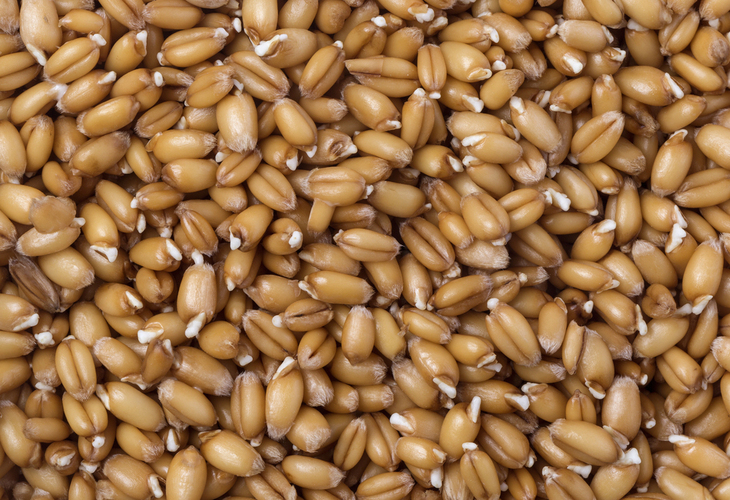
Wheat germ is a powerhouse of essential
nutrients, including vitamin E, folate, magnesium, zinc, and iron. It
also contains a significant amount of protein and fiber, making it an
excellent addition to a balanced diet. The combination of antioxidants
and minerals supports cellular health, energy production, and immune
function. A tablespoon or two of wheat germ can deliver a noticeable
nutritional boost without adding unnecessary calories.
Wheat germ also contains antioxidants and
healthy fats, making it a well-rounded addition to your diet.
1. A great source of antioxidants
Wheat germ is rich in antioxidants, particularly vitamin E, which helps
protect your body against free radicals. These unstable molecules can
cause oxidative stress, leading to chronic illnesses like cancer, heart
disease, and premature aging. Including wheat germ in your meals can
help combat this damage and keep your cells healthy. Additionally,
antioxidants play a role in strengthening your immune system, ensuring
your body can fight off infections effectively.
This makes wheat germ an excellent choice for anyone looking to boost
their long-term health naturally and deliciously.
2. Promotes heart health
The nutrients in wheat germ—like magnesium,
folate, and unsaturated fats—are fantastic for heart health. Magnesium
helps regulate blood pressure, while folate supports healthy circulation
by reducing homocysteine levels in the blood. Additionally, the plant
sterols in wheat germ are known to lower cholesterol levels, further
reducing the risk of heart disease.
Adding a tablespoon of wheat germ to your oatmeal or smoothie could be a
simple yet effective way to care for your heart daily.
3. Boosts energy levels
If you’re feeling sluggish, wheat germ might be the answer. Packed with B
vitamins, including thiamine, riboflavin, and niacin, it helps convert
food into energy more efficiently. These nutrients are essential for
maintaining stamina throughout the day.
Athletes often include wheat germ in their diets because of its ability
to provide a natural energy boost without the sugar crash associated
with processed snacks. Sprinkle some on your breakfast to kick-start
your day with long-lasting energy.
4. Supports digestive health
Wheat germ is a good source of dietary fiber, which is essential for a
healthy digestive system. Fiber helps regulate bowel movements,
preventing constipation and promoting overall gut health. A diet high in
fiber has also been linked to a reduced risk of colorectal cancer.
The insoluble fiber in wheat germ adds bulk to your stool, while the
soluble fiber nourishes the good bacteria in your gut. This makes it a
win-win for your digestive tract.
5. Helps in muscle recovery
Thanks to its high protein content, wheat
germ is great for muscle repair and recovery. Protein helps rebuild
muscle tissues after workouts, making it an excellent addition to a
post-exercise snack. The magnesium and potassium in wheat germ also play
a role in reducing muscle cramps and soreness.
For athletes or fitness enthusiasts, including wheat germ into shakes or
snacks could help speed up recovery and improve performance.
6. Improves skin health
The vitamin E content in wheat germ makes it a natural choice for
glowing skin. This powerful antioxidant reduces inflammation, combats
dryness, and protects your skin from UV damage. Additionally, the fatty
acids in wheat germ moisturize your skin from the inside out, leaving it
soft and supple.
Many skincare products include wheat germ oil, but consuming the raw
germ can offer even more benefits for your skin’s health.
7. Strengthens the immune system
Your immune system relies on several
nutrients found in wheat germ, such as zinc, vitamin E, and B vitamins.
Zinc, in particular, is crucial for immune cell production, while
vitamin E helps your body fend off infections.
Regularly including wheat germ in your
meals can help you build a stronger defense against seasonal illnesses
and infections. It’s a simple way to keep your immunity in check without
resorting to supplements.
8. Aids in weight management
Wheat germ is nutrient-dense but low in calories, making it an ideal
addition to a weight management plan. The fiber in wheat germ helps you
feel fuller for longer, reducing the likelihood of overeating or
snacking between meals.
Its protein content also plays a role in curbing hunger by regulating
appetite hormones. Incorporating wheat germ into your diet can support
healthy weight loss without sacrificing essential nutrients.
9. Enhances brain function
The B vitamins and omega-3 fatty acids in
wheat germ are known to improve brain health. These nutrients help
maintain proper cognitive function and may reduce the risk of
neurodegenerative conditions like Alzheimer’s disease.
Additionally, the magnesium in wheat germ helps regulate nerve signals,
ensuring your brain stays sharp. Adding wheat germ to your diet could be
a step toward better mental clarity and focus.
10. Supports reproductive health
Wheat germ contains essential nutrients like zinc and folate, which play
a key role in reproductive health for both men and women. Zinc supports
sperm production and overall male fertility, while folate is crucial
for women trying to conceive as it helps prevent birth defects.
Including wheat germ into your meals is a simple way to support
reproductive wellness naturally. It’s a nutrient-packed food that
benefits people of all ages.