Sunday, April 06, 2025

7 Foods That Relieve Constipation the Natural Way

 Digestive issues are extremely common, so much so that we habitually dismiss them. One of the most widespread digestive issues is constipation and irregular or incomplete bowel movements. Oftentimes, these conditions occur because food moves through the digestive system slower than usual. This can happen for a variety of reasons ranging from stress, insufficient physical activity, neurological disorders, medication, poor diet, or dehydration (more on the topic here: 

This is What Causes Constipation).  

If going to the bathroom is painful and requires straining, you may have constipation. Other symptoms include passing less than 3 stools a week, incomplete bowel movements, and hard, dry, or lumpy stools. Even though we all experience constipation from time to time, for many people, it’s a chronic issue. In both scenarios, drinking more water, being as physically active as possible, and adjusting your diet so that it includes foods that help alleviate constipation is really effective. We list 7 such foods and more useful tips and remedies below. 

1. Popcorn

Constipation Relief Popcorn
Are you in the habit of eating some chips or nachos when you’re watching TV? If you wish to improve your digestion, replace those snacks with popcorn. The go-to cinema snack is both low in calories and packed with fiber: 1 cup of air-popped popcorn contains only 31 calories and 1.2 g of fiber. Fiber is often advised to relieve constipation because it adds bulk to the stools, makes them softer, and promotes healthy gut microflora, too. 
 
All of this will promote regular bowel movements. It’s best to opt for popcorn without cheese, tons of butter, and other additives because these are often laden with sodium, saturated fats, and trans fats. 
 
2. Eat more fruit, vegetables, and greens
 
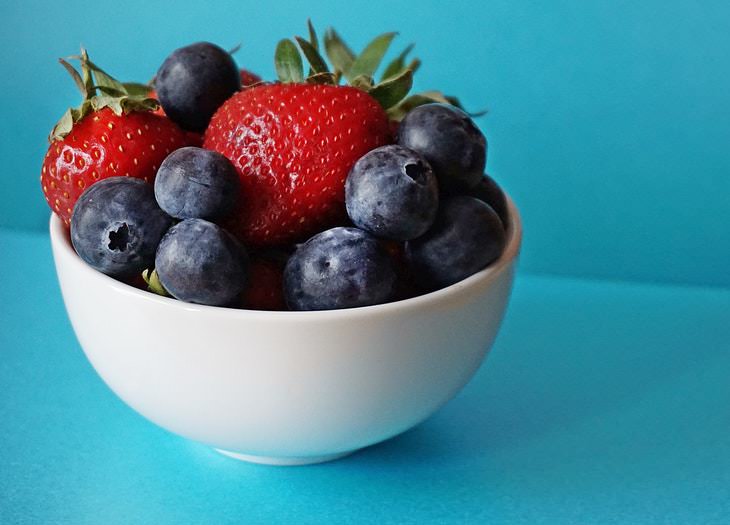
Constipation Relief berries
The easiest way to consume more fiber is to eat more fruit, vegetables, and greens. Such plant foods as sweet potatoes, brussels sprouts, kale, spinach, apples, pears, berries, and avocados are all rich in fiber. Some fruits have added benefits that relieve constipation as well: 
 
Kiwifruit is rich in both fiber and an enzyme called actinidain that is hypothesized to have natural laxative effects. Studies have shown that eating kiwis daily for 4 weeks reduced patients’ reliance on laxative use. that was suggested to improve bowel function. 
 
Figs also contain an enzyme called ficain that was suggested to improve bowel function. 
 
Citrus fruits have also been shown in studies to improve digestion, likely due to the flavanol antioxidant called naringenin. 
 
To experience the beneficial effects of fruit for your digestion, eat them daily. The US Department of Agriculture recommends eating about 2 cups of fruit every day. As for vegetables and greens, 2½ cups are recommended daily.

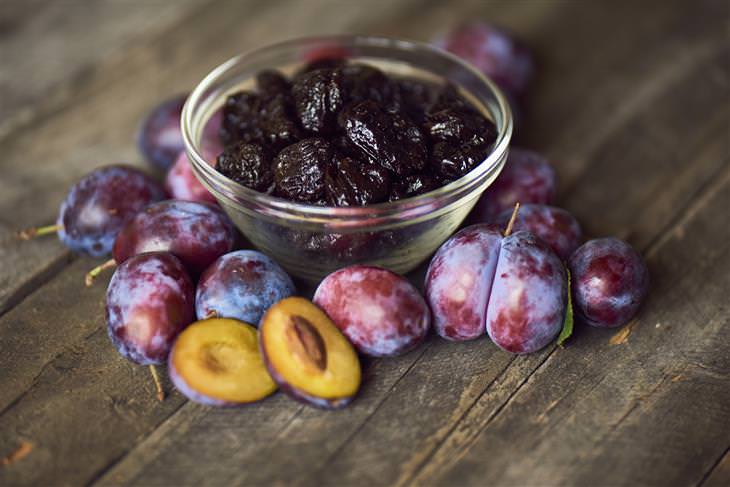
3. Prunes
Constipation Relief Prunes 
Dried plums, commonly know as prunes, have quite a lot of scientific research backing their effectiveness at reducing constipation. This dried fruit has the perfect combination of high fiber content, natural laxatives, and ingredients that promote the growth of healthy gut bacteria. 
 
There are 2 grams of fiber in just 3 prunes (about 1 oz or 28 g), which is about 8% of one’s recommended daily fiber intake. Additionally, dried plums contain an ingredient called sorbitol that has a laxative effect. Lastly, prunes have phenolic compounds that are believed to nourish beneficial gut bacteria. 
 
One study found that eating 100 grams of prunes (about 10-11 prunes) per day improved the frequency and consistency of bowel movements better than psyllium, a dietary fiber supplement. 
 
4. Seafood 
Seafood is beneficial for our body for many reasons. Not only is it a healthy source of protein, but it’s also packed with essential vitamins, minerals, and other nutrients that make our brains work better, our bones stronger, and our eyesight better. According to the 2015-2020 Dietary Guidelines for Americans, adults should eat at least 225 g (8 oz) of seafood every week. 
 
Crucially for the matter at hand, seafood is rich in magnesium, an essential mineral that is known to reduce one’s risk of constipation. To learn more about the importance of magnesium in one’s diet and sources of magnesium.


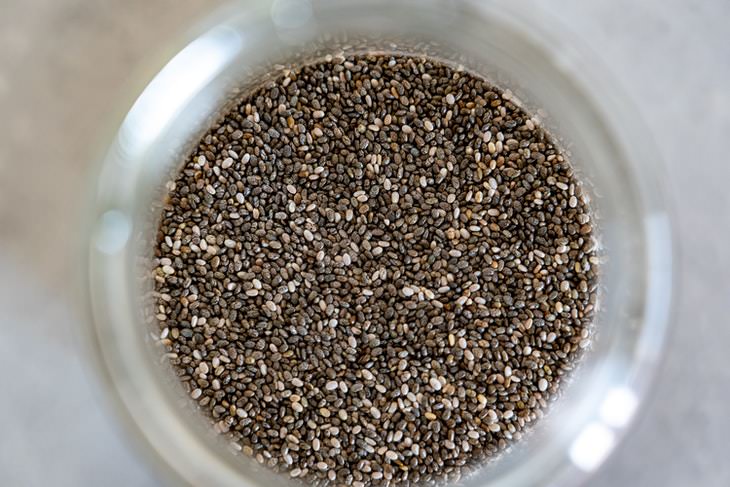
5. Flax seeds and Chia seeds
Constipation Relief  chia seeds
Both flaxseeds and chia seeds are well-known remedies for constipation. These seeds packed with fiber; for example, just 28 g (1 oz) of chia seeds have 10.6 g of fiber, which is about 42% of one’s daily needs. Apart from that, these seeds are super effective at absorbing and retaining water, which will soften the stools and increase their bulk. Adding these seeds into your diet is simple, too. Just sprinkle some on any meal, be it a salad, soup, a stir-fry, or oatmeal, and you’re done.  
 
 
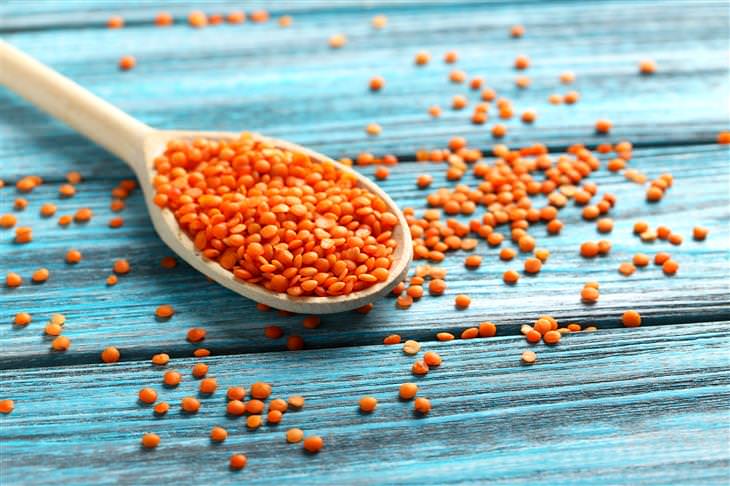
6. Legumes and lentils
Constipation Relief Legumes
Lentils, beans, and peas are also a great option if you’re suffering from constipation. These foods are very rich in protein and beneficial vitamins and minerals, so everyone will benefit from eating them often. The characteristic that makes legumes an attractive choice for constipation relief is the high fiber content - ½ cups of cooked legumes can have between 7-9 grams of fiber, which is about a third of your daily requirement.
 
In addition, consuming legumes has anti-inflammatory benefits, too, which can help reduce the bloating and discomfort associated with constipation. Finally, eating legumes promotes the production of butyric acid, which is a natural laxative produced by the human body. 
 
 
7. Olive Oil
The last food ingredient on our list is olive oil. Research suggests that consuming olive oil may alleviate constipation. The oil functions as a lubricant laxative, coating the intestinal walls and making it easier for food to pass. It may be also stimulating the small intestine. Of course, you can simply drizzle some olive oil on your salads and use it to prepare other foods, but you can also take olive oil separately.

In one study, patients took 4 milliliters (a bit less than a teaspoon) of olive oil daily to relieve constipation and increased the dose if needed. If you want to try this method, you can take a spoonful of olive oil alone or mix it with some liquid (like milk or juice). 
 
 
Useful Tips and Information
Constipation is an uncomfortable topic to discuss, so people often resort to over-the-counter laxatives before they see a medical professional. Unfortunately, taking laxatives without supervision can make you reliant on them permanently, which is obviously not ideal. Instead, you should first focus on the lifestyle changes that can help with your symptoms. 
 
Here are a few tips: 
 
Avoid foods that are known to cause constipation, such as unripe bananas, pasta, and white rice.
 
Drink plenty of water - at 6-8 glasses of water every day - to prevent constipation caused by dehydration. 
 
Move around more. Physical activity improves your intestinal motility. You can choose any type of physical activity you enjoy, be it running, walking, yoga, swimming, or going to the gym. Engage in relaxing activities. 
 
Stress-induced constipation is more common than you think, so make sure that you’re taking care of your mental state, too, in whichever way you prefer. 
 
Introduce foods that alleviate constipation slowly. Changing your diet dramatically may upset your stomach, so start adding in the foods we mentioned above gradually. 
 
 
When to see a doctor. 
In some cases, constipation may be a sign of a more serious underlying condition or even a medical emergency. If you’re experiencing constipation along with severe abdominal pain, blood in the stool, unintended weight loss, or vomiting, it’s important to see your doctor.
 

This is only for your information, kindly take the advice of your doctor for medicines, exercises and so on.   


Labels: , , , , , , , , , ,

Friday, May 21, 2021

7 Foods That Relieve Constipation the Natural Way

Digestive issues are extremely common, so much so that we habitually dismiss them. One of the most widespread digestive issues is constipation and irregular or incomplete bowel movements. Oftentimes, these conditions occur because food moves through the digestive system slower than usual. This can happen for a variety of reasons ranging from stress, insufficient physical activity, neurological disorders, medication, poor diet, or dehydration (more on the topic here: This is What Causes Constipation). 
 
If going to the bathroom is painful and requires straining, you may have constipation. Other symptoms include passing less than 3 stools a week, incomplete bowel movements, and hard, dry, or lumpy stools. Even though we all experience constipation from time to time, for many people, it’s a chronic issue. In both scenarios, drinking more water, being as physically active as possible, and adjusting your diet so that it includes foods that help alleviate constipation is really effective. We list 7 such foods and more useful tips and remedies below.

1. Popcorn
Constipation Relief Popcorn
Are you in the habit of eating some chips or nachos when you’re watching TV? If you wish to improve your digestion, replace those snacks with popcorn. The go-to cinema snack is both low in calories and packed with fiber: 1 cup of air-popped popcorn contains only 31 calories and 1.2 g of fiber. Fiber is often advised to relieve constipation because it adds bulk to the stools, makes them softer, and promotes healthy gut microflora, too. 
 
All of this will promote regular bowel movements. It’s best to opt for popcorn without cheese, tons of butter, and other additives because these are often laden with sodium, saturated fats, and trans fats. 
 
2. Eat more fruit, vegetables, and greens
Constipation Relief berries
The easiest way to consume more fiber is to eat more fruit, vegetables, and greens. Such plant foods as sweet potatoes, Brussels sprouts, kale, spinach, apples, pears, berries, and avocados are all rich in fiber. Some fruits have added benefits that relieve constipation as well: 
 
Kiwifruit is rich in both fiber and an enzyme called actinidain that is hypothesized to have natural laxative effects. Studies have shown that eating kiwis daily for 4 weeks reduced patients’ reliance on laxative use. that was suggested to improve bowel function. 
 
Figs also contain an enzyme called ficain that was suggested to improve bowel function. 
 
Citrus fruits have also been shown in studies to improve digestion, likely due to the flavanol antioxidant called naringenin. To experience the beneficial effects of fruit for your digestion, eat them daily. The US Department of Agriculture recommends eating about 2 cups of fruit every day. As for vegetables and greens, 2½ cups are recommended daily. 
 
3. Prunes Constipation Relief Prunes

Constipation Relief Prunes

Dried plums, commonly know as prunes, have quite a lot of scientific research backing their effectiveness at reducing constipation. This dried fruit has the perfect combination of high fiber content, natural laxatives, and ingredients that promote the growth of healthy gut bacteria. 
 
There are 2 grams of fiber in just 3 prunes (about 1 oz or 28 g), which is about 8% of one’s recommended daily fiber intake. Additionally, dried plums contain an ingredient called sorbitol that has a laxative effect. Lastly, prunes have phenolic compounds that are believed to nourish beneficial gut bacteria. 
 
One study found that eating 100 grams of prunes (about 10-11 prunes) per day improved the frequency and consistency of bowel movements better than psyllium, a dietary fiber supplement.
4. Seafood
Seafood is beneficial for our body for many reasons. Not only is it a healthy source of protein, but it’s also packed with essential vitamins, minerals, and other nutrients that make our brains work better, our bones stronger, and our eyesight better. According to the 2015-2020 Dietary Guidelines for Americans, adults should eat at least 225 g (8 oz) of seafood every week. 
 
Crucially for the matter at hand, seafood is rich in magnesium, an essential mineral that is known to reduce one’s risk of constipation. To learn more about the importance of magnesium in one’s diet and sources of magnesium, read our article titled Top 5 Most Common Nutrient Deficiencies. 
 
5. Flax seeds and chia seeds
Constipation Relief  chia seeds
Both flaxseeds and chia seeds are well-known remedies for constipation. These seeds packed with fiber; for example, just 28 g (1 oz) of chia seeds have 10.6 g of fiber, which is about 42% of one’s daily needs. Apart from that, these seeds are super effective at absorbing and retaining water, which will soften the stools and increase their bulk. Adding these seeds into your diet is simple, too. Just sprinkle some on any meal, be it a salad, soup, a stir-fry, or oatmeal, and you’re done. 
 
6. Legumes
Constipation Relief Legumes
Lentils, beans, and peas are also a great option if you’re suffering from constipation. These foods are very rich in protein and beneficial vitamins and minerals, so everyone will benefit from eating them often. The characteristic that makes legumes an attractive choice for constipation relief is the high fiber content - ½ cups of cooked legumes can have between 7-9 grams of fiber, which is about a third of your daily requirement. 
 
In addition, consuming legumes has anti-inflammatory benefits, too, which can help reduce the bloating and discomfort associated with constipation. Finally, eating legumes promotes the production of butyric acid, which is a natural laxative produced by the human body. 
 
7. Olive Oil
The last food ingredient on our list is olive oil. Research suggests that consuming olive oil may alleviate constipation. The oil functions as a lubricant laxative, coating the intestinal walls and making it easier for food to pass. It may be also stimulating the small intestine. Of course, you can simply drizzle some olive oil on your salads and use it to prepare other foods, but you can also take olive oil separately. 
 
In one study, patients took 4 milliliters (a bit less than a teaspoon) of olive oil daily to relieve constipation and increased the dose if needed. If you want to try this method, you can take a spoonful of olive oil alone or mix it with some liquid (like milk or juice).

Useful Tips and Information

Constipation is an uncomfortable topic to discuss, so people often resort to over-the-counter laxatives before they see a medical professional. Unfortunately, taking laxatives without supervision can make you reliant on them permanently, which is obviously not ideal. Instead, you should first focus on the lifestyle changes that can help with your symptoms. 
 
Here are a few tips: 
Avoid foods that are known to cause constipation, such as unripe bananas, pasta, and white rice.

Drink plenty of water - at 6-8 glasses of water every day - to prevent constipation caused by dehydration. 
 
Move around more. Physical activity improves your intestinal motility. You can choose any type of physical activity you enjoy, be it running, walking, yoga, swimming, or going to the gym. 
 
Engage in relaxing activities. Stress-induced constipation is more common than you think, so make sure that you’re taking care of your mental state, too, in whichever way you prefer. We have an entire article on this topic here - Can Stress Cause Constipation? 
 
Introduce foods that alleviate constipation slowly. Changing your diet dramatically may upset your stomach, so start adding in the foods we mentioned above gradually. 
 
When to see a doctor. 
In some cases, constipation may be a sign of a more serious underlying condition or even a medical emergency. If you’re experiencing constipation along with severe abdominal pain, blood in the stool, unintended weight loss, or vomiting, it’s important to see your doctor.

This is only for your information, kindly take the advice of your doctor for medicines, exercises and so on.   

https://gscrochetdesigns.blogspot.com. one can see my crochet creations  
https://gseasyrecipes.blogspot.com. feel free to view for easy, simple and healthy recipes    
https://kneereplacement-stickclub.blogspot.com. for info on knee replacement

Labels: , , , , , , , , , , , , , , , , ,

Saturday, May 02, 2020

6 Tips to Ease Back Pain


Did you know Back pain is the top reason Americans seek health care today? In fact, according to most orthopedic doctors, a whopping 80% of Americans will suffer back pain at least once in their life, and from this figure, one in four will experience back pain every three months. What's more, back pain is not afflicted on 60 year-olds only, 18-year-olds can be just as affected, as they lead a more active lifestyle that may cause back injury as well. Thankfully, more often than not, back pain isn't that serious and usually, Ibuprofen, ice and some bed rest will do the trick. Still, prevention is better than a cure. So, here are six essential life changes you need to make that will ensure you have a really stable spine.

1. Move around more
Start with the little things, such as taking phone calls standing up. Sitting puts three times the pressure on your disks as standing. To clearly explain this, physical therapists illustrate back pain as follows: Push one of your fingers back as far as is comfortable. Now hold it there for a minute. That ache is what happens when your spine stays in the wrong position for too long. 

2. Stretch your hamstrings
Retired back surgeon in Wisconsin, Peter F. Ullrich, Jr., M.D., suffered 10 years of intermittent back pain. Now, he's been painless for more than 15 years since he began stretching his hamstrings twice per day, morning and night. “If hamstrings are tight, it locks the pelvis in a position and doesn’t allow it to rotate - move back and forth,” he says. “All the motion of daily living goes through the bottom disks. If you get them loosened up, it reverses that process. We don’t see anyone for surgery who has nice loose hamstrings.”

3. Stay in shape and don’t smoke
Staying in shape will allow your back and abdominal muscles to be in reasonable shape and get the oxygen they need to stay healthy. Smoking isn't recommended as it may impede the blood flow your spine needs. Working on your cardiovascular system will increase the amount of oxygen that goes into your muscles, keeping them from bunching up or causing you pain. Make sure to work your back muscles directly as well. A strong back will not complain as much.

4. Maintain the natural inward curve of your lower back
If sitting, ensure that your office chair supports your lower back, or use a pillow for support. You can also use a pillow behind you when sitting on the couch, or in cars or planes. When picking up something heavy, it's not just about bending your knees. You need to stick your butt out and keep your back in the correct neutral position, with the lower back curved.

5. Go biking
Opt for a hybrid bike of half mountain, half road. This will allow you to sit upright and maintain the neutral curve of your back. You will get in shape and build your glute muscles. As we said before, this will get more oxygen into these muscles and allow less pressure to be put directly on your back muscles, winning you a reprieve from pain.

6. Do crunches or sit-ups in the afternoon or evening
Your body is at its most vulnerable in the morning. At this time, your disks are full of fluid, making your risk of injury higher. Added pressure from an early morning sit-up can cause more damage than doing the same exercise in the afternoon. So, best save your sit-ups for a later time in the day. If you must exercise in the morning, make sure to perform lots of stretching and some other exercises before continuing to the back ones.  


This is only for your information, kindly take the advice of your doctor for medicines, exercises and so on.     

https://gscrochetdesigns.blogspot.com. one can see my crochet creations  
https://gseasyrecipes.blogspot.com. feel free to view for easy, simple and healthy recipes    
https://kneereplacement-stickclub.blogspot.com. for info on knee replacement


Labels: , , , , , , , , ,