Friday, September 18, 2026

Sea Buckthorn To Makhana: PM Narendra Modi Recommended Superfoods
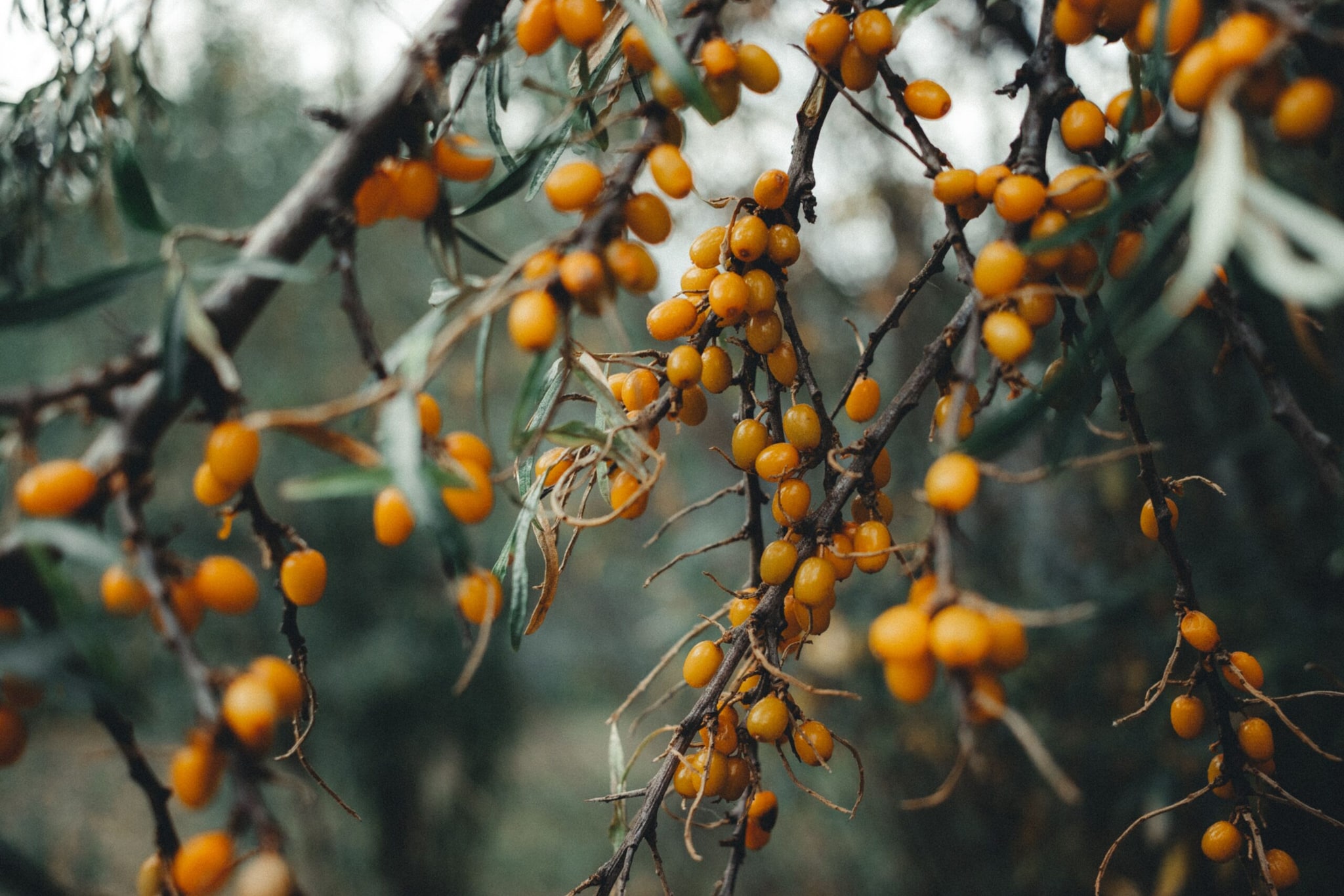
 1.Sea Buckthorn: Earlier in 2026, Prime Minister Narendra Modi talked about the benfits of Sea Buckthorn during a convocation ceremony. According to him, many international medicinal research institutes have claimed that the parts of this plant can help reduce blood pressure, fever, tumours, and stones and can even treat seasonal coughs and cold. He mentioned, “As per study, this plant has sufficient vitamin C content that can fulfil the requirement of all mankind.” (Image: Pexels) 

Sea Buckthorn: Earlier in 2026, Prime Minister Narendra Modi talked about the benfits of Sea Buckthorn during a convocation ceremony. According to him, many international medicinal research institutes have claimed that the parts of this plant can help reduce blood pressure, fever, tumours, and stones and can even treat seasonal coughs and cold. He mentioned, “As per study, this plant has sufficient vitamin C content that can fulfill the requirement of all mankind.”  
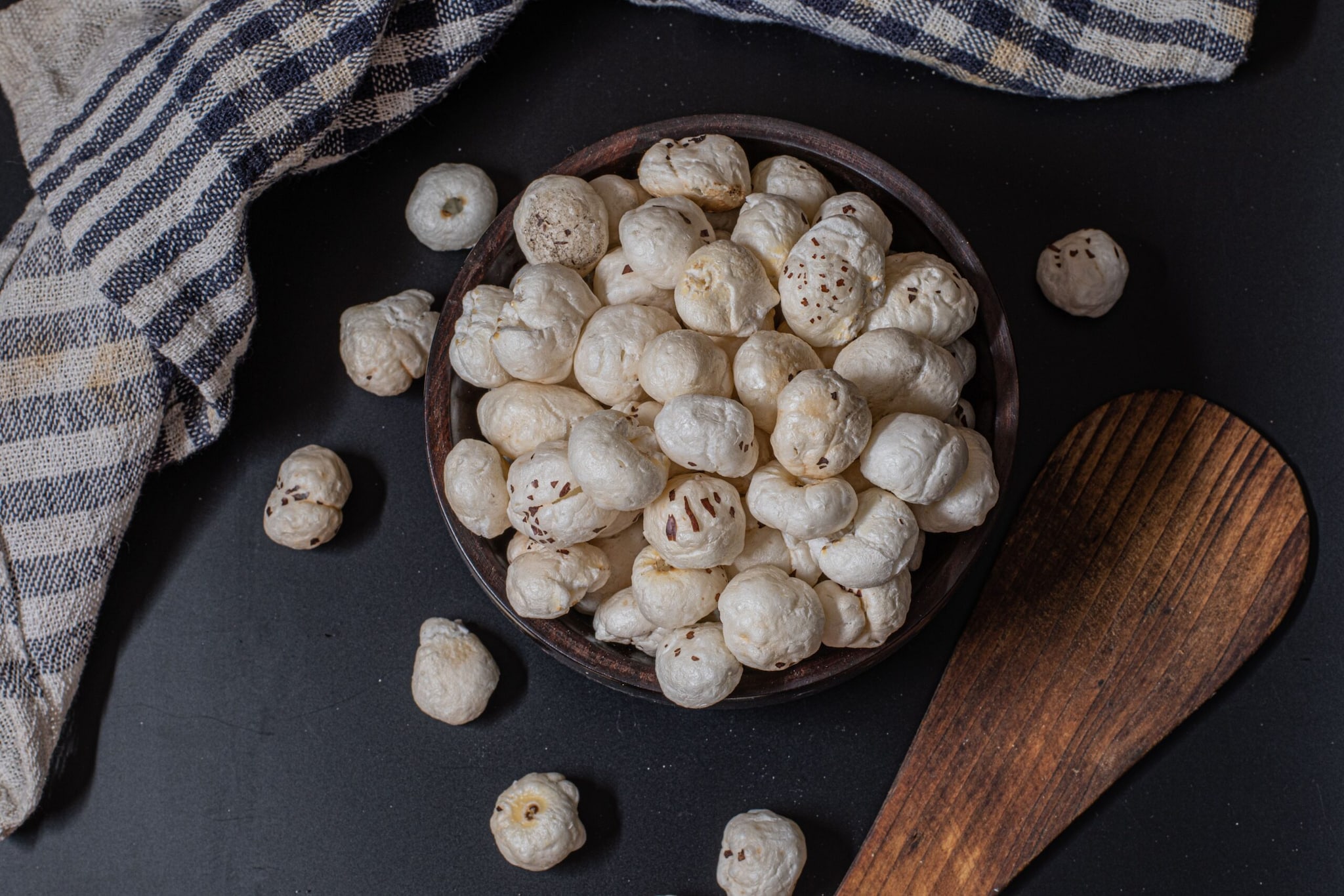
Makhana: PM Narendra Modi often referred to Makhana as a “supersnack”. It is a nutritious alternative to processed foods – high in protein, low in calories, and beneficial for kidney and heart health. It is rich in calcium and makes for a healthy, guilt-free snack while also supporting Bihar’s farmers and their livelihoods. (Image: Pexels) 
 Makhana: PM Narendra Modi often referred to Makhana as a “supersnack”. It is a nutritious alternative to processed foods – high in protein, low in calories, and beneficial for kidney and heart health. It is rich in calcium and makes for a healthy, guilt-free snack while also supporting Bihar’s farmers and their livelihoods. 

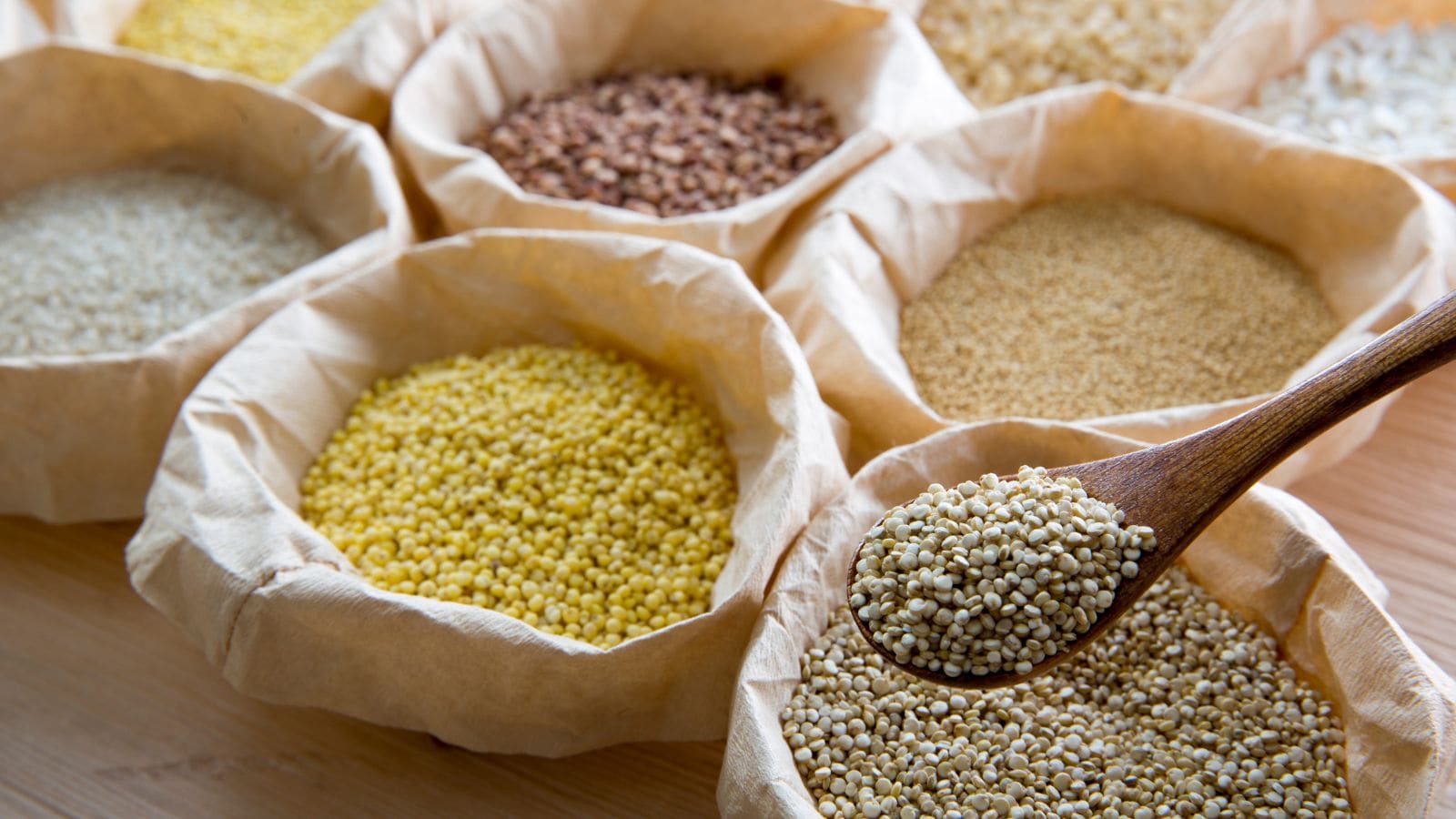
Millets: The year 2023 was declared the International Year of Millets, a move supported by PM Modi at the G20 and global health forums. These ancient cereal crops, cultivated for more than 4000 years, are grown across India in varities like ragi, jowar and bajra. (File Photo) 

Millets: The year 2023 was declared the International Year of Millets, a move supported by PM Modi at the G20 and global health forums. These ancient cereal crops, cultivated for more than 4000 years, are grown across India in varieties like ragi, jowar and bajra.  

Drumstick: He has often shared his fondness for Drumstick parathas and that it makes a regular part of his diet. Rich in iron, calcium, and antioxidants, moringa leaves add a nutritious punch to parathas, creating a wholesome meal. (Image: Pexels) 
 Drumstick: He has often shared his fondness for Drumstick parathas and that it makes a regular part of his diet. Rich in iron, calcium, and antioxidants, moringa leaves add a nutritious punch to parathas, creating a wholesome meal. 

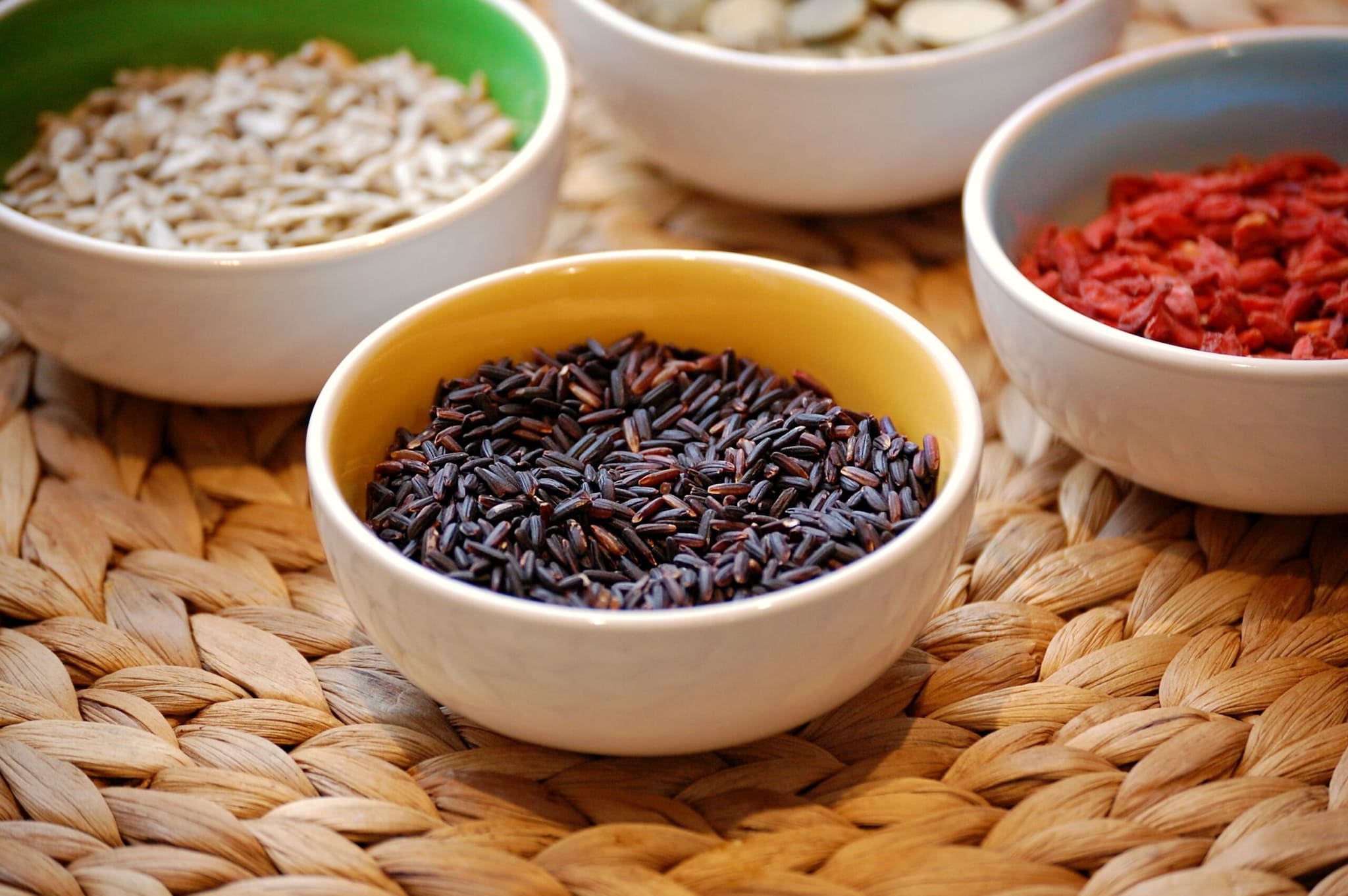
Black Rice: PM Narendra Modi has frequently expressed his appreciation for black rice growers in Manipur and Odisha. Packed with anthocyanins, black rice aids digestion, helps regulate blood sugar, and supports heart health, making it both a nutritious and culturally significant grain. (Image: Pexels) 

Black Rice: PM Narendra Modi has frequently expressed his appreciation for black rice growers in Manipur and Odisha. Packed with anthocyanins, black rice aids digestion, helps regulate blood sugar, and supports heart health, making it both a nutritious and culturally significant grain.
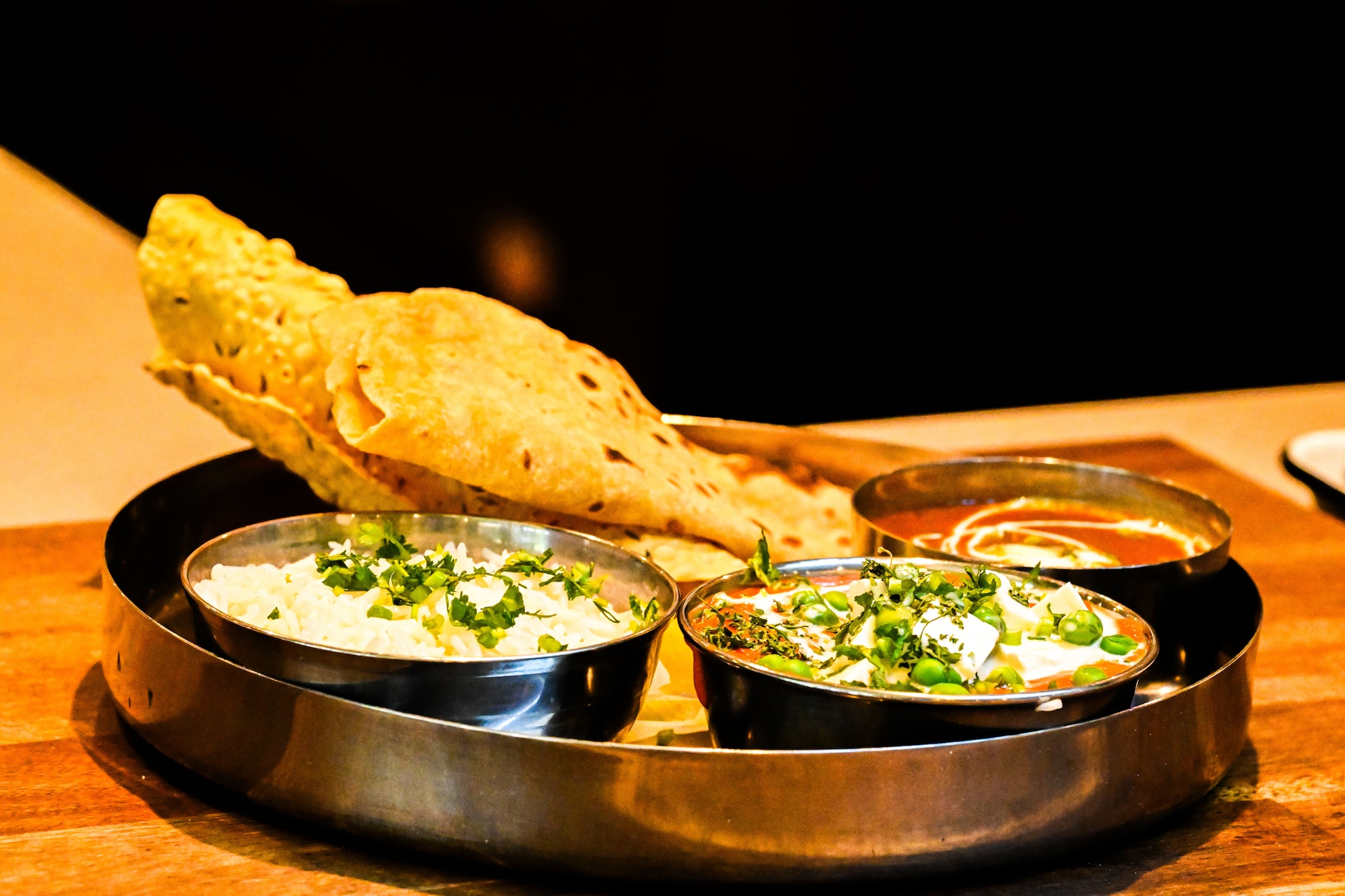
Bhakri Dal: A staple of the Gujarat’s traditional platter, this wholesome and flavourful combination pairs a flatbread made from jowar or bajra flour with dal, creating a meal rich in protein, iron, and authentic taste. (Image: Pexels) 
Bhakri Dal: A staple of the Gujarat’s traditional platter, this wholesome and flavourful combination pairs a flatbread made from jowar or bajra flour with dal, creating a meal rich in protein, iron, and authentic taste.  

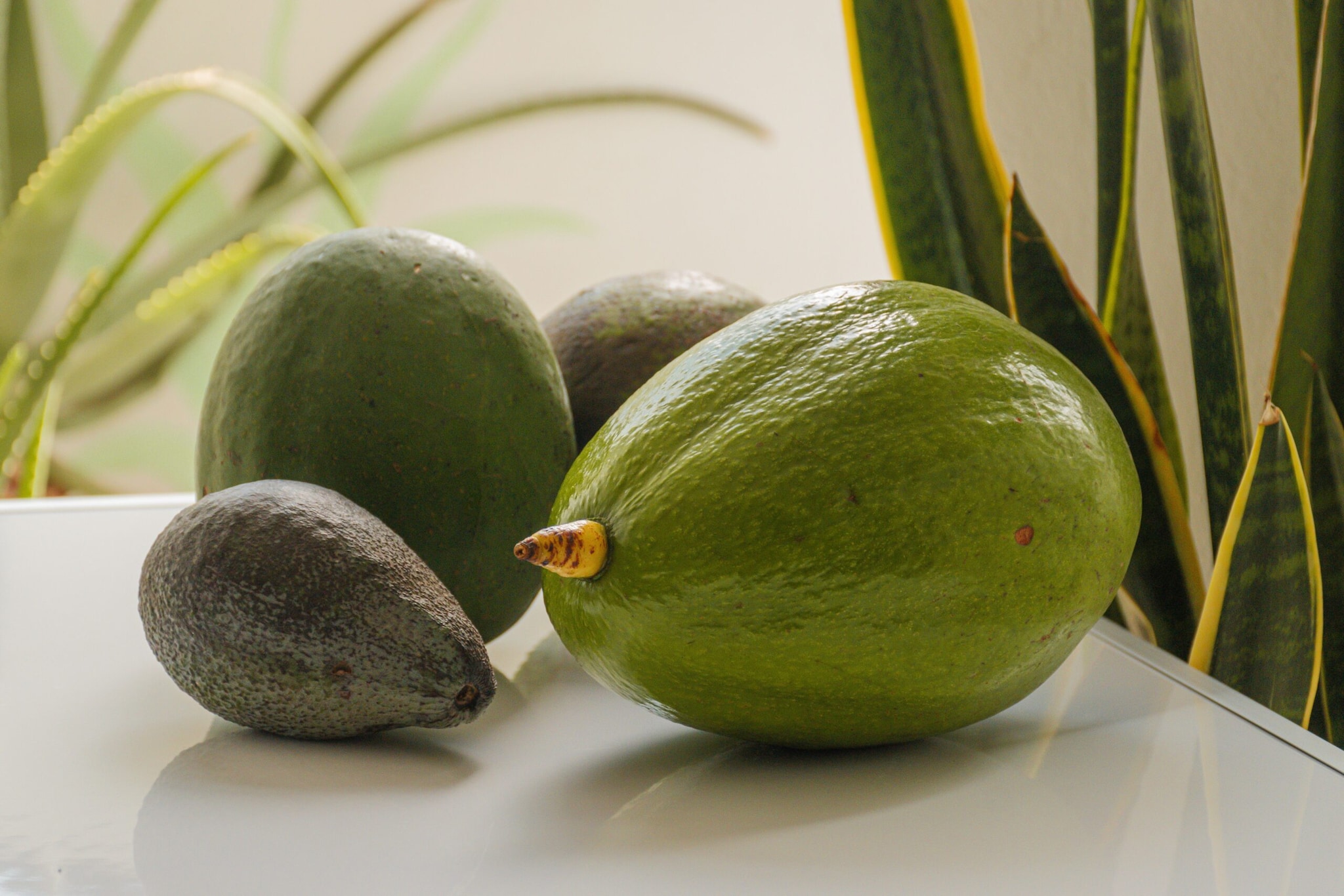
 Indian Avocados: On September 2, PM Narendra Modi posted a video on Instagram with the caption, “Indian avocados are clearly getting more popular.” In the video clip, he highlighted how avocados are becoming popular nowadays. The Prime Minister highlighted that in the past, hardly anyone knew about this fruit; both its value and demand were low. However, today, it is frequently seen on dining tables and is becoming a favourite in the health and premium markets. (Image: Pexels)

Indian Avocados: On September 2, PM Narendra Modi posted a video on Instagram with the caption, “Indian avocados are clearly getting more popular.” In the video clip, he highlighted how avocados are becoming popular nowadays. The Prime Minister highlighted that in the past, hardly anyone knew about this fruit; both its value and demand were low. However, today, it is frequently seen on dining tables and is becoming a favourite in the health and premium markets. 


This is only for your information, kindly take the advice of your doctor for food, medicines, exercises and so on.   


Labels: , , , , , , , , ,

Friday, July 31, 2026

A 5-day guide to eating more fibre—minus the bloat

You’ve heard the pitch: fibre feeds your microbiome, balances hormones, keeps you full, and may even help your mental health. Motivated, you stock up on seeds, switch to multigrain rotis, soak rajma and start your mornings with chia pudding.

And then your gut revolts: bloating, gas, cramps. Every movement feels heavy.

It’s not that fibre is bad—it’s that your body wasn’t prepped for the sudden jump. Despite recommendations of approximately 25–38 g daily, 7-% of Indians don't meet their daily fibre needs. High-fibre diets promise benefits, but studies show that rapidly increasing intake without hydration and gut prep can lead to discomfort, especially if insoluble fibre overloads the system.

“When someone goes from low intake to 30 g suddenly, it's like asking a beginner to run a marathon,” explains Asha Menon, a functional nutritionist specialising in gut health. “Your gut needs to adapt.”

Why a fibre spike can backfire

Fibre comes in two distinct types:

Soluble fibre (like oats, chia, legumes): forms a gel-like substance in the gut, feeds good bacteria, and slows digestion for better glucose control.

Insoluble fibre (like wheat bran, vegetable skins, whole grains): adds bulk and speeds up elimination.

Both are vital—but increasing fibre too fast can overwhelm your gut’s capacity to digest, ferment and expel. The result: gas, bloating, cramps or even constipation.

Research indicates that increasing both soluble and insoluble fibre over time supports a richer gut microbiota without triggering bloating—especially when paired with sufficient hydration.

The 5-day plan to increase fibre without bloating

Day 1: Start with soluble fibre and hydration

  • Add 1 tsp chia or sabja seeds to warm water in the morning.
  • Stick to soft, cooked vegetables (pumpkin, bottle gourd, ridge gourd) and one whole fruit like a banana or a papaya.
  • Drink 2–2.5 liters of water spread across the day.

Soluble fibre swells in water, helping stool pass smoothly while supporting friendly gut bacteria. Starting here helps your microbiome adjust without shock.

Day 2: Swap refined carbs for whole grains
  • Replace white rice or maida with brown rice, quinoa or millets (like jowar or bajra).
  • Steam or pressure-cook them well, and serve with a teaspoon of ghee to lubricate the gut.

Whole grains provide insoluble fibre that promotes bulk and motility, but cooking them properly and pairing them with fat makes them easier to digest.

Day 3: Add a fibre and fat/protein snack

Snack options:

  • 1 banana with peanut butter
  • Roasted chana and almonds
  • Flaxseed powder mixed into curd
  • Carrot sticks with hummus

Adding protein or fat slows digestion and blunts any insulin spike from the fibre. It also reduces fermentation in the gut, lowering the risk of bloating.

Day 4: Walk after meals
  • Add a 10–15 minute walk after lunch or dinner.
  • Avoid lying down or sitting immediately after eating.

Movement after meals supports peristalsis (the muscular contractions that move food through your gut). It also helps with gas relief and blood sugar regulation.

Day 5: Reassess, rotate and diversify
  • Add diversity: oats, legumes (cooked and soaked), raw salads (in small portions), and fermented options like kanji or sauerkraut
  • Ditch common triggers if you’re still bloated—raw cruciferous vegetables, large salads or packaged high-fiber bars.

Gut bacteria thrive on variety. But if a specific fibre source causes symptoms, it’s OK to pull back and reintroduce slowly.

Fiber is your gut’s best friend when introduced with respect. To increase fibre without bloating, start slow, hydrate generously, chew well, and walk it out. Your skin, hormones, and digestion will thank you. If you have a sensitive stomach or are prone to allergies, consult your healthcare provider to find what works best for your needs.


This is only for your information, kindly take the advice of your doctor for food, medicines, exercises and so on.   


Labels: , , , , , , , , , , , , , , ,