Wednesday, January 19, 2022

Vitamin D deficiency: Beware of these unusual signs this winter

Signs of Vitamin D deficiency to watch out for

Vitamin D or 'the sunshine vitamin' is extremely crucial for the healthy functioning of our body. It is an essential nutrient that can be acquired from the foods we eat, prescribed supplements and most importantly the sun. Exposure to sunlight is the best and the most natural way to increase Vitamin D levels in your body.

Many times, we tend to overlook the benefits of vitamins and minerals in our body. It only comes to notice, when we experience a drastic change in the body or undergo certain discomfort and pain. Vitamin D also plays a significant role in keeping our bones healthy, reducing anxiety and boosting overall immunity.

The role of Vitamin D

As is known, Vitamin D is naturally produced in the skin in response to sunlight. It can also be availed through some Vitamin-D rich foods and supplements.

Sufficient levels of vitamin D help in regulating the absorption of calcium and phosphorus in the body. It improves immune functions, fighting away various infections and diseases and also facilitates the normal growth and development of bones and teeth.

Other than these essential benefits, Vitamin D also helps reduce stress and anxiety and regulates mood. Additionally, weight watchers can also reap the benefits of vitamin D, since studies suggest that it aids in achieving your desired weight loss goals.

Low levels of Vitamin D in the body may trigger some problems
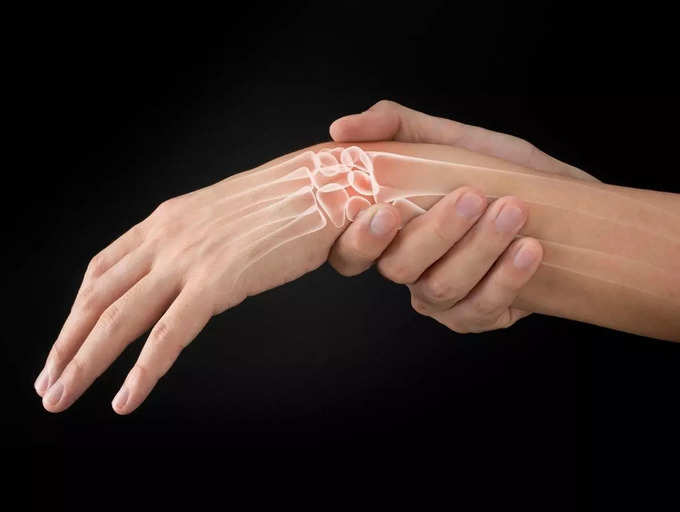
While the benefits of Vitamin D are wide-ranging, there are certain health problems that may arise if you're suffering from Vitamin D deficiency. Especially during the winters, when the weather could be highly unpredictable, fog-ridden and smoggy, one may find it difficult to get themselves sufficient sunlight.

In addition, as far as vitamin deficiency is concerned, the signs could be very subtle, almost invisible. There's a high chance you may even miss it. That said, here are two of the most unusual signs of Vitamin D deficiency you must watch out for.

Fatigue and weakness can be a tell-tale sign

Those suffering with Vitamin D deficiency, often complain of experiencing a general tiredness and weakness, limiting them from going about their daily functions. The Patient UK suggests that weakness in the muscles can lead to difficulty in climbing stairs or getting up from the floor or low chair and also may cause a person to waddle i.e. to walk with short steps, in a clumsy fashion.

Bone pain can signal Vitamin D deficiency

When it comes to Vitamin D, it is considered to be the cure for 'rickets', a disorder that leads to weak and soft bones in kids. Scientifically, Vitamin D helps absorb calcium and phosphorus, which in turn build and strengthen bones. In adults, developing weak and soft bones may be associated with a condition called osteomalacia.

The sure-shot way to detect low Vitamin D levels in the body
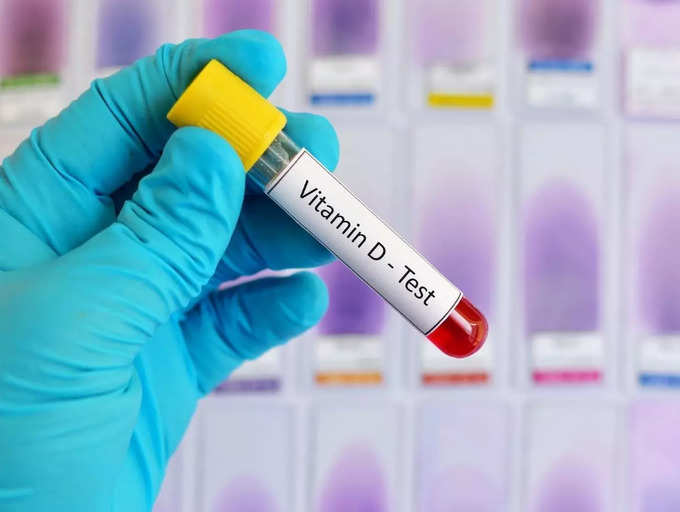
Vitamin D deficiency can be diagnosed with the help of a blood test. There are two types of tests that can confirm your deficiency - the most common being 25-hydroxyvitamin D, known as 25(OH)D for short.


This is only for your information, kindly take the advice of your doctor for medicines, exercises and so on.   

https://gscrochetdesigns.blogspot.com. one can see my crochet creations  
https://gseasyrecipes.blogspot.com. feel free to view for easy, simple and healthy recipes    
https://kneereplacement-stickclub.blogspot.com. for info on knee replacement

Labels: , , ,

Saturday, May 09, 2020

Study links low vitamin D with a high COVID-19 death rate

In a growing list of studies on vitamin D and its link with COVID-19 disease, British researchers have found an association between low average levels of vitamin D and high numbers of COVID-19 cases and mortality rates across 20 European countries.

Previous observational studies have reported an association between low levels of vitamin D and susceptibility to acute respiratory tract infections.


We found a significant crude relationship between average vitamin D levels and the number COVID-19 cases and particularly COVID-19 mortality rates, per head of population across the 20 European countries, said the study researcher, Dr. Lee Smith from UK.


According to the researchers, vitamin D modulates the response of white blood cells, preventing them from releasing too many  inflammatory cytokines. The COVID-19 virus is known to cause an excess of pro-inflammatory cytokines.


Italy and Spain have both experienced high COVID-19 mortality rates, and the new study published  shows that both countries have lower average vitamin D levels than most northern European countries.


This is partly because people in southern Europe, particularly the elderly, avoid the strong sun, while skin pigmentation also reduces natural vitamin D synthesis.


The highest average levels of vitamin D are found in northern Europe, due to the consumption of cod liver oil and vitamin D supplements, and possibly less sun avoidance.


Scandinavian nations are among the countries with the lowest number of COVID-19 cases and mortality rates per head of population in Europe.


This is only for your information, kindly take the advice of your doctor for medicines, exercises and so on.     

https://gscrochetdesigns.blogspot.com. one can see my crochet creations  
https://gseasyrecipes.blogspot.com. feel free to view for easy, simple and healthy recipes    
https://kneereplacement-stickclub.blogspot.com. for info on knee replacement

Labels: , , , , , ,

Wednesday, February 12, 2020

Vitamin D deficiency during pregnancy linked to higher ADHD risk in kids

Deficiency in the levels of vitamin D in pregnant women is associated with a higher risk of attention deficit hyperactivity disorder (ADHD) in children, according to a study.

ADHD makes it difficult for a person to pay attention and control impulsive behaviours.

The study is the first population-level research to demonstrate an association between low maternal vitamin D level in early to mid-pregnancy and an elevated risk for diagnosed ADHD in the offspring, the researchers said.

"Alongside genotype, prenatal factors such as vitamin D deficiency during pregnancy, can influence the development of ADHD," said Minna Sucksdorff from the University of Turku in Finland.

The study, published in Journal of the American Academy of Child & Adolescent Psychiatry, included 1,067 children born between 1998 and 1999 diagnosed with ADHD in Finland, and the same number of matched controls.

The data was collected before the current national recommendation in Finland for the intake of vitamin D during pregnancy, which is 10 microgrammes per day throughout the year.


Primary investigator, Professor Andre Sourander said that, despite the recommendations, vitamin D deficiency is still a global problem.

"This research offers strong evidence that a low level of vitamin D during pregnancy is related to attention deficiency in offspring," Sourander said.

"As ADHD is one of the most common chronic diseases in children, the research results have a great significance for public health," he said.

The study is part of a larger research project that aims to discover the connections between the mother's health during pregnancy and ADHD in offspring, the researchers said.

The goal is to produce information for developing preventative treatments and measures for identifying children with ADHD risk, they said. 


This is only for your information, kindly take the advice of your doctor for medicines, exercises and so on.     
https://gscrochetdesigns.blogspot.com. one can see my crochet creations  
https://gseasyrecipes.blogspot.com. feel free to view for easy, simple and healthy recipes    
https://kneereplacement-stickclub.blogspot.com. for info on knee replacement
 

Labels: , , , ,