Wednesday, November 23, 2022

Take Care of Urinary Incontinence Naturally with This Guide

Urinary incontinence can be an embarrassing problem, but it is far from being uncommon. The severity ranges from occasionally leaking urine when you cough or sneeze to having an urge to urinate that's so sudden and strong you don't get to a toilet in time.​ Though it occurs more often as people get older, urinary incontinence isn't an inevitable consequence of aging. ​ 
 
Urinary Incontinence Types and Causes 
The problem is more often associated with women, especially during pregnancy or menopause. It arises when there is a lot of internal pressure in the bladder. 
 
These are the different types of urinary incontinence: 
 
Urgent Incontinence 
Usually accompanied by the urge to urinate, this type of urinary incontinence happens when the sensory impulses in the walls of the bladder don’t react in time. 
 
Overflowing Incontinence 
This occurs when the bladder is stretched from being full of urine, which can be caused by a number of factors, such as urethra blockage, prostate enlargement in men or neurological damage to spine caused by a spinal cord injury, surgery or multiple sclerosis. 
 
Psychogenic Incontinence 
Feeling fear, anxiety, mania or being exposed to something phobic are all causes of this type of incontinence. 
 
Neurological Incontinence  
Changes to the nervous system caused by a stroke, Parkinson’s disease, multiple sclerosis, spinal cord injuries or other ailments result in changes in urinary function, and thus incontinence. 
 
Homemade Urinary Incontinence Remedies 
Here are four tonic recipes for urinary incontinence that you may try at home:
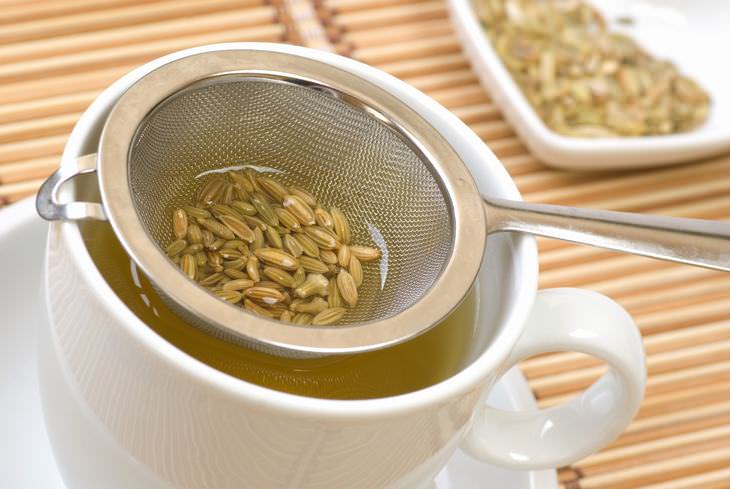
urinary incontinence

 Recipe 1 

2 tbsp fennel 
1 cup water 
 
Directions: Boil the fennel in the water for five minutes and leave to cool. Once cooled, drink the mixture. Do this once a day.

Recipe 2  

urinary incontinence
1 handful raspberry leaves 
1 cup water 
 
Directions: Boil the raspberry leaves in the water for five minutes and leave to cool. Once cooled, drink the mixture. Repeat once per day. This remedy is particularly good for those looking to strengthen their pelvic muscles.

Recipe 3 
urinary incontinence
1 garlic bulb 
1 handful white hawthorn flowers
2 liters water 
 
Directions: Crush the garlic and combine with the hawthorn flowers in the water. Boil and leave to brew for 15 minutes. Next, strain the mixture, add it to a bathtub filled with warm water, and bathe in it.

Recipe 4 
 
1 tbsp. bearberry leaves  
1 liter tea 
 
Directions: Combine the tea and bearberry leaves. Drink a cup once every three hours, no more than five times each day. Note that those who have kidney inflammation should not try this remedy.   

Urinary Incontinence Tips and Techniques 
In addition to the recipes outlined above, there are various things you can do to ease your urinary incontinence: Take Warm Sitz Baths While taking a sitz bath, try sitting down, contracting your pelvic muscles and holding for five seconds. Relax for 10 seconds, and then repeat. Do this exercise 10 times in succession each day. 
 
Do Kegel Exercises  
When you are urinating, try contracting your pubococcygeus muscle by stemming the flow of urine. Repeat this process several times until your bladder is empty. Limit yourself to doing this exercise a maximum of three times per month. 
 
Do Hypopressure Exercises  
Stand with your leg a hip’s width apart, bringing your pelvis forward. Then, bend your knees slightly and raise your palms. Contract your abdomen three times using short breaths. Exhale each breath slowly. Repeat this process twice. 
 
Figure Out What’s Causing Your Incontinence
If you’re stressed out, anxious, or happen to have a urinary tract infection, you need to remedy those things first in order for your incontinence to be treated in turn. 
 
Avoid These Foods  
Tomato sauce, chocolate, corn syrup, sugars, honey, chili pepper, curry, and other very sweet or spicy foods should be avoided, as they can irritate your bladder. Also avoid tea, coffee, and soft drinks. 
 
Don’t Reduce Your Fluid Intake 
Although it might seem to make sense to reduce the amount of water you’re drinking, it isn’t such a good idea, because doing so could lead to dehydration and kidney problems.

This is only for your information, kindly take the advice of your doctor for medicines, exercises and so on.   

https://gscrochetdesigns.blogspot.com. one can see my crochet creations  
https://gseasyrecipes.blogspot.com. feel free to view for easy, simple and healthy recipes    
https://kneereplacement-stickclub.blogspot.com. for info on knee replacement

https://GSiyers home remedies.blogspot.com     is my latest addition to my blogs. I'm going to add posts there, do give me your valuable feed back on my blogs. Thanks a lot, take care, be healthy and be happy.

Labels: , , , , , , , , , , ,

Sunday, September 19, 2021

Cures for a Weak Bladder

Urinary incontinence affects 17-40% of American women in their 40s and 50s. Stress incontinence occurs when the urethral sphincter, the muscle that opens and closes the opening to the urethra, loses strength, or when the pelvic-floor muscles become weak or injured, usually as a result of pregnancy, delivery, or age.

Urge incontinence, also known as overactive bladder, can also be caused by pelvic floor problems, but may also be related to a weakened or overactive nervous system and the aging of the bladder, both of which can make the bladder feel incapable of holding much urine. Around 36% of incontinent women have both kinds.

Stress incontinence might occur during moments of physical strain, such as coughing or a deep belly laugh. With urge incontinence, you might leak urine as you feel the need to go suddenly and often, even when your bladder isn’t full. 
 
Below are some natural remedies and other solutions for better bladder control.
 
Kegel Exercises 
 
How it works: Women with stress incontinence who consistently do pelvic-floor exercises experience a 70% improvement in symptoms, and experts state that building these muscles may also help with urge incontinence. This is why Kegels are a mainstay of incontinence therapy. Jill Maura Rabin, MD, head of urogynecology at Long Island Jewish Medical Center, states that, “Kegels work because over time they thicken the muscles that hold your urethra and other organs in place.” She suggests that beginners should contract their pelvic-floor muscles for 5 seconds, and then relax them for 5 seconds, repeating this 5, 10, 20 times per day. 
 
Reprogram Your Bladder

How it works: If you suffer from urge incontinence, bladder training may help you. With this form of behavioral therapy, you make yourself wait when you feel the need to urinate, gradually increasing the intervals between bathroom trips.  
 
Yoga for Your Pelvis 
 
How it works: Mula Bandha, a posture considered vital to any yoga practice, involves tightening the muscles that control the urethral sphincter, producing an effect that is similar to that of Kegel exercises. Other postures such as the Crow, Fish, and Pike, focus on increasing pelvic strength, which makes it easier to hold urine. 
 
Prescription Medication 
 
How it works: The drugs available are approved to treat only urge incontinence, which they achieve by helping the bladder relax, letting it hold more urine for longer intervals. These drugs include Detrol, Ditropan, and Enablex, and are available as capsules, pills, or gels. They help the majority of women, but they may need to be taken indefinitely and they can cause mild side effects, such as constipation and dry mouth.  
 
Vaginal Pessary 
 
How it works: this is a silicone device that you place in your vagina, where it pushes up on the vaginal wall and urethra to help support the bladder and uterus. If you have stress incontinence, a doctor or nurse can fit one for you; you’ll need regular check-ups to ensure it isn’t irritating your vagina. 
 
Electrical Stimulation 
 
How it works: Gentle volts of electricity, delivered through a vaginal probe by a medical professional, may activate and strengthen pelvic-floor muscles. Another method, used only for urge incontinence, involves implanting a device under the skin of the upper buttock to stimulate the sacral nerve, which connects to the bladder and pelvic-floor muscles.  
 
Surgery
 
How it works: For stress incontinence, surgery offers a high cure rate. Doctors insert a short sling that remains permanently in the body to help close the urethra. Generally speaking, surgery isn’t recommended until no other options have worked. 
 
Drink Less 
 
How it works: According to Benjamin Brucker, MD, assistant professor in the urology department at NYU Langone Medical Center, “If you have a weak bladder and drink 8 glasses of water each day, reducing this to 4-6 glasses may help decrease how often you feel the need to urinate.” 
 
Check Your Medicine Cabinet 
 
How it works: Common drugs such as antihistamines, tricyclics, and blood pressure medications, can interfere with muscle contraction in the bladder and urethral sphincter, thus making incontinence worse.

Lose Weight 
 
How it works: Having extra pounds on your body can strain your pelvic-floor muscles, and losing just a tiny bit of weight can improve your symptoms. In one study, 75% of women who lost 5-10% of their weight experienced a significant decrease in urine leakage.


This is only for your information, kindly take the advice of your doctor for medicines, exercises and so on.   

https://gscrochetdesigns.blogspot.com. one can see my crochet creations  
https://gseasyrecipes.blogspot.com. feel free to view for easy, simple and healthy recipes    
https://kneereplacement-stickclub.blogspot.com. for info on knee replacement


Labels: , , , , , , , ,