7 Medicinal Uses of Lavender Backed by Science
Lavender is one of the most well-known fragrant herbs in the world. The smell of lavender is everywhere: in scented soaps and candles, cleaning products, skincare, and haircare. In fact, lavender is so common that it’s easy to overlook as something that can make a change in your wellbeing. But make no mistake - it most certainly can help you lead a healthier life.
This fragrant herb has many scientifically-proven medicinal properties
for both your body and mind. In this post, we go through these health
benefits and explain how to use the many forms of lavender in your daily
life.
The Medicinal History of Lavender
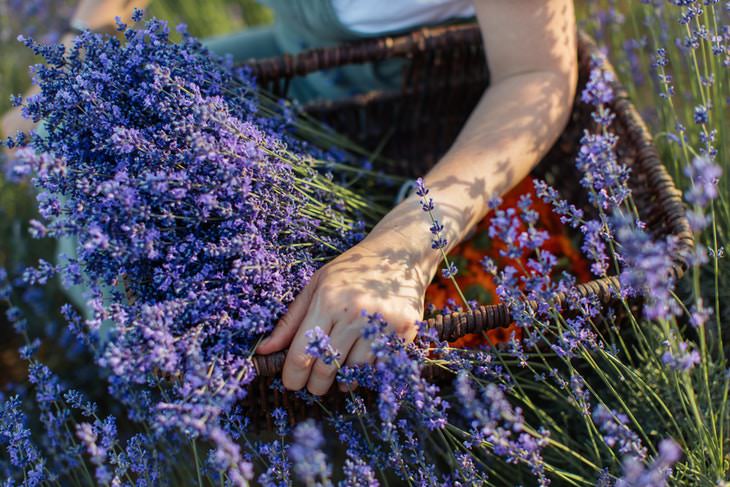
Lavender been cherished for its pleasant fragrance, soft purple color, and
medicinal properties for millennia. There are 47 known species of
lavender in the world, all of which are native to the Mediterranian and
northern Africa.
This herb has a far-reaching history in herbal medicine. The Ancient
Egyptians were the first civilization that recorded the use of lavender -
they used lavender oil during the mummification process. But the
English name of the plant is of Latin origin. It stems from the word
lavare, which means “to wash.” This name describes the way ancient
cultures like the Ancient Greeks, Romans, and Persians used the herb, as
dried lavender blooms or lavender oil would be commonly added to baths.
Today, lavender is commercially grown all across the world to make
essential oil, which is produced by distilling the flowers of the herb.
Both the plant and essential oil are known to have many beneficial
properties and uses.
Medicinal Qualities Of Lavender
1. It improves your quality of sleep
For millennia, people would place dried lavender flowers inside their
pillows to promote better sleep. This is how the herb’s reputation as a
powerful relaxing agent has begun. The smell of the herb is said to help
insomnia and other sleep problems, and there are over 15 studies
showing that aromatherapy, including lavender essential oil, has a
beneficial effect on people with mild sleep disorders.
People who use lavender oil aromatherapy report feeling more well-rested according to a study from 2015. If you find it difficult to fall asleep at night, try smelling lavender oil or use lavender aromatherapy before you go to bed.
2. Soothes Migraines
The smell of lavender seems to be beneficial for migraine sufferers. A
2012 study in people who suffer from migraines found that inhaling
lavender essential oil for 15 minutes can help reduce the recurrence of
migraines and makes the headaches that do occur less severe. Another
study also suggests that migraine sufferers experience weaker migraines
after 3 months of daily lavender essential oil inhalation without
experiencing any other side effects.
3. Quells anxiety

People who suffer from anxiety may experience marked benefits from using
lavender. In fact, one research paper compared the use of lavender
capsules to lorazepam, an anti-anxiety medication, and made the
conclusion they had very similar effects. Furthermore, a large review
article from 2019 concluded that anxiety sufferers who take a capsule
containing 160 milligrams of lavender oil experienced a significant
reduction in anxiety after just 2 weeks of use.
The anxiolytic, or anxiety-reducing properties of lavender seem to work
on the spot too, as shown in a study where participants were exposed to
the smell of lavender in a waiting room right before a dentist
appointment. A similar calming effect was also observed in seniors at a
coronary intensive care unit. The experimenters noted that patients
exposed to lavender essential oil were calmer and slept better.
Finally, the National Cancer Institute suggests that lavender
aromatherapy may reduce anxiety about cancer procedures. Therefore, the
anxiolytic properties of lavender aromatherapy seem not to be limited to
a specific age or underlying medical conditions.
4. Helps depression
The evidence that lavender is beneficial for depression may not be as plentiful as the studies about anxiety, but newer research is definitely encouraging.
One of the first human studies that linked depression relief and the use
of lavender was published in 2015. The study was conducted among
patients undergoing hemodialysis, a procedure where a machine is used to
clean your blood. During the treatment, patients inhaled lavender,
which helped them reduce their levels of both stress and depression.
Similar findings were observed in postpartum women in a 2016 research
article. Finally, a study from 2020 showed that seniors who drank
lavender tea 2 times a day for 14 days experienced had experienced less
anxiety and depression than their peers in the control group.
5. Promotes hair growth
People who suffer from a condition called alopecia areata, which makes
you lose hair in patches, may benefit from applying a solution of
lavender oil on the affected area. A 1998 experiment in patients
suffering from this type of hair loss found that the essential oil was
capable of promoting hair growth by as much as 44% after 7 months of
use. A more recent study, albeit in mice, also supported these findings -
increased hair growth was observed in mice after 28 days of treatment.
6. Heals burns and reduces acne and other skin conditions
Lavender is a famous traditional remedy for burns. Applying diluted
lavender oil on the affected area can reduce the chance of developing an
infection after a burn, says a 2009 study. As for the use of essential
oils for skin conditions, it has been debated in the past because some
people seem to be sensitive to them.
However, when used carefully and sparingly, lavender oil seems to
improve several skin conditions. For these concerns, we recommend that
you always dilute lavender oil in a neutral oil or a bland moisturizer
and patch test before using it directly on a visible area on the skin.
Lavender oil has antimicrobial, anti-inflammatory, and antifungal
properties, so it can help heal acne faster. The oil can kill germs that
cause acne - according to a 2013 study. Patients suffering from skin
itching and skin rashes also feel that applying lavender brings relief
to their symptoms, found a 2020 research article.
7. Promotes wound healing
Not just burns and pimples, but any kind of wound can be healed faster with a drop of lavender oil. This was a conclusion of a research paper published in Evidence-Based Complementary and Alternative Medicine that looked at the effects of several complementary wound healing treatments.
A meta-analysis published in 2020 also suggests that lavender boosts the
rate of tissue regeneration and the growth of collagen. Continue
reading to find out how to use lavender oil to reap all of these health
benefits.
How to use lavender oil
Lavender begins as a purple flower, but it is available in multiple forms, such as:
Fresh or dried flowers
Essential oil
Tea
Capsules
Scented candle
Bath salt
Various hair and beauty products.
Manufactured products, such as candles, capsules, and teas are pretty
simple to use and merely require you to follow the instructions on the
packaging. Using fresh lavender or lavender oil may be a bit trickier,
so here are a few useful tips for beginners.
Fresh lavender
If you grow lavender flowers in your garden or have access to fresh lavender, you can use fresh flowers and leaves can be used in cooking, much like you would use fresh rosemary. Lavender can be added to meat marinades, salads, or baked goods.
You can also use dried lavender in your cooking, in potpourri, to steep some tea, or to add to your linen closet to imbue your bed sheets and towels with a relaxing smell.
Lavender essential oil
Lavender essential oil is best used in aromatherapy. There are various
ways to do so:
1. Hold a bottle of lavender oil close to your nose and smell it for several minutes.
2. Add 5-7 drops of lavender oil into a diffuser and let the relaxing smell spread through the room.
3. Mix together 1 cup water, 1 tablespoon rubbing alcohol, and 10 drops of lavender oil in a spray bottle. Use the mixture to spray the bedsheets before bedtime or spray around the room anytime for a calming boost.
4. Add 3-5 drops of lavender oil to a warm bath.
You can also use lavender essential oil directly on your skin, but make
sure to always dilute it in a carrier oil beforehand to prevent
irritation. Use one drop of essential oil for 1 teaspoon of carrier oil
or moisturizer. Examples of carrier oil are grapeseed oil, jojoba oil,
sweet almond oil, etc.
When purchasing lavender essential oil, we recommend going for oils
packaged in dark glass bottles, ideally from a reputable brand. This
way, you will get the highest quality oil and don’t have to worry about
it losing its potency. Unlike the plant itself, lavender essential oil
can be toxic when ingested and may cause stomach cramps, nausea, and
other unpleasant symptoms. Avoid consuming lavender essential oil.