Cutting down on sodium-intake can reduce your risk of THESE chronic conditions
Why should you regulate your sodium intake
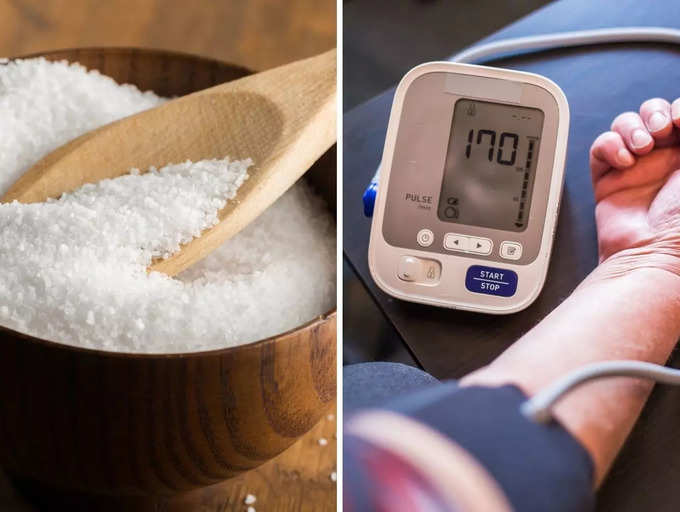
Sodium or what we usually call 'salt' is an integral part of our daily diet. It is what provides taste and also improves the experience of our food. About 500 mg of daily sodium-intake is said to be necessary for important bodily functions. However, excess of it could also increase your risk of developing various illnesses.
As far as adults are concerned, the World Health Organization (WHO) recommends they consume less than 5 g, which is just under a teaspoon of salt daily. For children, the global health agency suggests adjusting the recommended maximum intake of salt for adults downwards, as per their energy requirements.
That said, while sodium is an essential nutrient for our body, that helps in balancing fluid levels, improves nerve and muscle functions, eating too much of it can also have adverse health impact. Therefore, choosing to cut down on your salt intake and bringing it back to normal can help reduce your risk of certain health conditions. Read on to find out what they are.
High blood pressure a.k.a. the silent killer

Excess sodium consumption is linked to high blood pressure or hypertension.
High sodium or salt intake can cause our bodies to hold onto more water, causing larger volumes of blood to flow through the blood vessels and the arteries. This further increases the pressure on the blood vessels, making the heart work harder to pump blood to various parts of the body, leading to high blood pressure.
A high blood pressure often has no symptoms, which is why it is called a silent killer.
Heart failure

According to a study published in The Lancet, reducing sodium intake could help improve certain symptoms in patients with heart failure. Although it did not lower hospital visits or deaths in them, the study found that it could ease their symptoms such as swelling, fatigue and coughing.
The research involved 806 heart failure patients at 26 medical centers in Canada, the United States, Columbia, Chile, Mexico and New Zealand, out of which half the participants received usual care, while the other half received nutritional counseling on how to reduce their dietary salt intake.
Prior to the study, the participants had an average of 2,217 mg of salt per day. During and after the study, those who got usual care consumed an average of 2,072 mg of sodium daily, while people on nutritional counseling reduced their salt intake to an average of 1,658 mg per day.
Although the researchers found no significant difference in the two groups, they observed consistent improvement of symptoms in the low-sodium group.
Stroke
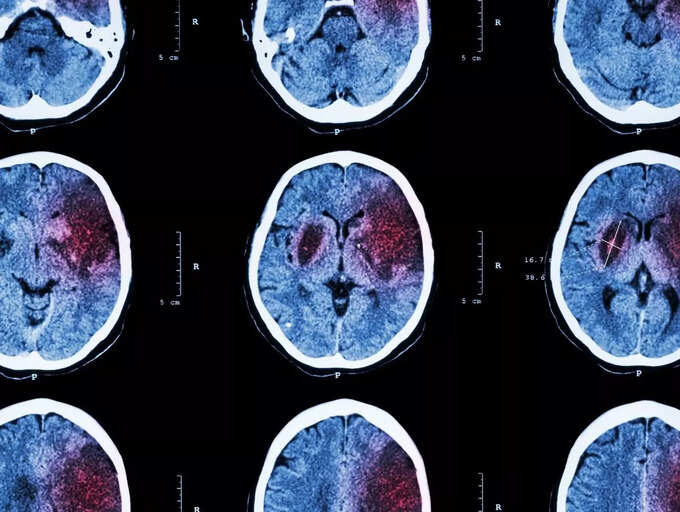
High consumption of salt is linked to a greater risk of stroke and other cardiovascular diseases.
A stroke occurs when the supply of blood to the part of the brain is interrupted or restricted, limiting the brain tissues from receiving oxygen and other vital nutrients. Eating high sodium foods can increase the amount of blood in the arteries, raising blood pressure and hence risking the onset of a stroke.
Coronary heart attack
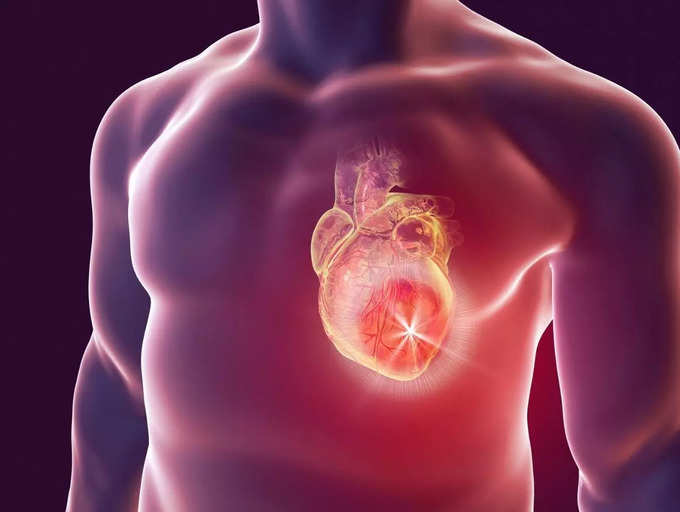
According to the Centers for Disease Control and Prevention (CDC), eating foods ric in sodium, especially processed and fast foods, can contribute to high rates of high blood pressure, heart attack, and stroke. The US health agency suggests almost 500,000 deaths each year are related to high blood pressure, which is why reducing sodium intake could prevent thousands of deaths annually.
Given that high salt intake raises blood pressure, it causes much damage to the coronary arteries, which then leads to the growth of a plaque, a buildup of fat, cholesterol and other substances. Due to the formation of plaque, the arteries narrow down, leading to blood clots, which could cause a heart attack.
How to lower your sodium intake
If you're someone looking to reduce salt intake, here are some ways to do it.
- Opt for whole foods instead of processed items. Eat green veggies, foods and fruits rich in fibre. Most importantly, indulge in home cooking so you can regulate your salt intake.
- Before buying food products, read the labels. Go for food items that have the least amount of sodium per 100g.
- Do not acquaint your kids with salty foods. Keep it to a minimum so they do not get used to the taste.
- Try portion control. Overeating may often lead to high sodium intake.