Thursday, June 12, 2025

Harvard doctor lists 6 cancer causing foods: What are their alternatives

 Cancer is one of the most feared diseases of our time. While genetics and environment play a major role, everyday food choices also quietly influence cancer risk. In a video that is going viral on social media, Dr Saurabh Sethi, a Harvard-trained gastroenterologist, highlighted six everyday food items that science links to cancer development and progression. But here's the eye-opener: reducing or eliminating these from the plate can have a serious positive impact on long-term health. Here are the 6 red-flag foods and what healthier swaps can nourish the body instead.


Ultra-processed meats: Cancer’s silent invite

Processed meats seen as protein-rich options. Some even view them as easier meal choices. According to the World Health Organisation, processed meats are classified as Group 1 carcinogens, meaning there’s strong evidence that they can cause cancer, particularly colorectal cancer. Dr Sethi warns that the nitrates and preservatives used in these meats can damage the cells lining the gut and promote cancerous changes.

Swap ultra-processed meats with home-cooked lean meats like grilled chicken, or even plant-based protein sources such as legumes, and lentils. These options are less inflammatory and packed with fiber and antioxidants that protect gut health.

Sugary drinks: Feeding cancer cells quietly

Fizzy sodas and flavoured drinks are often considered quick sources of energy or mood boosters. Dr Sethi emphasizes that sugary beverages don’t just spike blood sugar, they also feed chronic inflammation and can accelerate cancer progression. Frequent intake of sugary drinks is linked to increased risk of obesity-related cancers such as breast, pancreatic, and colon cancers.

Fresh coconut water, homemade fruit-infused water, or even simple herbal teas can quench thirst
without the sugar overload. These also bring along antioxidants and hydration, both crucial for cell repair and immune support.

Deep-fried foods: Inflammation in every bite

A crispy samosa or a handful of fries is often seen as harmless comfort food.
Deep frying, especially in reused oils, leads to the formation of acrylamide—a compound known to trigger inflammation and increase cancer risk. Dr Sethi highlights that regular consumption of deep-fried food is linked to oxidative stress and chronic inflammation, the very environment in which cancer thrives.

Baking or air-frying vegetables and snacks can drastically reduce oil use while keeping things crunchy. Using olive oil for light sautéing and loading the plate with roasted veggies adds taste without the toxic load.


Charred or burnt meat: More than just a grilling error

The smoky flavour from a grill is considered a culinary win. Dr Sethi sheds light on a hidden danger, when meat is overcooked or charred, it produces heterocyclic amines (HCAs) and polycyclic aromatic hydrocarbons (PAHs), which are known to damage DNA. Repeated DNA damage is a key step toward cancer development.

Instead of high-temperature grilling, go for slow cooking, steaming, or baking. If grilling is unavoidable, marinating the meat beforehand can significantly reduce the formation of harmful compounds. Adding antioxidant-rich herbs like rosemary and thyme also helps.


Alcohol: A known risk for hormone-driven cancers

A glass of wine a day is sometimes even recommended for heart health. Dr Sethi points out that alcohol consumption, even in moderate amounts, is linked with a higher risk of hormone-related cancers such as breast and liver cancer. Alcohol can alter estrogen levels and impair the body’s ability to absorb key nutrients like folate, which plays a role in DNA repair.

Instead of alcohol, fermented drinks like kombucha (non-alcoholic), beetroot kanji, or even pomegranate juice can offer both the tang and the health benefits. These alternatives are rich in probiotics and polyphenols that support the gut and immune system.


Ultra-processed foods: Chronic inflammation’s partner

Packaged snacks, instant noodles, and ready-to-eat meals are seen as saviors in busy routines. These foods are stripped of natural nutrients and loaded with artificial additives, refined sugars, and unhealthy fats. Dr Sethi stresses that frequent consumption of ultra-processed food drives low-grade chronic inflammation, one of the key players in the cancer process.

Preparing simple home-cooked meals using whole grains, fresh vegetables, nuts, and seeds can dramatically lower inflammation markers. Even a basic bowl of khichdi with vegetables or oats upma can offer healing nutrients without synthetic ingredients.


What is a balanced diet?
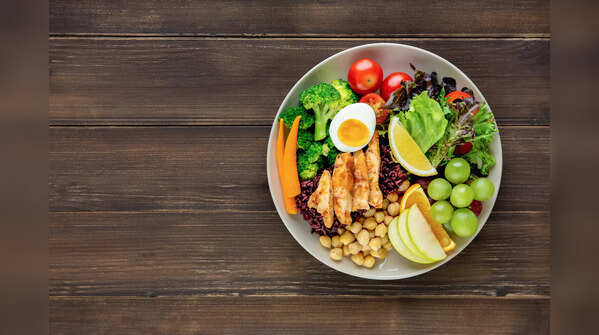
What is a balanced diet? 

A balanced diet is an eating plan that provides the body with all the essential nutrients it needs to function optimally, grow, repair itself, and maintain overall health. It involves consuming a variety of foods in the right quantities and proportions from different food groups.


Stay healthy ad happy

Take care of these things to stay healthy and happy.


Can exercise reduce cancer risk?

Yes, engaging in regular physical activity can significantly reduce the risk of developing several types of cancer, including breast, colon, endometrial, bladder, esophageal, kidney, lung, and stomach cancers. The protective effects of exercise are thought to stem from various mechanisms. It helps maintain a healthy body weight, which is crucial as obesity is a major cancer risk factor due to its influence on hormone levels (like insulin and estrogen) and inflammation. 


Does exercise help reduce cancer risk?

Yes, extensive research indicates that regular exercise significantly reduces the risk of developing various types of cancer, including but not limited to breast, colon, endometrial, bladder, esophageal, kidney, lung, and stomach cancers. The mechanisms behind this protective effect are multifaceted: exercise helps maintain a healthy weight, which is crucial as obesity is a major cancer risk factor; it can improve immune system function and reduce chronic inflammation; it helps regulate hormones like insulin and estrogen, which can influence cancer cell growth; and it can speed up the passage of food through the digestive system, thereby reducing exposure to potential carcinogens.


Eat healthy
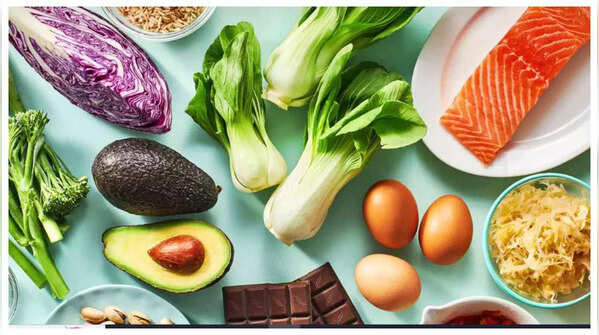
Eat healthy 

Eat healthy, wholesome food to keep cancer at bay


Do not ignore signs

Do not ignore any sign that your body is trying to give you.


Nourish your body

Nourish your body with healthy and wholesome home-cooked food.


This is only for your information, kindly take the advice of your doctor for medicines, exercises and so on.   


Labels: , , , , , , , , ,

Thursday, February 24, 2022

Dancing Can Reverse Signs of Aging

Dance has long been a form of expression, celebration and has also been shown to literally shake the stress of the day away. Regardless of whether you took dance lessons growing up, or have two left feet, we can all admit that letting loose and dancing the night away feels good. Yet dance can do so much more for us, in fact, it has been found that the mental benefits may make it the number one activity for protecting and strengthening your brain. 
 
Dancing and Your Brain  
Research is constantly being done on the aging brain and how to combat, prevent and treat age-related diseases such as Alzheimer's, Dementia and Parkinson's disease. Exercise has long been shown to have an impact on brain health, but scientists have discovered that dance, with coordinated movement and required stamina, may be the best type of exercise for your brain for several reasons:
dancing for memory
1. Constant Learning  
A study conducted by Dr. Kathrin Rehfeld at the German Center for Neurodegenerative Diseases compared various groups of elderly people who were given specific exercise routines for 18 months. Some groups were assigned endurance and flexibility training such as walking or cycling, and one group was given weekly dance lessons. 
 
Every week they were challenged with something new, be it a new genre of dance, a new step, or a new routine. It was found that all the groups experienced an increase in the hippocampus center of the brain - an area that is particularly vulnerable to age-related decline and diseases - though the dance group experienced a noticeable difference. Dr. Rehfeld explained that the most challenging aspect for the group was to recall the routines under the pressure of time, and without any cues from the instructor. 

2. Coordination and Balance 
Balance and coordination can be difficult, becoming even more challenging as we age. The challenge with aging is that you become increasingly dizzy, lose your balance and fall. As a result, you are also more likely to experience a serious injury. But dancing trains and improves all of these areas: Spins, turns, quick side-to-side and up and down movements, train the areas of the brain and the inner ear to deal with those quick changes and sharp movements. This helps you become less dizzy from everyday movements, such as going up the stairs or getting up and out of a chair. 
 
In addition, dancing also helps strengthen a variety of muscles in your feet, legs, and hips as well as your core, so that if you do lose your balance, you are able to stop yourself from falling. Dancing teaches coordination and muscle memory, so if you dance and practice routines, you are nurturing and developing the brain-muscle connection and neurons. 
 
3. Improved Memory  
We all would like to have better memory, but this is especially pertinent for older adults. As we age our ability to remember and recall names, dates, places, and facts declines. But dancing helps us connect the mental (learning new steps and the order they come in) with the physical (actually executing the routine). This results in memory improvement and strengthened neuronal connections in the brain.
dancing for memory
4. Music Stimulates Brain Activity  
Scientists and researchers who study neurodegenerative diseases have long discussed the profound impact that music has on the brain, especially for those suffering from cognitive decline. Dance, not only offers benefits of the physical practice itself but as it is accompanied by music, this helps stimulate the reward centers of the brain in combination with the sensory and the motor circuits that are activated when you start dancing. 
 
Furthermore, studies done on Parkinson's disease found that those who practiced and learned dance, had an improved sense of balance and fell less, they also experienced a slower rate of motor decline and an overall slower progression of the disease. 
 
 5. Dancing Makes You Happy Whatever the style, dancing gets you moving. This form of exercise is fantastic for your heart, lungs, muscles, and joints and is a fun way to burn calories. It also helps you shed stress. It also allows us to connect with others, when we are at parties, for instance.


This is only for your information, kindly take the advice of your doctor for medicines, exercises and so on.   

https://gscrochetdesigns.blogspot.com. one can see my crochet creations  
https://gseasyrecipes.blogspot.com. feel free to view for easy, simple and healthy recipes    
https://kneereplacement-stickclub.blogspot.com. for info on knee replacement


Labels: , , , , , , , , , , , , , , ,

Monday, May 31, 2021

Isn't life very strange

 We're destined to die, the day has been already decided by God, the day we're born.

Sad, we don't when, where and how?

Some people are alive and talking, the next moment, they're dead, how lucky they're to have such a quick and peaceful death.

How many of you are aware, that after one dies, hearing is the last sense one loses, I read somewhere that one can hear for 10 minutes after one dies !

I keep wondering often, for what purpose God created each one of us? Think to be useful to other mankind. 

How often when one is alive,  people talk very nice about the person in front of them. 

The moment comes one needs help, then one knows who are their true relatives / friends in times of need. 

Everyone should be aware that for everyone good times and bad times will come. One needs people during difficult times, especially when one dies. The people who are your true friends and relatives you'll come to know at this time.

For me, I prefer to be there when one needs me in times of sorrow than when one is celebrating. You may be wondering, why I am a bit philosophical today. It s because, I lost my eldest brother-in-law yesterday, of course, he was 87, had a quick and peaceful death. For his last rites, as per Hindu tradition, the son has to perform. Sadly, due to pandemic conditions in India and lock-down in many States, flights aren't coming from the Middle-east. My husband, the youngest brother for my brother-in-law did the last rites today, as till last night the son said, he'll try to come, so made many arrangements. Then had to do lots of cancellations, and as we can't keep the body long, my husband had the honour to do the last rites for his eldest brother, who was a decade older than him.

Why, I mentioned that we come to know who are true friends and relatives, as we're staying in a  senior citizens home, the management refused to let the son come in first. So, my husband, requested his niece who has a palatial house with 4 bedrooms, to accommodate her maternal aunt and cousin for 12 days. She agreed to do so, when my husband asked. Later on, gave the excuse of pandemic and said she can't allow them in. Though, she  used to call him, my best mama / maternal uncle, but how people change or show their true colours in times of need. 

Though, I was keeping aloof from all, but when it comes to need, I never shirk from my responsibilities. Been spending time with my co-sister-in-law, so that she knows that someone she can bank on now. It is also because, she is alone, with a helper and unlike most people, she hasn't shed any tears. So, we're worried, with her emotions all kept within, she'ld not explode suddenly. My cousin, though she cried after her son died due to corona, being a Dr., still was very emotional, wasn't eating or sleeping for more than 2 weeks and dies of a massive heart attack on the 10th day after her son's death.

Life is very strange, as we don't know what can happen the next moment. Now, as both hubby and self are getting old, I stopped depriving him of whatever he wants to eat. Though, he is a diabetic, I let him eat sweets, including chocolates, but keeping a track on his sugar levels. Only thing, I tell him to restrict is, the extra salt that he adds, due to his heart condition.

I've come to the conclusion, as long as life is there, enjoy it to the utmost, doing what gives you happiness. Above all, learn to live for yourself, don't be bothered about what others talk, as long as your conscience says what you're doing is right. Be happy, when something bothers you, blurt it out to someone you trust fully, as then your heart will feel better. Trust in God and self. BE POSITIVE. BE HAPPY.

I wish all good health and loads of happiness. Enjoy life when you've it, doing good makes you happier.

This is only for your information, kindly take the advice of your doctor for medicines, exercises and so on.   

https://gscrochetdesigns.blogspot.com. one can see my crochet creations  
https://gseasyrecipes.blogspot.com. feel free to view for easy, simple and healthy recipes    
https://kneereplacement-stickclub.blogspot.com. for info on knee replacement

Labels: , , , ,