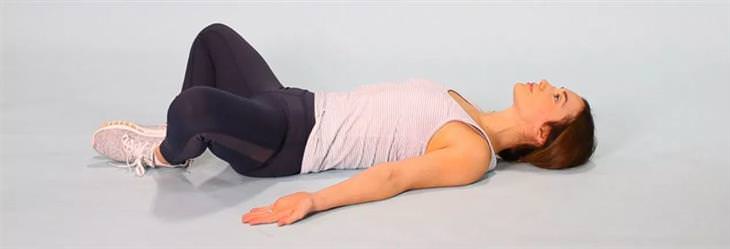
Without a doubt, we're all familiar with
the saying "rise and shine", but having a happy-go-lucky attitude
towards mornings is becoming ever more difficult as the years go by.
Some may be grumpy before their morning coffee, others may feel pain in
the joints, or are already stressed out about daily errands and work.
Whatever the cause of your dim view towards mornings may be, we can help
you make your mornings more enjoyable and make sure you have a positive
start of your day every day!
In this post, we'd like to be more
specific and show you a set of 6 simple stretches that will help you
feel more energized throughout the day. You can do this sequence in any
order or follow the order we present, either way, it will take less than
10 minutes and is perfect for beginners. Apart from keeping you fit and
alleviating any muscle pain and crams you might have gathered during
the night, these stretches will also stimulate the nervous system and
increase your self-confidence, what's not to like?
1. Neck and Shoulder Stretch
We say start the morning slow, after all,
you've just recently rolled out of bed. This neck and shoulder stretch
is the best way to relieve the tension from the upper body, especially
if you're a side sleeper and one side of your neck tends to be tense
after sleep, which could actually even cause headaches.
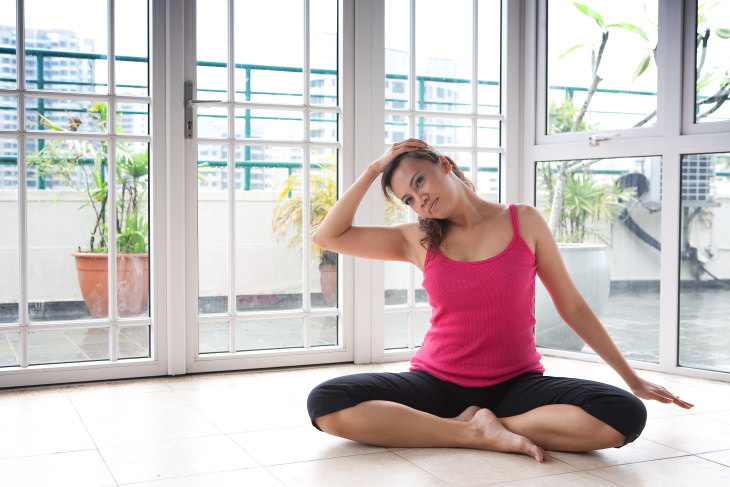
This side rotation exercise is one of the most effective ways to reduce
tension and tiredness in the neck and shoulders, and best of all, you
can do it while seated on the ground or even a chair. To do this
exercise, sit in a comfortable position and follow these steps:
1. Start by sitting with both hands on the knees.
2. Raise the right hand overhead and place it on the left side of the
head, over the left ear. Make sure your neck is straight, and start
slowly stretching the head to the right until you feel a stretch in the
left side of your neck and the left shoulder.
3. Hold this stretch for 15-30 seconds, and then return to the initial
position. Repeat on the other side. You can repeat this exercise up to
10 times in total.
2. Standing Quad stretch
Now that your neck and shoulders are
relaxed, let's move on to the legs. Don't skip this exercise, as this
stretch will release the tension in the hip flexors, which is a common
culprit behind lower back pain and stiffness in the legs and hips. It's
also an important component of good posture and spinal health.
To do this stretch, stand up with your legs about shoulder-width apart.
If you're worried that you might not be able to maintain balance on one
leg, we recommend standing near a wall or chair to hold onto. Here are
the steps of the exercise:
1. Stand up and hold onto a chair or wall with your right hand.
2. Bend the left knee and try to grab your left foot or ankle with the
left hand. If this is difficult and you're not reaching your foot or
ankle, you can wrap a yoga strap, a tie, or a regular scarf around your
foot and hold the sides of the strap with your left hand, adjusting the
length until you feel a stretch in the left thigh and hip. Hold for up
to 15 seconds.
3. Switch sides and repeat. You can do up to 3 repetitions of this
exercise.
3. Forward Bend
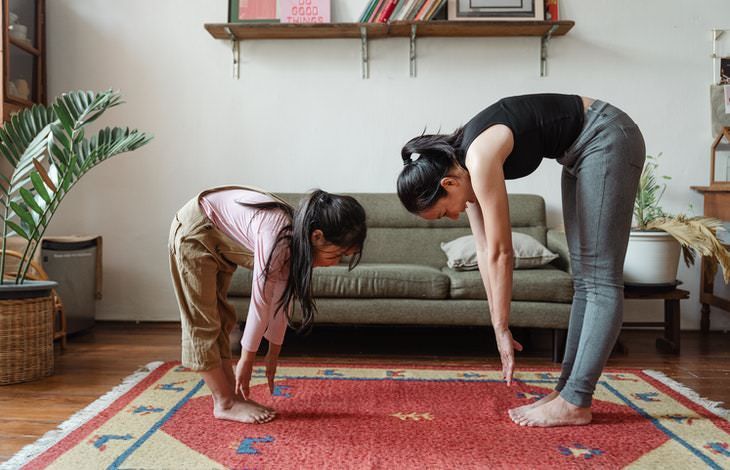
Now that you're warmed up, you can start doing deeper stretches, and the
forward bend is one of the best choices for the morning. This is
because this pose calms the brain, relieves fatigue, and stimulates the
internal organs just before breakfast. It is an excellent choice if
you're feeling anxious or overwhelmed, too.
To complete the stretch, follow these steps:
1. Stand up with your legs about shoulder-width apart. Lift your hands
up and stretch on an inhale. When you exhale, slowly start folding
forward at your hip joints until your hands reach the floor (ideally).
Don't worry if they don't, as this is the case with most people, and
just rest your hands wherever they land - your thighs, knees, or shins.
2. If you have back problems, bend your knees gently until you feel no
pressure on the lower back. The most important thing here is to keep the
spine as straight and long as possible.
3. Stay for 5 deep breaths in this position, and then rise very slowly,
as getting up too early may make you a bit dizzy. You can repeat this
stretch 2-3 times.
4. Donkey kicks
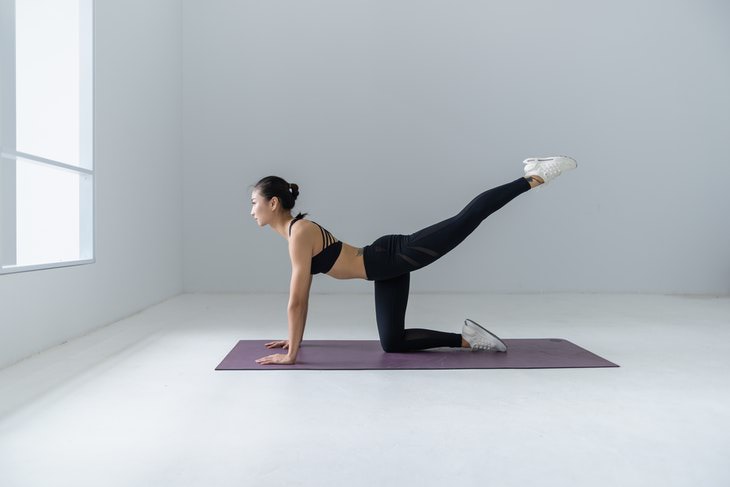
With this exercise, you'll stretch your
legs and improve the mobility of the spine even more. In the long run,
this exercise will improve your posture and strengthen your core,
glutes, and thigh muscles, too. To complete the exercise, follow these
steps:
1. Start on all fours on a mat or carpet. If you have knee problems,
place a towel or blanket to cushion the knees.
2. Place your hands directly under your shoulders, and knees under your
hips.
3. Lift one of the knees slowly, but steadily, keeping the leg either
bent or straight. Try to distribute the weight evenly throughout the
body when your leg is raised, push down on the ground with your hands to
make lifting the leg easier.
4. Lower the knee and return to the initial position. Switch legs, and
repeat up to 5 times on each side in total.
5. Downward facing dog
We've nearly made it to the end, just 2
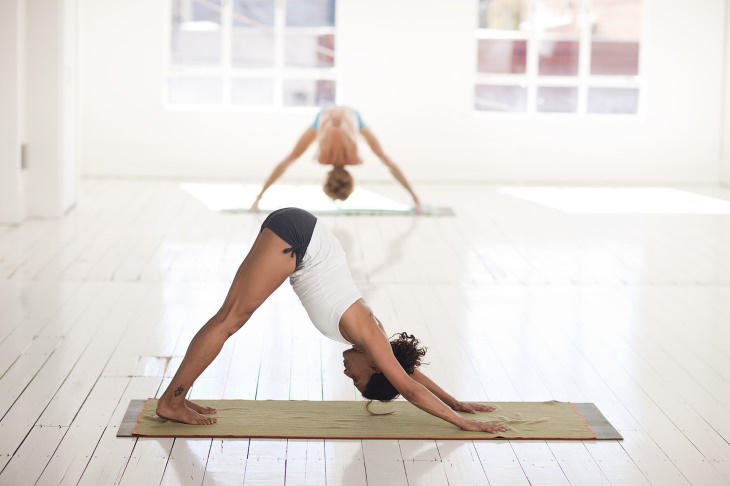
more stretches left. This is the downward dog, a truly iconic yoga pose
that's widely appreciated for its ability to resets the nervous system
and energize the entire body. This position is also known to alleviate
sciatica pain and relieve fatigue, so it's especially beneficial for
those who wake up tired or have lower back pain. The downward dog is a
full-body stretch, awakening, and stretching most of your muscles.
Here's how to do it:
1. Start on all fours. Then start raising
your knees and hips, pushing your bum up and gripping the mat firmly
with your hands. As in the forward bend stretch, the focus here is to
straighten and lengthen your spine, so don't worry if your legs aren't
straight or your heels don't touch the ground.
2. Stay in this position for 5 breaths, keeping your hands straight and
move your shoulder blades down to further straighten the back. Then
slowly lower your body back down, bending in the knees, and get back to
all fours. Repeat up to 3 times.
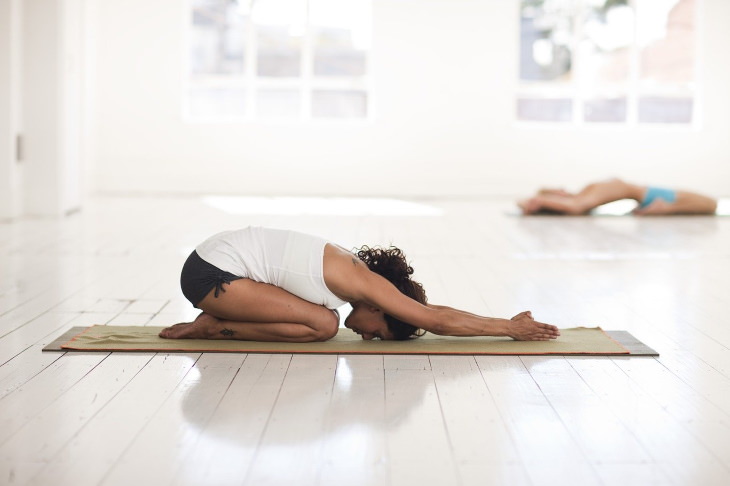
6. Child's Pose
After the deep stretching you've done, you
deserve a pleasant and calming rest, which is exactly what this last
position is. Child's pose is also borrowed from yoga, and it's known for
being the ultimate resting and calming position, and a gentle stretch
for the hips and spine. You can stay in this position as long as it
feels comfortable. Here's how to do the child's pose:
1. Begin on all fours, knees aligned under the hips, and hands aligned
under the shoulders.
2. Take your buttocks back until they reach the heels, arms stretched
out straight as if in a prayer position.
3. Simply rest here, with your forehead touching the ground or even a
pillow if you want. You can also put a pillow or yoga block underneath
your buttocks if you feel tension in the lower back. Breathe deeply and
stay in this position as long as you'd like.
This is only for your information, kindly take the advice of your doctor for medicines, exercises and so on.
https://gscrochetdesigns.blogspot.com. one can see my crochet creations
https://gseasyrecipes.blogspot.com. feel free to view for easy, simple and healthy recipes
https://kneereplacement-stickclub.blogspot.com. for info on knee replacement https://cancersupportindia.blogspot.com for infor on cancer and health related topics
https://GSiyers
home remedies.blogspot.com is the latest addition to my blogs.
I'm
going to add posts there, do give me your valuable feed back on my
blogs. Thanks a lot, take care, be healthy and be happy.
There are quite a few things that can help
us sleep better at night, like drinking chamomile tea before bed, for
example, but many people underestimate the power of stretching. A review
of studies conducted in 2016 found that doing stretching movements,
such as those in Tai Chi or Yoga, help improve quality of sleep, and
there are several reasons for this. One is that when stretching our
attention is directed to our breathing and body, rather than to the
stressors of everyday life, which helps relax the body. The second is
the ability to soothe tense muscles that cause discomfort during sleep,
such as neck, back or shoulder muscles, or even leg muscles that often
strain at night. If you want to sleep better, add some of the following
stretches to your evening routine, and see how much your sleep improves.
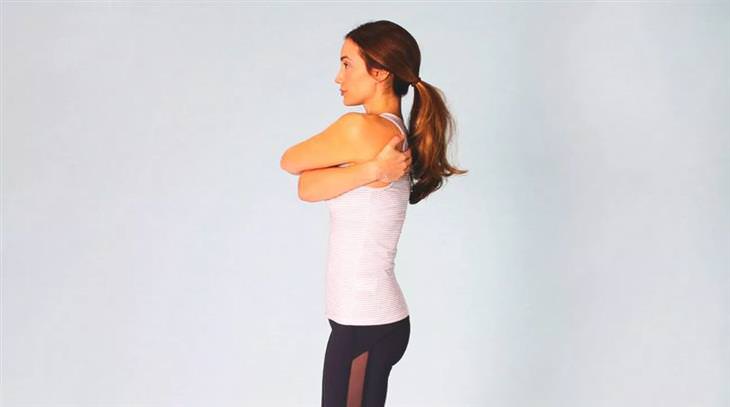
1. Bear hug
This stretch works on the rhomboid and trapezius muscles on the upper
back and helps to reduce discomfort or pain in the shoulder blades
caused by poor posture, bursitis or frozen shoulder.
exercises
Stand upright, take a deep breath and stretch your arms to the sides.
Exhale and hug yourself tightly with your hands, with your right hand above your left hand.
Pull your shoulders forward with your hands and take a deep breath.
Stay that way for 30 seconds.
When you’re done, breathe in and stretch your arms to the sides.
Breathe in and repeat again, this time with your left hand above your right hand.
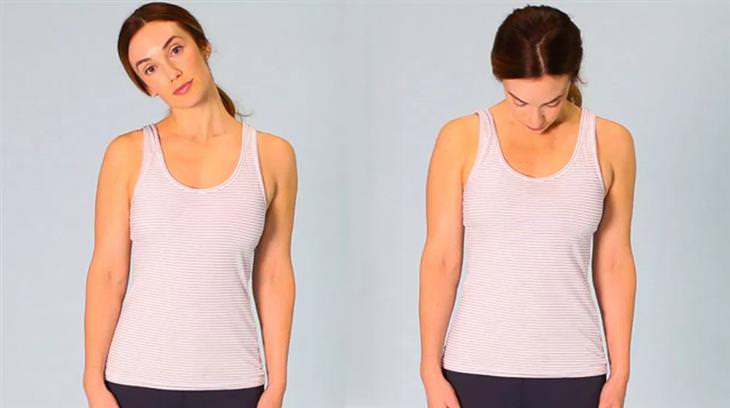
2. Neck stretch
This stretch helps reduce muscle tension that moves from head to neck to shoulder. When you perform it, keep your back straight.
Sit on a chair and put your right hand
on your head - try to grab your left ear.
Bring your right ear to your shoulder and stay in this position for 5
breaths.
Repeat the stretch on the other side with the other hand.
Then turn your head towards your right shoulder and keep your body
moving forward.
Stay in this position for 5 breaths.
Repeat it on the other side as well.
Finally, bring your chin as close to your chest as much as possible,
and hold for 5 breaths.
Return to a natural position and then let your head fall backward
for 5 breaths.
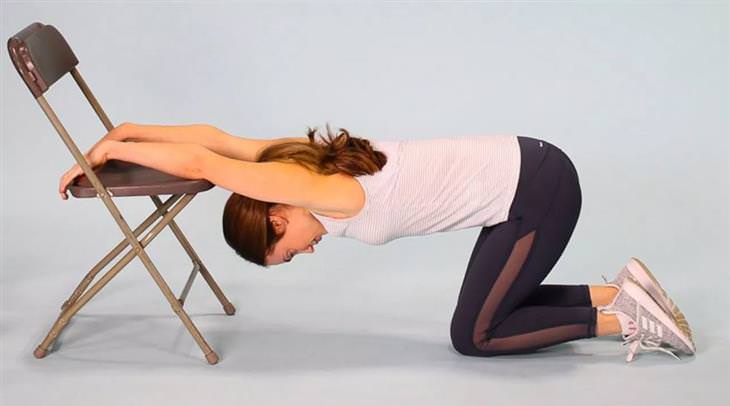
3. Kneeling lat stretch
This stretching helps release back and shoulder muscles and reduces pain
and discomfort in these areas. For this stretch, you’ll need a chair.
Start squatting in front of the chair, with
your feet under your buttocks - you can place a pillow under your knees
if this is hard for you.
Raise your buttocks and extend your spine while placing your arms on the
chair with your palms facing down.
Hold for 30 seconds.
Repeat 1-3 times.
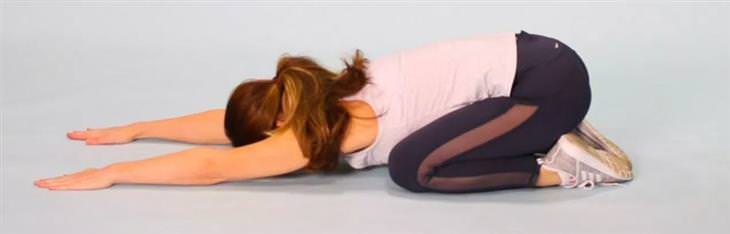
4. Child's pose
This position is very similar to the one in the previous section, but it
is a little more advanced and therefore may be difficult for some. In
addition to stretching and back shoulder and neck pain relief, this
posture also calms the body and helps relieve stress.
Get down on your knees and place your
feet under your buttocks.
Now bend your body forward with a straight back until your forehead
touches the floor. If this is difficult for you, place a pillow in front
of you and lower your forehead to it instead.
Send your arms forward to support your neck, or stretch them to the
sides - whatever you feel comfortable with.
Breathe deeply and hold for 5 minutes.
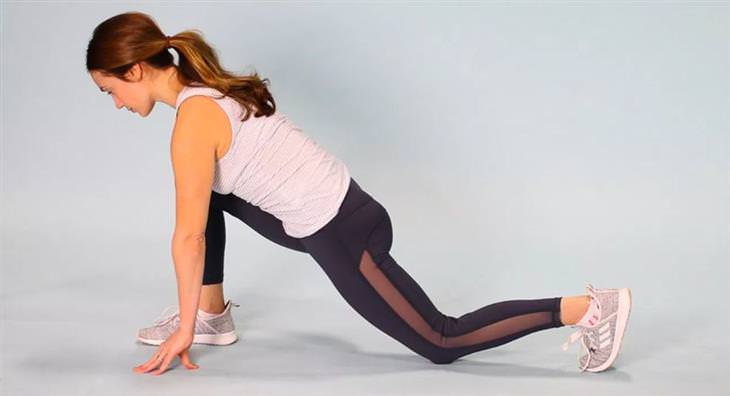
5. Low lunge
This exercise stretches the hips, pelvis, and groin, and it also helps
open the chest and reduce pressure and pain in the back and shoulders.
Try to stay calm while you do it and don’t be too rough on yourself.
Position your right leg in front of you
with your thigh right under your knee, and send your left leg back so
that it continues your spine – your left knee should touch the floor.
Place your hands on the floor in line with your shoulders, or lift
them toward the ceiling - whatever you feel comfortable with.
Stay in this position for 5 breaths, switch legs and repeat.
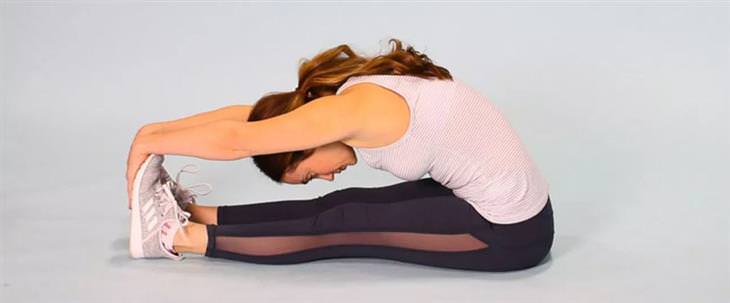
6. Forward Bend
This stretch releases the spine, shoulders, and hamstrings, and it also
stretches the lower back.
Sit with your legs straight and
stretched out in front of you.
Press your tailbone down to the floor, and simultaneously pull your
upper body forward, from the waist;
Bring your hands forward and try to
touch your feet.
Lower your head and try to touch your chin to your chest and chest
to thighs.
Hold for 5 minutes.
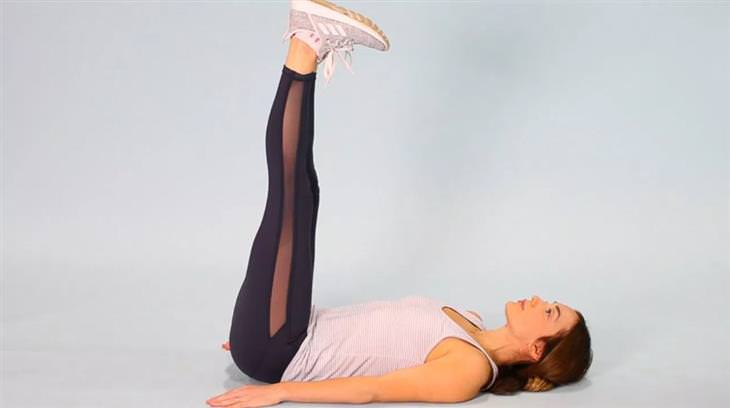
7. Legs up the wall
This position reduces pressure on the back, shoulders, and neck, and
encourages relaxation while helping to pump more blood to the brain.
Lie on your back against a wall and
lift your legs up - use the wall for support.
Place your hands at your sides in any position where you feel
comfortable, and make sure your legs stay straight and stretched up.
Hold for 10 minutes.
8. Reclining angel pose
This stretch reduces pressure in the groin and hips and is especially
recommended if you spend most of your day sitting.
Sit on the floor with your feet facing each
other.
Sit back on your hands and slowly bring your back, neck, and head to the
floor until your lying down.
You can place a pillow under your knees or
back for support.
Place your hands in any position where you feel comfortable.
Concentrate on releasing the muscles of your thigh and pelvis, and
breathe deeply.