Counting nutrients and recipes with millets by Nandita Iyer
I am amazed by the maddening diversity of food Karnataka has to offer. North Karnataka, Dakshina Karnataka, Kodagu, Mangaluru, Udupi, Saraswat and Navayath Muslim being some of the cuisines in the sate. I have tasted, cooked and delved into recipes from almost all these regions and there is probably just one dish that has eluded my love.
It is ragi mudde.
The 1st time I had it, I almost choked. The mudde was probably too dense, or as newbie, I greedily took off too a large bite, or I didn’t soak it in enough curry to soften it. I still stay away from this very popular millet-based dish from Karnataka.
On the other hand, there are a couple of ragi dishes from Karnataka that I can’t have enough of- one being ragi ambali, which is a savoury beverage or porridge. The other is ragi roti. Unlike the thicker millet bhakris made in Maharashtra, these rotis from north Karnataka have aromatics like chilies, onion, coriander, dill leaves and other spices. These can also be made plain but as soft rotis that puff up on the tawa and remain soft for 1-2 days when kept wrapped in a muslin cloth.
The Dietary Guidelines for Indians by the ICMR along with the National Institute of Nutrition (NIN) released on 8th May gives a strong nudge to include millets as a part of one’s daily diet.” My Plate for the Day” which was published in the guidelines is a visual guide to what a balanced diet looks like.
It recommends that half of the cereal component in a day should be from whole grains like millets because they provide vitamins, minerals, antioxidants, phytonutrients, fiber and bioactive compounds that improve gut health.
It also emphasies that all cereal or millet-based diets should be had with adequate pulses or beans for good quality protein and fiber.i’m glad they’ve clearly mentioned the addition of a protein source. A common myth circulated on social media is that millets are a great source of protein.
While they do have higher protein content than rice, as per the Indian Institute of Millets Research website, the protein in millets ranges from 7.5-13 gm per 100 gm of most raw or uncooked millets. One ears roughly 25-30 gm of raw millets per serving which becomes 75-90 gm of cooked millet ( most cereals triple in weight when cooked). It has around 2-3 gm of protein. Look at millets as a whole grain or complex carbohydrate and a source of dietary fiber and micronutrients, with some added protein and not as a protein source.
The Dietary Guidelines for Indians also advises eating a variety of millets as each has different nutrient profile. For e.g. among millets, ragi has the highest amount of calcium, pearl millet is rich in iron and brown top millet has the highest dietary fiber.
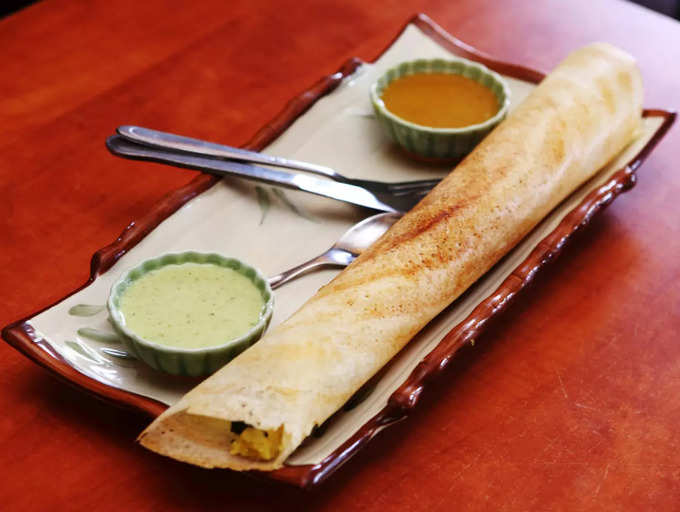
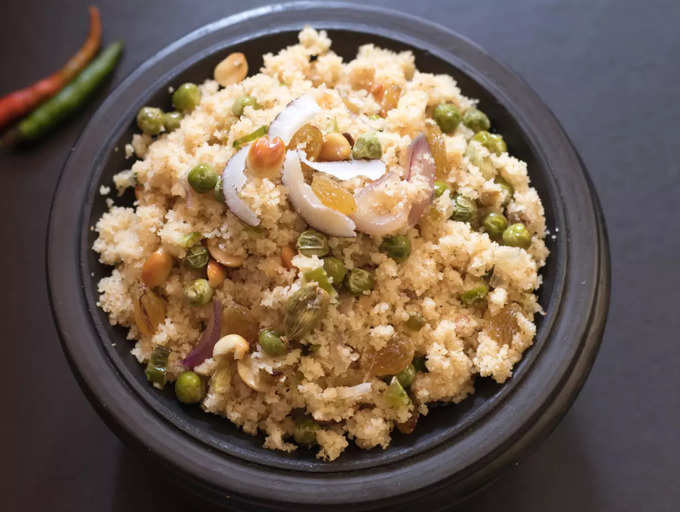
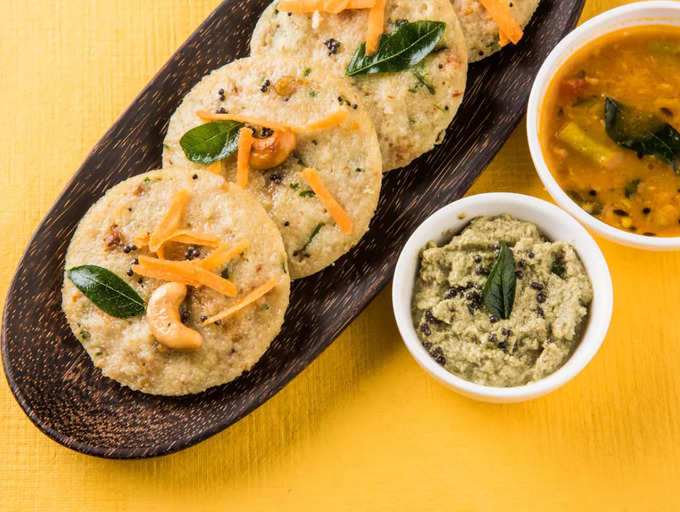
A practical tip is to buy 1-2 kinds of millet in a month in small quantities and use them by rotation along with rice or any other grains, as they tend to go rancid quickly. Soak before cooking for at least an hour for varieties like kodo and foxtail and do an overnight soak for pearl millet. Grinding soaked millets along with pulses and fermenting them to make idlis and dosas is a a good idea. Use the ratio of 1:2 with water for fluffy millets that go into salads and upma ) foxtail, little and kodo millet work well for both) and 1:3 for a mashed soft consistency.
There’s a barely a dish I’ve not use millets in- salads made using a combination of millet (usually foxtail), beans, veggies and greens along with a flavourful citrus dressing being my favorite. It speaks of the versatility of this grain and how it can be used in both traditional and modern dishes. Check out the beautifully produced Millets Recipe Book by United Nation’s Food and Agriculture Organisation on their website, which has a bunch of recipes from chefs around the world.
This is only for your information, kindly take the advice of your doctor for medicines, exercises and so on.
https://gscrochetdesigns.blogspot.com. one can see my crochet creations
https://gseasyrecipes.blogspot.com. feel free to view for easy, simple and healthy recipes
https://kneereplacement-stickclub.blogspot.com. for info on knee replacement
https://cancersupportindia.blogspot.com for infor on cancer and health related topics
https://GSiyers
home remedies.blogspot.com is the latest addition to my blogs. I'm
going to add posts there, do give me your valuable feed back on my
blogs. Thanks a lot, take care, be healthy and be happy.
Labels: can be used for variety of dishes, dosa, idli, millets- rich in protein and nutrients, porridge, upma
posted by G S Iyer at 1:57 AM
0 comments