Friday, November 05, 2021

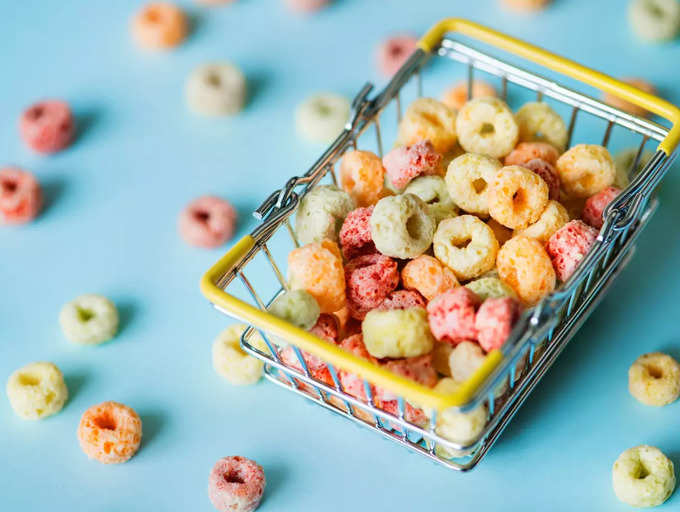
Replace your sugary breakfast cereals with these 8 delicious Indian dishes

cereals
Dosa
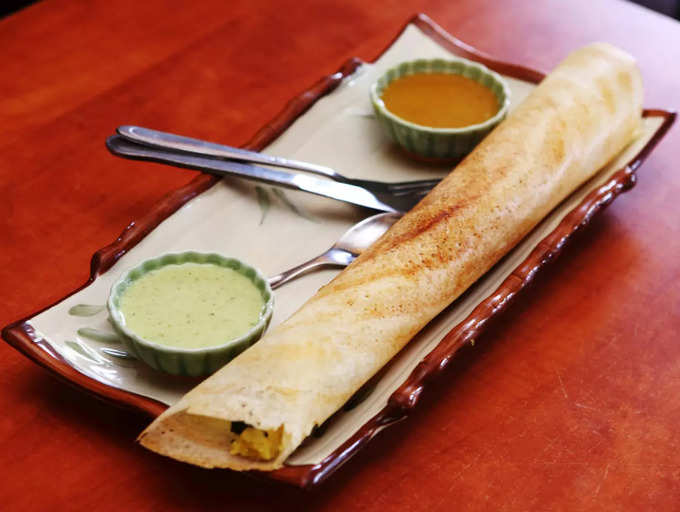
Dosa, the scrumptious South-Indian delicacy, is filling and easy to digest. You can easily have it in the morning without worrying about your digestive health. Dosa is a great source of protein, low in fat and good for gut health. If you want to make traditional dosa more healthy, replace rice with oats or ragi. Add some sauteed vegetables or cottage cheese to it and pair it with coconut or tomato chutney.

1 dosa= 132 calories


Rava Upma
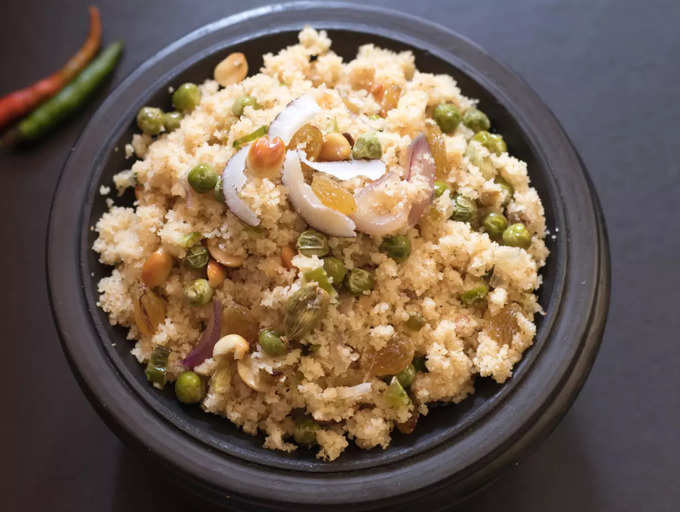
Upma is another great South-Indian dish that can be quickly put up in the morning to get a great dose of the nutrients. Make traditional upma with rava or semolina and add some seasonal veggies like capsicum, carrot, onion to make it tastier. This dish is low in fat, low in calories and high in fiber content. It is easy to digest and prevents constipation.

1 serving= 192 calories

Rice Idli
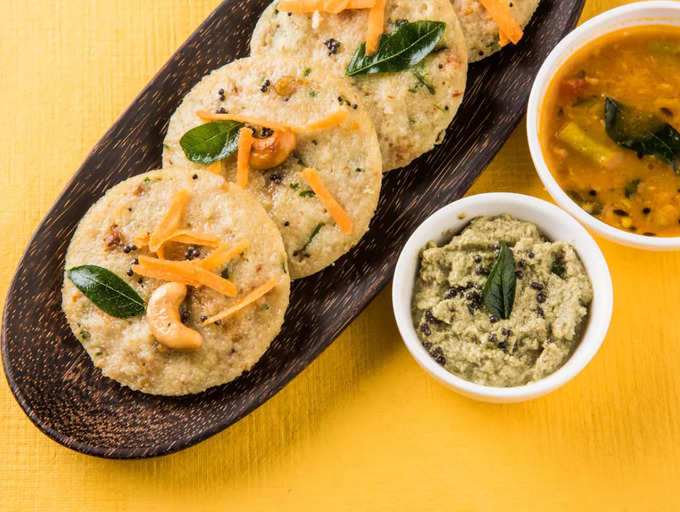
Not a fan of cooking? Make idlis. This fermented dish is easier to prepare as compared to other South-Indian dishes. But it is equally healthy and nutritious. You can make it healthier by replacing rice with ragi, oats or rava. 2 idlis with a bowl of vegetable sambar will keep you full till your next meal and will also provide you sufficient amount of nutrients.

2 idis= 60 calories


​Poha

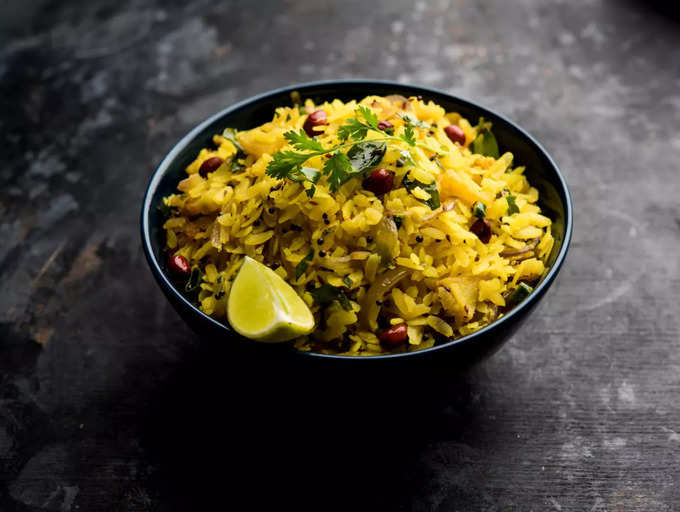
Poha is a popular North-Indian breakfast that just takes 15 minutes to prepare. Made with flattened rice, veggies and peanuts, this dish is a great source of protein. It also contains other nutrients like iron, magnesium and other nutrients. You can also try bread poha or sprouts poha. 

I prefer to make with thick variety of flattened rice, if possible red variety as it has more iron than the white one. Just wash well flattened rice 2-3 times, just add enough water to lightly cover it, so that it absorbs water and becomes soft but not mushy, that is the reason I prefer thick variety. If by chance you get thin variety, wash well in a strainer and keep it aside till veges are cooked, no need of putting more water, as by washing itself it becomes soft.

As poha is rich in iron, kindly make it a point to make it with lots of veges, peanuts, coriander leaves. Always squeeze a lime after you take it off gas, as it not only enhances taste, but also helps to absorb iron from flattened rice.

For sweet flattened rice, wash well, in a pan, add a tbsp of ghee, add some nuts and raisins, once raisins turn golden, you can take out some to garnish, add little water and add jaggery according to the quantity of flattened rice used, roughly 3/4 of that, let it melt and boil till a little thick, add some grated coconut, add the softened flattened rice, mix well, serve garnished with reserved nuts.

1 serving= 179 calories

​Moong Dal chilla

Made with green gram, chilla is another excellent breakfast option for those looking to have something healthy in the morning. Just use a teaspoon of ghee to prepare this Indian dish and you do not need to worry about the calorie count. It is filling, high in protein, magnesium, iron and at the same time extremely delicious.

1 chilla= 128 calories

​Dhokla

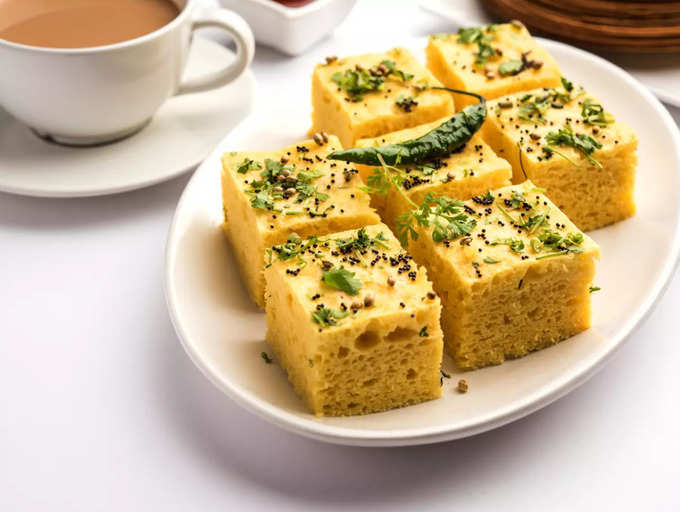
Dhokla is a perfect Gujarati dish for breakfast or mid-afternoon snacks. Made with gram flour, dhokla is rich in calcium, iron, potassium and vitamins. It can keep you full for a longer time and also promote good gut bacteria. Just be careful about the quantity of sugar you use in it.

1 dhokla= 60 calories

Paratha
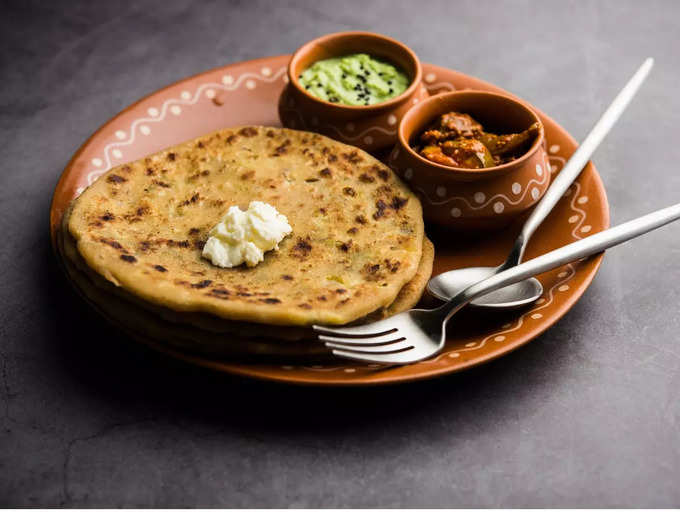
Gobhi, aalo, onion or paneer, are some options to make stuffed parathas. If you do not have time to make stuffed parathas, just have a plain paratha with a bowl of curd or chutney. Parthas are rich in fiber and easy to digest. Just remember to use ghee instead of oil and butter on your parathas.

1 aaloo parathan= 180 calories

​Masala omelette

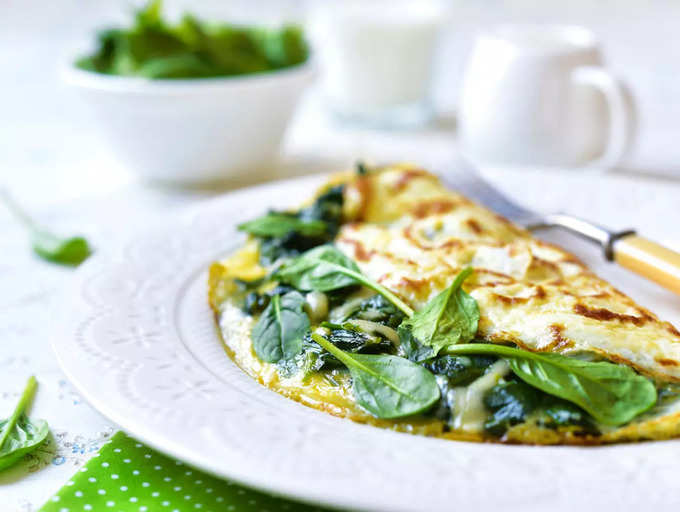
If you love eggs and want some extra dose of protein in the morning, masala omelette can be a great option. Just whisk 2-3 eggs and add some veggies and spices to it and your hearty and delicious breakfast is ready. You can also make scrambled eggs and have them with your parathas.

1 omelette= 150 calories

This is only for your information, kindly take the advice of your doctor for medicines, exercises and so on.   

https://gscrochetdesigns.blogspot.com. one can see my crochet creations  
https://gseasyrecipes.blogspot.com. feel free to view for easy, simple and healthy recipes    
https://kneereplacement-stickclub.blogspot.com. for info on knee replacement


Labels: , , , , , , , ,

Saturday, February 09, 2019

Fermented Food Is Healthier Than You Think

Fermentation is a process as old as cellular activity. This chemical process involves the consumption of carbohydrates in the absence of oxygen to create organic acids, gases or alcohol, depending on the type of sugar.
And this process is widely used in our food as well and as per archaeological findings, has been in use for 7,000 years.

And what country has a long history of people and food? Why India, of course. And India has an exquisite cuisine that involves fermentation.

From the south to the north, Indian cuisine sees fermentation in foods from idlis, dosas, rotis among others! And who can blame, fermentation gives a unique taste to the food and also aids in preservation.
Not only that, fermentation has various health benefits that one cannot get from regular foods. One of the popular fermented food items is curd, which is known to add good bacteria to the gut. That good bacteria arises out of fermentation.

It also adds micronutrients, especially vitamin B and eliminates anti-nutrients like phytic acid which interferes with the body’s process of absorbing nutrients.

With this rich history in fermentation and such inevitable benefits, we decided to look into exotic Indian dishes that you can make involving fermentation.

AMBALI

Ambali is a finger millet or ragi-based fermented semi-liquid beverage, native to the south Indian states of Karnataka and Tamil Nadu.
Preparation of ambali is quite easy. Few grams of the powder mixed with hot water stirred till the required texture should be let to ferment for a while.

There are different variations of ambali where a few are consumed without fermentation, a few add buttermilk, and some add onions and chillies.

No matter what, ambali has its benefits. When it is let to ferment, it increases the concentration of thiamin, riboflavin, and tryptophan and bioavailability of minerals.
It also consists of a high amount of calcium and is also endothermic, meaning it cools the body and will be beneficial for consumption during hot Indian summers!

ENDURI PITHA

Enduri pitha is a flavoured cake, native to Odisha, prepared during the Prathamastami festival. A fermented batter of parboiled rice and black gram is applied onto a turmeric leaf. The leaf is then folded mid-vain and cooked gently over the steam.
Not only do the turmeric leaves have beneficial antibiotic properties, but the fermentation enhances the nutritional quality of the black gram and rice.

And since it is steamed, the food is very light to the digestive process and hence can be consumed by members of all ages.


DHOKLA

Dhokla is an indigenous probiotic breakfast food found mainly in Gujarat. Dhokla is prepared from the fermentation of Bengal gram and rice.

The method of preparation is the same as idli, but it is steamed openly rather than covered. The fermentation aids in the acidity and gives it a unique taste. And the yeast in it produces folic acid which is a major source of Vitamin B9.

Here, the fermentation process also increases the antioxidant property of the food which is known for curing age-related diseases and oxidative stress-induced degenerative diseases like diabetes!

HAWAIJAR

Hawaijar is an alkaline-fermented soybean product consumed as a source of protein, native to Manipur. The dish is characterised by its unique flavour and stickiness.

The dish has a natural cocktail of microorganisms which promote fermentation. One of the main organisms involved in the fermentation of this product is Bacillus spp, which regulates inflammation in the body.
Preparation of hawaijar uses bamboo baskets, banana leaves, or healthy fig leaves which help in fermentation and result in a better quality of the product. Hawaijar consists of a high percentage of soluble proteins, ranging from 26% to 27%.

Although the dish hails from Nepal, it is widely found throughout the North-Eastern states of Assam, Arunachal Pradesh and Meghalaya. Gundruk is simply fermented leafy veggies, commonly used as an accompanying dish.
A side dish, Gundruk is not meant to be underestimated. The leaves in the recipe come from mustard, mustard green, radish and cauliflower, which are accumulated in large quantities during harvest region. These leaves are allowed to wilt and then shredded, after which they are compressed, packed, sprinkled with water and kept in sunlight.
Packed with calcium, sodium and potassium, Gundruk’s fermentation in sunlight allows good micro-organisms to thrive, which acts as a good source of acetic and lactic acid.
Pair this with white rice, and you will a have yourself a tasteful lunch.
Rice or rice flour is soaked overnight in cold water, and then water is decanted. Soaked rice is pounded using a wooden mortar and pestle. The rice is then mixed with wheat flour, sugar, butter, and condiments such as cloves, cardamom, coconut, nutmeg and cinnamon. 
So go ahead, try your hand at one of the ancient processes in the world and if you know any other such awesome dishes, do share them with us!

Another famous South Indian recipe is adai- there are 2 versions of this, one made with parboiled rice, coconut and peppercorns ground together, fermented and made like dosa, thicker, batter being thick, it is spread normally with wet hands.
2nd version - rice , with different dals- tuvar, chana, urad, masoor, peanuts, green chilies, ground fermented and made to make it healthier with drumstick leaves and curry leaves finely chopped. The former is loaded with calcium the latter leaves is rich in Vitamin E.

For the recipes of adai, then the earlier recipes mentioned, kindly view my recipe blog. 


THIS IS ONLY FOR INFORMATION, ALWAYS CONSULT YOU PHYSICIAN BEFORE HAVING ANY PARTICULAR FOOD/ MEDICATION/EXERCISE/OTHER REMEDIES.                                    PS- THOSE INTERESTED IN RECIPES ARE FREE TO  VIEW MY BLOG-                                                                                           https://gseasyrecipes.blogspot.com/       

                                                                                                                                                                      FOR INFO ABOUT KNEE REPLACEMENT, YOU CAN VIEW MY BLOG-                                                  https:// kneereplacement-stickclub.blogspot.com/           
                                                                           FOR CROCHET DESIGNS                                                                                                                                                                                                  https://gscrochetdesigns.blogspot.com


Labels: , , , , , , , , , , , ,

Saturday, November 17, 2018

Exotic Probiotics Can be Found at Home

Probiotics sounds like an exotic name, which you hear doctors, health fanatics all talking about it. Well, many spend hugs amount of money to buy it from chemists, while it can be easily without much cost found in our own kitchen !

What are probiotics?
 Our stomach has billions of bacteria living naturally in it. Some of these are good, and some bad for us. The good ones help keep our digestion humming, boost the immunity and keep diseases away. The bad ones, do the exact opposite! Our lifestyle determines their ratio (good vs bad). Stress, wrong food, too much alcohol or too many medications can mess with this ratio.

In the beginning, this skewed ration shows up as maybe a bloated body, a constipated tummy, fatigue… but slowly the problems add up. This is where probiotics come in – they help rectify the balance in the favour of good bacteria.

What’s a Good Probiotic Food?

One that contains millions and millions of live bacteria which join hands with the good bugs already present in our gut and boost our gut health.

Where Do You Find Them?

Lots of exotic-sounding foods have been doing the rounds and are being heard repeatedly in cleverly constructed marketing messages.
These include blue cheese, kefir, tempeh, miso soup or paste, kimchi, sauerkraut and more. These are all natural probiotics – which is a good thing – but NONE of these are indigenous to India. They all belong to different countries and cultures worldwide, and so are good for them. They can be good for us too, provided they were easily available here, but they aren’t. And the whole idea of eating probiotic foods is to be able to replenish the good germs on a regular basis to prevent damage to health. Also, the gut flora of a specific community is usually well adapted to the environment of their intestine, so local foods and bacteria work far better.

Solution

Our traditional food plate was chock-a-block with probiotic foods; we just never realised it. In fact, unfortunately – over time – we got out of the habit of eating these. Time for a revisit, I should think.

Curd

Home made curd is a rich source of probiotics, as powerful strains of probiotic are found in yogurt like lactobacillus and bifidobacteria. Most packaged yoghurt may not contain enough ‘active and live’ cultures (of bacteria), so it makes sense to check labels carefully, or set your own curd.

Pickles

Pickles are the most underrated Indian food around. In fact, it is often maligned as unhealthy but that is far from true. Not only does it add taste (as most of these are made by fermenting vegetables and special fruits), they are loaded with probiotics. Time to go back to making small lots of pickles and chutneys at home and eating some with every meal.

Fermented Veggies

Fermented vegetables which were traditionally part of a plate are missing now. One serving of fermented vegetables can contain 10 trillion colony-forming units of beneficial bacteria.

Southern Cuisines

Most dishes in a South Indian cuisine are rich sources of probiotics. Buttermilk, idli, dosa, appam, uttapam, adai are all made by fermenting rice and lentils, which makes them high in live cultures of the good bacteria. The fermentation process creates the perfect environment for growth of good bacteria. Plus, they also increase the absorption of vital minerals from the gastrointestinal tract, thus preventing mineral deficiencies. Once the batter is fermented, the B-complex vitamins are enhanced and also it is easy to digest them !

Kanji

Kanji, a traditional drink made with black carrots, mustard seeds, sea salt and water is fermented for a week – and is thus, loaded with good bacteria. It is the best immune booster you can have.
Then, there are some lesser known regional probiotic foods that are important to know about.
Some examples are fermented radish root pieces called sinki from the north east, a gundruk soup used by Bhutial women of Arunachal Pradesh made with leaves of mustard, radish and cauliflower, fermented rai (cures stomach pain and gas trouble). There’s also pakhala bhaat from Odisha – also called panta bhaat in West Bengal – a rice porridge where leftover rice is covered with water and left overnight to ferment. A similar preparation in rural Tamil Nadu is called pazhedhu saadham ( left-over rice). Fermented fish – very popular in the northeastern states, kullu, a fermented drink made with buttermilk and wheat from Himachal Pradesh, radbi, a drink made with flour of barley, pearl millet, corn or soybean, and country buttermilk from Rajasthan... the list is endless. Dhokla is Gujarat, which is nice soft and spongy steamed dish made with lentils and semolina/ rice.

THIS IS ONLY FOR INFORMATION, ALWAYS CONSULT YOU PHYSICIAN BEFORE HAVING ANY PARTICULAR FOOD/ MEDICATION/EXERCISE/OTHER REMEDIES.                                                                                                                                                                                                             PS- THOSE INTERESTED IN RECIPES ARE FREE TO  VIEW MY BLOG-                                                                                           https://gseasyrecipes.blogspot.com/   

FOR INFO ABOUT KNEE REPLACEMENT, YOU CAN VIEW MY BLOG-                                                                                                    https:// kneereplacement-stickclub.blogspot.com/                              

FOR CROCHET DESIGNS                                                                                                                                                                                                                                 https://gscrochetdesigns.blogspot.com


Labels: , , , , , , , , ,