Many individuals experience issues related
to excessive stomach acidity, which can lead to distressing symptoms
like reflux or heartburn. However, it is important to note that
sometimes these problems may actually indicate the opposite situation -
hypoacidity in the stomach, also known as "hypochlorhydria" in
professional terminology. In such cases, the body may be susceptible to
developing conditions such as irritable bowel syndrome and Helicobacter
pylori infection. Therefore, it becomes crucial to strike a balance and
restore the level of acidity in the stomach back to normal.
It's really important for people suffering from stomach problems to be
aware of this potential scenario because attempting self-treatment
without understanding the underlying cause can exacerbate their
condition. For example, if I mistakenly believe I have too much acid in
my stomach and try reducing acid levels accordingly, they might
inadvertently worsen my problems, so it becomes a more serious issue.
Left untreated or mistreated, it's easy to make a bad situation worse.
What Causes Stomach Acid Deficiency?
The most common causes of stomach acid deficiency are:
1. Aging: As we get older, our stomach naturally produces less and less
acid.
2. Persistent stress: Prolonged periods of high stress can negatively
impact the digestive system and decrease acid production in the stomach.
3. Helicobacter pylori infection: While this bacterium can also be a
result of low acidity in the stomach, it has the ability to either
increase or decrease acid secretion depending on the overall health of
the body. In some cases, a decrease in acidity may even indicate stomach
cancer. Additionally, Helicobacter pylori hinders proper digestion of
vitamin B12, which further contributes to reduced acidity levels in the
stomach.
4. Pernicious anemia: This autoimmune disease impedes vitamin B12
absorption by the body, leading to an increase in stomach acid levels,
as previously mentioned.
5. Stomach surgery: Surgical procedures involving the stomach can have
an impact on its acidity level.
Please note that these are just general explanations for hypochlorhydria
causes and should not be considered medical advice or diagnoses without
consulting with a healthcare professional first.
Other contributing factors include:
- Hypothyroidism
- Repeated infections in the digestive tract
- Stomach or pancreatic cancer
- Eating too quickly
- Food sensitivity or allergy
- Excessive sugar consumption
- Inadequate zinc levels
What are the symptoms of low stomach acidity?
Immediate symptoms most commonly include:
1. Upper abdominal pain
2. Swelling
3. Gas
4. Diarrhea
5. Constipation
6. Presence of undigested food in stool
7. Acid reflux
8. Heartburn
If the situation persists, the following symptoms can appear as a result of malnutrition:
1. Brittle nails
2. Hair loss
3. Pale and/or dry skin
4. Chronic fatigue
5. General weakness
6. Tingling sensation in extremities
7. Memory loss
8. Headaches
9. Bad breath
How do you determine if you are
experiencing hypoacidity in your stomach?
While these indicators may raise suspicion, they do not explicitly
confirm the presence of hypoacidity in the stomach. There is a home test
that can be performed, although it is highly recommended to consult a
doctor for more comprehensive and professional tests.
The home test is quite simple: on an empty stomach, consume half a glass
of water mixed with a quarter teaspoon of baking soda. If hiccups do
not occur within 3–5 minutes, it could indicate hypoacidity in the
stomach. Normally, the carbon dioxide produced from the mixture of
baking soda and stomach acid leads to hiccups. However, if this reaction
takes longer than usual or does not occur at all, it suggests
inadequate production of stomach acid.
How to treat the lack of acid in your
stomach:
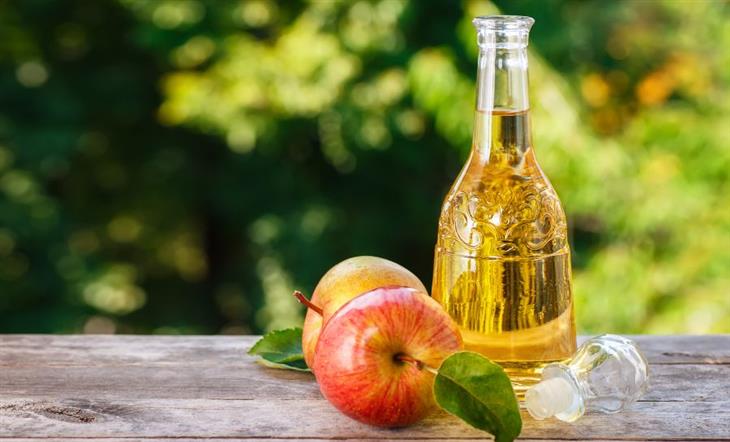
1. Consuming apple cider vinegar has shown positive results.
One way to rebalance the acidity in your stomach is by drinking apple
cider vinegar before each meal. Taking one tablespoon of apple cider
vinegar with a small amount of water can help alleviate hypoacidity in
the stomach and prepare it for digestion.
2. Consume digestive enzymes
Additionally, incorporating digestive enzymes as a supplement can aid in
breaking down food and making nutrients more accessible to your body.
This is beneficial for individuals experiencing both low and high levels
of stomach acidity, as excessive acid can hinder proper digestion and
nutrient absorption. It is recommended to take this supplement right
before eating.
3. Consuming hydrochloric acid (HCL) along with pepsin prior to
consuming protein-rich meals.
These are additional suggested supplements, since the stomach naturally
produces hydrochloric acid which creates an acidic environment and aids
in protein digestion. The appropriate dosage of these supplements varies
depending on individual circumstances, so it is advisable to consult a
doctor before starting. Some individuals may only require one capsule,
while others may need more. Experiencing warmth in the stomach after
consumption can indicate excessive intake of these supplements. Pepsin,
an enzyme that assists in protein breakdown, is particularly recommended
for older individuals facing this issue.
4. Eating Mānuka honey
Another recommendation is to incorporate Mānuka honey into your diet.
This special type of honey originates from New Zealand and possesses
unique antimicrobial properties that can be beneficial for those
experiencing bacterial growth in the digestive tract as a result of
hypoacidity in the stomach. Consuming one to two tablespoons daily can
help prevent harmful bacteria from thriving in the intestines.
5. Chew your food well and take smaller
bites
To promote better digestion, it is recommended to thoroughly chew your
food before swallowing. While there is no set number, aiming for around
30 chews can help break down the food particles and make them easier for
your stomach to process. Additionally, opting for smaller meals allows
your stomach to recover more efficiently from the digestive process. If
you want to further support your stomach's recovery, intermittent
fasting can provide it with ample rest time.
6. Protein first, drink later
When consuming a meal that includes protein, it is beneficial to start
with this nutrient first. By doing so, you stimulate the production of
gastric juices in the stomach even before introducing other foods. It is
also advisable to refrain from drinking anything for at least 30
minutes after finishing a meal. This gives enough time for the gastric
juices to work on digesting the food without diluting their acidity
levels.
7. Eat more fermented vegetables
Incorporating more fermented or pickled vegetables into your diet can be
super helpful. These types of vegetables undergo fermentation processes
that enhance their nutritional content and promote gut health.
Eating kimchi salad, sauerkraut, or pickles can stimulate increased
gastric acid secretion in your stomach. These fermented foods also
contain probiotics that promote a healthy digestive system by protecting
against harmful bacteria, enhancing beneficial bacteria, and reducing
inflammation. However, before adding them to your diet, it is advisable
to consult with a healthcare professional to ensure they are suitable
for you specifically.
In conclusion...
That's all, folks! Remember to ask your doctor if you have any concerns
about this. While we usually think of our acid levels as "ok" or "too
much", there is the case of "too little" to consider. By being aware of
this, you can prevent leaving a situation untreated or, even worse,
self-diagnose as having too much acid and make it worse. Be healthy out
there!
This is only for your information, kindly take the advice of your doctor for medicines, exercises and so on.
https://gscrochetdesigns.blogspot.com. one can see my crochet creations
https://gseasyrecipes.blogspot.com. feel free to view for easy, simple and healthy recipes
https://kneereplacement-stickclub.blogspot.com. for info on knee replacement
https://cancersupportindia.blogspot.com for infor on cancer and health related topics
https://GSiyers
home remedies.blogspot.com is the latest addition to my blogs. I'm
going to add posts there, do give me your valuable feed back on my
blogs. Thanks a lot, take care, be healthy and be happy.
Labels: (ACV), chew food well, digestive enzymes, fermented foods, Helicobacter pylori infection, manuka honey, pernicious anemia, persistent stress, protein 1st, stomach acid deficiency- aging, stomach surgery