Wednesday, July 10, 2019

8 Incredibly Rare and Strange Diseases That Really Exist

When we hear yet another suspicious news story of this one patient who woke up with a foreign accent or one about that one patient getting drunk on bread or arguing they're dead, we can't help but be skeptical. Realistically, though, there are some really strange rare diseases out there that sound unbelievable but are painfully real for the people suffering from them. In fact, all the diseases we've mentioned in the first sentence are very real, just like all the others we describe in this article.  

1. Auto-Brewery Syndrome Makes a Person Feel Drunk after Eating Bread

The overwhelming majority of people experience drunkenness after consuming alcohol, but individuals who suffer from auto-brewery syndrome get drunk from just eating carbs (and especially gluten). This is because of yeast living in these patients’ gut that converts the carbohydrates we consume into ethanol (alcohol), which can lead to intoxication.
Just imagine waking up with a hangover after one-too-many croissants... Admittedly, the majority of people suffering from this condition don’t get hammered after eating a piece of cake, but those with a more severe form of the disease can suffer from chronic fatigue, headaches, vomiting, and even liver damage, not to mention sudden changes in behavior.

2. Foreign Accent Syndrome Patients Wake up Speaking with a Foreign Accent

This rare speech impediment that usually appears after some form of damage to the brain makes a person suddenly acquire a foreign accent. So, a native American English speaker recovering from a brain injury may all of a sudden wake up speaking with a French or Chinese accent.
And while it may sound bizarre, neuroscientists can explain why this happens: a person who has sustained some damage to one of the language areas of the brain may have difficulties producing certain speech sounds, which we, the listeners, perceive as a foreign accent. And while these people are usually aware that they are pronouncing a sound incorrectly, they simply lack the ability to change the way they speak.

3. Tissues and Body Parts of Patients Suffering from Proteus Syndrome Grow Disproportionately
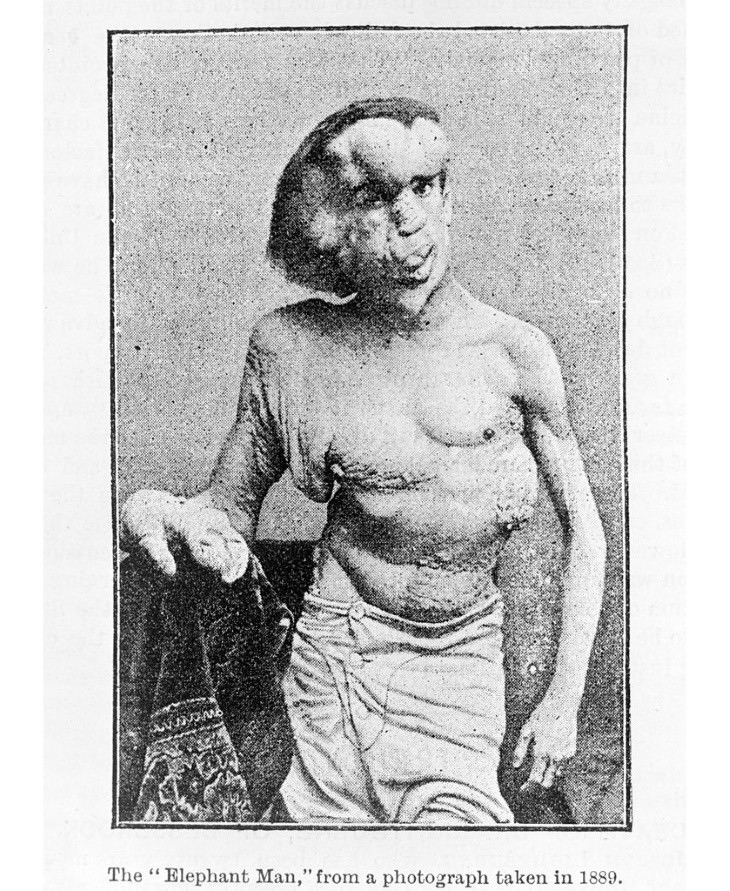
rare strange diseases proteus syndrome

Proteus Syndrome is a rare genetic disease that makes the different tissues of our body (bones, skin, organs and blood vessels) grow out of proportion. This rare condition is not hereditary, and the abnormality in the genetic code is believed to be a random gene mutation during fetal development.
At birth, patients with Proteus Syndrome don’t exhibit any symptoms of the disease, and the excessive growth typically starts at 6-12 months of age. The condition is highly stigmatized, and throughout history, Proteus Syndrome sufferers have been often labeled freaks and outcasts, with one of the most famous examples of this stigma being a British man, Joseph Carey Merrick (1862-1890), sadly more known by the nickname “the Elephant Man". Merrick himself wrote that people, even doctors, often treated him like an animal.

5. Cotard's Syndrome Makes Patients Believe They’re Already Dead

This rare psychiatric condition, also called “the walking corpse syndrome,” makes patients believe that their body is decomposing. These patients are severely delusional, denying the presence of certain body parts and often refusing to eat because they believe they’re already dead and won’t be able to digest food.
Interestingly, patients suffering from the disease can successfully distinguish between alive and dead people, but they are convinced that they specifically are deceased. The condition is loosely linked to depression, with antidepressants generally helping recovery, but there were also reported cases of Cotard’s Delusion induced by brain damage and injury, which sometimes clear up spontaneously after the patients’ recovery.

5. Urbach-Wiethe Disease Sufferers May be Immune to Fear
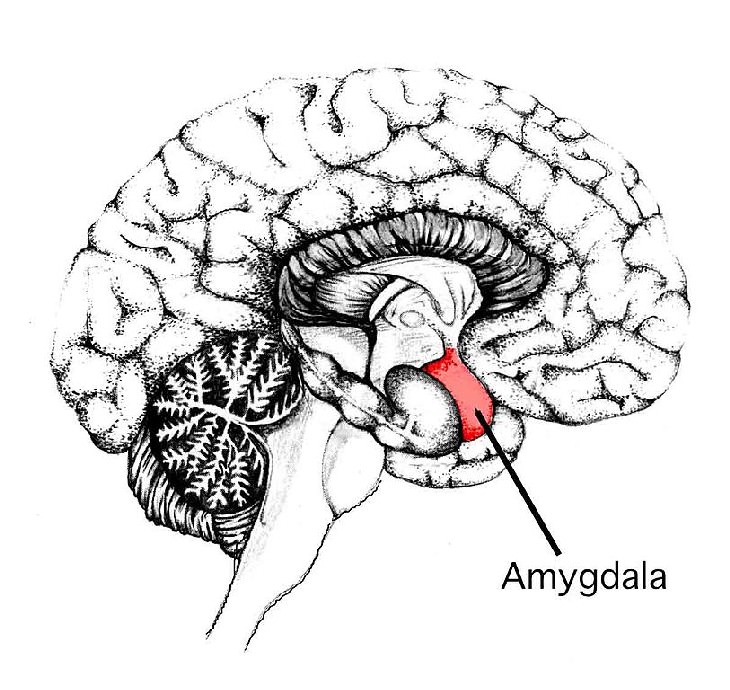
rare strange diseases Urbach-Wiethe Disease
Yet another rare genetic condition, the Urbach-Wiethe Disease is typically characterized by the hardening of the skin and other tissues, including the brain (thus the condition is often linked to brain damage). There are 400 registered cases of the condition at the moment, but one of these patients, a female patient called S.M. in medical literature is unique, as she cannot experience fear.
S.M. was dubbed “the woman with no fear”, and her case helped neuroscientists isolate one brain area that is responsible for the sensation of fear, the amygdala. After scanning S.M.’s brain, the scientists saw that her amygdala is completely destroyed, which confirmed this area’s role in experiencing fear.
Several experiments designed to trigger fear in S.M. have been conducted, e.g. holding her at knifepoint and gunpoint, exposing her to spiders and snakes, and she didn't even flinch. What's more, when asked to distinguish between sad or scary music, she failed, so the very concept of fear is foreign to this woman.

6. Marie Antoinette Syndrome Makes One’s Hair Suddenly Turn White

The name of this condition comes from a legend about the French queen Marie Antoinette, whose hair supposedly turned white the night before her execution. And while the majority of scientists don’t believe that it’s possible to lose all of your hair pigment overnight, there are reported cases of relatively sudden graying of the hair due to extreme stress.
Some World War II bombing survivors, for example, have experienced their hair turning white faster than usual, but not overnight. Many historical figures, too, such as Thomas More, have been believed to suffer from this condition as well.  

7. Persons Suffering from Water Allergies Get Skin Rashes after Contact with Water
rare strange diseases water
The medical name of this condition is actually twofold: Aquagenic urticaria and Aquagenic pruritus, and both are skin conditions that develop minutes after a person suffering from the so-called water allergy gets in contact with water. Though commonly known as a water allergy, these conditions are not technically an allergic reaction and their causes are poorly understood. There is no cure and water of any temperature can trigger a reaction.
There are 30 known cases of water allergies, and the majority of these patients are women who start exhibiting symptoms during puberty. The main distinction between Aquagenic urticaria and Aquagenic pruritus is that the former forms only in contact with water outside of the body, whereas in the latter, even sweating, tearing up and urinating can trigger a reaction. Also, Aquagenic urticaria patients generally develop skin hives, whereas Aquagenic pruritus only causes redness and intense pain when exposed to water.

8. Fish Odor Syndrome Makes All Bodily Secretions Smell Like Rotten Fish

If you’re self-conscious of your BO, just imagine how patients suffering from fish odor syndrome might feel. Trimethylaminuria, the scientific name of the condition, makes patients emit a smell reminiscent of rotten fish through their sweat, breath, and urine.
This condition is genetic and there is no known cure, but minimizing the intake of foods containing chlorine may temporarily improve symptoms. And though this condition is not dangerous to a person’s health on its own, most patients suffering from trimethylaminuria have mental health issues due to stigma and low self-esteem, and a few suicidal attempts have even been recorded.
 
THIS IS ONLY FOR INFORMATION, ALWAYS CONSULT YOU PHYSICIAN BEFORE HAVING ANY PARTICULAR FOOD/ MEDICATION/EXERCISE/OTHER REMEDIES.                                    PS- THOSE INTERESTED IN RECIPES ARE FREE TO  VIEW MY BLOG-                                                                                           https://gseasyrecipes.blogspot.com/                                                                                                                                                FOR INFO ABOUT KNEE REPLACEMENT, YOU CAN VIEW MY BLOG-                                                  https:// kneereplacement-stickclub.blogspot.com/                                                                      FOR CROCHET DESIGNS                                                                                                                                                                                     https://gscrochetdesigns.blogspot.com


Labels: , , , , , , , , ,

Sunday, April 22, 2018

Meditation may lower anxiety, boost heart health

I just saw a video, in which the Dr. said in as early as 1979, in a study in a hospital in Europe, it was found that patients having different diseases, felt very calm and improved their health after meditating on the sound " OM", which is said to be one of the most powerful mantra which easily anyone can say.

Just a single session of meditation can alleviate anxiety and boost heart health, a study has found.
Researchers found that that 60 minutes after meditating the 14 study participants showed lower resting heart rates and reduction in aortic pulsatile load – the amount of change in blood pressure between diastole and systole of each heartbeat multiplied by heart rate.

Additionally, shortly after meditating, and even one week later, the group reported anxiety levels were lower than pre-meditation levels.

It sounds like a late-night commercial: In just one hour you can reduce your anxiety levels and some heart health risk factors. But a recent study with 14 participants shows preliminary data that even a single session of meditation can have cardiovascular and psychological benefits for adults with mild to moderate anxiety.

“Even a single hour of meditation appears to reduce anxiety and some of the markers for cardiovascular risk,” said an assistant professor.

While its well-documented that meditation over the course of several weeks reduces anxiety, there have been few comprehensive research studies on the benefits of a single meditation session.

Researchers wanted to understand the effect of acute mindfulness on cognition and the cardiovascular system to improve how anti-anxiety therapies and interventions are designed.

They designed the mindfulness study to include three sessions. First, in an orientation session researchers measured anxiety and conducted cardiovascular testing by measuring heart rate variability, resting blood pressure and pulse wave analysis. Then there was meditation session that included repetition of the cardiovascular testing plus the mindfulness meditation – 20 minutes introductory meditation, 30 minutes body scan and 10 minutes self-guided meditation – as well as repeating cardiovascular measurements immediately following meditation and 60 minutes after.

This was followed by a post-meditation anxiety test a week later.

During a body scan, the participant is asked to focus intensely on one part of the body at a time, beginning with the toes. By focusing on individual parts of the body, a person can train his or her mind to pivot from detailed attention to a wider awareness from one moment to the next.

“The point of a body scan is that if you can focus on one single part of your body, just your big toe, it can make it much easier for you to deal with something stressful in your life. You can learn to focus on one part of it rather than stressing about everything else in your life,” said a researcher.

THIS IS ONLY FOR INFORMATION, ALWAYS CONSULT YOU PHYSICIAN BEFORE HAVING ANY PARTICULAR FOOD/ MEDICATION/EXERCISE/OTHER REMEDIES.                                                                                                                                                                                                        PS- THOSE INTERESTED IN RECIPES ARE FREE TO  VIEW MY BLOG-                                                                                           https://gseasyrecipes.blogspot.com/  

FOR INFO ABOUT KNEE REPLACEMENT, YOU CAN VIEW MY BLOG-                                                                                                                              https:// kneereplacement-stickclub.blogspot.com/                              
FOR CROCHET DESIGNS                                                                                                                                                                                                                                 https://my crochet creations.blogspot.com
  

Labels: , , , , , ,

Wednesday, April 09, 2014

Growing noses, growing science?UK campaign to attract research cites lab-created body parts

In a north London hospital, scientists are growing noses, ears and blood vessels in a bold attempt to make body parts in the laboratory.

It's far from the only lab in the world that is pursuing the futuristic idea of growing organs for transplant. But the London work was showcased Tuesday as Mayor Boris Johnson announced a plan to attract more labs to do cutting-edge health and science research in the area.

While only a handful of patients have received the British lab-made organs so far— including tear ducts, blood vessels and windpipes — researchers hope they will soon be able to transplant more types of body parts into patients, including what would be the world's first nose made partly from stem cells.
"It's like making a cake," said Alexander Seifalian at University College London, the scientist leading the effort. "We just use a different kind of oven."
British authorities have invested nearly 4 million pounds ($6.7 million) in the plan to stimulate research in the London-Oxford-Cambridge area. It aims to attract companies to the area to foster collaboration and promote research and manufacturing. A major center for biological research will open in London next year.
University College London is a partner in the campaign. During a recent visit to his lab there, Seifalian showed off a sophisticated machine used to make molds from a polymer material for various organs.

Last year, he and his team used that material to mold a nose for a British man who lost his to cancer. Then they added a salt and sugar solution to the mold to mimic the somewhat sponge-like texture of a natural nose. Stem cells were taken from the patient's fat and grown in the lab for two weeks before being used to cover the nose scaffold. Later, the nose was implanted into the man's forearm so that skin would grow to cover it.

Seifalian said he and his team are waiting for approval from regulatory authorities to transfer the nose onto the patient's face but couldn't say when that might happen.

The polymer material Seifalian uses for his organ scaffolds has been patented and he's also applied for patents for their blood vessels, tear ducts and windpipes. He and his team are creating other organs including coronary arteries and ears. Later this year, a trial is scheduled to start in India and London to test lab-made ears for people born without them.

"Ears are harder to make than noses because you have to get all the contours right and the skin is pulled tight so you see its entire structure," said Dr. Michelle Griffin, a plastic surgeon who has made dozens of ears and noses in Seifalian's lab.

"At the moment, children who need new ears have to go through a really invasive procedure involving taking cartilage from their ribs," Griffin said. She added they plan to eventually create an entirely synthetic face but must first prove their polymer scaffolds won't accidentally burst out of the skin.

"Scientists have to get things like noses and ears right before we can move onto something like a kidney, lungs or a liver, which is much more complicated," said Eileen Gentleman, a stem cell expert at King's College London, who is not involved in Seifalian's research. "What (Seifalian) has created is the correct structure and the fact that it's good enough for his patients to have a functional (windpipe), tear duct, etc. is pretty amazing," she said.

Some scientists predicted certain lab-made organs will soon cease to be experimental.

"I'm convinced engineered organs are going to be on the market soon," said Suchitra Sumitran-Holgersson, a professor of transplantation biology at the University of Gothenburg in Sweden. She has transferred lab-made blood vessels into a handful of patients and plans to offer them more widely by 2016, pending regulatory approval.

Seifalian hopes lab-made organs will one day be available for a few hundred dollars.

"If people are not that fussy, we could manufacture different sizes of noses so the surgeon could choose a size and tailor it for patients before implanting it," he said. "People think your nose is very individual and personal but this is something that we could mass produce like in a factory one day."


PS- THIS IS ONLY FOR INFORMATION, ALWAYS CONSULT YOU PHYSICIAN BEFORE HAVING ANY PARTICULAR FOOD/ MEDICATION/EXERCISE/OTHER REMEDIES.
PS- THOSE INTERESTED IN RECIPES ARE FREE TO VIEW MY BLOG-
HTTP://GSEASYRECIPES. BLOGSPOT.COM/
FOR INFO ABOUT KNEE REPLACEMENT, YOU CAN VIEW MY BLOG-
HTTP://KNEE REPLACEMENT-STICK CLUB.BLOGSPOT.COM/

FOR CROCHET DESIGNS


HTTP://MY CROCHET CREATIONS.BLOGSPOT.COM

Labels: , , , , , ,