Rare case of mucormycosis detected in a dengue-recovered patient: What you need to know
Can people be infected with black fungus post dengue?
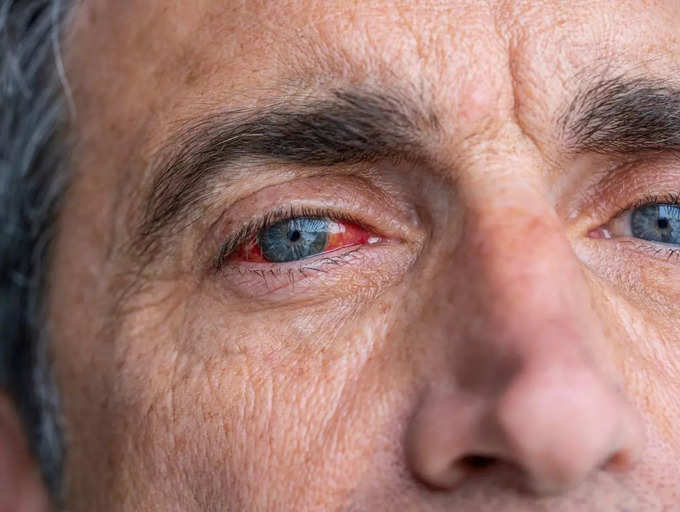
A rare case of black fungus infection, also known as mucormycosis, was reported in a 49-year-old male at a hospital in Delhi. As per the doctors, the patient had come to the hospital 15 days post-dengue recovery, complaining of a sudden vision loss.
Earlier this year, when the second wave of coronavirus took us by surprise and caused great devastation throughout the country, a large population of diabetics and people with a compromised immunity reported signs of "black fungus" infection, adding to the woes of medical professionals.
Now that the country is witnessing a drop in the number of COVID patients, the staggering rise in dengue cases has become a source of concern. That said, the case of mucormycosis, although 'rare', comes at a dangerous time.
Post-dengue recovery is not free of complications

Dengue infections can range from mild to moderate illness, although in some cases, it can lead to severe complications. Associated symptoms include high fever, fatigue, muscle, bone and joint pain, rashes, throbbing headache, vomiting and nausea.
While there is no particular treatment for vector borne diseases, mild infections can be managed at home. However, if the condition does not improve or the platelets level continues to drop, patients may have to seek medical help.
Just like any other infection, dengue may also leave a lasting impact on your body. Besides taking a toll on your immune system, it may go on to hamper your movement, may continue to make you feel fatigued and weak, all of which makes your post-dengue recovery process more difficult and slow.
Your immune system may suffer

Dengue fever is a vector-borne disease caused by four different viruses and spread by female Aedes mosquitoes. As and when the body is infected with the dengue virus, immune responses work together to fight the virus. The immune system's B cells produce antibodies that recognize and neutralize that foreign particles. However, in the process, there is a chance that the virus may weaken your immunity, which may increase your chances of getting sick easily.
Black fungus infection or Mucormycosis is common in people with compromised immunity

During the second COVID-19 wave, doctors found that black fungus or mucormycosis was common in people with a history of diabetes, compromised immunity and other infections.
Given that the dengue fever can lead to weakened immunity, doctors suggest that the 'rare' case of mucormycosis could be an outcome of the same.
"Before coming to the hospital, the patient had an episode of nasal bleeding as a complication owing to dengue 15 days prior to his recovery, wherein he noted a low count of platelets with no transfusion history. Mucormycosis in his case is a resultant factor of compromised immunity owing to dengue," said a Dr.
Even in the case of COVID-19, while the fungal infection was predominant in diabetes patients, those with a compromised immunity, on steroids and immunosuppressants were also at great risk of developing mucormycosis.
Vision loss can be a symptom

Mucormycosis, previously known as zygomycosis, is a severe fungal infection caused by a group of molds called mucormycetes.
According to a senior consultant (ENT), "It is a deadly infection caused by a group of fungus called mucor. This fungus invades the healthy tissues of the nose, sinuses, eyes and brain so rapidly that any delay in diagnosis and management can lead to adverse long-term complications."
The 49-year-old man who was recently diagnosed with mucormycosis came to the hospital, reporting a sudden loss of vision in one eye post dengue fever.
A senior consultant ENT and head and neck surgery at the hospital, said, "Diagnosing and managing a case of rhino-orbital (involving nose and eye) mucormycosis in a patient who has just recovered from dengue fever is very important, as even after best treatment, patients of mucormycosis can lose their eyesight permanently and in a state of an aggressive infection, removal of eye becomes necessary for preventing any further spread of infection."
Prevention

As per the doctors at the facility, while the case of mucormycosis in dengue patients is extremely rare, patients with a recent history of dengue should stay vigilant and cautious about their health and must consult their doctors immediately if any new symptoms arise.
While there are no vaccines available for this rare fungal disease, the Centre for Disease Control and Prevention (CDC) has claimed that the infection is not contagious and can be prevented by taking certain precautionary measures. Ensuring a safe, fungus and spore-free environment can minimize the risk of developing black fungus infection. Apart from that, make sure to boost your immune system regularly, as mucormycosis is prevalent in people with weakened immune response.