Monday, November 21, 2022

6 Natural Psoriasis Treatments to Relieve Redness and Itch

Even though psoriasis flareups are more common in dry and cold weather, summer is the best time of the year to take care of psoriasis and make those red and itchy lesions vanish from the skin. This article focuses on tips and natural treatments effective at alleviating symptoms of psoriatic skin lesions, but you can also read our previous article titled A Guide to Understanding Psoriasis for more general information on this topic. 
 
Psoriasis Relief - General Tips 
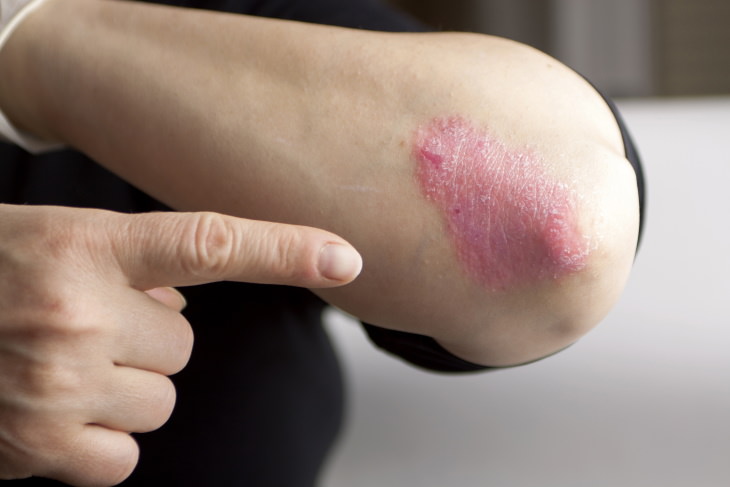
 Psoriasis Natural Remedies Arm with psoriasis
Psoriasis is an inflammatory systemic disease that manifests itself first through red scaly skin lesions. Any part of the body, including the scalp, heels, and nails can be affected by psoriasis. Over time, the disease tends to spread to the joints, causing psoriatic arthritis. Psoriasis is also linked to certain gastrointestinal issues. 
 
A tailored and comprehensive medical treatment is necessary to manage and slow down the progression of the disease. In addition to your dermatologist’s and rheumatologist’s tips and recommendations, it’s just as important to develop your own ways of alleviating skin symptoms and preventing lesions from appearing on the skin. Here are a few tips to consider:

- Avoid scratching, damaging, or burning the skin. Psoriatic skin problems are your body’s abnormal response to trauma. Preventing sunburns, resisting scratching insect bites, and protecting your skin from mechanical rubbing from tight or itchy clothing all go a long way. 
 
- Prevent dry skin. Dry conditions can make psoriasis worse because they deplete the skin from natural oils, causing microscopic cracks in the skin. These tiny cracks can then develop into psoriatic lesions; this is why psoriasis often forms on the driest parts of the skin, such as the elbows, heels, and knuckles. Body lotions, face creams, and ointments are the best way to prevent your skin from losing moisture. 
 
- Avoid fragrances. The majority of creams, bath salts, and soaps contain perfume and dyes that can irritate the skin. This is crucial to know for psoriasis patients, whose skin is more sensitive to these irritants. Opt for fragrance-free, sensitive skin-friendly skincare products. 
 
- Alcohol, stress, and smoking make psoriasis worse. Lifestyle changes and a healthy diet may not cure psoriasis, but they can reduce your symptoms quite a bit. 
 
- Use sunscreen. Phototherapy is a very effective psoriasis treatment, but it’s not the same as tanning. Phototherapy is a controlled in-office treatment that uses a very specific UV wavelength on psoriasis lesions and eradicates them. On the other hand, Tanning can increase skin inflammation by making your skin red or sunburnt, which can lead to a flare-up.  
 
Natural Treatments for Psoriasis 
 
1. Aloe vera
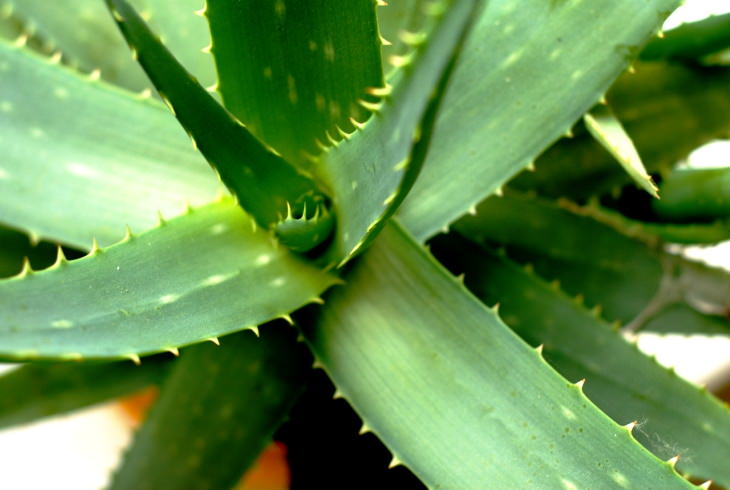
Psoriasis Natural Remedies Aloe vera
Aloe vera juice, aloe vera gel, or any other moisturizer that contains at least 0.5% aloe extract reduces the redness, scaling, itching, and inflammation associated with psoriasis. 
 
According to a 2010 study, aloe vera cream is a bit more effective at mediating psoriasis symptoms compared to a steroid cream containing 0.1% triamcinolone acetonide. A more recent study of 2,248 patients with mild and moderate psoriasis used a topical cream with 3% aloe vera. The patients saw a marked improvement in symptoms, including clearing skin plaques, compared to placebo.

The Mayo Clinic suggests that you apply an aloe cream on the affected area several times a day for a month to notice a significant improvement. So be consistent, and also avoid aloe vera tablets. The National Psoriasis Foundation states that there’s no evidence of oral aloe supplements being effective at alleviating symptoms.

2. Oatmeal baths
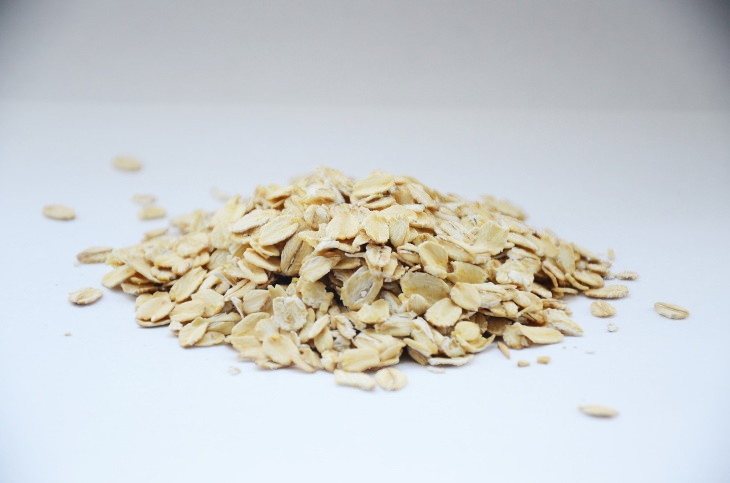
Psoriasis Natural Remedies Oatmeal
If you’re experiencing a flare-up of psoriasis on the body, and you experience a lot of itching and redness, a colloidal oatmeal bath can help soothe your skin. Colloidal oatmeal, or Avena sativa, is a powder made from finely ground and boiled oats. It’s scientifically proven to soothe irritated and inflamed skin. 
 
Prepare an oatmeal bath by grinding up 1 cup of oats in a spice grinder until completely fine and smooth. Pour the powder into a warm (not hot) bath to prevent skin irritation. Sit back and soak in the bath for at least 10-15 minutes, submerging the affected areas in the water. For best results, repeat this for a few days in a row. 
 
3. Oregon grape
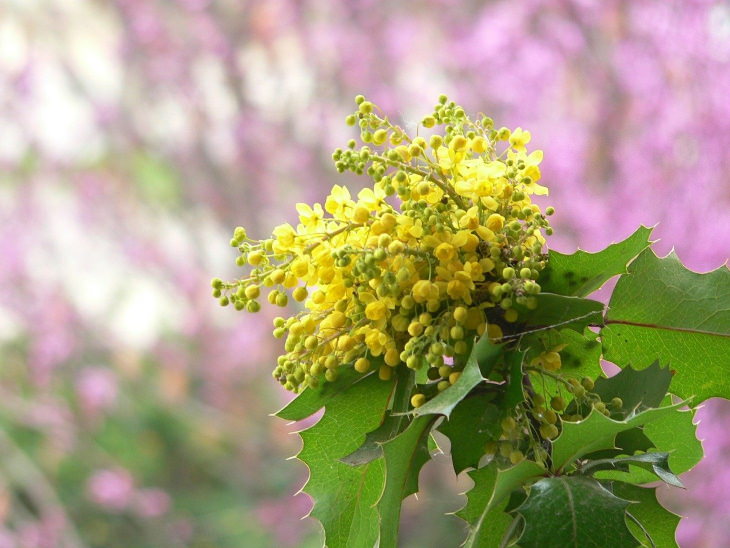
Psoriasis Natural Remedies Oregon grape
Oregon grape is a somewhat confusing name. Even though the fruits of Mahonia aquifolium look like grapes, they have nothing in common with the popular fruit. It’s actually an evergreen shrub from the barberry family. That said, this invasive species does seem to have some use for humans. Research shows that creams containing 10% of Oregon grape extract have antimicrobial properties and reduce the inflammatory immune response in psoriasis patients.

A 2018 review article found that a cream containing Mahonia aquifolium is safe and effective for psoriasis. One particular study in 433 psoriasis patients found that symptoms either improved or disappeared after 12 weeks of daily treatment in over 80% of the participants. Other studies show similar results and also point out that the cream is well-tolerated.  
 
4. Tea tree oil
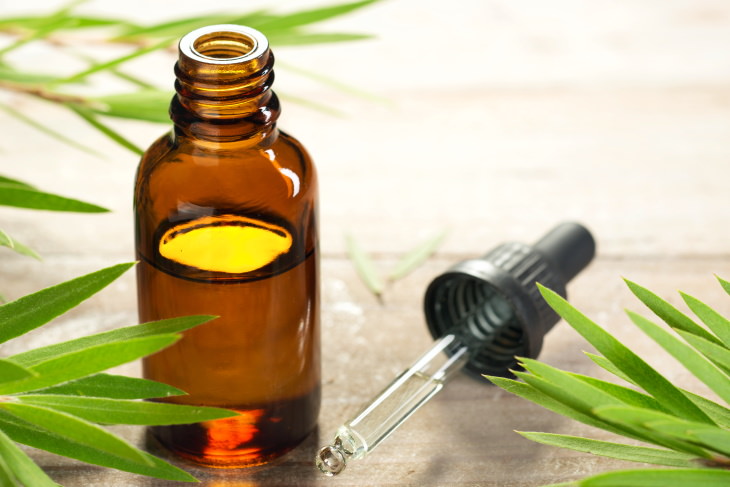
Psoriasis Natural Remedies Tea tree oil
As we mentioned at the beginning of the article, psoriasis can appear on the scalp. Unfortunately, treating scalp psoriasis can be tricky, especially if you have long hair. One general tip dermatologists recommend is to shampoo your hair and scalp as frequently as you can. This helps remove any built-up scales that can otherwise get out of control. 
 
When it comes to natural remedies that can be used on the scalp, tea tree oil is the top recommendation. Tea tree oil is an essential oil made from the leaves of the Melaleuca alternifolia plant, also known as Narrow-leaved paperbark. This essential oil has potent antifungal, anti-inflammatory, and antiseptic qualities. 
 
Even though most studies on tea tree for the scalp were done on a generally itchy scalp or dandruff, anecdotal evidence suggests that it may be also beneficial and taming the scales and itch in psoriasis patients. Many shampoos that contain tea tree oil are available on the market, but you can also just add a few drops of tea tree oil to your regular shampoo. When shampooing, leave the product on the scalp for 3-5 minutes to let the tea tree oil work. 
 
Note: never use undiluted tea tree oil directly on the scalp - this can lead to skin burns.

5. Turmeric

Psoriasis Natural Remedies Turmeric
Not all home treatments for psoriasis are topical. After all, psoriasis is a systemic inflammatory condition, and to treat the cause, you ought to strive for lowering the inflammation in your entire body. There are plenty of anti-inflammatory foods that can help you with that, but turmeric is definitely one of the most well-researched ingredients for psoriasis specifically. 
 
Curcumin, the active ingredient in turmeric, has a marked therapeutic effect in the treatment of psoriasis, according to a recent review article. Taking turmeric regularly can reduce psoriasis flare-ups. Turmeric supplements in capsules or tablets can help you get a steady dose of this spice every day, but you can also add it to your meals as a spice. 
 
6. Bath Salts
If you don’t particularly enjoy oatmeal baths, you can try adding Epsom salt or Dead Sea salt to your bath. Like colloidal oatmeal, bath salts can help soothe the itch. In addition, salt baths were found to help remove the scales from affected areas. Soaking in this mixture for a minimum of 15 minutes is not only soothing to itchy skin but also helps to shed the scaly skin associated with psoriasis. 
 
Dead Sea salt was found to be more beneficial than Epsom salt for reducing psoriasis symptoms in one clinical trial. Dead Sea salt is rich in minerals, which could account for this effect. For those of you wondering - yes, swimming in the sea can yield similar effects. When taking a salt bath, stay in the water for at least 15-20 minutes and repeat for a few days or even to see a real difference. 
 
In the above-mentioned study, the participants took 20-minute baths for 3 weeks. Lastly, don’t forget to moisturize your skin right after the bath to seal the nutrients and moisture in the skin.


This is only for your information, kindly take the advice of your doctor for medicines, exercises and so on.   

https://gscrochetdesigns.blogspot.com. one can see my crochet creations  
https://gseasyrecipes.blogspot.com. feel free to view for easy, simple and healthy recipes    
https://kneereplacement-stickclub.blogspot.com. for info on knee replacement

https://GSiyers home remedies.blogspot.com     is my latest addition to my blogs. I'm going to add posts there, do give me your valuable feed back on my blogs. Thanks a lot, take care, be healthy and be happy.

Labels: , , , , , , , , , , , , ,

Wednesday, July 13, 2022

The DOs and DON’Ts of Scar Prevention and Wound Care

Life is full of surprises, and not all of them are happy ones. Accidents, surgeries, teen acne, and giving birth - all of these are certainly unforgettable events, but one doesn’t need to have the scars to be reminded of them. Luckily, our skin has pretty incredible healing powers. And if you get to know your skin well, you’ll be able to reduce the appearance of a scar to a minimum. A big part of that is making sure that the wound heals cleanly and fast. 
 
Here’s an abundance of expert-approved tips that will reduce or even fully prevent scars caused by injuries. 
 
So what is a scar anyway?

We need to go on a brief biology detour before we can define a scar. Here it goes. The human skin consists of three main layers: the epidermis, the dermis, and the hypodermis. Scars only appear when the dermis - the biggest, middle layer of the skin - is injured. This injury interrupts the structure of the collagen and elastin fibers in the dermis, resulting in a scar. This happens in four stages: 
 
Hemostasis - bleeding stops and a scab forms. 
 
Inflammation - white blood cells come to the wound to kill germs, causing redness, pain, and swelling. 
 
Proliferation - the skin replaces the damaged cells with new ones. The wound and scab get smaller and smaller. 
 
Maturation - the injury is healed, possibly leaving behind a scar. 
 
Scars are also subdivided into various types, some of which may require special treatments. 

How to prevent scarring in a fresh wound
Scarring Prevention boy with a scratch on face
You’ve injured yourself. Now how do you proceed to reduce the risk of scarring? The three main goals to keep in mind are to minimize inflammation, reduce further injury, and protect the wound from infection. To do so, follow these steps: 
 
1. Begin by cleaning the site of the injury. Wash it with antibacterial soap and water to clean away any dirt and bacteria. 
 
2. Keep the wound moist by applying petroleum jelly onto the wound. Contrary to popular belief, cuts do not to be kept dry, especially if your goal is to prevent scarring. “Petroleum jelly prevents the wound from drying out and forming a scab; wounds with scabs take longer to heal. This will also help prevent a scar from getting too large, deep, or itchy,” recommends the American Academy of Dermatology (AAD).

3. Cover the wound with an adhesive bandage or a piece of gauze and paper tape if your skin is sensitive to adhesives. In case the injured area is rather large, or you’re dealing with a burn, you may want to apply a hydrogel sheet instead of a bandage. A so-called road rash - when you scrape the skin against asphalt - should also be treated like a burn. 
 
4. While your skin is healing, move the affected area as little as you can. “Every time the scar moves, it’s going to alter the formation for a wider or thicker scar,” said  a dermatologist. So give yourself a good break and let the skin heal. 
 
5. Avoid scratching or picking scabs on healing wounds. Scabs function as natural bandages, and picking them will only prolong the injury from healing. So… just don’t. Similarly, avoid the temptation to scratch a healing injury, as this could increase inflammation or introduce germs to the wound. If you tend to scratch or pick scars as you sleep, buy a pair of cotton gloves and wear them to sleep.

6. Replace the bandage with a new one every day, unless advised otherwise by your doctor or the instructions on the bandage packaging. 
 
Speaking of doctors, don’t hesitate to call one if you have a more serious wound. If the injury looks rather large or deep, getting it stitched up by a medical professional will help the wound heal better. Get to the doctor’s office as soon as possible - a fresh injury has a better chance of clearing up with minimal scarring. If you wait a little too long, the wound could become contaminated, and getting stitches may no longer be an option. 
 
Not sure if you should see a doctor in the first place?
Minor cuts and scrapes can be safely treated at home without the risk of serious scarring. However, an injury that’s very deep, infected, or painful requires urgent medical assistance. The wound location matters too: any injury to the vital organs and the face should always be treated at the hospital. Likewise, injuries to the hands and feet located near the joints, tendons, nerves, or bigger blood vessels require medical care. 
 
Seek immediate medical attention if the wound fits within any of the following categories: 
 
The wound keeps bleeding 
 
It’s a deep puncture wound 
 
The injury is a bite or a burn 
 
You’re experiencing a lot of pain or a fever. 
 
Are scar prevention ointments effective?
Scarring Prevention surgery scar cream
The short answer is no - bacitracin, vitamin E, and other scar prevention creams don’t really clear up scars. The AAD warns that no product available over-the-counter claiming to prevent scars has good scientific evidence of being capable of significantly improving scarring. 
 
Dermatologists also advise against using hydrogen peroxide too often, as it may irritate the skin and slow down the healing process. 
 
Instead, experts recommend letting your body do the job. Healing can take weeks or even months depending on the severity of the injury and even its location. Areas with thinner skin and better blood circulation, such as your face, tend to heal faster than, let’s say, the legs or feet. So collect all the patience you have a let your skin heal itself.

How to minimize scarring of a healed wound 
 
Healing is a very long process; it doesn’t stop when the scab falls off, revealing a pinkish scar underneath. The first phase of healing is estimated to take around 3 months, followed by another phase of the same duration. During this time, a scar may change color from red to pale or dark, and become either thicker or thinner. A scar is considered fully formed only 1 year after the day of the injury. 
 
Before you hit the one-year mark, you still have a good chance of minimizing the appearance of the scar.

This can be done by simply applying a dab of moisturizer to the scar and gently massaging it. “In the first year, it’s important and has been shown to be helpful to do a gentle massage on your scar for a few minutes a day. It helps break up any scar tissue for ones that are getting thick,” said Dr. Khetarpal. 
 
Applying silicone scar sheets on the skin can also be helpful for preventing scars, but this trick only works during the first few weeks after the injury. 
 
Last but not least, be very prudent with your sunscreen during this time, reapplying it every few hours if you’re in the sun. That’s because sun exposure can cause discoloration, rendering the scar more prominent (either darker or lighter than your skin). 
 
When prevention fails

The simple tips we listed above go a long way in maximizing your success in minimizing a scar at home. Unfortunately, some scars are simply impossible to avoid or shrink at home. If you have a bothersome scar like that, dermatologists recommend seeking professional help as soon as possible. 
 
In the past, medical interventions were the last resort for patients, but that guidance has changed with the emergence of novel treatments like micro-needling and laser treatments. With the help of such in-office procedures and medications, it's possible to reduce the appearance of scars by as much as 60%. Talk to your dermatologist to see what treatments are best for you.


This is only for your information, kindly take the advice of your doctor for medicines, exercises and so on.   

https://gscrochetdesigns.blogspot.com. one can see my crochet creations  
https://gseasyrecipes.blogspot.com. feel free to view for easy, simple and healthy recipes    
https://kneereplacement-stickclub.blogspot.com. for info on knee replacement

Labels: , , , , , , , , ,