Thursday, November 10, 2022

Healthy Foods in Excess is Harmful to Health ! Everything in moderation is good.

Doctors and experts keep telling us that we should eat less fatty foods, more vegetables and fruits, and so on. No one, however, bothers to warn us that certain healthy foods can turn toxic in a heartbeat if you eat too much of them. The average person would not expect these six foods to be fatal, which is what makes them even more dangerous. Remember - these foods are healthy in moderation, so don’t stop eating them - just make sure you don’t overdo it.
1. Lean Meat
Animal meat is one of the best sources of protein and vitamin B-12, and most dietitians will advise their patients to stick to lean meat and avoid the fattier cuts. The problem is that consuming too much animal protein causes the body to produce a hormone called IGF-1 (Insulin-like Growth Factor 1). This hormone can accumulate in the body and lead to accelerated aging and cancer. If you need to get proteins, try balancing your diet between lean meat and legumes.  
 
2. Oranges and Tomatoes

fatal foods

Both fruits are jam-packed full of vitamin C and are often recommended because of their health benefits. While they are indeed good for your health, overeating them can become a serious problem. Tomatoes and oranges are highly acidic, and increased consumption of them can lead to acid reflux. On its own, reflux is relatively harmless, but repeated bouts will damage your esophagus and cause Barrett’s Esophagus, which is a state where the esophagus is covered in precancerous abrasions.
 
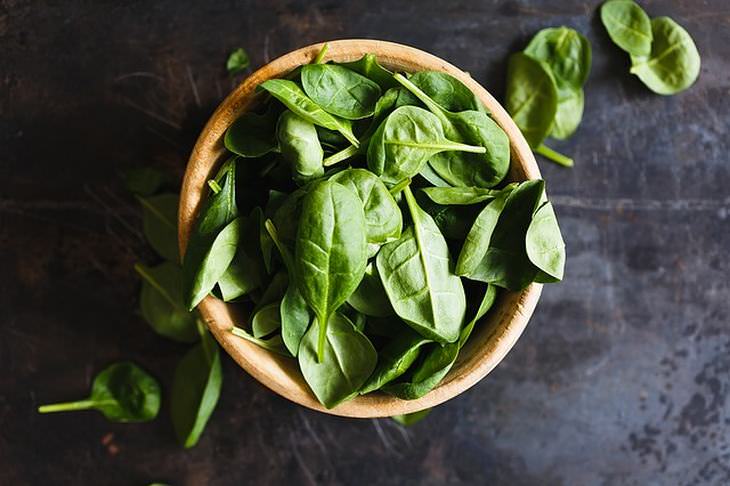
3. Spinach
fatal foods
This leafy green is rich in vitamins, minerals, iron, protein, and fiber, making it an amazing addition to your diet. Spinach is also a good source of lutein, which helps prevent macular degeneration. “So what’s the problem?” you may be asking. The answer is that spinach also contains high levels of oxalate, which triggers the formation of kidney stones. If you’ve got a history of kidney stones, you’ll want to avoid spinach.  
 
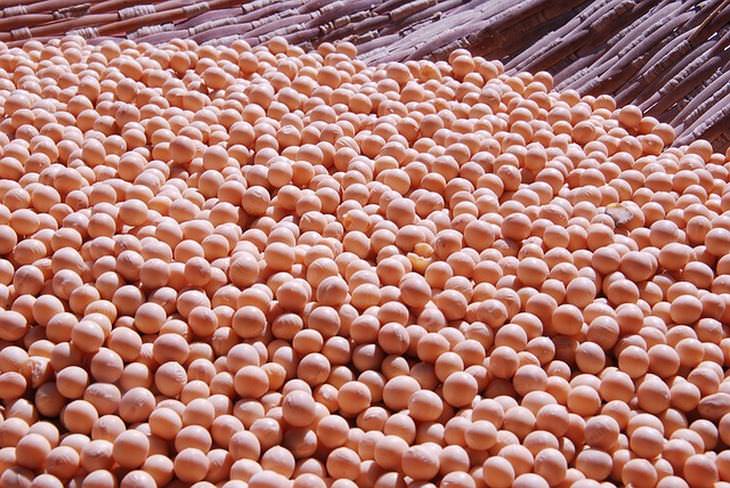
4. Soy
fatal foods
The go-to meat substitute for many vegetarians, soy, is rich in protein, helps lower cholesterol levels and even reduces blood pressure. However, soy also has a “dark side” – it hinders iron absorption in the body, which can quickly lead to anemia. Furthermore, soy contains phytoestrogen, which mimics the female hormone estrogen. Phytoestrogen can lead to endometrial hyperplasia, which can lead to uterine cancer. Furthermore, in men, it can lead to the development of feminine features if consumed in large quantities.

5. Canned Tuna
Canned tuna is often recommended by dietitians and trainers as a good source of protein that's also low in calories. But problems arise from the high mercury levels in canned tuna. Mercury poisoning causes vision problems, speech and hearing problems, impaired coordination, and damage to muscle tissues. In severe cases it can be fatal, so don’t eat more than five cans a week.  
 
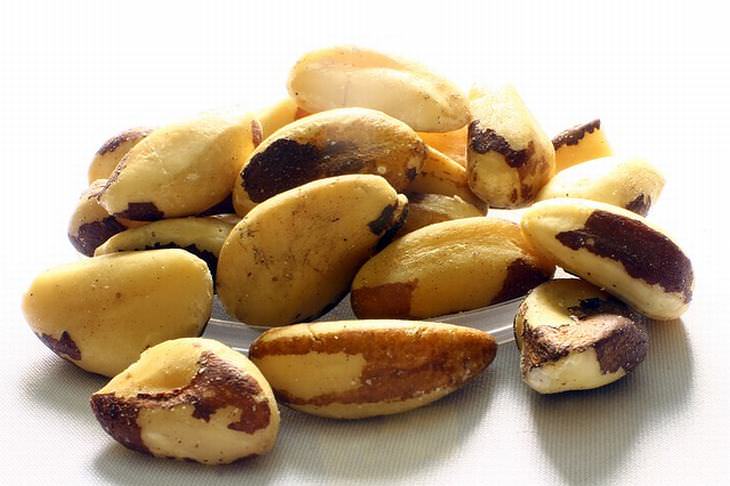
6. Brazil Nuts
fatal foods
In moderation, Brazil nuts are small, delicious bombs of health; rich in fiber, protein, and fatty acids. Add to that their ability to lower cholesterol levels and reduce blood pressure and you’ll think they make a great healthy snack. But problems arise from the high levels of selenium in these nuts. Selenium is an essential nutrient, but in large doses it becomes toxic. Selenium toxicity leads to loss of hair, brittle nails, neurological damage, and eventually death. To make sure you are not overdoing it, avoid eating more than ten a day.  
 
Bonus: Water
Water is the source of life. We need it to survive and can’t go longer than three days without it or we’ll die. The average person requires around three liters of water per day to remain healthy and energetic. But what happens when you consume too much water? Drinking six liters of water within a 3-hour period can lead to water intoxication, a state where your body’s electrolyte balance is disturbed. 
 
“At the onset of this condition, fluid outside the cells has an excessively low amount of sodium and other electrolytes. This causes the cells to swell. In the brain, this swelling increases intracranial pressure (ICP), which leads to headaches, personality changes, changes in behavior, confusion, irritability, and drowsiness. 
 
These are sometimes followed by difficulty breathing during exertion, muscle weakness and pain, twitching, or cramping, nausea, vomiting, thirst, and a dulled ability to perceive and interpret sensory information. The cells in the brain may swell to the point where blood flow is interrupted resulting in cerebral edema, and may also apply pressure to the brain stem causing central nervous system dysfunction. Both cerebral edema and interference with the central nervous system are dangerous and could result in seizures, brain damage, coma or death.”


This is only for your information, kindly take the advice of your doctor for medicines, exercises and so on.   

https://gscrochetdesigns.blogspot.com. one can see my crochet creations  
https://gseasyrecipes.blogspot.com. feel free to view for easy, simple and healthy recipes    
https://kneereplacement-stickclub.blogspot.com. for info on knee replacement

https://GSiyers home remedies.blogspot.com     is my latest addition to my blogs. I'm going to add posts there, do give me your valuable feed back on my blogs. Thanks a lot, take care, be healthy and be happy.

Labels: , , , , , , , , , , , , ,

Friday, February 21, 2020

Scientists map molecular steps in the development of endometrial cancer

A new study reveals the molecular steps that bring about endometrial cancer, commonly known as uterine cancer, which is the sixth most common cancer in women across the globe. The new insight will help doctors to better identify which patients may need aggressive treatment, and why conventional treatments may not be effective for some patients.

The study, funded by the National Cancer Institute and published in the journal Cell, provides a detailed look at dozens of molecular steps that happen in the development of this type of cancer. It is the most comprehensive molecular study of uterine cancer. It has defined how genes and proteins play significant roles in endometrial cancer, offering doctors the potential to provide individualized treatment approaches for patients.

The researchers from NYU Grossman School of Medicine and other institutions measure key proteins, which are workhorses that build molecular structures and signaling networks. They found that already-approved drugs that target proteins known as CDK12, PML, and SMARCA4 in other types of cancer may help in the treatment of endometrial cancer.
The new study from NYU Langone researchers provides an in-depth survey of the molecular players in endometrial cancer and suggests new treatment approaches. High and low power microscopic view of endometrium (uterus) to show endometrial cancer. Image Credit: vetpathologist / Shutterstock
The new study from NYU Langone researchers provides an in-depth survey of the molecular players in endometrial cancer and suggests new treatment approaches. High and low power microscopic view of endometrium (uterus) to show endometrial cancer

More than genes

The new study built its work in The Cancer Gene Atlas (TCGA), which identified some of the genetic underpinnings of the disease in 2013. The scientists suggest that there is more to cancer than just genes.
 
To land to their findings, they analyzed 95 uterine tumors and 49 normal uterine tissue samples. With these, they measured the levels and modifications of molecular players, such as genes, microRNAs, circular RNAs, messenger RNAs, and proteins.

The team also studied the chemical changes to proteins, known as post-translational modifications, which is essential to determine when and where proteins are inactive or active. In a nutshell, the team collected 12 million measurements of differences between healthy cells and cancerous cells.

With the millions of measurements, the researchers developed a new method to determine tumors that are not aggressive now but will turn out to be as invasive as serous tumors, which are very potent and can kill patients.

At present, to determine how aggressive endometrial cancer is, doctors rely on biopsy or viewing the cells under a microscope. However, in the study, the team suggests that activity levels of some proteins can differentiate tumors that are more aggressive from less aggressive tumors.

Interestingly, the scientists also found that one process, which involved packing and unpacking genes, occurs more often than expected in cancer cells. Further, they found that a process called histone acetylation, which is a crucial part of the process, exists in endometrial cancer.

A promising avenue for treatment

The findings of the study allowed the researchers to devise a new way to determine which patients are most likely to benefit from a treatment called immune checkpoint therapy.

In the therapy, doctors use drugs like nivolumab and pembrolizumab to remove the barriers that most tumor cells use to escape the immune system. These immune checkpoint inhibitors fight cancer by blocking checkpoint proteins from binding with their partner proteins, preventing the turn off signal from being sent. Hence, the drugs allow the T cells of the immune system to kill cancer cells. It’s like boosting the power of the body’s immune system to fight cancer itself.

The new study now shows promise in treating patients who may need more aggressive treatment, reducing the risk of the tumor cells become invasive. Determining which patients would benefit from the drugs would help spare patients severe and unneeded side effects.

“For many years, scientists have been using genomics, the study of the genetic code, which is a very effective way but a relatively basic way to look at cancer. But if we add on all these extra levels--proteins, RNA, and the ways proteins talk to each other--then we can learn even more about how cancer is actually working,” Emily Kawaler, a student at NYU Grossman School of Medicine and study co-author, said.

This is only for your information, kindly take the advice of your doctor for medicines, exercises and so on.     

https://gscrochetdesigns.blogspot.com. one can see my crochet creations  
https://gseasyrecipes.blogspot.com. feel free to view for easy, simple and healthy recipes    
https://kneereplacement-stickclub.blogspot.com. for info on knee replacement
 

Labels: , , , , , , , , ,