Eating oranges daily may shift lipid patterns in fatty liver disease
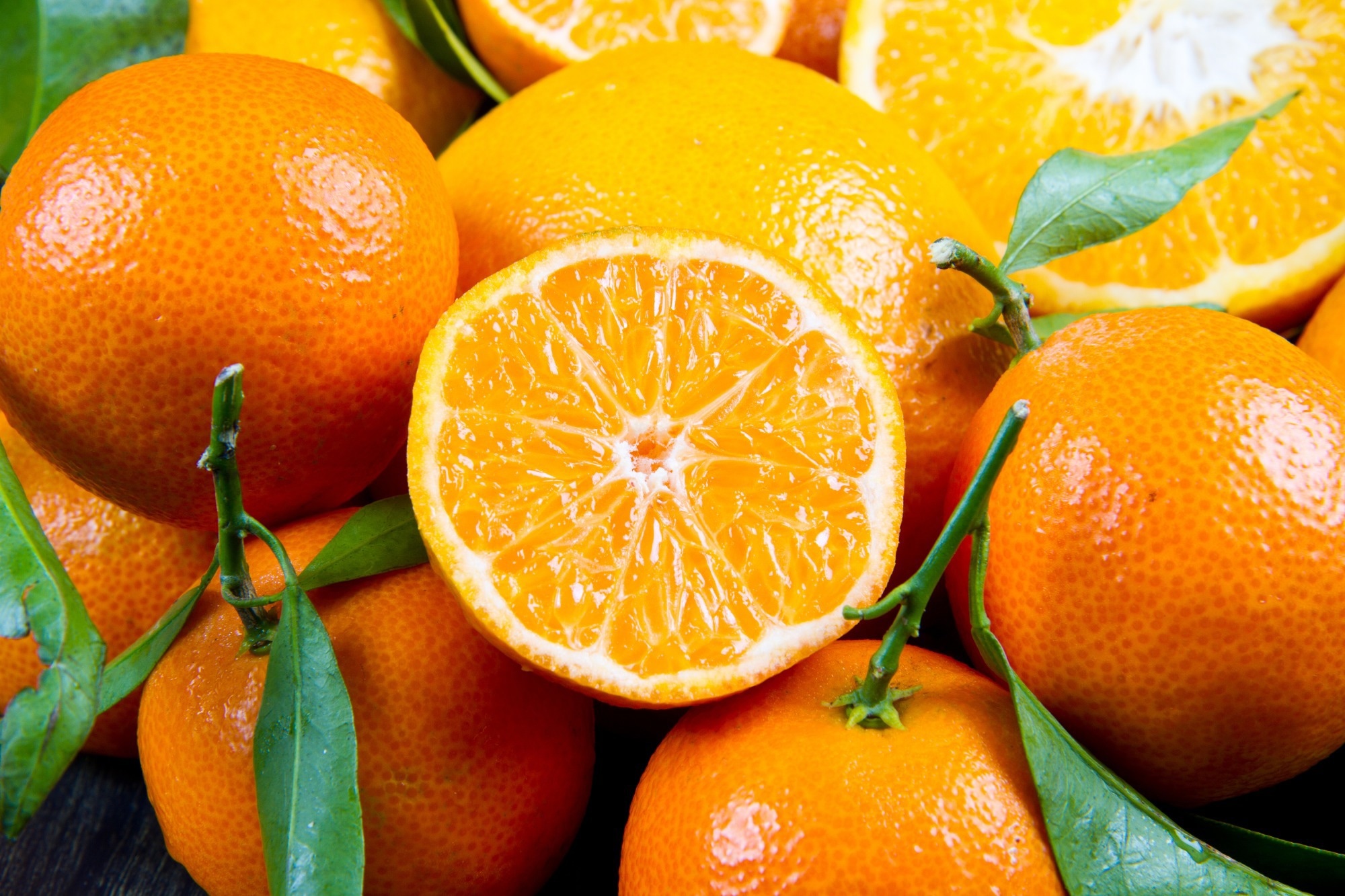
A recent Nutrients study evaluated the effects of daily consumption of “Navelina” oranges for 4 weeks on serum lipid profiles in patients with MASLD.
Lipid metabolism, lipidomics, and the role of diet in MASLD
MASLD, formerly known as non-alcoholic fatty liver disease (NAFLD), is a condition closely tied to metabolic syndrome, visceral obesity, and type 2 diabetes (T2D). It ranks among the leading causes of liver-related morbidity and transplantation worldwide, with lifestyle modification and dietary intervention remaining the most effective therapeutic strategies.
MASLD is characterized by considerable alterations in lipid metabolism, in which plasma fatty acids circulate in esterified forms within triglycerides, phospholipids, and cholesterol esters. Low-density lipoprotein (LDL)-associated cholesterol promotes vascular accumulation, while high-density lipoprotein (HDL) mediates reverse cholesterol transport, protecting against atherosclerosis.
Lipidomics is an omics-based approach that enables the identification and quantification of hundreds of lipid species from a single biological sample. Extracted lipids are characterized across major fatty acid classes, including saturated (SFAs), monounsaturated (MUFAs), and polyunsaturated fatty acids (PUFAs). SFAs are linked to hepatic lipotoxicity and insulin resistance, while MUFAs exert protective effects on lipid and glucose metabolism.
Diet directly shapes the lipidomics profile. Diets high in saturated and trans fatty acids promote membrane rigidity and chronic inflammation, while n-3 PUFA-rich diets support anti-inflammatory and cardioprotective outcomes. Polyphenol-rich diets similarly improve lipid metabolism, insulin sensitivity, and inflammatory regulation.
Assessing the effects of daily “Navelina” orange consumption on the serum lipid profile in MASLD patients
A previous study in MASLD patients showed that supplementing the habitual diet with 400 g/day of “Navelina” oranges for 4 weeks produced a measurable variation in hepatic steatosis, independent of changes in body weight, waist circumference, body composition, or conventional lipid profile parameters. The present study builds on these findings to evaluate the effects of daily “Navelina” orange consumption on the serum lipid profile in MASLD patients, with a focus on identifying specific lipid species and their potential associations with lipid-related markers rather than direct clinical outcomes.
A total of 60 participants aged 30-65 years with MASLD were recruited from the nutrition clinic of the National Institute of Gastroenterology, IRCCS “S. de Bellis”, between February and November 2023. The eligible participants had fatty liver disease (Controlled Attenuation Parameter [CAP] score > 275 dB/m), body mass index (BMI)> 25, T2D, and/or metabolic syndrome. Approximately 71.67 % of the cohort were men.
Participants were randomly assigned to a control arm or an experimental treatment arm. Those in the treatment arm consumed 400 g of “Navelina” oranges daily for 4 weeks, while controls abstained from oranges. All participants received dietary recommendations, including restriction of alcohol, caffeine, and polyphenol-rich foods.
Blood samples were obtained at baseline and after 4 weeks for fatty acid and biochemical analyses. Participants completed a self-report adherence questionnaire and food diary one week before and throughout the trial. Generalized estimating equation (GEE) models were used to assess differences in lipid, biological, and clinical markers across treatment and time.
Orange consumption is associated with modest, non-significant shifts in fatty acid profile and HDL metabolism
Adherence was high in both arms, with compliance rates of 96.8 % in the experimental treatment arm and 93.1 % in the control arm. Although polyphenol bioavailability was not directly measured, the observed effects could be due to “Navelina” orange consumption, as all participants avoided other citrus fruits and polyphenol-rich foods throughout the trial.
GEE modeling revealed no statistically significant time-by-treatment interaction across lipid or biochemical outcomes. Notably, a borderline trend was observed for total cholesterol, suggesting a directional reduction in the treatment arm relative to controls.
In the treatment arm, a reduction in arachidonic acid (AA) and the AA/eicosapentaenoic acid (EPA) ratio indicated a slight, non-significant shift toward an anti-inflammatory fatty acid profile. Total cholesterol and LDL decreased, while HDL increased; although none of these changes reached statistical significance, the consistent directionality across lipid markers suggests a possible but unconfirmed pattern of orange consumption.
Spearman correlation analysis of delta-changes revealed significant associations in the treatment arm: oleic acid and MUFAs inversely correlated with HDL, while the AA/EPA ratio showed a stronger inverse association, suggesting that EPA predominance may be linked to, but does not establish, HDL improvement. EPA and n-3 PUFAs were positively correlated with HDL, consistent with an n-3 PUFA-associated pattern in HDL metabolism. In the control arm, oleic acid and MUFAs correlated inversely with total cholesterol only, without the HDL-related patterns observed in the treatment arm.
These patterns collectively suggest that orange consumption may be associated with modest shifts in fatty acid patterns, with a corresponding possible but not causal relationship with HDL metabolism. The correlation analysis is exploratory; the associations reflect co-directional changes within each arm and do not establish causality. Post hoc analysis was limited to specific fatty acid changes and does not confirm overall study power or causal inference.
Conclusions
Daily “Navelina” orange consumption was associated with modest, nonsignificant changes in serum fatty acid profiles in patients with MASLD, offering preliminary, hypothesis-generating insights into the nutraceutical potential of orange polyphenols for lipid metabolism.
While based on a relatively small sample size and short 4-week duration, these findings support future research into the links between the serum lipidomic profile and inflammation or oxidative stress, and the need for a dose–response curve to better define the health benefits of orange-derived polyphenols.