Thursday, September 19, 2024

The Sneakiest Cancers And How To Spot Them Before It Is Too Late

Cancer is an extremely complex and dangerous group of diseases involving abnormal cell growth with the potential to invade or spread to other parts of the body.

According to the World Health Organisation, cancer is the second leading cause of death globally, accounting for an estimated 9.6 million deaths, or 1 in 6 deaths. Lung, prostate, colorectal, stomach, and liver cancer are the most common types of cancer in men, while breast, colorectal, lung, cervical, and thyroid cancer are the most common among women.

Even though there have been significant advancements in medical research and technology that have helped improve the easy and timely detection of various cancers, some types exhibit a sneaky nature, making them challenging to diagnose and treat.
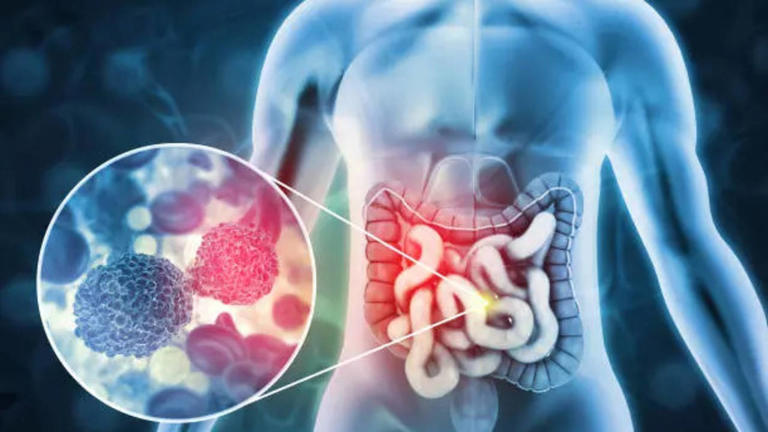
 Why Is Bowel Cancer Mistaken For IBS? Doctor Shares Symptoms That Can Be Confusing   

 According to experts, most people who lose their lives because of cancer are diagnosed at a very later stage, when treatments do not work. There are more than 100 types of cancer, and some are more common than others.

Pancreatic cancer

Often called the "silent killer" due to the absence of any noticeable signs until the disease has advanced, pancreatic cancer is among the deadliest. A few signs include:


Stomach pain

  • Unintentional weight loss
  • Digestive issues
However, these are common with many other ailments and initially cannot be attributed to just cancer. And so, pancreatic cancer is frequently diagnosed at an advanced stage, reducing treatment options and overall survival rates. 1

Skin cancer

Skin cancer is the most common form of the disease, which affects more than a million people yearly across the world. A few signs include:
  • Sores that take a long time to heal
  • Raised, scaly red patches
  • Small and smooth lumps on the skin
  • Pale skin that resembles scars
  • Sores or growths that bleed
  • Pink growths with raised edges

Lung cancer

Lung cancer is the second most common cancer worldwide with over 2 million reported cases every year.

According to doctors, it can be extremely subtle in its initial stages. Early symptoms like cough and chest discomfort can be attributed to other respiratory problems. Also, this cancer mostly lacks obvious symptoms until it reaches an advanced stage. 2

Kidney cancer

Most people do not report early stages of kidney cancer because it does not involve any pain or recognizable signs. 

According to doctors, this cancer progresses quietly but aggressively, and as the tumour grows, you may experience signs like:

  • Blood in the urine
  • Severe back pain
  • Unintentional weight loss

Brain cancer

Brain cancer, also known as bitemporal hemianopsia, is a deadly ailment that arises due to tumours or gliomas which form a thin layer of tissue that covers the spinal cord and brain. 


Even though it may exhibit subtle signs like headaches or fatigue, later as the tumour grows, you may suffer from seizures or fits - particularly in those patients who do not have a medical history. According to experts, nearly one-third of patients diagnosed with brain tumour report a seizure before being diagnosed with a tumour.

A brain tumour also affects the brain’s processing speed leading to cognitive decline which is very slow.

What can be done to identify cancer signs?

According to the Indian Cancer Society, paying attention to even small details and mild symptoms are extremely important. 

Doctors say if those, including high-risk groups, are aware of the possible signs and symptoms of cancer, and empowered to contact their doctors as soon as they notice any of these signs or symptoms, it can facilitate the early diagnosis of cancer.

Every abnormality in the body should be dealt with carefully.


Labels: , , , ,

Sunday, June 21, 2020

Nox4 protein can be used as a marker to predict untreatable kidney cancer

A team of researchers from The University of Texas Health Science Center at San Antonio confirmed the role of a certain protein in the development of high-grade kidney cancer. The researchers also showed that a higher level of the protein can be used as a marker to predict which tumors will develop treatment resistance and progress more rapidly.

Dharam Kaushik, MD, led the study published May 31 in the journal Translational Research.
Dr. Kaushik is an associate professor of urology in the Long School of Medicine at the university, also called UT Health San Antonio. He also is a genitourinary oncologic surgeon at the Mays Cancer Center, home to UT Health San Antonio MD Anderson.

About 30% of patients with kidney cancer are not diagnosed until their cancer has spread to other parts of the body. Metastatic disease is notoriously resistant to current targeted therapies. In 2018, there were about 403,262 new cases of kidney cancer and 175,098 related deaths worldwide. 

"Therefore, there is an urgent unmet need for developing new tools to predict which cancers will develop into high grade that are resistant to treatment."
Dr. Dharam Kaushik, Associate Professor of Urology, Long School of Medicine, UT Health San Antonio

In previous preclinical and animal studies the researchers proved that the protein -- nicotinamide adenine dinucleotide phosphate (NADPH) oxidase-4 (Nox4) -- often called Nox4, was involved in promoting the more serious cancer.

In the current study, the researchers studied the treatment records of 350 patients who had kidney cancer between January 2013 and June 2016. Their results showed that Nox4 also concentrates in the nucleus of human kidney cancer cells. The findings were bolstered by a series of statistical analyses using clinical data of patients who survived or died from kidney cancer. The combined results suggest that nuclear Nox4 expression may be an independent marker of disease progression and poor survival in patients with high-grade, advanced-stage kidney cancer.

"Our analysis showed that a high level of nuclear Nox4 is an important marker predicting resistance to targeted therapy. To our knowledge, this is first report of nuclear Nox4 localization and the correlation with disease progression, poor survival and development of resistance to targeted/immune therapy in kidney cancer," he said.

During the study, the researchers also identified a smaller group of patients with high levels of nuclear Nox4 who had rapid disease progression or died within six months of surgery. "These patients would be ideal candidates for a future study of survival outcomes using adjuvant targeted therapy that includes a Nox4 inhibitor." Dr. Kaushik said.

This is only for your information, kindly take the advice of your doctor for medicines, exercises and so on.     

https://gscrochetdesigns.blogspot.com. one can see my crochet creations  
https://gseasyrecipes.blogspot.com. feel free to view for easy, simple and healthy recipes    
https://kneereplacement-stickclub.blogspot.com. for info on knee replacement

Labels: , , , , , , , , , ,

Friday, February 21, 2020

Scientists find a way to block the growth of kidney cancer

Scientists at the MDC have discovered stem cells responsible for the most common form of kidney cancer. The team of Walter Birchmeier has found a way to block the growth of these tumors in three models of the disease.

Not all cancer cells are equal. Tumors contain potent cancer stem cells which produce metastases and can regenerate the disease if they escape a treatment. This makes them vital targets for therapies - if scientists can isolate them and probe their weaknesses. But the cells are often so rare that for many types of cancer, they have yet to be found.

Professor Walter Birchmeier's lab at the Max Delbrueck Centrum for Molecular Medicine in the Helmholtz Association (MDC), in a collaboration with the Urology Department of the Charite, has now discovered cancer stem cells responsible for the most common form of kidney cancer: clear cell renal cell carcinoma, or ccRCC. In a Berlin-wide collaboration, the scientists found a weakness. The cells depend on two critical biochemical signals. Blocking them both hinders the growth of tumors in several laboratory models of the disease, suggesting a promising new approach to treating human patients. The work also emphasizes the continued importance of mice in medical research. The study appears in the current issue of Nature Communications and includes authors from the MDC, the Urology Department of the Charite Berlin, the Berlin Institute of Health (BIH), the Screening Unit of the Leibniz Institute FMP, the company EPO, and other partners.

Two biochemical weaknesses

Identifying ccRCC cancer stem cells was crucial to the project. Dr. Annika Fendler, a postdoc in the Birchmeier group and a member of the Charite Urology Department, was first author on the paper. She identified three proteins on the surfaces of the cells that enabled them to be tagged and then isolated. This permitted Dr. Hans-Peter Rahn to isolate the cells using fluorescence-activated cell sorting (FACS). The scientists found that cancer stem cells accounted for only about two percent of the total found in the human tumors.

"Our analysis of these cells shows that they depend on signals passed along two biochemical networks called WNT and NOTCH," Fendler says. Because these networks were known to play roles in other types of cancer, the lab has learned to disrupt them. They had already developed a potent inhibitor of WNT signals with the FMP, their partner institute on campus.

Previously a role for WNT and NOTCH had not been suspected in kidney tumors; mutations in these networks are rarely found in the disease. Both signals are, however, linked to a tumor suppressor gene called VHL, which is strongly associated with ccRCC. The new findings suggested that blocking WNT, NOTCH or both signals might target the cancer stem cells and interfere with the most aggressive components of the tumors.

In the clinic, inhibitors against various biochemical pathways are increasingly replacing chemotherapy in treatments for cancer patients. "But you have to know what pathways to target," Fendler says, "and not enough was known about the biology of ccRCC."

The promise of multiple model systems

Initial tests of the new inhibitors were promising. "Remarkably, three quarters of cell cultures derived from the patients responded to at least one type of inhibitor, and 50 percent of the rest were inhibited in the presence of the two inhibitors," Birchmeier says.

But here the lab confronted one of the main challenges of cancer research. "What we learn in the lab is usually very difficult to translate into the real context of a patient," Birchmeier says. "Regular cell line cultures and animal models obtained from other labs don't reflect the complexity of a disease in a person's body." A solution is to develop more types of models which are closer to the human disease.

Birchmeier and his colleagues were already proficient at extracting cancer stem cells from patients, growing them in cultures and challenging them with a huge palette of drugs. In collaborations with the company EPO on the Berlin-Buch campus, they have also transplanted patients' cancer stem cells into mice, which develop tumors virtually identical to those of their human counterparts. These animals are essential in the search for therapies: what cures a human tumor in mice might also work in a patient. In the current project, EPO injected WNT and NOTCH inhibitors, singly and and combinations, into tumor-bearing mice and observed what happened. Blocking both signals turned out to be the most effective strategy. But would it work equally well in humans?


A new type of model

Very recently scientists have learned to use patient cells to generate organoids: miniature versions of organs, containing many types of cells. They are composed of human tissue, but can be used without the ethical problems of testing drugs on human patients. Organoids had already been created for healthy kidneys, various organs, and tumors such as colon cancer.

    Other groups had tried with ccRCC, but had been less successful. The tissue didn't grow very well or did not produce organoids. Both of these factors are important in developing models for drug testing and treatments. A patient with the disease needs fast and reliable models on which treatment responses can be tested."

    Dr. Annika Fendler, postdoc in the Birchmeier group and a member of the Charite Urology Department, first author on the paper

Different models, similar results

"The most crucial finding from the study," Birchmeier says, "is to have identified the essential roles of WNT and NOTCH signaling systems in ccRCC, and to show that inhibiting them has an impact on the tumors." There remain subtle differences between the model systems that still need to be explored; at the moment, studies of mice are still needed.

In the meantime, the work provides important new experimental systems for scientists working on the disease. Annika Fendler has moved on to the Francis Crick Institute in London, where she continues to work on models of kidney cancer. Ultimately, the scientists hope, the strategy developed in the models will make the jump to the clinic, in custom-designed therapies that target the most dangerous cells in the tumors.

 
This is only for your information, kindly take the advice of your doctor for medicines, exercises and so on.     

https://gscrochetdesigns.blogspot.com. one can see my crochet creations  
https://gseasyrecipes.blogspot.com. feel free to view for easy, simple and healthy recipes    
https://kneereplacement-stickclub.blogspot.com. for info on knee replacement
 

Labels: , , , , , , , , ,

Friday, December 13, 2019

Early Warning Signs of Kidney Cancer

The kidneys are two bean-shaped organs (fist-sized), located in the lower abdomen on either side of the spine. The kidneys are mainly responsible for removing waste materials and fluids from blood via the urine. Kidney cancer, or renal cancer, occurs when kidney cells become malignant and grow at abnormal and excessive rates. Often this abnormal cell growth leads to the development of a tumor. The majority of renal cancers grow in the lining of tiny tubes (or tubules) within the kidney in a specific type of cancer known as renal cell carcinoma.

Kidney cancer is considered among the top ten most common cancers. Renal cancer tends to mainly strike male patients over the age of 50-years old. However, certain risk factors increase the likelihood of renal cancer, including:
  • Family history of kidney cancer
  • High blood pressure
  • Smoking
  • Obesity
Thankfully, most cases of kidney cancer can be successfully treated if found early before they metastasize (or spread to other bodily organs). 

The earliest warning signs of kidney cancer include:
1. Unexplained weight loss
Patients with cancer often experience rapid weight loss and a sudden loss of appetite. With kidney cancer, this full feeling and lack of appetite can occur due to the growth of an abdominal mass.
2. Fatigue
Fatigue and a general feeling of malaise (or poor health) can often occur in the early stages of kidney cancer. This fatigue can mimic the onset of a flu with general tiredness, achiness, and fever, and even night sweats.
3. Swelling and pain
Many patients report pain or the development of a swollen lump in your kidney area. This growth and tenderness can occur on either side of the body, below the ribcage. Pain from renal cancer can also occur in the flank area, or on either side of the body between the upper abdomen and the back.
4. Blood in urine
The most telltale symptom of kidney cancer is the presence of blood in the urine, or haematuria, in about 50% of all renal cancer patients. The blood can be trace amounts and can come and go. If you notice blood in your urine, see a doctor immediately, as it can indicate kidney stones, kidney cancer, enlarged prostate, or a kidney infection.
5. Anemia
Anemia occurs when the blood lacks enough healthy red blood cells or hemoglobin. It will occur when the organs are not getting enough oxygen to function properly and accompany symptoms of extreme fatigue.

this is only for your information, kindly take the advice of your doctor for medicines, exercises and so on.     
https://gscrochetdesigns.blogspot.com. one can see my crochet creations  
https://gseasyrecipes.blogspot.com. feel free to view for easy, simple and healthy recipes    
https://kneereplacement-stickclub.blogspot.com. for info on knee replacement


Labels: , , , , , , , , , ,

Saturday, May 11, 2019

Heavy, tall kids at higher risk of kidney cancer

Heavier and taller children may be at an increased risk of developing kidney cancer as adults, a study has found. Renal cell carcinoma (RCC) is the most common form of kidney cancer found in adults. Although it often occurs in men between the ages of 50 and 70, the cancer can be diagnosed throughout adulthood.

Medical experts do not know the exact causes of RCC. "We know that overweight in adulthood is associated with an increased risk of RCC. We also know that cancers take many years to develop," said a Dr.

"We therefore had a theory that already being overweight in childhood would increase the risk of RCC later in life," the Dr. said in a statement.

To tease out the relationships between childhood body size and the risk of RCC in adulthood, researchers used data from 301,422 children born in Copenhagen in the years 1930 to 1985. The weights and heights were measured at annual school health examinations at the ages 7-13 years.

During about 32 years of observation, 1,010 individuals (680 men) were diagnosed with RCC. 

Among men and women significant and positive associations were observed between childhood BMI and height, respectively, and RCC risk.

When comparing two 13-year old children with one z-score difference in BMI - equivalent to 5.9 kg for boys and 6.8 kg for girls - but with similar height, the heaviest child had a 14 per cent higher risk of RCC than the leaner child.

For height, a one z-score difference in two 13-year old children was associated with a 12 per cent increased risk of RCC later in life for the taller boy or girl. "We have found in other studies that childhood height is positively associated with several cancer forms. Therefore, we did expect to find that tall children have a higher risk of RCC than average-sized children," researchers said.

"Our findings that heavier and taller children have increased risks of RCC opens the door to new ways to explore the causes of kidney cancer," they said.

THIS IS ONLY FOR INFORMATION, ALWAYS CONSULT YOU PHYSICIAN BEFORE HAVING ANY PARTICULAR FOOD/ MEDICATION/EXERCISE/OTHER REMEDIES.                                    PS- THOSE INTERESTED IN RECIPES ARE FREE TO  VIEW MY BLOG-                                                                                           https://gseasyrecipes.blogspot.com/    
                                                                                                                                                     FOR INFO ABOUT KNEE REPLACEMENT, YOU CAN VIEW MY BLOG-                                                  https:// kneereplacement-stickclub.blogspot.com/  
         
                   FOR CROCHET DESIGNS                                                                                                                                                                                                  https://gscrochetdesigns.blogspot.com

Labels: , , , ,