Wednesday, July 06, 2022

Brain tumour: Tell-tale signs you're very likely to ignore

Early diagnosis of brain tumour is crucial

Having headaches, feeling dizzy or out of one's element may all seem normal until it's not!

Common signs of brain tumour can include these seemingly insignificant symptoms, which is why taking these signs seriously and visiting a doctor to get yourself diagnosed becomes extremely crucial.

A brain tumour is a mass or a growth of abnormal cells in the brain, which can either be noncancerous (benign) or cancerous (malignant). A benign tumour can however grow in size, becoming lethal.

Signs and symptoms do not occur as and when the tumor originates. However, as the tumour grows, it may trigger certain symptoms.

When does a brain tumour start showing signs?
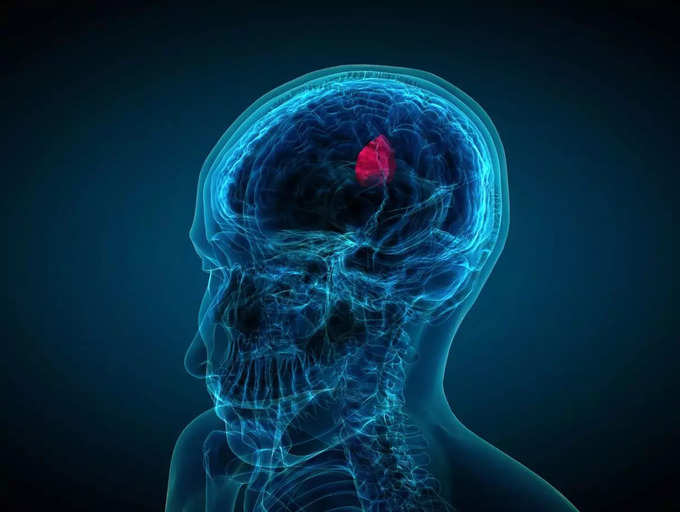
A brain tumour causes symptoms because of two reasons. As per Cancer Research UK, symptoms occur either because they take up space inside the skull when they grow or because of their position in the brain.

The duration of the growth can vary from person to person and can take from over some months to even years, depending on how fast it metastasizes.

Do not take these signs lightly

According to Mayo Clinic, some of the general symptoms of brain tumour that can be ignored are as follows:

- Headaches that gradually become more frequent and more severe

- Unexplained nausea or vomiting

- Vision problems, such as blurred vision, double vision or loss of peripheral vision

- Gradual loss of sensation or movement in an arm or a leg

- Difficulty with balance

- Speech difficulties

- Fatigue and exhaustion

- Confusion in daily matters

Brain tumours and seizures
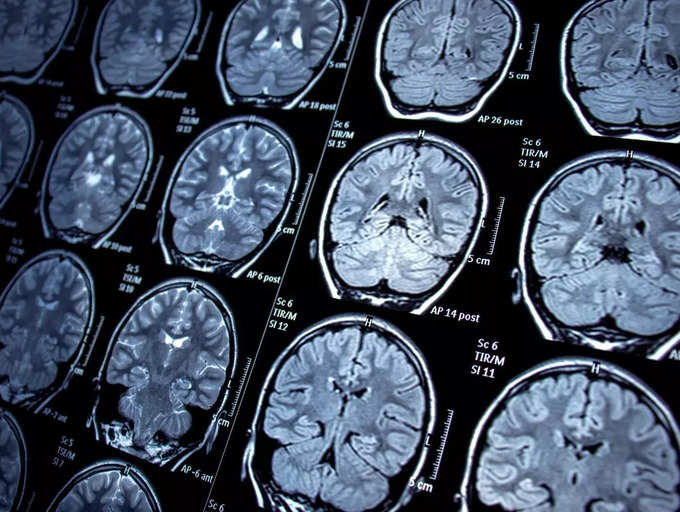
As per Cancer Research UK, seizures happen in up to 8 out of every 10 people (up to 80%) with a brain tumour.

"You might have some jerking or twitching of your hands, arms or legs. Or your seizure might affect your whole body," the health body explains.

According to the US National Brain Tumor Society, seizures are a sudden attack or convulsion caused by abnormal bursts of electricity in the brain.

Signs include: muscle contractions, staring, loss of consciousness, as per the health body. 

Behavioural and personality changes to note

Experts believe brain tumours can also cause personality changes and sudden mood swings.

This symptom is common in people whose tumour is located in the frontal lobe of the brain, which is the part that controls personality and emotions. It also helps regulate one's ability to control behaviour and manage it.

Who is at risk?

There's no way to predict who can and cannot get a brain tumour. However, there are certain risk factors to consider.

According to Mayo Clinic, exposure to radiation can make one prone to a tumour in the brain. "People who have been exposed to a type of radiation called ionizing radiation have an increased risk of brain tumor," experts from the health body explain.

Another reason could be a family history of brain tumours i.e. if one of the members of the family have had a brain tumor.

readmore


Labels: , , , , , , , , ,

Saturday, March 21, 2020

Understanding the Symptoms of a Brain Tumor

Being diagnosed with cancer will always be a terrifying and devastating thing, but cancer of the brain is said to be the scariest and most serious of them all. That's why it is vital that everyone is aware of the symptoms of this terrible disease so that it can be picked up and treated before it's too late.
 

1. Short-term memory loss
If you're finding it difficult to remember what you ate for breakfast or what your best friend's phone number is, then this may be a sign of a brain tumor. If this is the case, you may also discover that you're finding it more difficult to multitask or that you're becoming far more easily confused.

2. Persistent headaches
One of the most commons signs of a brain tumor is the development of persistent headaches. In fact, according to the American Brain Tumor Association, about half of all people with a brain tumor experience such headaches. These headaches typically don't respond to pain medication and are usually the worst in the mornings and when sudden movements are made.
 

3. Sudden onset of seizures
If you've never had a seizure before, experiencing one may be one of the first signs of a brain tumor. This occurs because a tumor may apply pressure to the brain's nerve cells, which can end up triggering a seizure. Around 50% of people with a brain tumor experience at least one brain seizure, according to the American Cancer Society.


4. Depression
At least 25% of brain tumor sufferers experience a major depressive disorder, which can include prolonged feelings of indescribable misery, which can interfere with day-to-day living. Many often feel as if there is no hope or that their existence has no value.
 

5. Mood swings
According to Mike Chen, MD, Ph.D., associate professor in the division of neurosurgery, department of surgery, at City of Hope in California, "a large, slowly growing tumor in the frontal lobe can alter personality and judgment so far as to be mistaken for criminal behavior or psychiatric problems.” If you notice that your personality seems to rapidly alter itself from one moment to the next, it might be a good idea to get yourself checked.

6. Extreme fatigue
If you're utterly exhausted all day every day, then this may be a sign of a cancerous brain tumor. Some sufferers report a complete loss of focus, and even falling asleep at their desks while at work. Others say that their limbs sometimes feel very heavy and that they feel a lot physically weaker than usual.
 

7. Hearing problems
Sudden hearing problems can also be a sign of a brain tumor. According to Dr. Christopher Carruba, MD, co-director for medical education at Med School Tutors, "if you’re experiencing hearing loss from one side or a constant ringing sensation, known as tinnitus, you’ll want to make an appointment with your doctor, who can determine whether your symptoms are severe enough to see a neurologist.”

Make sure you share this post to help raise some awareness about brain tumor symptoms. You might just save somebody's life.


This is only for your information, kindly take the advice of your doctor for medicines, exercises and so on.     

https://gscrochetdesigns.blogspot.com. one can see my crochet creations  
https://gseasyrecipes.blogspot.com. feel free to view for easy, simple and healthy recipes    
https://kneereplacement-stickclub.blogspot.com. for info on knee replacement

Labels: , , , , , , , , ,

Thursday, May 16, 2019

8 Symptoms Of the Most Common Brain Tumor

Did you know that the most common brain tumor is benign in over 95% of cases? We’re talking about meningiomas, a type of brain tumor that develops in the protective tissues that cover the brain and spinal cord called the meninges. Most meningiomas are diagnosed in people who are 45 and older, with women being more than twice as likely to develop these tumors than men. Less than 5% of meningiomas are caused by cancer, which makes them malignant since they usually grow much faster than benign ones. meningioma MRI
But for the most part, meningiomas are slow-growing tumors, the majority of which are left undiagnosed because they are often too small to interfere with the brain’s functions.
However, bigger meningiomas, like the one you can see in the picture above, can compress the surrounding brain tissues, blood vessels, and nerves, and can cause a variety of strange symptoms or even be fatal. These symptoms vary greatly, as they depend on the size of the tumor. We discuss the symptoms of meningioma below:

1. Weakness or Numbness in the Limbs

If the tumor is developing near the motor centers of the cortex, it may manifest itself in a sense of fatigue, weakness and even numbness, particularly in the limbs.
You can experience these symptoms in either the left or right side of the body, one limb, or the whole body. A meningioma on the spinal cord may also press on the nerves, which may manifest itself through pain in the back or the limbs.

2. A Change in Personality or Behavior

Meningiomas that disrupt the flow of cerebrospinal fluid and those adjacent to the frontal part of the brain called the prefrontal cortex have been observed to change the behavior and personality of patients who have them, with severe cases mimicking symptoms of mental illness, particularly depression and psychosis.
And while a very small percentage of meningioma patients actually experience hallucinations or exhibit acute depressive symptoms, more patients can suddenly change their hobbies, become more abrupt, more secluded, or more emotional depending on the size and place of the tumor.

3. A Sudden Worsening or Loss of Senses

Patients with meningiomas frequently experience disturbances with their senses:
  • Visual symptoms vary from blurry or double vision to a sudden loss of eyesight, typically in one eye.
  • Hearing symptoms also depend on the location and severity of the tumor, causing anything from an echo-y hearing, hearing loss and even sound hallucinations.
  • The sense of smell may also suffer and decrease or disappear as the result of a meningioma.

4. Confusion and Seizures

Patients with this type of tumor sometimes experience cognitive disturbances, which can become apparent when a patient feels dizzy, confused or has seizures. This happens with patients who have large meningiomas in the mid or frontal part of their brain, that constrict some nerves or brain tissues.
These patients can also experience cognitive decline and find it difficult to understand things. Seizures only on one side of the body can occur with patients who have a meningioma near their cerebellum as well. A meningioma-related seizure can change your sense of smell or vision or can make you pass out or have jerking muscle movements or stiffness.

5. Headaches That Become Worse with Time

Meningiomas can bring about severe headaches that worsen as the tumor grows and the pressure in the skull increases. Most commonly, patients experience stabbing headaches: a series of sharp knifelike pains that last less than a second.
However, headaches alone are rarely the only symptom of the condition, they usually co-occur with another more-specific symptom.

6. Memory Loss

A separate cognitive symptom characteristic of meningioma is memory loss. This is the case with tumors that grow near the memory centers of our brains: the temporal lobe and the hippocampus. Temporary or permanent memory loss can also occur after treatment of meningioma or surgery.

7. Nausea and Vomiting

Severe meningiomas that are often accompanied by headaches can worsen and make you lose your sense of balance, make you feel nauseous or make you feel sick on your stomach. This is because a large meningioma increases the pressure in the skull.

8. Language Problems

One of the most unusual symptoms of meningioma are speech and language perception difficulties. These symptoms worsen with time and vary depending on the severity of the condition. A patient suffering from a tumor near their frontal or temporal lobe will often find it difficult to understand and remember words or, on the other hand, they will understand everything, but will not be able to make out words or combine words into sentences.
This loss of communicative skills is called dysphasia, and it is important to note that it is not related to IQ. A patient with dysphasia may, in fact, be very intellectual, but not be able to communicate with others, much like dyslexic individuals with a high IQ that cannot understand written text.
In summary, a brain tumor can manifest itself in a variety of highly-unusual symptoms, and it can interfere with a person's life if it grows to be very large. In most cases, however, meningiomas are harmless and are rarely diagnosed because they normally don't exhibit any symptom.
THIS IS ONLY FOR INFORMATION, ALWAYS CONSULT YOU PHYSICIAN BEFORE HAVING ANY PARTICULAR FOOD/ MEDICATION/EXERCISE/OTHER REMEDIES.                                    PS- THOSE INTERESTED IN RECIPES ARE FREE TO  VIEW MY BLOG-                                                                                           https://gseasyrecipes.blogspot.com/    

                                                                                                                                                     FOR INFO ABOUT KNEE REPLACEMENT, YOU CAN VIEW MY BLOG-                                                  https:// kneereplacement-stickclub.blogspot.com/  

         
                   FOR CROCHET DESIGNS                                                                                                                                                                                                  https://gscrochetdesigns.blogspot.com 

Labels: , , , , , , , , , , ,