Monday, December 22, 2025

Vitamin C or Vitamin E for smoother skin? Dermatologists reveal where the real glow secret lies
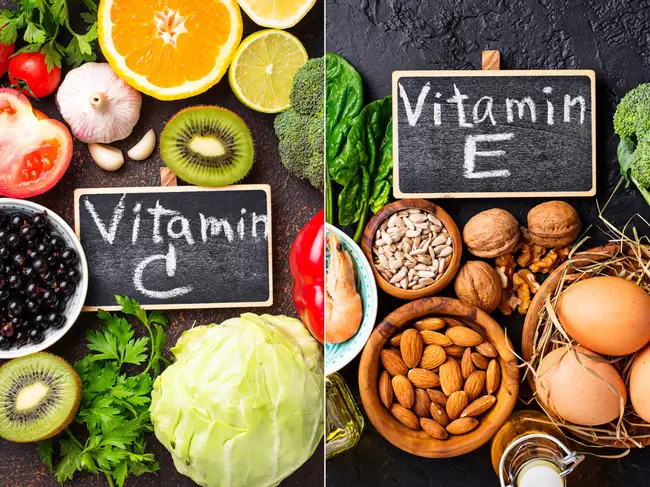
 Vitamin C vs Vitamin E for skincare 

Walk through any beauty store and the promise is everywhere glowing bottles of vitamin C serums and rich creams infused with vitamin E. Both are marketed as skin saviours, but for anyone chasing smoother, healthier looking skin, the question remains which vitamin actually does more. A recent Prevention report featuring dermatologists and registered dietitians sheds light on how these two nutrients differ and why the answer is not as simple as picking one.

Why Antioxidants Matter for Skin Health

According to experts quoted in the Prevention report, both vitamin C and vitamin E act as antioxidants that protect skin cells from free radical damage caused by pollution, UV exposure and daily environmental stress. Meridan Zerner, a registered dietitian at Cooper Clinic, explained in the report that these vitamins work internally and externally to reduce cellular damage, making them foundational to skin health rather than cosmetic extras.

Vitamin C and the Collagen Connection

Vitamin C often takes centre stage in skincare for one major reason collagen. Marissa Beck, a registered dietitian and founder of REVV Health, noted in the Prevention report that vitamin C plays a critical role in collagen production, which supports skin firmness, structure and wound healing.

Dermatologist Dr Marisa Garshick added that vitamin C helps brighten the skin and improve uneven tone. Research cited in the report also suggests it may soften the appearance of wrinkles, raised scars and sagging skin, while protecting against oxidative stress from sunlight and pollution. This makes vitamin C particularly appealing for ageing or sun stressed skin.

Vitamin E and the Skin Barrier Advantage

Vitamin E works differently. As explained in the Prevention report, it is a fat soluble vitamin naturally present in the skin’s sebum, helping maintain moisture and strengthen the skin barrier. Dr Beck highlighted that vitamin E operates within cell membranes, reducing UV induced damage and calming inflammation.

Because of these properties, vitamin E is commonly found in moisturisers and oils and may be especially helpful for dry, flaky skin or inflammatory conditions such as eczema. Its role is less about brightening and more about protection and hydration.

Is One Better Than the Other?

Experts interviewed by Prevention agree that choosing between vitamin C and vitamin E is not a competition. Dr Garshick explained that while vitamin C may be more effective for brightening and mature skin concerns, the two vitamins often work best together. Studies referenced in the report show that combining vitamins C and E can enhance protection against UV damage and improve signs of ageing.

When paired, vitamin E can stabilise vitamin C, improving its effectiveness and longevity in skincare formulations. This synergy explains why many high performance serums include both.

Food, Skincare and Smart Timing

The Prevention report also emphasised that smoother skin starts from within. Zerner recommended vitamin C rich foods such as oranges, strawberries, bell peppers, tomatoes and broccoli, while vitamin E sources include nuts, seeds, avocados and plant based oils.

Beck stressed that diet should be the first line of defence, noting that even mild nutrient deficiencies can affect healing and immunity. Topical products can complement nutrition, particularly vitamin C serums used in the morning to protect against daily environmental damage. Dr Garshick advised pairing vitamin C with sunscreen for added protection.

The verdict from experts is clear smoother skin is not about choosing vitamin C over vitamin E, but understanding what your skin needs. Vitamin C supports brightness and collagen, while vitamin E strengthens and soothes. Used together and supported by a balanced diet, hydration and proper sleep, they form a powerful duo rather than rival solutions. 


This is only for your information, kindly take the advice of your doctor for medicines, exercises and so on.   


Walk through any beauty store and the promise is everywhere glowing bottles of vitamin C serums and rich creams infused with vitamin E. Both are marketed as skin saviours, but for anyone chasing smoother, healthier looking skin, the question remains which vitamin actually does more. A recent Prevention report featuring dermatologists and registered dietitians sheds light on how these two nutrients differ and why the answer is not as simple as picking one.

Labels: , , , , , , ,

Wednesday, October 13, 2021

Use This 'Miracle Tree' Oil & Reap Endless Health Benefits

In a world that’s becoming rapidly over-saturated with artificial products, many of us start looking for natural items that can be just as beneficial for our health. Today, we will show you one such amazing natural product that has endless health benefits - Moringa Oil.
moringa oil
Derived from the seeds of Moringa oleifera, a small tree native to the Himalayan Mountains, moringa oil is filled with various helpful nutrients. It has been a staple of Ayurveda for centuries and has been utilized for its wonderful medicinal properties. In fact, it’s one of the most nutrient-dense plants on the planet. Every single part of the moringa tree, including stems, seeds, pods, fruits, bark, and root, are known to have precious medicinal values. It’s for this reason that the tree has been called “the Miracle Tree,” “the Tree of Life” and “Mother's Milk.” 
 
While this tree is native to India, moringa oil is now produced in all parts of the world. It has many benefits for the skin and overall health, including healthy aging, better hair, and strengthening the skin barrier. Intrigued? Let’s find out more about this magical tree oil.

The composition of moringa oil

Moringa seeds have a high oil content and are comprised of countless nutrients. They also contain powerful antioxidants and essential fatty acids. 
Benefits of Moringa Oil,
Here’s a look at the composition of moringa oil: 
Oleic acid 
 
Palmitoleic acid 
 
 Linoleic acid 
 
Amino acids 
 
Gadoleic acid 
 
Stearic acid 
 
Vitamin A B-vitamins 
 
Vitamin C 
 
Vitamin E 
 
Monounsaturated fats 
 
Proteins

Sterols 
 
Tocopherols. 
 
To produce the oil, the seeds are first extracted from the moringa flowers and fruits. The seeds are then dried and crushed. After several industrial processes, including solvent extraction and cold-pressing, the oil is ready to be bottled and sold. Moringa oil is usually available in two forms: as an essential oil and as a cooking oil. Both of them are beneficial for your health.

Health Benefits of Moringa Oil  
 
1. Acts as a natural moisturizer  
One of the most prominent benefits of moringa oil is that it is a ‘dry’ oil, meaning that when you apply it to your skin, it penetrates deeply in just a few seconds and leaves the skin dry instead of making it greasy. More importantly, its oleic acid (a fatty acid that's found in a lot of plant and vegetable oils) content can be terrific for the skin when used topically as a cleansing agent or simply as a moisturizer. Using it regularly can ensure that that the skin remains hydrated even when exposed to pollution. Just rub 2-3 drops of moringa oil on your palms and gently dab it onto a clean face.
 
2. Has anti-inflammatory properties
Benefits of Moringa Oil,
This powerhouse oil consists of numerous bioactive compounds that have beneficial antioxidant and anti-inflammatory features. Some of these compounds include tocopherols, catechins, quercetin, ferulic acid, and zeatin. You can avail of their benefits through moringa oil both topically or by ingesting it directly. Additionally, the oil also contains vitamin E, which has antibacterial as well as anti-inflammatory properties. 
 
3. It strengthens the skin barrier 
Moringa oil is made up of 40% monounsaturated fatty acids. 70% of that is oleic acid. Dermatologists say that this combination makes the oil great for supporting the skin barrier. A strong skin barrier will help protect the skin against environmental elements like sunlight, pollution, and free radicals while keeping moisture in. The better your skin barrier, the more chances you will have of maintaining healthy and hydrated skin. 
 
Do note, however, that if you have sensitive skin, don’t overuse moringa oil. Limit use to about twice a week and mix it with some gentle oil like almond oil. 
 
4. Repairs skin from damage and can help with inflammation  
Thanks to the omega fatty acids and antioxidants present in moringa oil, it can help soothe damaged skin and inflammation. Skin experts say that the vitamins E, A, and C in this tree oil can be particularly useful to repair active lesions, cuts, and burns. One 2018 study discovered that nanofibers with moringa extracts had better wound-healing properties than those without.

5. Works as an anti-aging oil 
Benefits of Moringa Oil,
The high content of vitamin E in moringa oil means it has potent antioxidant properties which can be useful for keeping those premature wrinkles and protects against free radical damage. Also, moringa oil contains plant hormones called cytokinins that influence cell growth and prevent the destruction of skin tissues associated with aging. In addition, its vitamin C content promotes collagen and elastin production for youthful skin. 
 
A 2014 study found that moringa leaf extract promotes facial revitalization and has anti-aging skin effects.

6. Helps fight acne and dark spots
Studies have shown that moringa oil has excellent antibacterial, antifungal, and antimicrobial properties. Research has also shown that the oil regulates sebum production by keeping skin hydrated, thus resulting in less oily skin by preventing dirt and bacteria from getting clogged into the pores. Add to it its non-greasy moisturizing effects, and you have an oil that's perfect for fighting acne and other skin issues like dark spots and eczema. Just add 3-4 drops of moringa oil to a little amount of almond oil and apply the mixture to acne, dark spots, and scrapes, for quick healing. 
 
7. Promotes hair growth
Moringa oil doesn’t just work wonders for the skin, it also has many benefits for the hair. This nutrient-dense oil is great for fending off scalp irritation, provides enhancing shine, facilitating hair growth, and keeps strands moisturized without weighing them down. This isn’t all. Its essential vitamins and minerals are said to rejuvenate the hair in the long term. Applying moringa oil regularly on your hair will protect it against color depletion while also safeguarding it against the drying and damaging effects of the sun’s rays. 
 
Furthermore, moringa oil can regulate sebum production in the scalp. What’s more, it's a potent fighter of scalp infections, dandruff, scalp acne, scalp psoriasis, and scalp eczema! So how do you use it for your hair? Simply massage the oil from root to tip, and wash your hair after half an hour or so. For added sheen and hydration, leave on overnight and shampoo and condition in the morning.

8. Provides relief from pain and helps in relaxation  
Adding a few drops of moringa oil to a warm bath will provide relief from tiredness and pain. Bathing with this water is said to relieve stress while removing fatigue and boosting relaxation. If you have pain or discomfort in the joints, massaging those areas with a few drops of moringa oil can help in alleviating the aches, thanks to the oil's anti-inflammatory properties. 
 
9. Can help in cholesterol management 
Food-grade or edible moringa oil contains sterols - a group of substances made in plants that are most commonly used for lowering cholesterol levels. Studies have shown that sterols can be especially useful to lower LDL or “bad” cholesterol. High levels of LDL cholesterol in the blood have been linked to coronary heart disease and stroke. Hence, using moringa oil in your diet may help in cholesterol management, although more research is needed to confirm these claims.

The Bottom Line 
Moringa oil is loaded with skin and hair benefits. As an essential oil, it’s great for moisturizing and cleansing the skin and can even help improve skin conditions like acne and dark spots. Applying it routinely on your skin can bring out its natural glow. 
 
You can also add moringa oil to your diet to obtain many health benefits, as it’s loaded with vitamins, phytonutrients, protein, and other compounds. Add a few drops to your smoothies or simply cook with it. Just ensure the label says it's food-grade.


This is only for your information, kindly take the advice of your doctor for medicines, exercises and so on.   

https://gscrochetdesigns.blogspot.com. one can see my crochet creations  
https://gseasyrecipes.blogspot.com. feel free to view for easy, simple and healthy recipes    
https://kneereplacement-stickclub.blogspot.com. for info on knee replacement


Labels: , , , , , , , , , , ,