Tuesday, June 09, 2026

Who Can Benefit From Lymphatic Drainage Massage?

 You probably heard about lymphatic massage, also called lymphatic drainage massage. You're likely also familiar with the lymphatic system. It is part of our immune system, and in this article, we're going to learn all about it. We'll explain how it works to defend us, what happens when it fails, and how manual drainage can help restart it. You may even discover that you can benefit from a lymphatic drainage massage!

What is a lymphatic drainage massage?

the lymphatic system illustration


The lymphatic system 

To fully understand what a lymphatic drainage massage is, we must get acquainted with the lymphatic system itself first. This system is part of the immune system. It consists of nodes spread all over the body that are connected by vessels. The fluid flows through the vessels, whereas the nodes function as filters. 

The lymphatic system protects us from infections, as it contains white blood cells called lymphocytes. It moves fluid from bodily tissues into the blood. Lastly, it helps get rid of waste produced by the cells. The fluid and waste are later discarded via the blood circulation through the liver and kidneys. They then exit the body through bowel movements and urine. 

The entire system lies just under the skin, so when performing a drainage massage, there's no need to apply much pressure. 

The basics of lymphatic drainage massage 

A lymphatic drainage massage is usually part of an entire Complete Decongestive Therapy (CDT) plan. It consists of massage, applying pressure, exercise, and skincare (if there's damage to the skin). Compression socks are used to direct lymphatic fluid away from the legs. 

The primary beneficiaries of lymphatic drainage are people suffering from lymphedema. This is a swelling that develops due to a failure of the lymphatic system. It usually occurs after surgery involving the lymph nodes, severe infections, or radiation therapy. 

Every drainage massage session lasts between 15 and 60 minutes. The effects are immediate. Applying minimal pressure, your physical therapist may use just one type of motion or a combination of sweeping and circular motions. These motions help collect and redirect accumulated lymphatic fluid and promote its re-absorption by the body. Every movement is designed to stretch the skin in the direction of lymphatic flow. 

 As lymphedema isn't curable yet, is it recommended to keep your legs and arms above your heart and avoid sitting cross-legged if you suffer from this condition. Avoid applying ice or heat and resist wearing tight garments.

Who else can benefit from lymphatic drainage massage and who should avoid it?
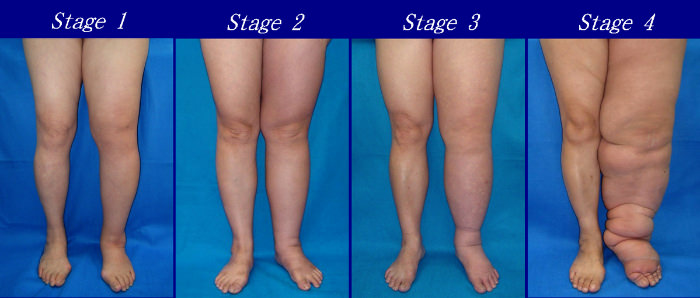
 
lymphederma stages


Lymphatic drainage massage isn't reserved only for those who suffer from lymphedema. It could also alleviate symptoms of the following conditions:

- progressive rheumatoid arthritis ‌

- chronic venous insufficiency (CVI) 

- digestive problems 

- fatigue 

- fibromyalgia 

- insomnia 

- migraine attacks 

- swelling (aka edema) 

- skin disorders 

- stress and depression

- constipation. 

 There are virtually zero risks in having a lymphatic drainage massage. However, certain individuals should avoid it. These include people who: 

have an infection 

- experienced blood clots or a stroke

 - have congestive heart failure 

- have cancer in the affected area 

- have liver or kidney problems. 

Can you do it yourself? 

After consulting your physician, you can certainly do drainage at home yourself. It can even help the symptoms of a common cold. 


This is only for your information, kindly take the advice of your doctor for food, medicines, exercises and so on.   


Labels: , , , , , , , , , ,

Sunday, April 12, 2026

10 Great Reasons Why You Should Eat More Radishes

You’ve probably eaten a radish before, but they are often overlooked when it comes to side dishes, salads, and main courses. Well, it’s about time that all this changed as radishes offer us a plethora of health benefits. Below, you can find 10 such benefits.

1. Helps Prevent Cancer 

Since radishes are rich in anthocyanins, folic acid, and vitamin C, they can help prevent many types of cancers, including kidney, colon, stomach, and oral cancer. Radishes are part of the Brassica family, and just like with other members of this taxonomic classification, these cruciferous vegetables are full of antioxidants. Furthermore, the isothiocyanates found in radishes have a have a major impact on the pathway of cancerous cells – they alter the pathways so much that they can cause apoptosis (cell death), thereby preventing cancerous cells from reproducing.

2. Treats Jaundice  

Radishes are great for the stomach and liver as they act as a powerful detoxifier. This means that they help to purify the blood by eliminating toxins and waste. They are extremely useful at treating jaundice because they help to remove bilirubin and keep its production at a stable level. Furthermore, radishes help to decrease the destruction of red blood cells, which is a common symptom in those suffering from jaundice.

3. Treats Urinary Disorders 

Radishes are diuretic, which means that they increase the production of urine. Radish juice can also cure inflammation and the burning feeling during urination that occurs when you have a UTI. They inhibit infections in the kidneys and urinary system, thus helping to treat various urinary conditions that are exacerbated by excess toxins in the body. 

4. Helps with Weight Loss

Radishes are filling, which means that they satisfy your hunger without increasing your calorie count. To add to this, they are low in digestible carbohydrates, high in roughage, and contain a lot of water, thus they are a great dietary option for those who want to lose weight. If this wasn’t enough, they are also high in fiber, meaning they increase regular bowel movements, which helps with weight loss, and increases the body’s metabolism. 

5. Lowers Blood Pressure 

Radishes are a great source of potassium. This nutrient has been linked to reducing blood pressure because when it interacts with the arterial supply of vascular beds, it relaxes the blood vessels, and increases blood flow. In other words, it reduces blood pressure by widening the arteries, allowing blood to flow through without restrictions. 

6. Treats Respiratory Disorders 

Radishes are anti-congestive, meaning that they’re able to decrease congestion of the respiratory system that arises due to allergies, colds, and infections.

7. Treats Skin Disorders 

Radishes contain phosphorous, vitamin C, and zinc, which are good for the skin. Furthermore, the water in radishes helps to maintain healthy moisture levels in the skin. Smashed raw radishes are a great cleanser and serve as an efficient face pack. To add to this, due to their disinfectant properties, radishes can also clear up skin disorders such as rashes, cracks, and dry skin. 

8. Controls Diabetes

It’s well-known that radishes have a low glycemic index, which means that eating them does not impact blood sugar levels. It also helps to regulate the absorption of sugars into the bloodstream, meaning that diabetics don’t have to worry as much about sudden drops or spikes when eating. 

9. Boosts Your Immune System 

Half a cup of radishes per day is 15% of your recommended daily intake of vitamin C. Consistently getting your regular dose of vitamin C can rejuvenate your immune system by replacing many of the antioxidants and white blood cells that are vital for fighting off every illness from the common cold to cancer. 

10. Treats Insect Bites 

Radishes have anti-pruritic properties and can be used as an effective treatment for insect bites and stings. Radish juice helps to reduce the pain and swelling in the affected area.


This is only for your information, kindly take the advice of your doctor for medicines, exercises and so on.   


Labels: , , , , , , , , , ,