Shingles: The Beneficial Shot After 50
If you had chickenpox as a child, and almost everyone our age did, then the virus that caused it never truly left. It has been quietly resting in your nerves for decades, and as the years go by it can wake up again in a far more painful form called shingles. About one in three people will experience it in their lifetime, and the odds climb steadily as we get older.
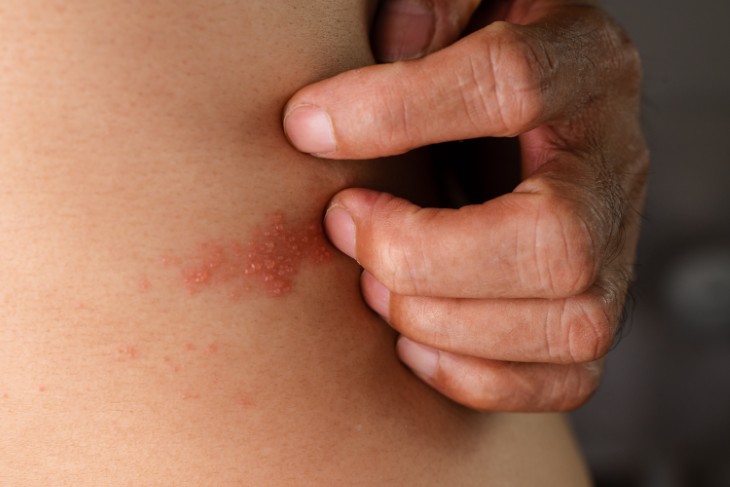
Anyone who has been through shingles, or watched a loved one suffer through it, knows it is no small thing. It usually begins with a strange tingling or burning on one side of the body, followed a few days later by an angry, blistering rash. For many people the rash heals and life goes on. But for some, the worst part comes after the rash is gone, in the form of a lingering nerve pain that can last for months or even years. The good news is that there is now a simple, highly effective way to protect yourself, and recent discoveries suggest it may do even more for your health than anyone expected.
Who Should Get It
The guidance from health authorities is refreshingly clear. Every adult age 50 and older with a healthy immune system should get the shingles vaccine. Adults 19 and older with weakened immune systems, whether from illness or from medications, should get it too, since they face an even higher risk.
A few common questions tend to come up, and the answers are reassuring. Should you still get it if you have already had shingles? Yes, because the illness can strike more than once. Do you need it if you cannot remember ever having chickenpox? Almost certainly, since nearly everyone born before 1980 was exposed, and there is no need for any test to find out. And if you received an older shingles shot years ago, you should get the current one as well, because protection has come a long way.
The Newer, Stronger Shot
That last point is worth dwelling on, because it is the heart of the matter. The shingles vaccine most people received in years past has been retired in the United States and replaced by a newer, far more powerful one. The current vaccine is more than 90 percent effective at preventing shingles and the nerve pain that can follow, even in people in their seventies and beyond. That is an extraordinary level of protection for any vaccine.
It comes as two separate shots, given between two and six months apart. Both doses matter, since the full protection depends on completing the series. It is not a live vaccine, and the protection has been shown to hold strong for many years after the second dose. For a one-time effort, the payoff lasts a remarkably long time.
A Surprising Bonus for the Brain and Heart
Here is where the story takes a fascinating turn. In the past couple of years, researchers studying large groups of older adults have stumbled onto something they did not expect. People who received the shingles vaccine were noticeably less likely to develop dementia in the years that followed, with some studies pointing to a drop of around 20 percent. The effect appeared even stronger in women, and there are early hints that the vaccine may help slow the disease in people who already have it.
The benefits did not stop at the brain. Vaccinated adults also showed lower rates of heart attack, stroke, and dangerous blood clots. Scientists are still working to understand exactly why a shingles shot would protect the brain and the heart, and larger trials are underway to confirm these early findings. But the pattern keeps appearing across study after study, which is exactly the kind of consistency that gets doctors excited. At the very least, it means this humble vaccine may be quietly doing far more good than its name suggests.
So Why Do So Many People Skip It?
Given all of this, you might wonder why so many people who should get the vaccine never do. The reasons are understandable, and each one is worth a second look.
The first is simply not knowing. Many people underestimate how common shingles is and how miserable it can be, so it never rises to the top of the to-do list. The second is worry about side effects. It is true that this vaccine can leave you with a sore arm, and sometimes a day or two of fatigue, muscle aches, headache, or a mild fever. These reactions are actually a sign that your immune system is doing its job, and they almost always fade within two or three days. Set against the risk of weeks of shingles pain, it is a small and short-lived trade.
The third reason is the two-dose schedule. Life gets busy, and it is easy to get the first shot and then never circle back for the second. A simple trick is to book the second appointment before you leave the first one, so it is already on the calendar. The fourth is cost, which used to be a real barrier. Happily, that has changed in recent years. For most older adults on Medicare, and for most people with private insurance, the vaccine is now available at no out-of-pocket cost. It is well worth a quick call to confirm your coverage.
Finally, many people simply have never been offered it. Studies show that when a doctor or pharmacist actively brings it up, far more people go ahead and get protected. So you may need to be the one to start the conversation.
A Conversation Worth Having
Protecting yourself here is about as straightforward as health decisions get. Two shots, a few months apart, with strong and lasting protection against a genuinely painful illness, and quite possibly a bonus for your brain and heart along the way. The next time you visit your doctor or your local pharmacy, it is worth asking a simple question: am I up to date on the shingles vaccine? It may be one of the easiest and kindest things you can do for your future self.